Key Takeaways
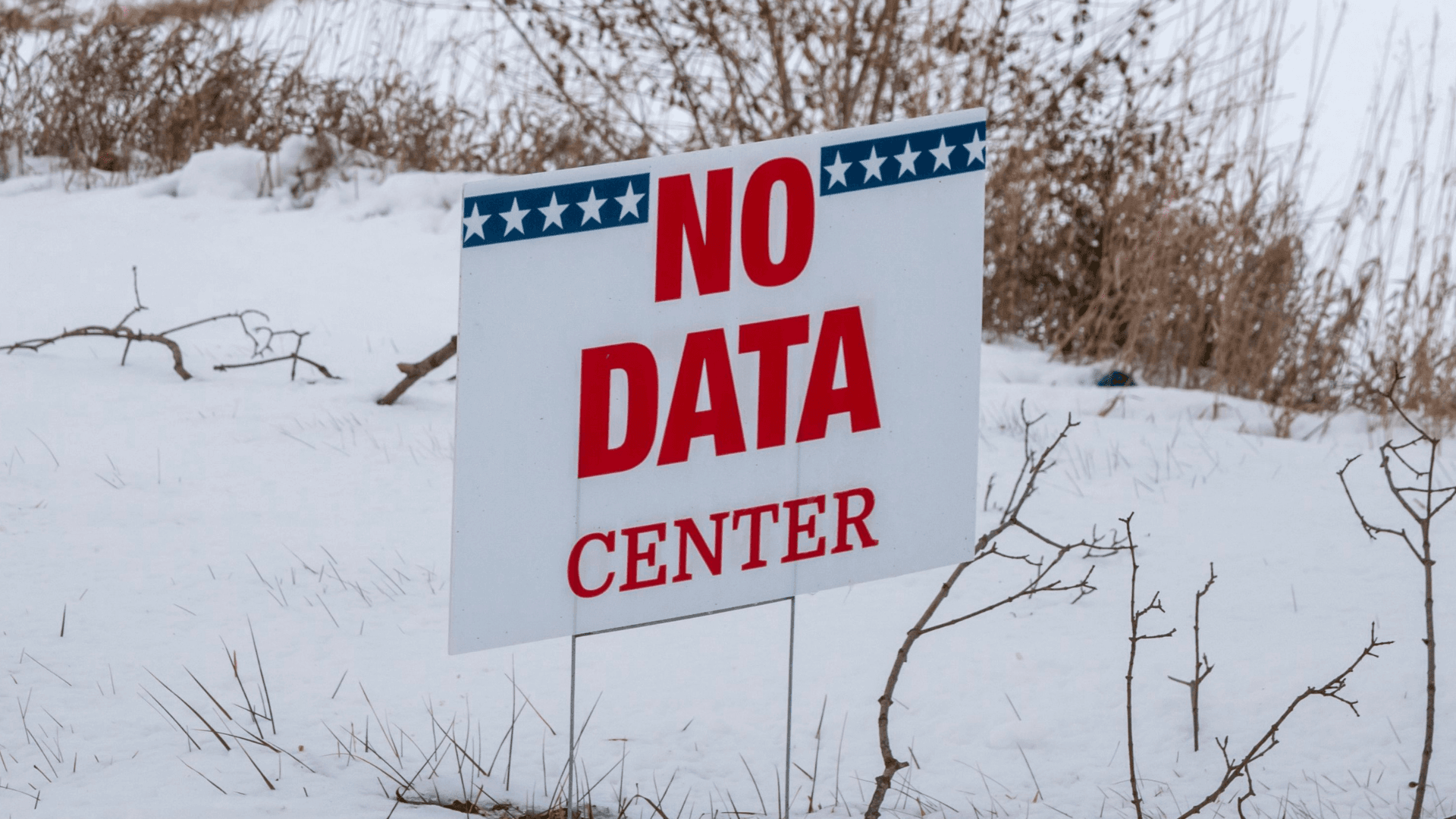
- 19 Michigan municipalities enacted data center moratoriums after Stargate project bypassed local rejection
- Developer sued within two days of township's 4-1 vote to reject rezoning, forcing quick settlement
- The 1.4 GW facility's cost more than doubled from $7 billion to $16 billion with no public explanation
OpenAI and Oracle's $16 billion Stargate data center is now under construction in Saline Township, Michigan. The township board voted 4-1 to reject it. The developer sued within 48 hours. The township settled within weeks.
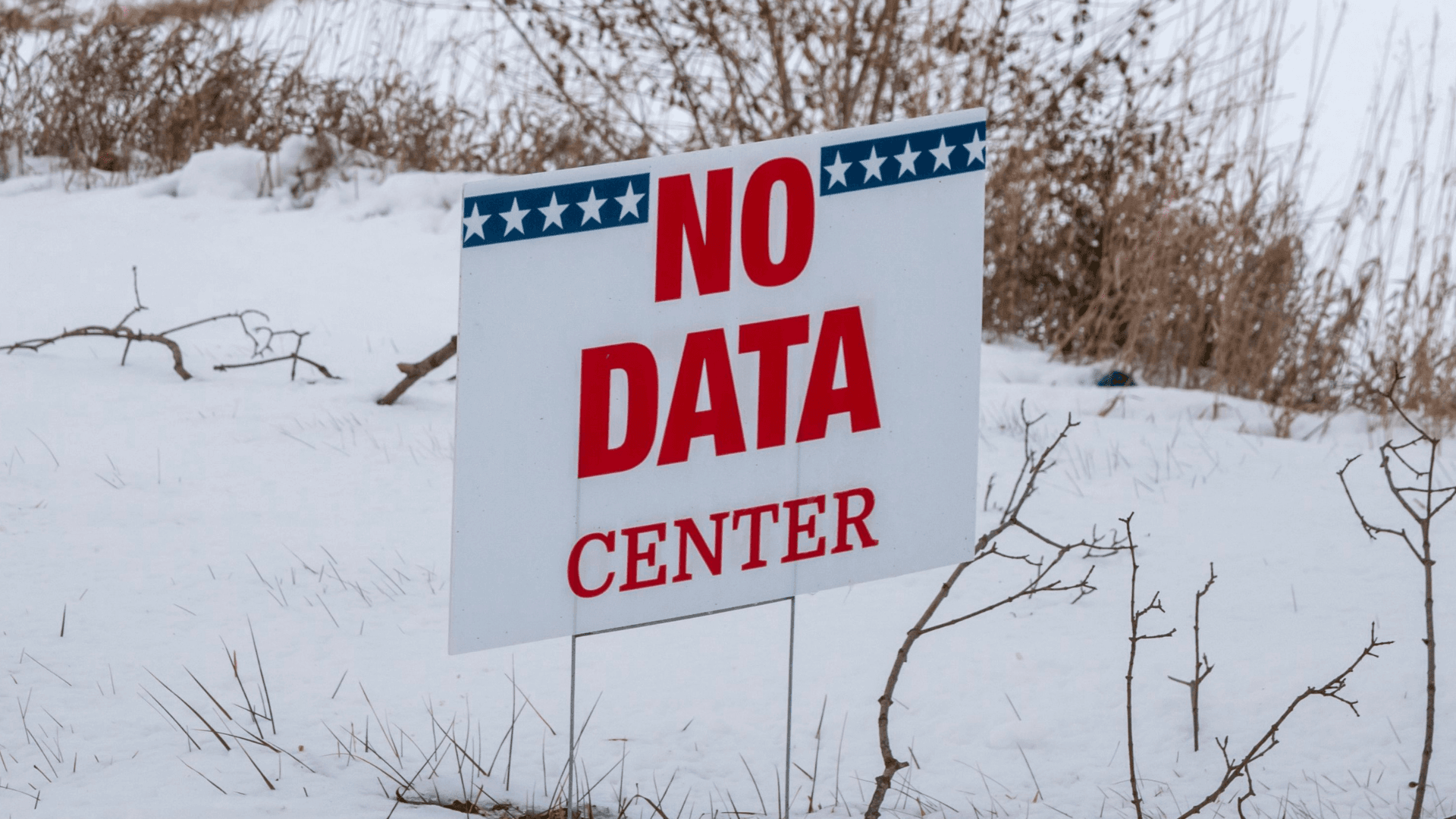
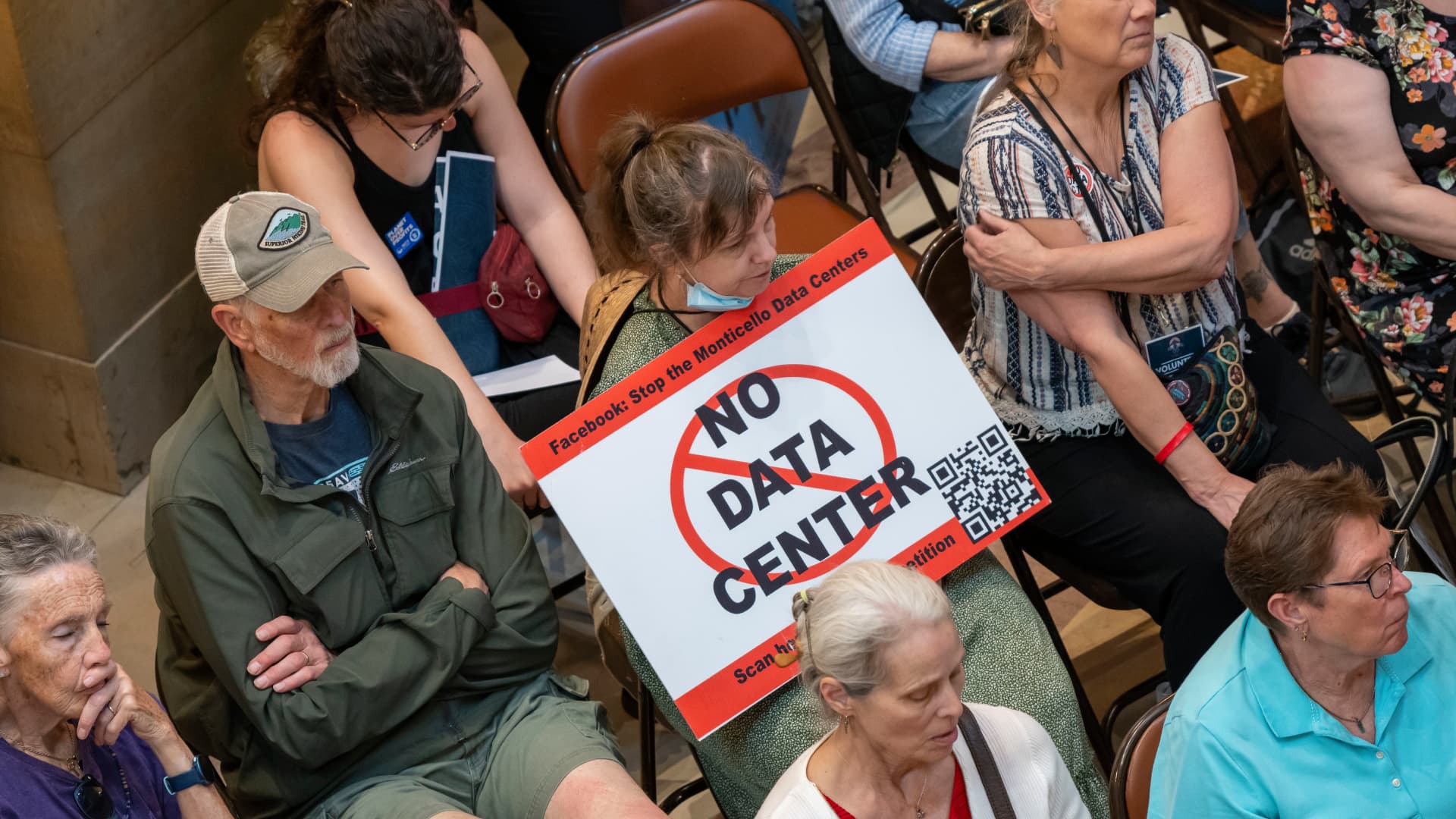
That sequence of events set off a wave of resistance across Michigan. At least 19 municipalities have enacted moratoriums on new data center development since the Stargate approval, according to Bridge Michigan. The backlash now includes county resolutions, bipartisan state legislation proposing a one-year statewide pause, and a regional water authority refusing to serve proposed facilities.
How the Override Happened
In September, Saline Township's board rejected Related Digital's rezoning request by a 4-1 vote. The developer responded with a lawsuit alleging exclusionary zoning. The township settled quickly, and construction began.
Residents did secure some concessions. The settlement included roughly $14 million in community benefits: funding for the local fire department, farmland preservation, and environmental restrictions. But the project moved forward regardless of the democratic vote.
“I think the plan was to move as fast as possible—so by the time anyone challenged it, they could say it was too far along to stop.”
— Saline Township resident speaking to Forbes
The Political Response
Michigan's political establishment is split. Governor Gretchen Whitmer called the Stargate project the largest single investment in state history. She opposes the proposed statewide moratorium. So does House Speaker Matt Hall.
But local governments are not waiting for state action. Washtenaw County commissioners passed a resolution in March supporting local moratoriums. Bipartisan state legislation has proposed a one-year pause on new data center development statewide.
The tension is clear: state officials see economic opportunity; local residents see infrastructure strain without proportional benefits.
What the Stargate Facility Will Consume
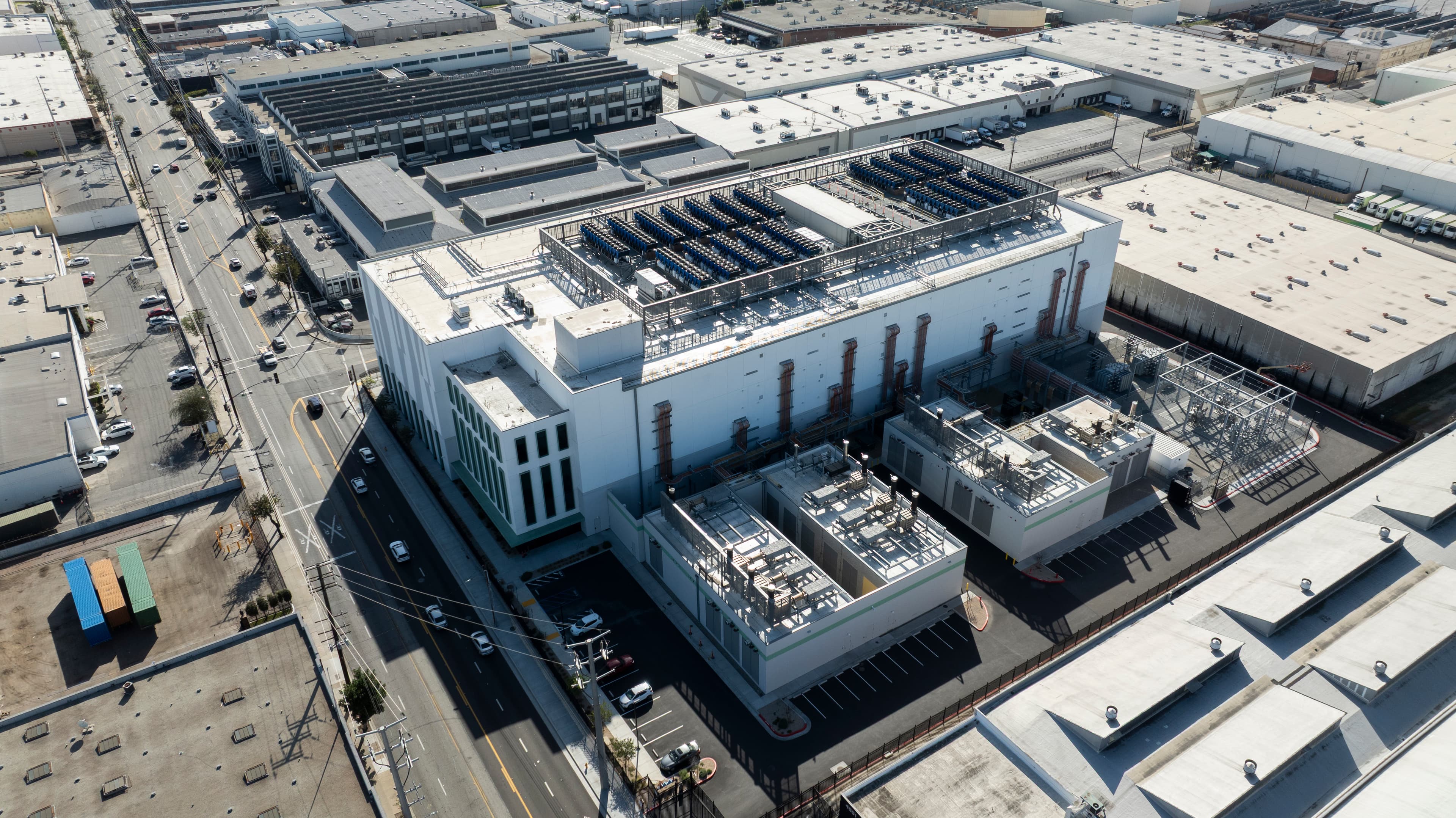
The Saline campus will consist of three single-story data center buildings delivering more than a gigawatt of compute capacity. DTE Energy will supply roughly 1.4 GW of electricity using existing grid resources supplemented by battery storage. Oracle is funding the battery storage entirely.
To put 1.4 GW in perspective: that's enough to power roughly 1 million homes. The facility is purpose-built for Oracle as part of the Stargate AI infrastructure project with OpenAI.
Related Digital claims the arrangement will generate $300 million in savings for existing DTE ratepayers. The logic: spreading fixed grid maintenance costs across a larger customer base reduces per-customer costs. Whether those savings materialize depends on grid capacity and demand patterns that are hard to predict.
Water and Cooling
Data centers typically consume enormous amounts of water for cooling. The Saline facility will use a closed-loop cooling system rather than evaporative cooling. Related Digital says ongoing water consumption will be comparable to a standard office building.
That claim is worth watching. Closed-loop systems reduce water use but increase electricity consumption for cooling. The tradeoff matters in a region where both resources face increasing pressure.
The Cost Mystery
When the Stargate project was first announced late last year, the price tag was $7 billion. Related Digital and Blackstone announced last month that they secured financing for the Saline campus at more than $16 billion. The cost more than doubled.
Neither company has explained the jump. Possible factors include expanded scope, higher construction costs, or additional infrastructure requirements. But without disclosure, observers can only speculate.
Related coverage of AI infrastructure development
Why Local Opposition Grows
The Saline case illustrates a pattern. Data centers bring jobs, but not many relative to their footprint. They consume massive amounts of electricity and sometimes water. They generate tax revenue, but often negotiate abatements. And when they arrive despite local votes, they erode trust in democratic processes.
The 19 moratoriums across Michigan reflect communities trying to buy time. They want leverage to negotiate better terms, or at least the ability to say no.
Whether moratoriums hold up against determined developers with deep pockets is another question. The Saline experience suggests legal pressure can collapse local resistance quickly.
Another case of workers and communities pushing back against tech industry terms



Logicity's Take
Frequently Asked Questions
Why did Michigan towns enact data center moratoriums?
At least 19 municipalities enacted moratoriums after the $16 billion Stargate project was approved despite Saline Township's 4-1 vote to reject it. Communities want time to negotiate better terms or preserve the ability to decline.
How much electricity will the Stargate data center use?
The facility will consume roughly 1.4 gigawatts of electricity, supplied by DTE Energy using existing grid resources and battery storage funded by Oracle.
Why did the Stargate project cost more than double?
The project's cost rose from $7 billion to $16 billion between announcement and financing. Neither Related Digital nor Blackstone has explained the increase.
Can Michigan communities legally block data centers?
Local moratoriums are legal, but developers can challenge zoning decisions in court. In Saline's case, the township settled within weeks of being sued for exclusionary zoning.
What benefits did Saline residents receive from the settlement?
Residents secured roughly $14 million in community benefits, including funding for the local fire department, farmland preservation, and environmental restrictions.
Need Help Implementing This?
Source: Latest from Tom's Hardware
Manaal Khan
Tech & Innovation Writer
Produced with AI assistance and reviewed by the Logicity editorial team. Learn more in our Editorial Policy.