Key Takeaways
- Samsung workers rejected a $340,000 one-time bonus, demanding guaranteed annual payouts instead
- SK hynix workers receive $477,000 this year with $900,000 guaranteed next year for ten years
- An 18-day strike starting May 21 could cost Samsung between $6.9 billion and $11.7 billion
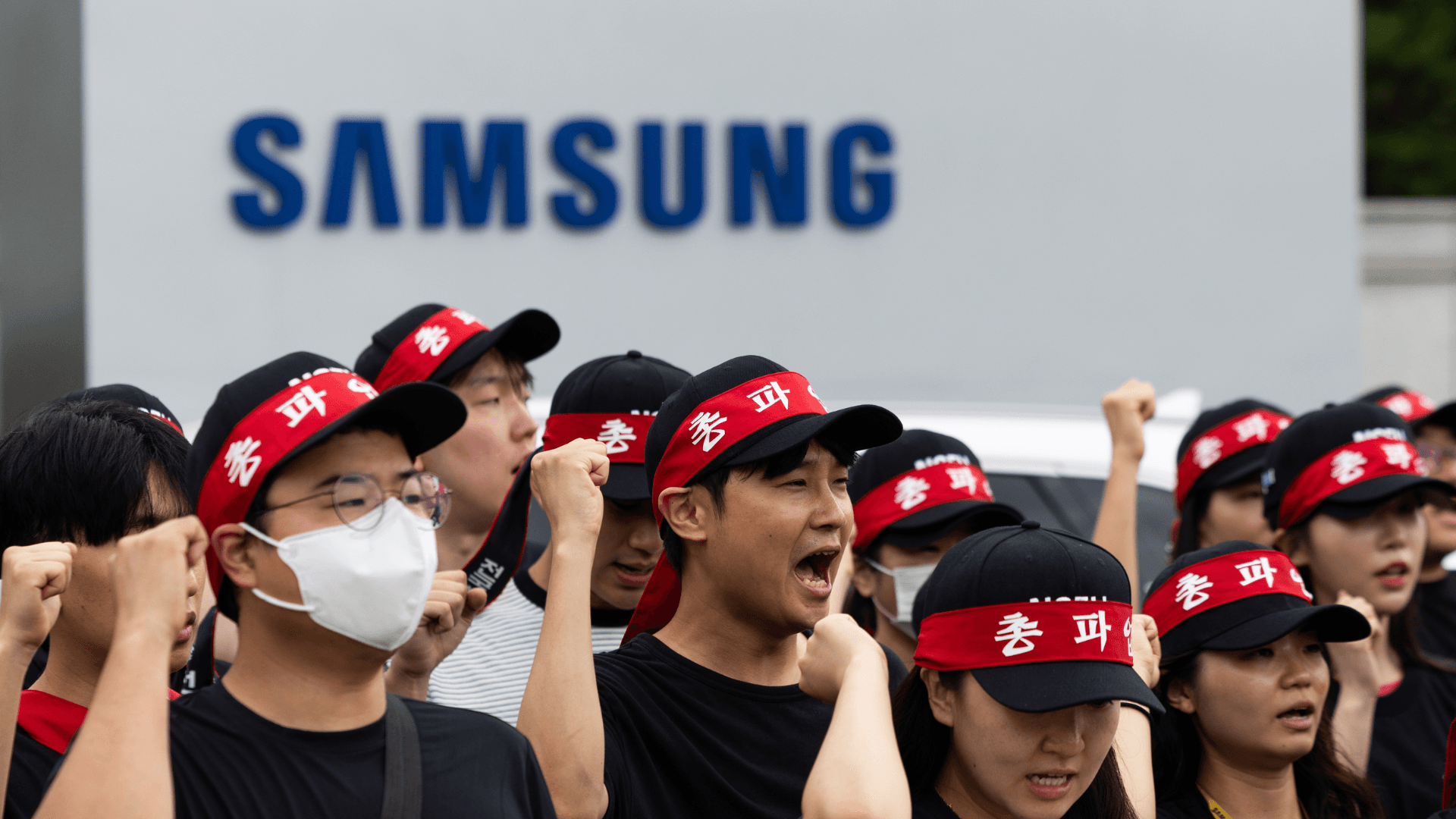
Samsung's semiconductor union and management have hit an impasse over one sticking point: whether a 13% profit-share bonus should be a one-time payment or an annual guarantee. The National Samsung Electronics Union, representing workers in the chipmaking division, has rejected management's $340,000 per-employee offer because it lacks the permanence of what rival SK hynix provides.
The dispute centers on how chip manufacturers should share windfall profits from the AI infrastructure boom. Both companies make memory and storage chips that AI data centers desperately need. The difference is how each rewards the workers producing them.
The Numbers Behind the Standoff
SK hynix workers will receive $477,000 in bonuses this year. That figure nearly doubles to $900,000 next year. These payouts are guaranteed for the next ten years. Samsung workers, by comparison, are being offered roughly $340,000 as a one-time bonus with no guarantee of future payments.
The union's argument is simple math. Even though Samsung is the larger company, its proposed bonus equals less than 30% of what SK hynix offers its workers. Both companies are riding the same AI wave, but their compensation approaches differ sharply.
How Negotiations Evolved
The dispute became public in late April when more than 30,000 Samsung workers took to the streets. Their initial demands included a 15% cut of the semiconductor fab's operating profit, removal of a 50% bonus cap, and a 7% wage hike.
Management countered with 10% allocation, a 6.2% pay increase, and other benefits including preferential mortgage rates. The two sides have since moved closer together on the numbers. Both now appear to agree on a 13% profit allocation. The remaining disagreement is whether this becomes a recurring commitment or stays a one-time gesture.
The Strike Threat
If talks fail, the union has announced a general strike from May 21 to June 7. That's 18 days of crippled chip fab operations.
The potential damage is substantial. A single-day action in April resulted in a 58% drop in production for just one shift. Prof. Kwon Seok-joon of Sungkyunkwan University told the Financial Times that an extended strike could cost Samsung between $6.9 billion and $11.7 billion in direct losses. Indirect costs would push the total even higher.
Why Samsung Can't Easily Concede
Granting annual bonuses isn't as simple as it might seem for Samsung. The company competes with SK hynix and Micron in a market where margins fluctuate. Locking in guaranteed payouts commits Samsung to costs regardless of future market conditions.
The timing also matters. Samsung is pushing hard on HBM4 chips, the high-bandwidth memory critical for AI training systems. Any production disruption damages its reputation as a reliable supplier. Customers shopping for AI chips have alternatives, and they care deeply about delivery consistency.
“An action like this could cost Samsung somewhere between $6.9 billion and $11.7 billion in direct losses, with an even larger amount in indirect costs.”
— Prof. Kwon Seok-joon, Sungkyunkwan University
The AI Windfall Context
This labor dispute reflects a broader question: who benefits when AI spending reshapes an industry? Data centers and hyperscalers are paying premiums for memory chips. Manufacturers like Samsung and SK hynix are capturing those premiums. Workers want their share.
SK hynix has already answered this question with its ten-year bonus guarantee. Samsung's reluctance to match that commitment creates a competitive problem beyond the strike itself. Workers at both companies can see the difference in how each values its semiconductor workforce.
AI's reshaping of the tech workforce affects all levels of the industry
What Happens Next
The May 21 deadline is approaching. Samsung management faces a choice between short-term cost control and long-term production stability. The union has demonstrated it can mobilize 30,000 workers and disrupt production significantly.
If the strike proceeds, Samsung's HBM4 roadmap takes a hit. Customers evaluating suppliers will factor labor stability into their decisions. The direct losses from 18 days of reduced production could exceed the cost of simply matching SK hynix's bonus structure.
Logicity's Take
Frequently Asked Questions
Why are Samsung chip workers demanding annual bonuses instead of a one-time payment?
Workers want guaranteed annual payouts similar to SK hynix, which has committed to bonuses for ten years. A one-time bonus provides no security for future years regardless of company profits.
How much do SK hynix workers receive in bonuses compared to Samsung workers?
SK hynix workers receive $477,000 this year with $900,000 guaranteed next year. Samsung's offer is approximately $340,000 as a one-time payment.
What would an 18-day Samsung strike cost the company?
Estimates from Sungkyunkwan University suggest direct losses between $6.9 billion and $11.7 billion, with additional indirect costs on top of that figure.
How does the Samsung strike affect AI chip production?
Samsung produces HBM chips critical for AI data centers. A strike would disrupt production and damage Samsung's reputation as a reliable HBM4 supplier during intense market competition.
When is the Samsung chip workers strike scheduled to begin?
The union has announced a general strike from May 21 to June 7 if negotiations fail to reach agreement on the annual bonus guarantee.
Need Help Implementing This?
Source: Latest from Tom's Hardware
Manaal Khan
Tech & Innovation Writer
Produced with AI assistance and reviewed by the Logicity editorial team. Learn more in our Editorial Policy.