Key Takeaways
- Energy monitoring smart plugs can detect when analog devices like turntables are running and trigger automations
- Variable electricity pricing plans enable automated water heating during negative-price periods
- The best smart home automations require minimal user interaction and run in the background
Smart lights, thermostats, and door locks get all the attention in home automation circles. But the real fun starts when you automate devices nobody expects.
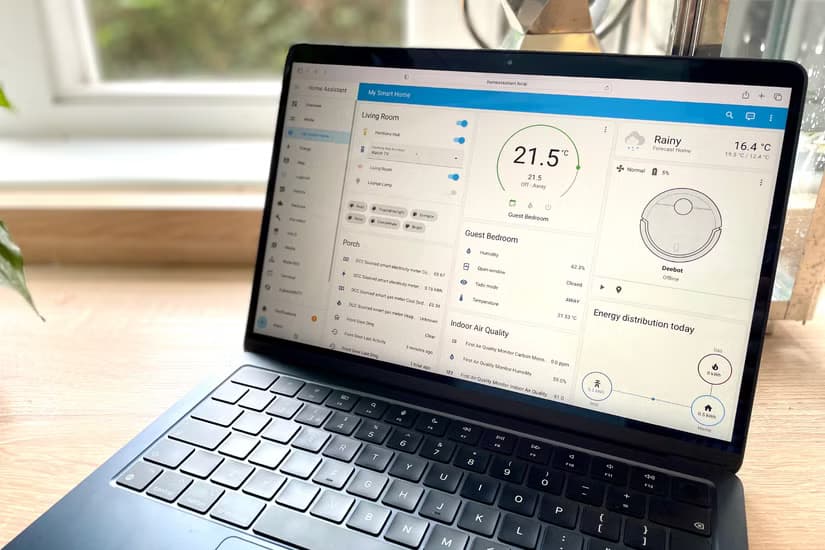
The secret weapon? Energy monitoring smart plugs. These devices watch power draw in real time, letting you trigger automations based on whether a device is running. Pair that with a Home Assistant server, and suddenly your analog turntable becomes part of your digital smart home.
Your Record Player Can Trigger a Whole Vibe
Vinyl enthusiasts know the ritual. Pull the record from its sleeve. Place it on the platter. Lower the needle. But then you have to walk over to the receiver, power it on, and switch to the right input. The magic breaks.
An energy monitoring plug changes this. When the turntable starts drawing power, your automation detects it. The receiver powers on. The input switches. The lights dim. You sit down with your drink, and the room transforms around you.
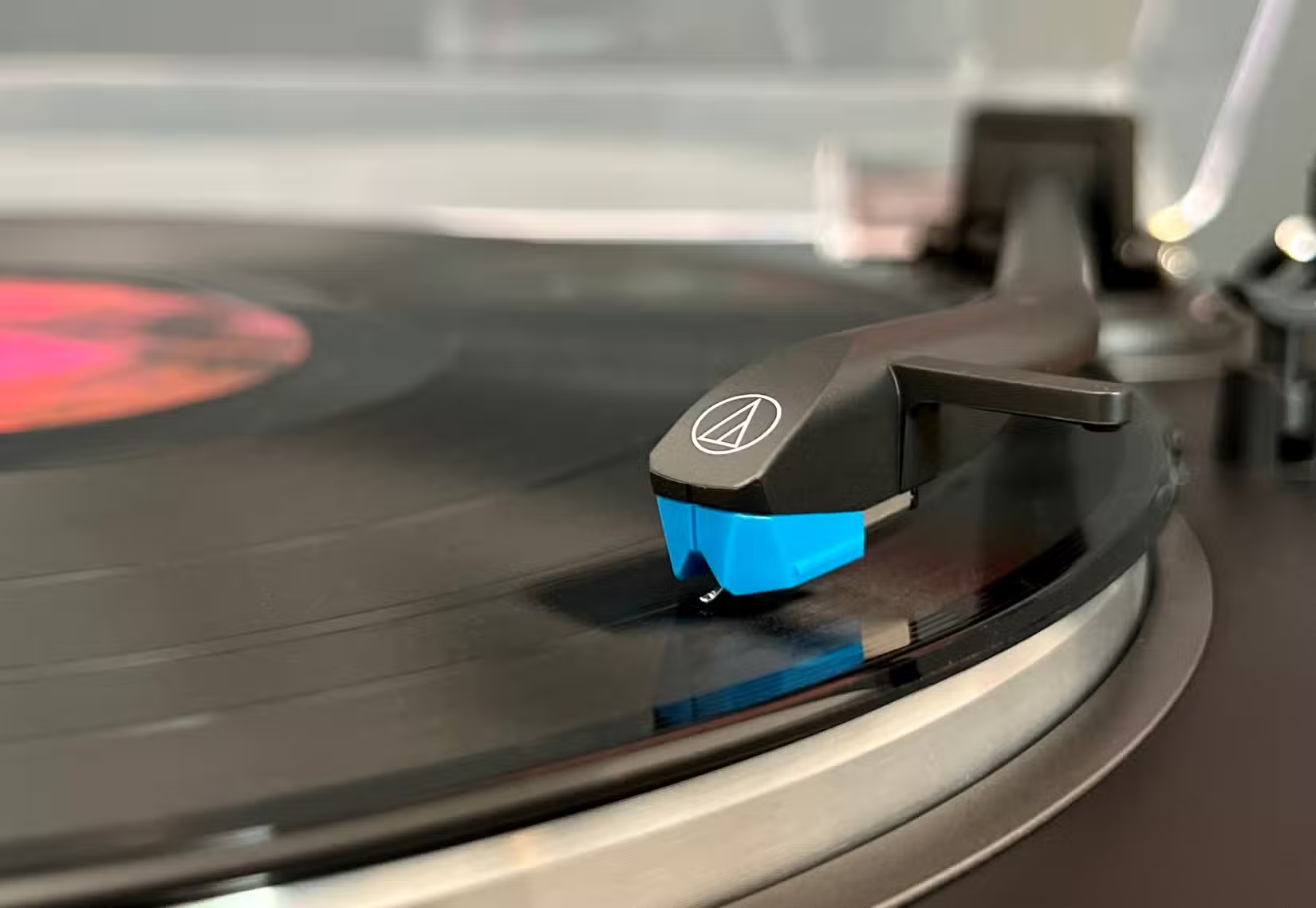
This is what good automation looks like. You do the thing you were going to do anyway. The house responds. No app. No voice command. No buttons.
Water Heaters and Variable Electricity Pricing
Here's where automation saves real money. Many electricity plans now offer variable pricing that changes every 30 minutes based on grid demand. Prices sometimes drop to zero. Occasionally they go negative, meaning the utility pays you to use power.
If your water heater has an electric immersion element, you can automate it to switch on only when electricity prices cross a threshold. Gas heating stays the default. But when electricity becomes cheaper than gas, or when the price goes negative, the system switches automatically.
This requires monitoring your utility's API or using a service that tracks variable pricing. Home Assistant has integrations for many regional utilities. The automation logic is simple: when price drops below X, turn on the immersion heater. When price rises above Y, turn it off.
The Philosophy Behind Invisible Automation
The best smart homes don't feel smart. They feel intuitive. You shouldn't need to remember voice commands or open apps. The house should respond to your normal behavior.
Energy monitoring plugs enable this because they detect intent through action. Starting the turntable means you want to listen to music. The system infers everything else. Running the dishwasher at night means you're done in the kitchen. Time to turn off those lights.
Logicity's Take
What You Need to Get Started
- Energy monitoring smart plug (TP-Link, Shelly, or Sonoff all work with Home Assistant)
- Home Assistant server (runs on Raspberry Pi, old laptop, or NAS)
- A device with detectable power draw patterns
- Time to experiment with automation logic
The Audio-Technica AT-LP60X-BK turntable mentioned in the source runs around $150. It has a built-in preamp and supports 33 and 45 RPM speeds. More importantly for automation purposes, it has a consistent power draw that an energy monitoring plug can detect.
Another approach to systems that learn from behavior patterns
Beyond Turntables and Water Heaters
The same principle applies to dozens of devices. Coffee grinders that trigger your morning routine. Garage door openers that arm the security system. Washing machines that send notifications when the cycle completes. Any device with a detectable power signature becomes automatable.
The key is thinking about your daily patterns. What do you always do in sequence? What device turning on signals that you're about to do something else? Build automations around those moments.
Frequently Asked Questions
Do I need to replace my existing devices to automate them?
No. Energy monitoring smart plugs work with any device that plugs into an outlet. Your existing turntable, water heater, or appliance stays the same.
How accurate are energy monitoring plugs at detecting device states?
Very accurate for devices with consistent power draw. You may need to calibrate thresholds for devices with variable power consumption.
Can I do this without Home Assistant?
Some smart plug apps offer basic automation. But Home Assistant gives you the flexibility to combine triggers from multiple devices and services like electricity pricing APIs.
How much does a home automation setup cost?
A Raspberry Pi runs about $75. Energy monitoring plugs cost $15-30 each. You can start a functional system for under $150.
Need Help Implementing This?
Source: How-To Geek
Huma Shazia
Senior AI & Tech Writer
Produced with AI assistance and reviewed by the Logicity editorial team. Learn more in our Editorial Policy.