Key Takeaways
- Manhattanhenge's next viewing dates are July 11 (full sun) and July 12 (partial sun) in 2026
- Best viewing spots include 14th, 23rd, 34th, 42nd, and 57th streets facing west
- The phenomenon occurs because Manhattan's grid is rotated 29 degrees east of true north
If you missed Manhattanhenge in late May, mark your calendar for July. The solar phenomenon, where the setting sun aligns perfectly with Manhattan's east-west streets, returns on July 11 and 12.
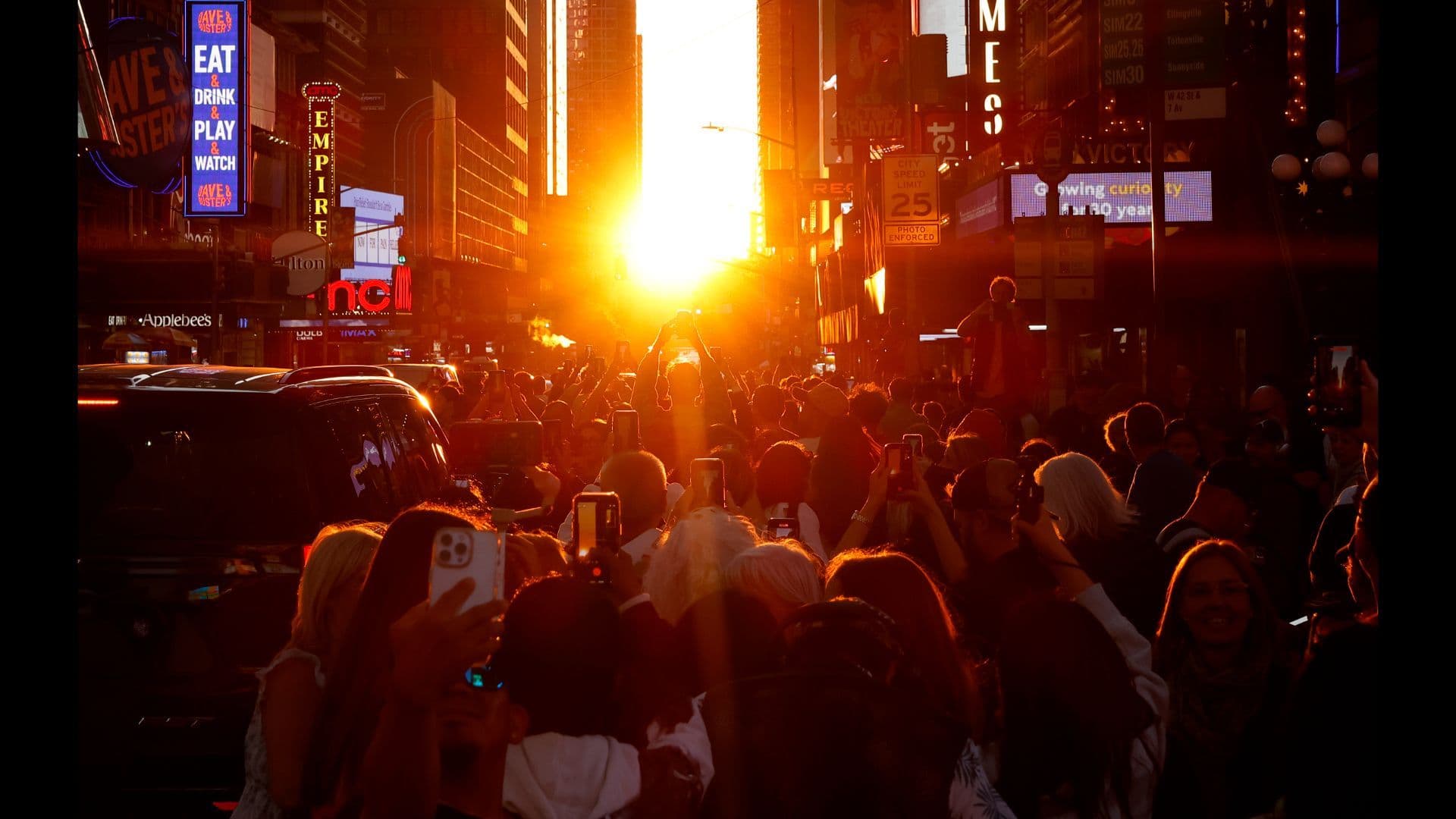
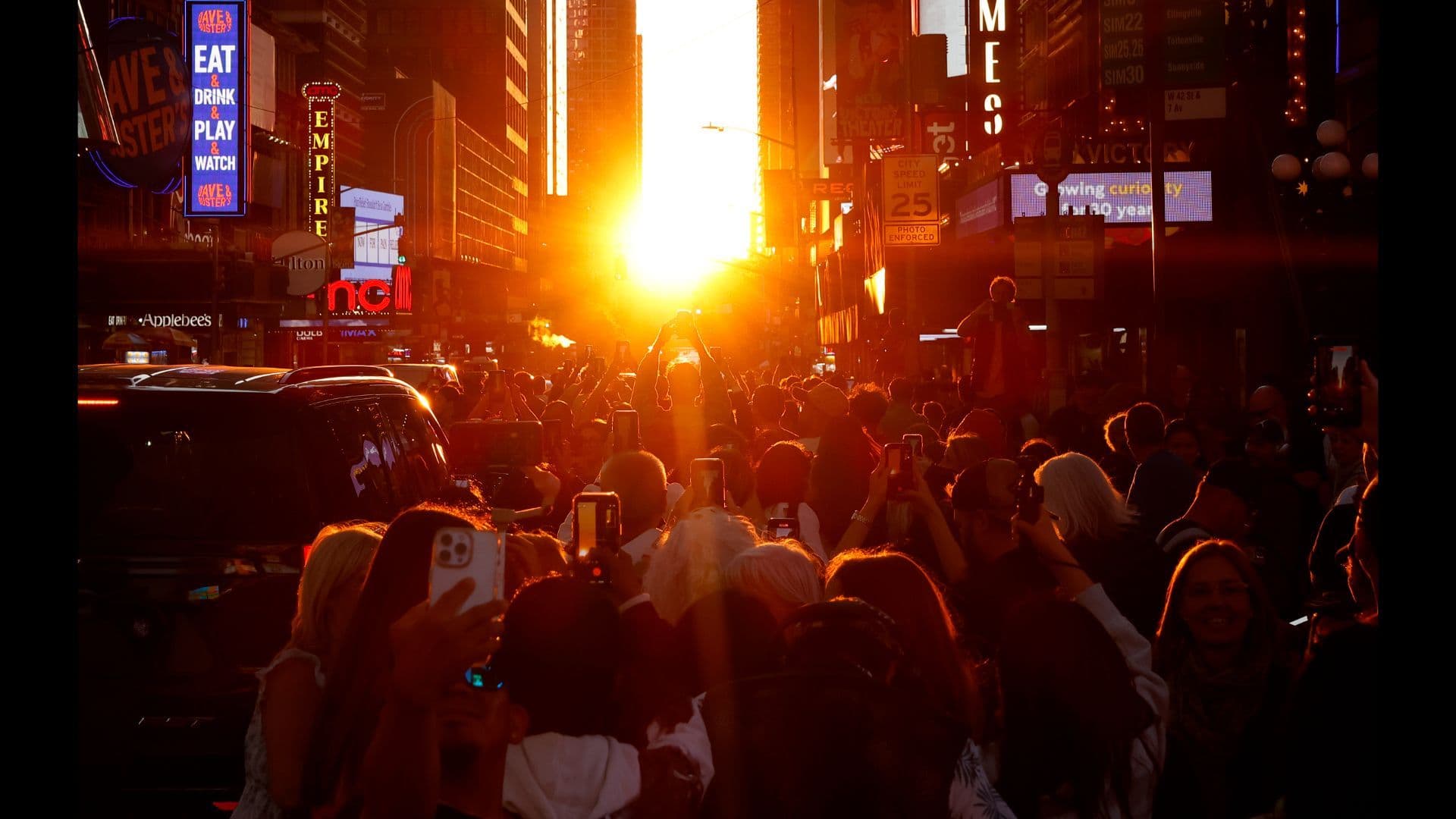
The May 2026 event drew crowds on May 28 (partial sun) and May 29 (full sun). Photographers, tourists, and New Yorkers packed the streets, blocking traffic to watch the sun slip between skyscrapers. The July dates offer a second chance this year.
What Causes Manhattanhenge
Manhattan's street grid does not align with the cardinal directions. It is rotated 29 degrees east of true north. This means the sun does not set due west from the perspective of someone standing on a Manhattan cross street.
“The grid of Manhattan is rotated 29 degrees east of true north... so the sun doesn't set due west, it sets at a different angle depending on the time of year.”
— Neil deGrasse Tyson, Astrophysicist and Director of the Hayden Planetarium
Twice a year, roughly three weeks before and three weeks after the summer solstice, the sun's position on the horizon matches the grid's orientation. The result is a sunset framed by buildings on either side of the street. Tyson coined the term "Manhattanhenge" in 1997, drawing a parallel to Stonehenge, where the sun aligns with ancient stone markers on specific dates.
July 2026 Viewing Dates
The July 2026 Manhattanhenge dates are:
- July 11: Full sun visible on the horizon at sunset
- July 12: Half sun, partially obscured by the horizon
The full sun date typically draws larger crowds, but the partial view can be equally photogenic, with the half-disk creating a different visual effect.
Best Viewing Locations
Not all Manhattan streets offer clear sightlines. The best viewing spots are wide, straight east-west streets with minimal obstructions:
- 14th Street
- 23rd Street
- 34th Street
- 42nd Street
- 57th Street
42nd Street is the most popular choice, with the sun setting directly between the buildings lining the street. Tudor City, a pedestrian overpass on the east side of 42nd Street, offers an elevated vantage point that puts you above the crowd. Reddit communities like r/nyc and r/astronomy debate the merits of each location before every Manhattanhenge event.
Why People Stop for This
Manhattanhenge is not rare in an astronomical sense. It happens four times a year (two partial, two full). But it draws crowds because it turns a city into a natural observatory. Thousands of strangers gather on the same blocks, phones raised, watching the same sunset.
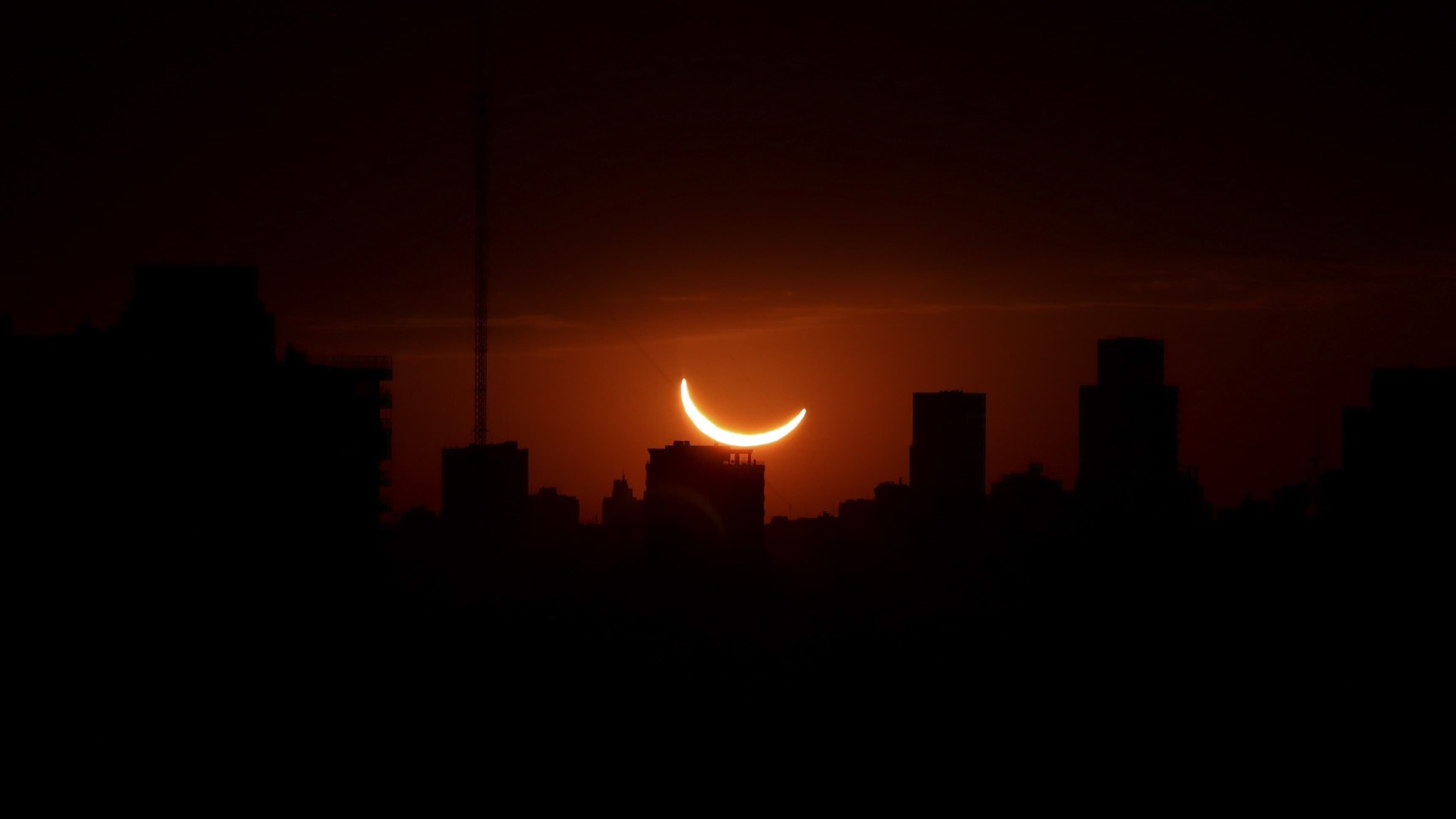
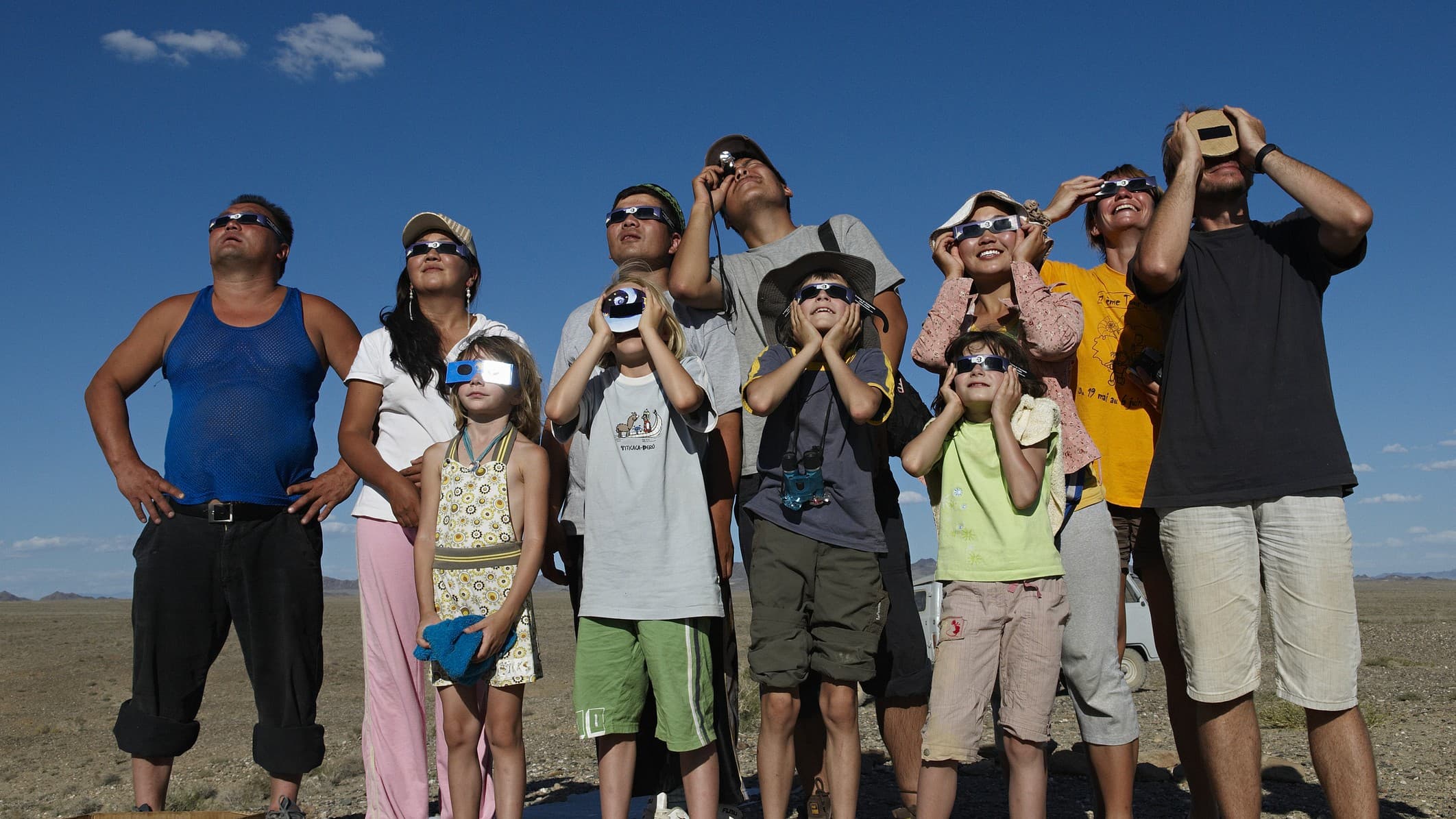
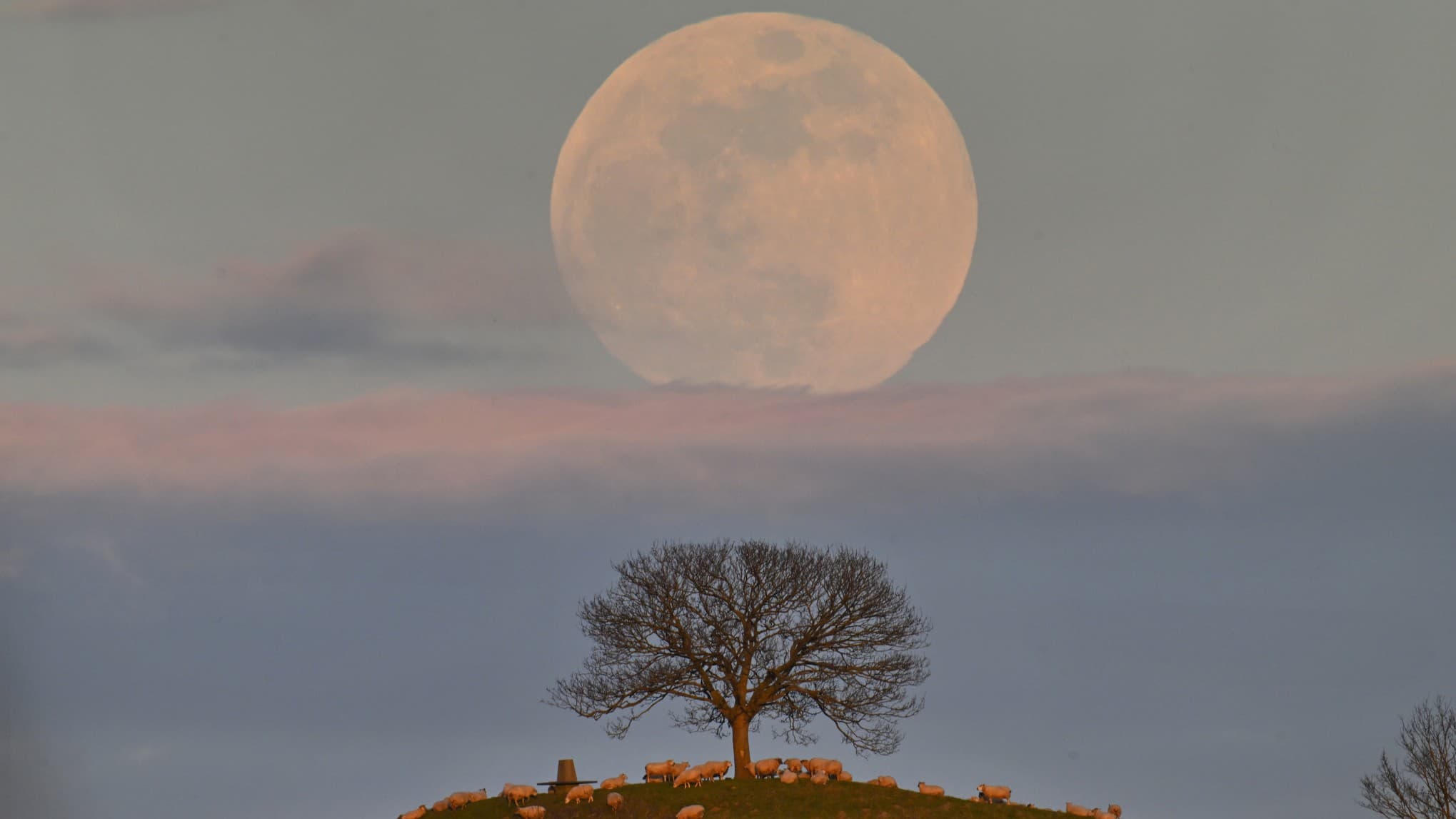
The event shares something with eclipses and supermoons: it gives people a reason to look up and, briefly, think about their place in the solar system. That is a hard thing to engineer in a city of 8 million people.

Logicity's Take
Photography Tips
If you are trying to capture the moment:
- Arrive 30-45 minutes before sunset to claim a spot
- Bring a telephoto lens (200mm or longer) to compress the sun against the buildings
- Use a tripod if possible; the light fades quickly
- Do not look directly at the sun through a viewfinder without a solar filter
The sun will be low and orange, but it is still bright enough to damage your eyes or camera sensor if you stare at it through a lens.
Frequently Asked Questions
When is Manhattanhenge in 2026?
The May 2026 dates were May 28 (partial) and May 29 (full). The July 2026 dates are July 11 (full) and July 12 (partial).
Why is it called Manhattanhenge?
Astrophysicist Neil deGrasse Tyson coined the term in 1997, comparing the alignment to Stonehenge, where the sun lines up with ancient stone markers on the solstice.
Where is the best place to watch Manhattanhenge?
The clearest views are on 14th, 23rd, 34th, 42nd, and 57th streets. Tudor City on 42nd Street offers an elevated vantage point.
How often does Manhattanhenge happen?
Four times a year: two dates around late May (before the solstice) and two around mid-July (after the solstice).
Why does Manhattanhenge happen?
Manhattan's street grid is rotated 29 degrees east of true north. Twice a year, the setting sun's position on the horizon matches this angle, creating the alignment.
More celestial events to watch this month
Need Help Implementing This?
Source: Latest from Space.com
Manaal Khan
Tech & Innovation Writer
Produced with AI assistance and reviewed by the Logicity editorial team. Learn more in our Editorial Policy.