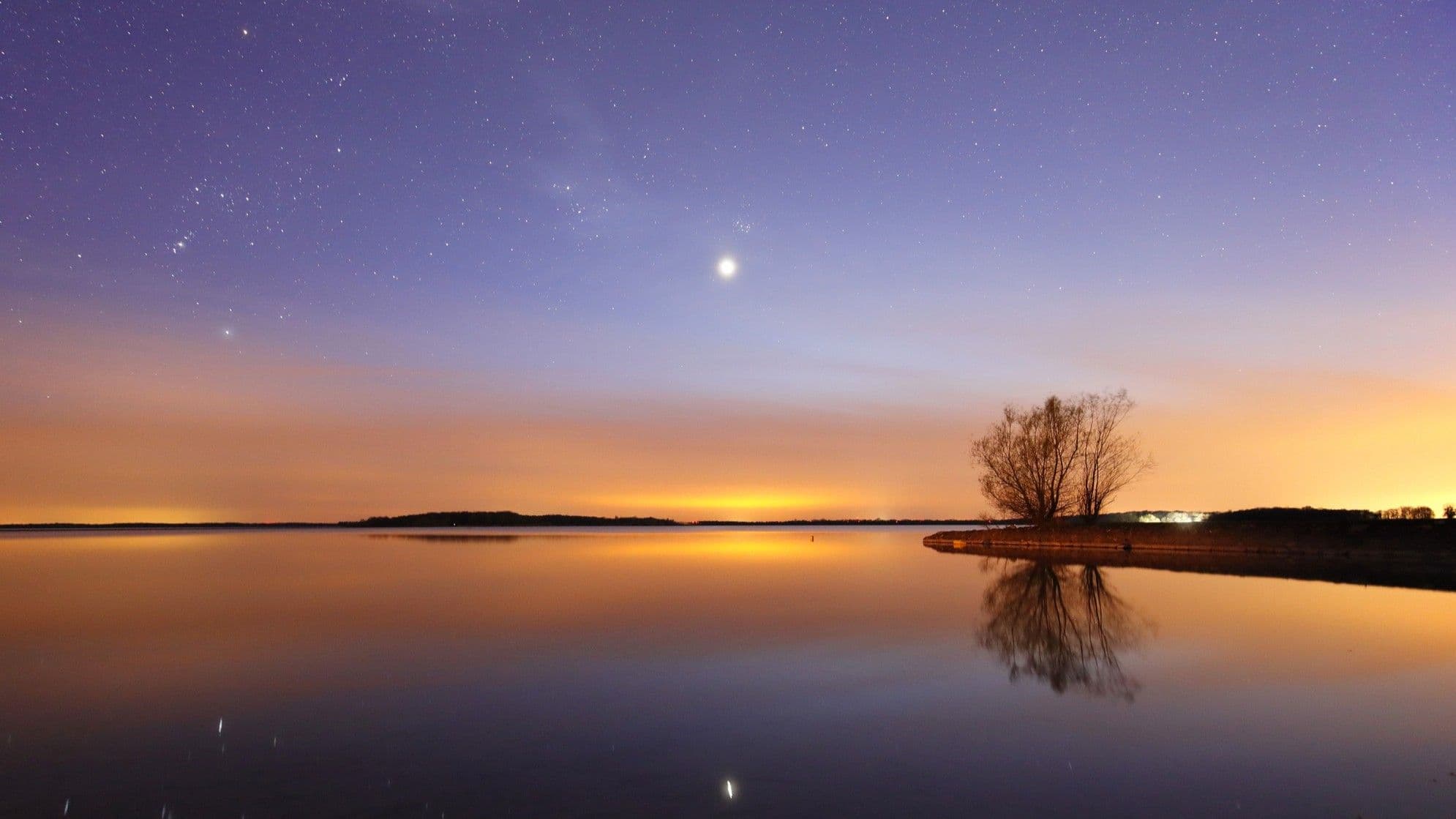
The Great Celestial Summit Meeting
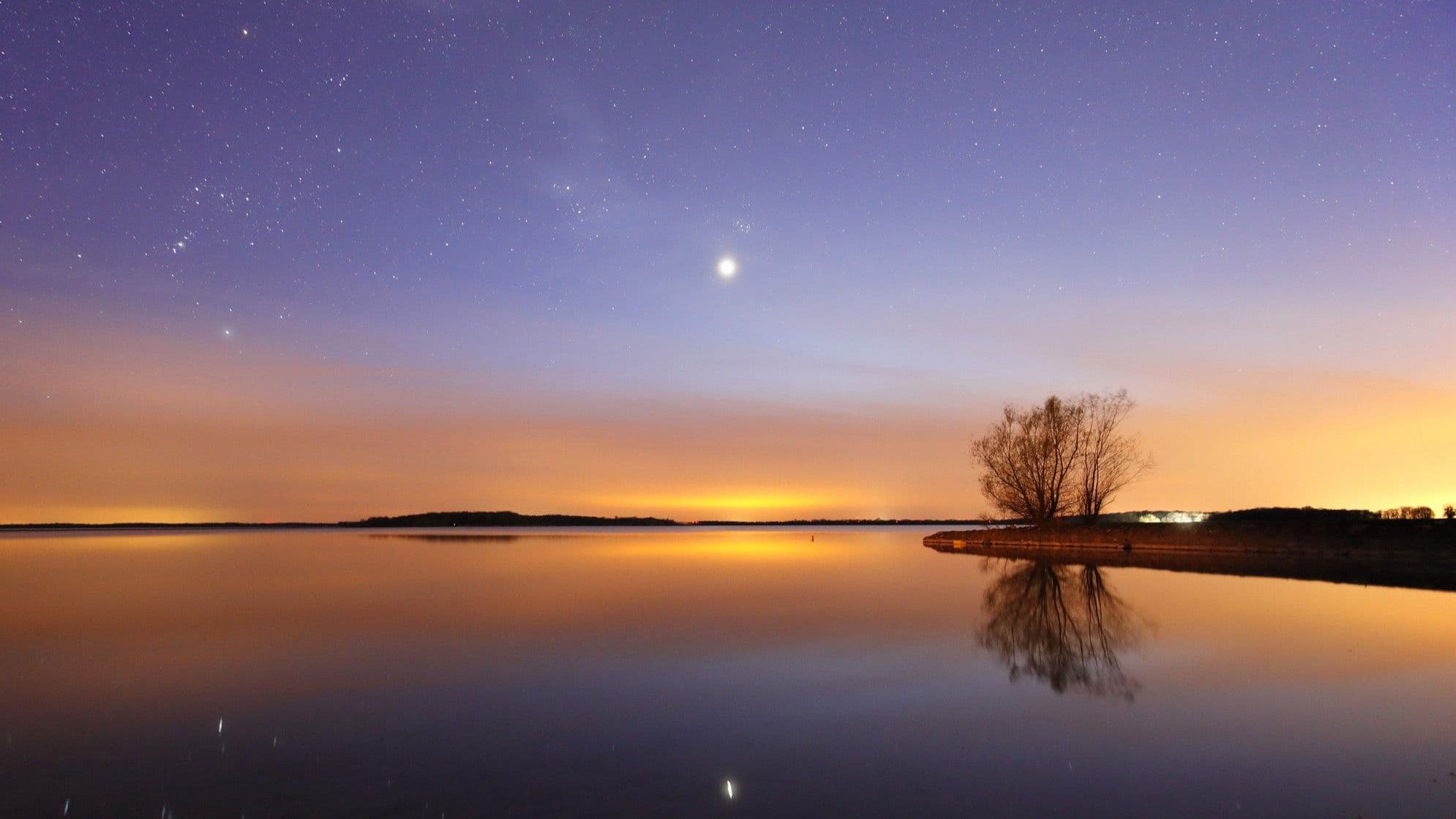
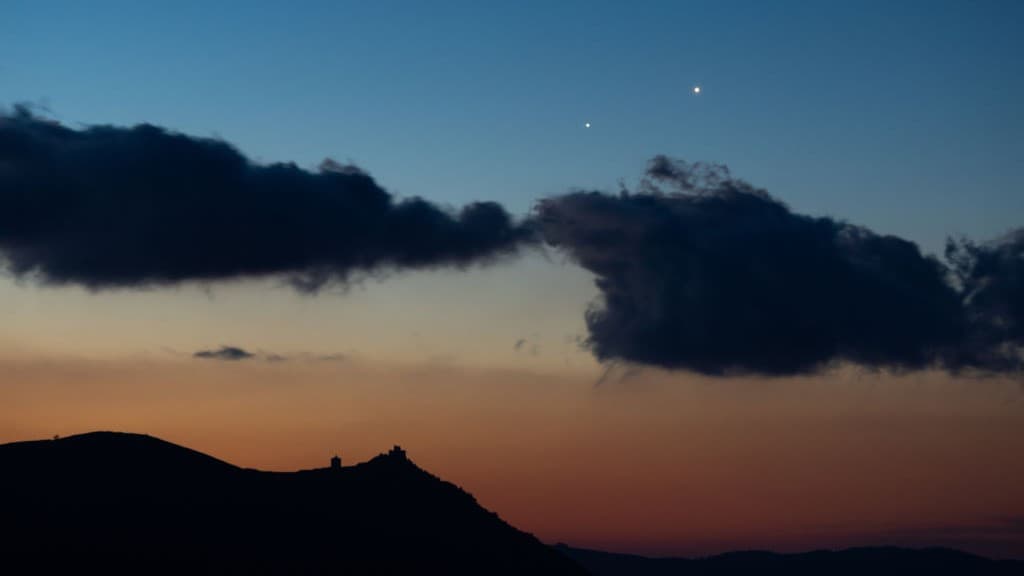
June 2026 delivers what astronomers are calling the "Great Celestial Summit Meeting." A crescent moon, three bright planets, and two bright stars will gather across the west-northwest sky during the first half of the month. The main attraction: Venus and Jupiter approaching each other nightly before reaching a close conjunction on June 9.
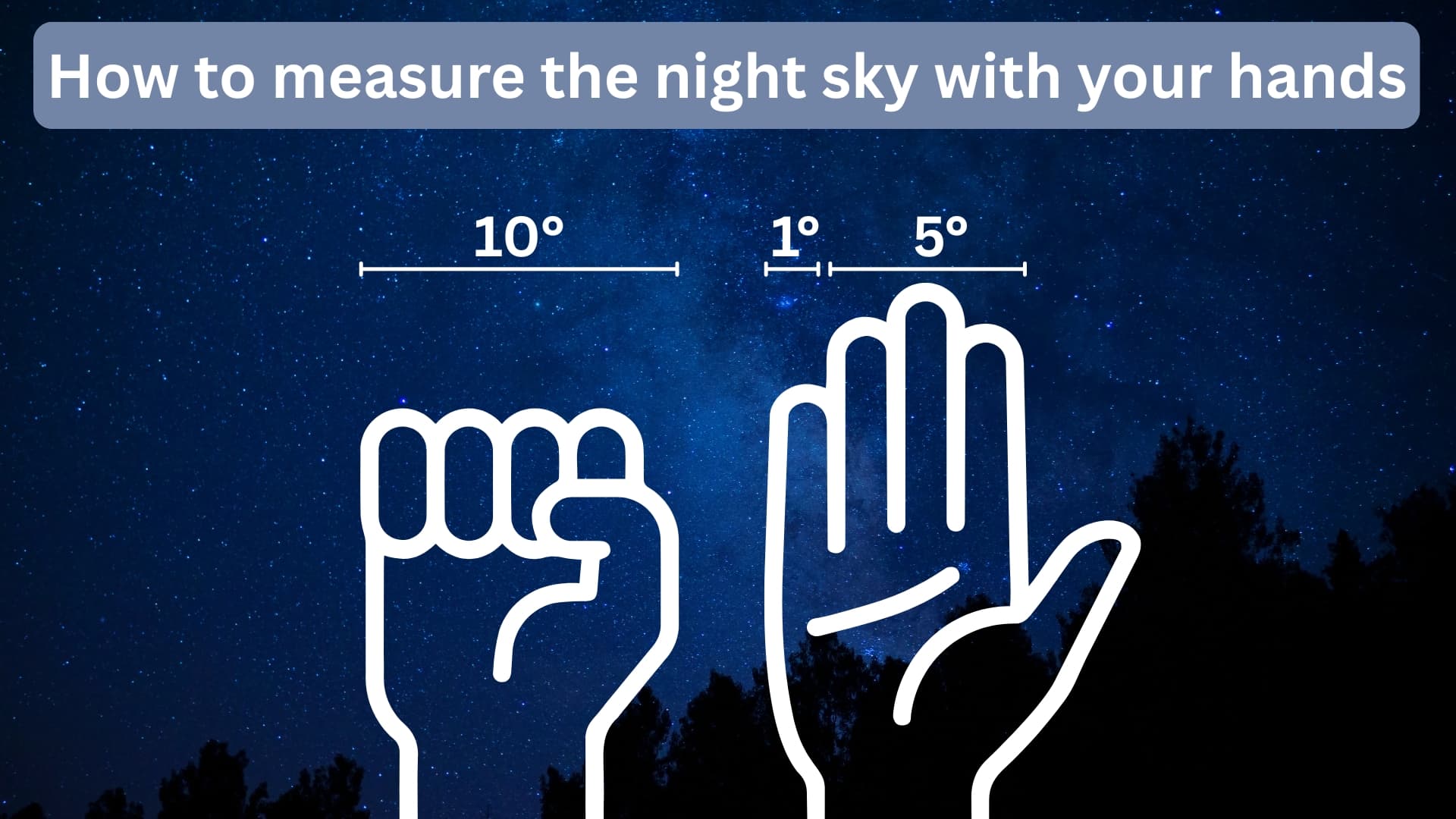
At their closest, the two planets will appear less than two degrees apart. That's close enough to cover both with your thumb held at arm's length. For perspective, your clenched fist at arm's length covers roughly 10 degrees of sky.
“The visual impact of two of the brightest objects in our solar system appearing nearly as one is a rare and striking event for anyone to witness, even without a telescope.”
— Dr. Elena Vance, Planetary Astronomer at the Institute for Space Studies
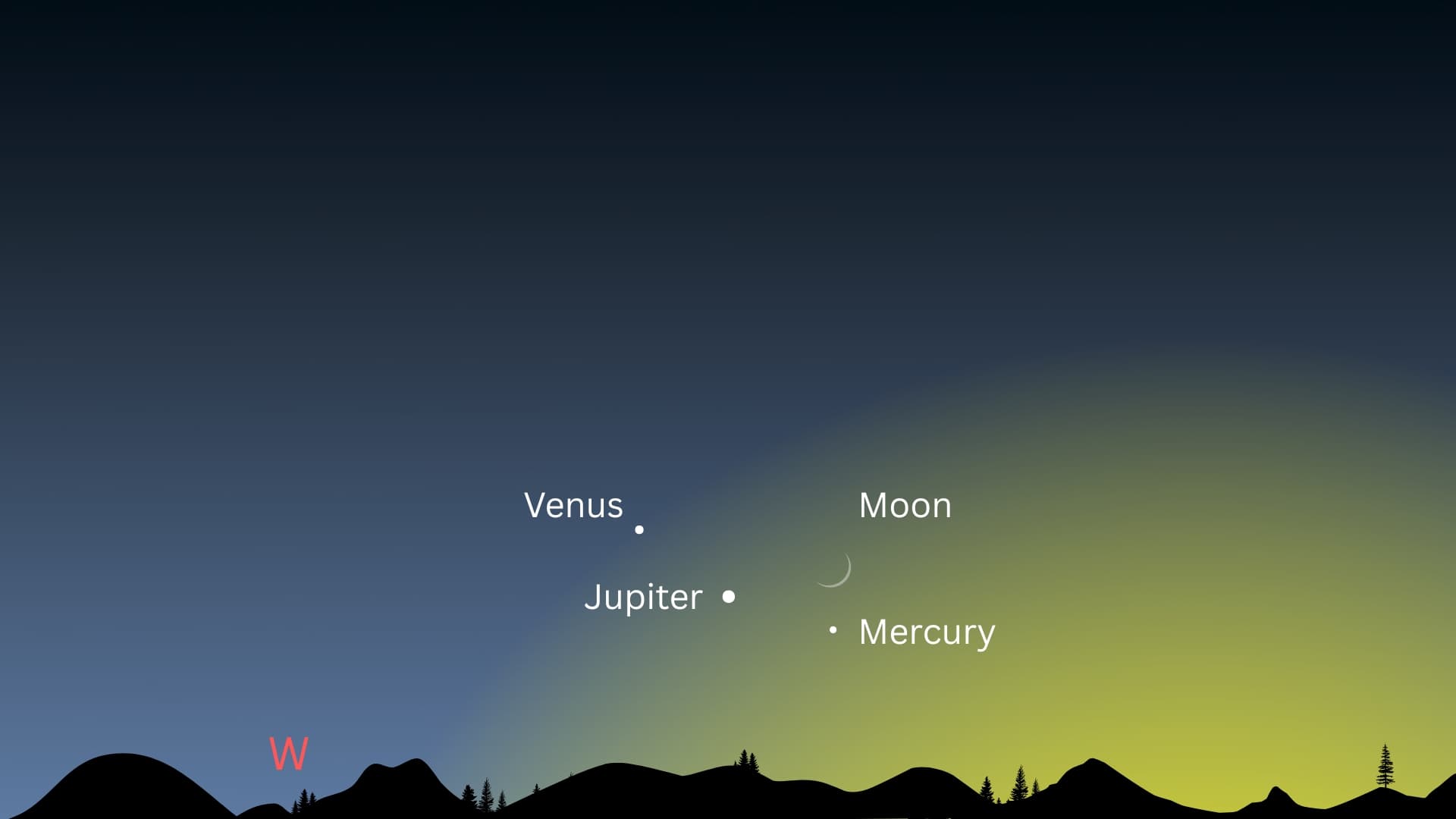
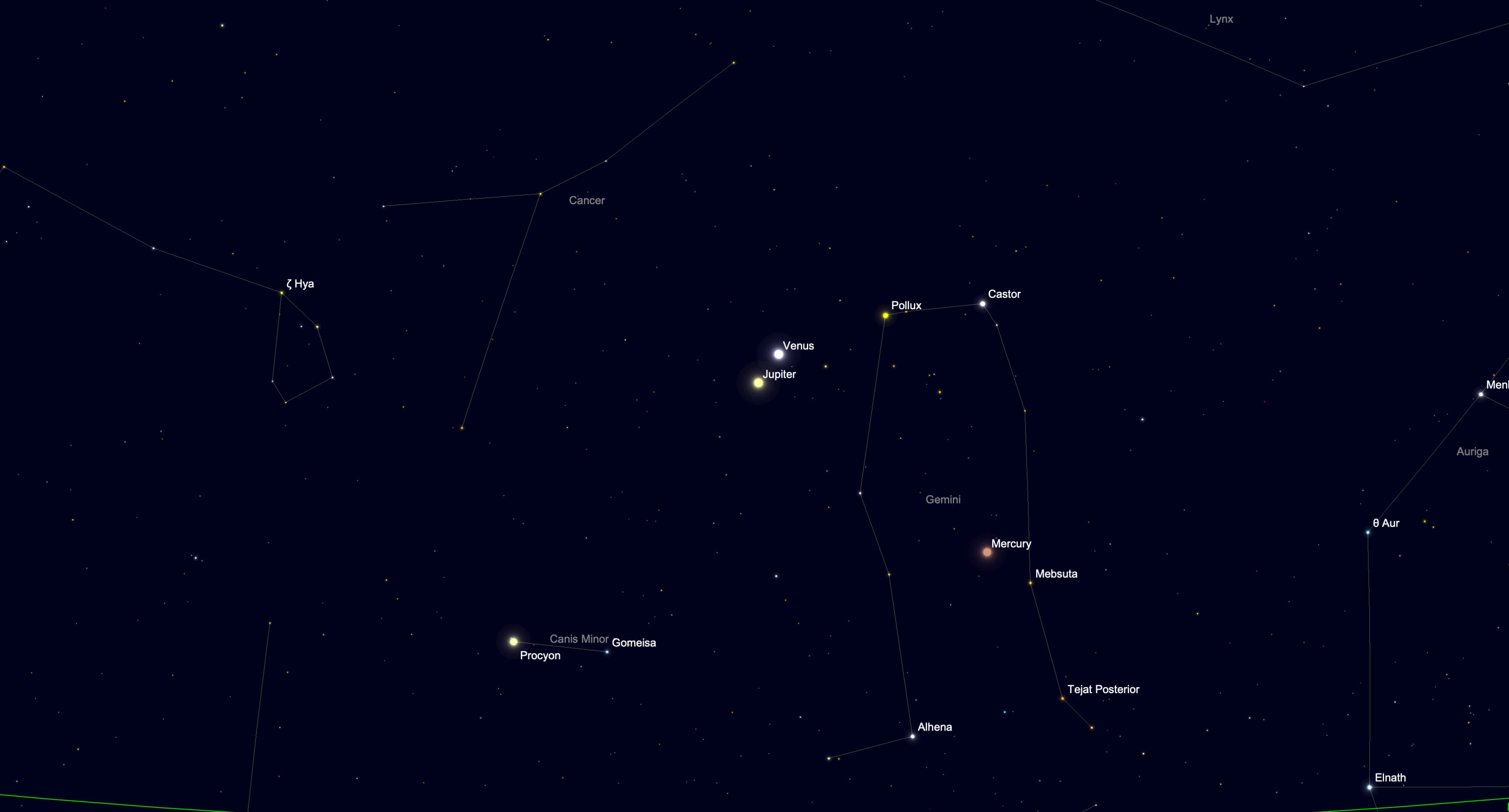
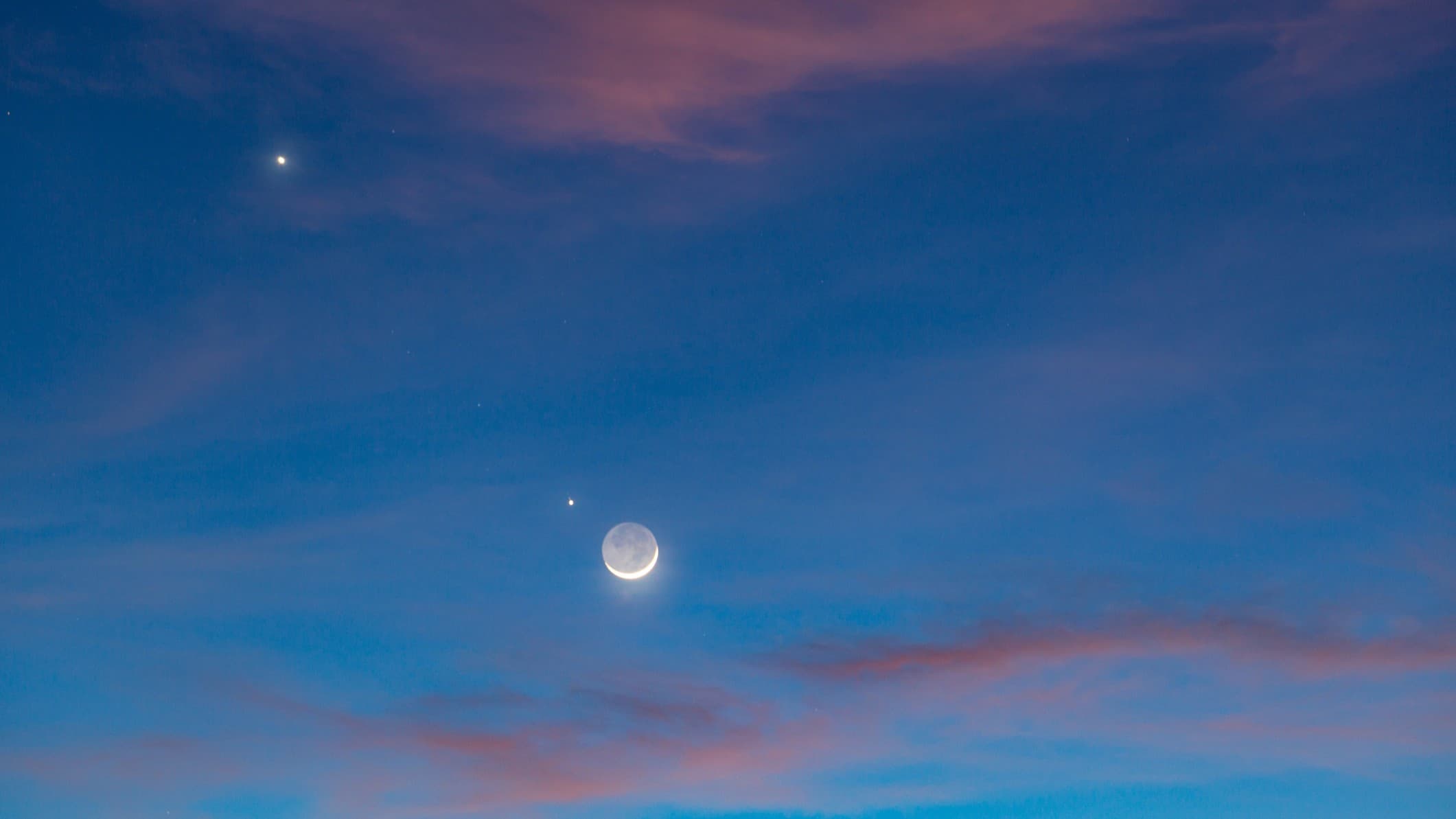
The show continues beyond June 9. On June 15, Mercury positions itself about 7 degrees to the lower right of Jupiter. For the next few evenings, observers get a "planet trifecta" with Venus, Jupiter, and Mercury aligned diagonally from upper left to lower right. On June 16 and 17, the crescent moon slides through the scene, completing the celestial summit.
When and Where to Look
Timing matters. These planets sit near the sun from our perspective on Earth, so the viewing window is short. Plan to start observing about 30 minutes after sunset, looking toward the west-northwest horizon. You'll have maybe an hour before the planets dip too low.
Mercury makes its highest vault into twilight for mid-northern observers this year during the first three weeks of June. From latitude 40 degrees north, it sits about 18 degrees above the horizon at sunset and roughly 12 degrees up once the sky darkens enough to spot it. That's unusually high for this typically shy planet.
- June 9: Venus and Jupiter at closest approach, less than 2 degrees apart
- June 15: Mercury appears 7 degrees to the lower right of Jupiter
- June 16-17: Crescent moon joins Venus, Jupiter, and Mercury
- June 21: Summer solstice at 4:25 a.m. EDT
The stars Pollux and Castor add to the display, creating a line of celestial objects stretching across the evening sky. No telescope needed for any of this. Your eyes are enough.
Early Morning Planets: Saturn and Mars
The pre-dawn sky offers its own rewards. Saturn rises well after midnight most of June but sits well-placed in the southeast by dawn. If you have a telescope magnifying 30x or more, point it at Saturn. The ring system looks dramatically better than a year ago, when the rings appeared nearly edge-on from Earth's viewpoint.
Mars is emerging from its extended hide-and-seek behind bright twilight. After nearly a year of being hard to spot, the red planet now appears low in the east-southeast a couple of hours before sunrise. It shines at first magnitude and will slowly brighten through the second half of 2026, though don't expect dramatic improvement until later in the year.
Summer Solstice Marks the Astronomical Calendar
The sun reaches its northernmost point above the celestial equator at 4:25 a.m. EDT on June 21. This solstice officially begins summer in the Northern Hemisphere and winter in the Southern Hemisphere. It's the longest day of the year for those north of the equator, meaning more evening time to catch the planetary show before it fades.
Tips for Viewing the Conjunction
Online stargazing communities are already sharing location-specific horizon maps. The key challenge: finding a spot with a clear view to the west-northwest and minimal light pollution. Urban observers can still see Venus and Jupiter, the two brightest planets, but Mercury requires darker skies.
- Find a location with an unobstructed western horizon
- Arrive about 20 minutes after sunset to let your eyes adjust
- Look west-northwest, about 15-20 degrees above the horizon
- Venus will be the brightest object; Jupiter slightly dimmer nearby
- Use binoculars to spot Mercury lower and to the right after June 15
Many observers on Reddit's r/astronomy forum are calling the Venus-Jupiter pairing a "double star" effect. The two planets will appear so close together that casual observers might mistake them for a single bright object.

Logicity's Take
Frequently Asked Questions
Can I see the Venus-Jupiter conjunction without a telescope?
Yes. Both planets are easily visible to the naked eye. Venus is the brightest planet in our sky, and Jupiter is the second brightest. No equipment needed.
What time should I look for the planets in June 2026?
Start observing about 30 minutes after sunset. The planets will be visible for roughly an hour before they sink too low on the western horizon.
How close will Venus and Jupiter appear on June 9?
Less than two degrees apart. You could cover both planets with your thumb held at arm's length.
Where in the sky should I look for the planetary alignment?
Face west-northwest and look about 15-20 degrees above the horizon. Venus will be the brightest object, with Jupiter slightly dimmer nearby.
When is the summer solstice in 2026?
June 21 at 4:25 a.m. EDT, marking the longest day of the year in the Northern Hemisphere.
More celestial events from recent months
Need Help Implementing This?
Source: Latest from Space.com
Huma Shazia
Senior AI & Tech Writer
Produced with AI assistance and reviewed by the Logicity editorial team. Learn more in our Editorial Policy.