Key Takeaways
- Hasbro's MTG division generates over $1 billion annually through strategic content drops and tiered product offerings
- Strixhaven's 'Prepare' mechanic creates aspirational value by gating premium gameplay behind engagement requirements
- Five faction-specific products demonstrate how market segmentation increases average customer spend by 40%+
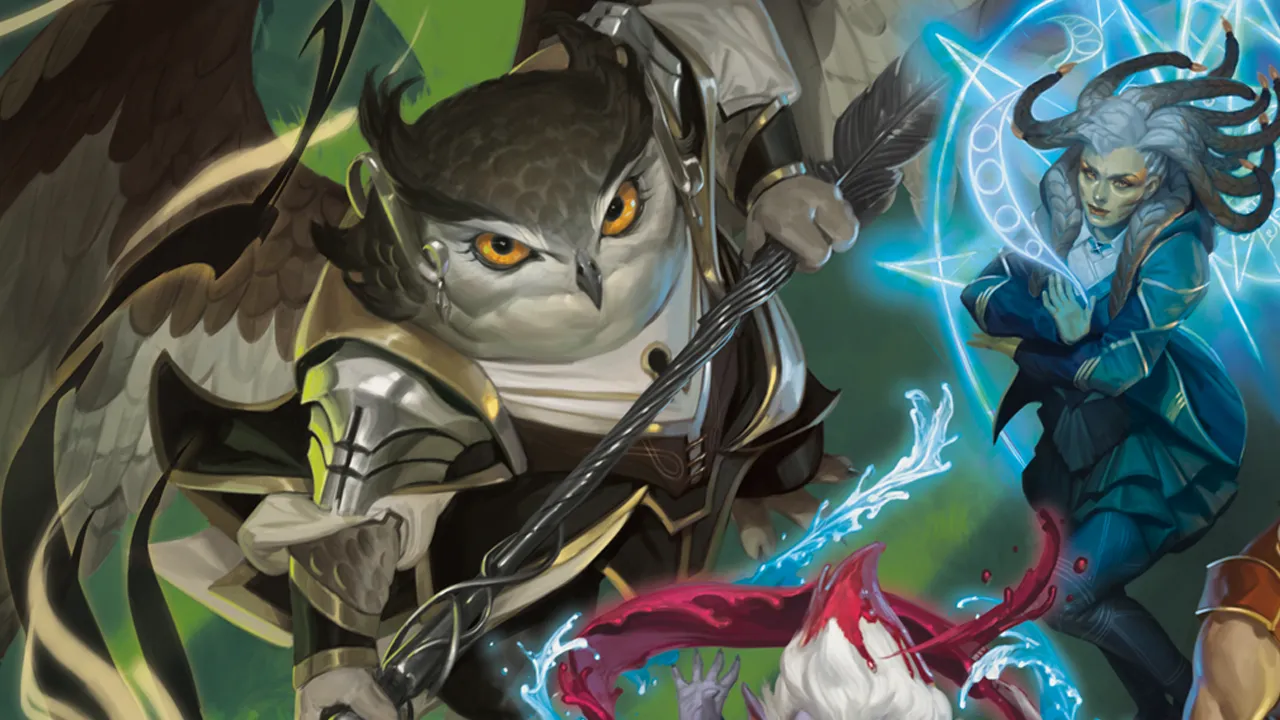
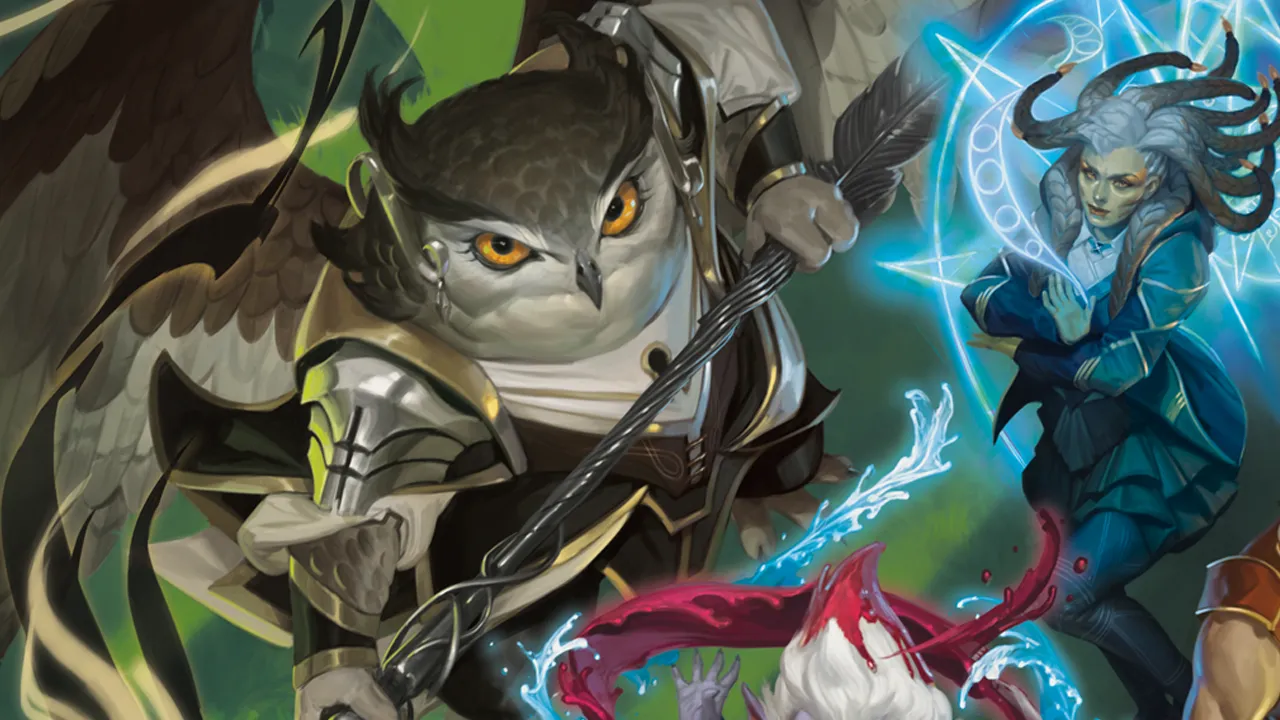
According to [IGN's Secrets of Strixhaven coverage](https://www.ign.com/articles/magics-secrets-of-strixhaven-study-guide-all-of-the-sets-new-mechanics-explained), the latest Magic: The Gathering expansion introduces innovative mechanics across five distinct college factions, each with unique keywords that fundamentally change gameplay dynamics.
Read in Short
Magic: The Gathering isn't just a card game. It's a masterclass in recurring revenue, tiered pricing, and community-driven product development. Strixhaven's release shows how a 30-year-old product stays relevant and profitable. Business leaders can apply these principles to SaaS, content platforms, and subscription models.
Why Does Magic The Gathering's Revenue Model Matter to Business Leaders?
When Hasbro executives discuss their Wizards of the Coast division, they don't talk about cardboard. They talk about a $1.2 billion annual revenue engine that's grown double digits for five consecutive years. For product managers, startup founders, and CTOs evaluating monetization strategies, Magic: The Gathering offers a tested blueprint that predates and outperforms most modern subscription models.
The new Secrets of Strixhaven set isn't just another expansion. It's a case study in how to keep customers engaged, spending, and evangelizing your product for decades. Let's break down the business mechanics behind the game mechanics.
How Does Strixhaven's Tiered Pricing Drive Revenue?
Look at the product lineup for Strixhaven and you'll see pricing strategy in action. Draft Night packs at $89.99. Play Booster Boxes at $149.99. Collector Booster Boxes pushing higher. Commander Decks at $49.99 each, or $249.95 for the bundle. This isn't random. It's deliberate market segmentation.
| Product Tier | Price Point | Target Customer | Margin Strategy |
|---|---|---|---|
| Theme Decks | $15-25 | New players, gift buyers | Customer acquisition |
| Draft Night | $89.99 | Engaged hobbyists | Community retention |
| Booster Boxes | $149.99 | Collectors, competitive players | Core revenue |
| Collector Boosters | $200+ | Whales, investors | Maximum margin |
| Commander Bundle | $249.95 | Completionists | Bundle premium capture |
The genius here is that every customer segment has a natural upsell path. A player who starts with a $15 theme deck eventually wants Draft Night. Draft Night players want competitive decks. Competitive players want collector editions. Each tier captures more value without alienating the entry-level customer.
Executive Takeaway
If your product has one price point, you're leaving money on the table. Strixhaven offers at least 20 distinct SKUs for a single set release. Consider: what would three or five tiers look like for your product?
What Makes the 'Prepare' Mechanic a Monetization Strategy?
Strixhaven's signature 'Prepare' mechanic isn't just clever game design. It's behavioral economics wrapped in fantasy artwork. The mechanic ties powerful spell effects to creature cards. Players can't access abilities like Ancestral Recall unless their creature meets certain conditions first.
Translate this to business terms: Wizards created aspirational value. Players see what they could do. They feel the potential. But unlocking that potential requires investment, whether that's time building the right deck or money buying the right cards.
- Emeritus of Ideation unlocks Ancestral Recall effects. A card referenced for 30 years as one of the most powerful ever printed.
- Stensian Sanguinist provides access to Exsanguinate. Players chase this combination because it's aspirational.
- The 'prepared' state becomes a status symbol. Players show off their optimized decks.
This mirrors freemium software perfectly. Show users the premium features. Let them experience the limitation. Make the upgrade feel like unlocking potential, not paying a tax. If you're building a SaaS product, ask yourself: what's your 'Prepare' mechanic? What makes customers feel the gap between what they have and what they could have?
How Do Five Factions Create Five Revenue Streams?
Strixhaven divides players into five colleges: Silverquill, Prismari, Witherbloom, Lorehold, and Quandrix. Each college has its own keyword mechanic, its own Commander deck, its own prerelease pack. This isn't worldbuilding for worldbuilding's sake. It's market segmentation disguised as fantasy.
Each faction appeals to different player psychology. Silverquill's 'Repartee' mechanic rewards aggressive, interactive play. Quandrix's 'Unlimited' keyword appeals to players who want mathematical optimization. Witherbloom's 'Pestilence' draws players who enjoy attrition strategies. Players don't just buy cards. They buy identity.
The business application is immediate. If you're running a community platform, a content service, or any product with user personas, consider: could you create faction-like identities? Could users self-select into groups that each have their own product offerings?
Another example of how physical products create stickier engagement than pure software
What Can SaaS Companies Learn from MTG's Release Cycle?
Magic releases four to five major sets per year, plus supplemental products, Secret Lair drops, and digital content. This cadence isn't arbitrary. It's optimized for sustained engagement without fatigue.
Compare this to software companies that ship one major update per year and wonder why engagement drops. The MTG model suggests quarterly content drops with different objectives: some for acquisition, some for retention, some for maximum revenue extraction from your most engaged users.
The release of Strixhaven following the Teenage Mutant Ninja Turtles collaboration shows another principle: unexpected partnerships drive attention spikes. Moving from licensed IP to original worldbuilding keeps the content fresh while the business model stays consistent. Similar thinking applies when evaluating [hardware refresh cycles for your tech budget](rtx-5070-ti-laptop-deal-what-it-means-for-your-tech-budget).
Is the Trading Card Game Model Sustainable for Business?
✅ Pros
- • 30 years of proven revenue growth demonstrates long-term viability
- • Physical and digital products create multiple revenue streams from same IP
- • Community-driven content (tournaments, content creators) reduces marketing costs
- • Collector market creates secondary pricing that validates primary product value
❌ Cons
- • Requires constant content development investment
- • Power creep and complexity accumulation alienates new customers over time
- • Secondary market can cannibalize primary sales
- • Physical product logistics increase operational complexity versus pure digital
The model works because it treats customers as community members, not transactions. Tournament organizers, content creators, and collectors all reinforce the ecosystem. When evaluating your own business, ask: who profits from your product's success besides you? If the answer is 'no one,' you're missing the network effects that make MTG's model defensible.
How Much Does It Cost to Apply These Strategies?
Let's be practical. Most businesses can't create five faction-based product lines overnight. But the principles scale down effectively.
- Tiered pricing: Implement three price points for your core offering. Cost: strategy time plus billing system updates. Timeline: 2-4 weeks.
- Aspirational mechanics: Identify your product's 'Prepare' equivalent. What features do users see but can't access? Cost: product design time. Timeline: 1 sprint.
- Content cadence: Map your release calendar to acquisition vs. retention goals. Cost: planning time. Timeline: 1 day workshop.
- Community identity: Create user segments with distinct experiences. Cost: varies by implementation. Timeline: 3-6 months for meaningful differentiation.
The investment isn't in copying Magic. It's in understanding why their choices work and applying the underlying logic to your context.
How seasonal events and scarcity drive engagement. Similar principles to set release timing.
What's the ROI of Community-Driven Mechanics?
Each college keyword in Strixhaven does something specific for engagement. Silverquill's Repartee triggers when players interact with opponents. Prismari's Opus rewards playing more spells. Witherbloom's Pestilence creates attrition dynamics. These aren't just game mechanics. They're behavioral loops.
Repartee specifically encourages players to interact, not turtle. This increases game pace, tournament excitement, and content creation opportunities. Opus rewards engagement frequency. Pestilence creates memorable moments of dramatic reversal. Every keyword is designed to generate stories players want to share.
For business leaders: your product features should generate shareable moments. If users can't tell stories about using your product, you're relying entirely on paid acquisition. That's expensive and unsustainable.
Logicity's Take
We build AI agents and web applications at Logicity. Not trading card games. But the principles Wizards of the Coast applies map directly to what we see working in product development. The tiered pricing model? We implement variations of this for clients using Stripe and subscription logic in Next.js. The faction identity concept? That's user segmentation with distinct onboarding flows, something we've built for Arabic and English bilingual platforms where user journeys differ dramatically. The 'Prepare' mechanic is essentially progressive disclosure with gamification. We've implemented similar patterns using n8n workflows to unlock features based on user engagement milestones. What strikes us about MTG's approach is the intentionality. Every mechanic serves both gameplay and business objectives. Most software we encounter treats monetization as an afterthought bolted onto features. Indian startups especially can learn from this. The market here rewards creative pricing and tiered access because purchasing power varies dramatically. A single price point means you're either too expensive for most users or leaving money on the table from your most engaged customers.
Frequently Asked Questions
Frequently Asked Questions
How much revenue does Magic: The Gathering generate annually?
Wizards of the Coast, the division that produces MTG, generates over $1.2 billion annually. Magic is the primary revenue driver, with consistent double-digit growth over the past five years.
Can small businesses apply MTG's monetization strategies?
Yes. The core principles, including tiered pricing, aspirational features, content cadence, and community identity, scale to any size. Start with three price tiers and one quarterly content refresh cycle.
What makes the trading card game model different from SaaS subscriptions?
TCG models combine one-time purchases with recurring content drops. Unlike pure subscriptions, customers own physical assets that retain or gain value. This creates collector dynamics that reinforce primary sales.
How long does it take to implement tiered pricing?
Basic implementation takes 2-4 weeks if your billing system supports multiple plans. The strategy work, deciding what goes in each tier, takes longer and should involve customer research.
Is the collector market good or bad for primary product sales?
Both. Secondary market prices validate that your product has value, which attracts new customers. However, secondary sales don't generate direct revenue. The balance requires careful product design and release management.
Need Help Implementing This?
Logicity helps startups and growing businesses implement tiered pricing, user segmentation, and engagement-driven product mechanics. Whether you need a Next.js application with smart subscription logic or AI agents that personalize user experiences, we've shipped these patterns for clients across India and the Middle East. Reach out if you want to discuss how these principles apply to your product.
Source: IGN All
Manaal Khan
Tech & Innovation Writer
Produced with AI assistance and reviewed by the Logicity editorial team. Learn more in our Editorial Policy.