Key Takeaways
- Dormant IP represents untapped revenue that competitors or fans may capture first
- Fan remakes signal market demand that data analytics often miss
- Community-driven development can validate product revival at zero cost
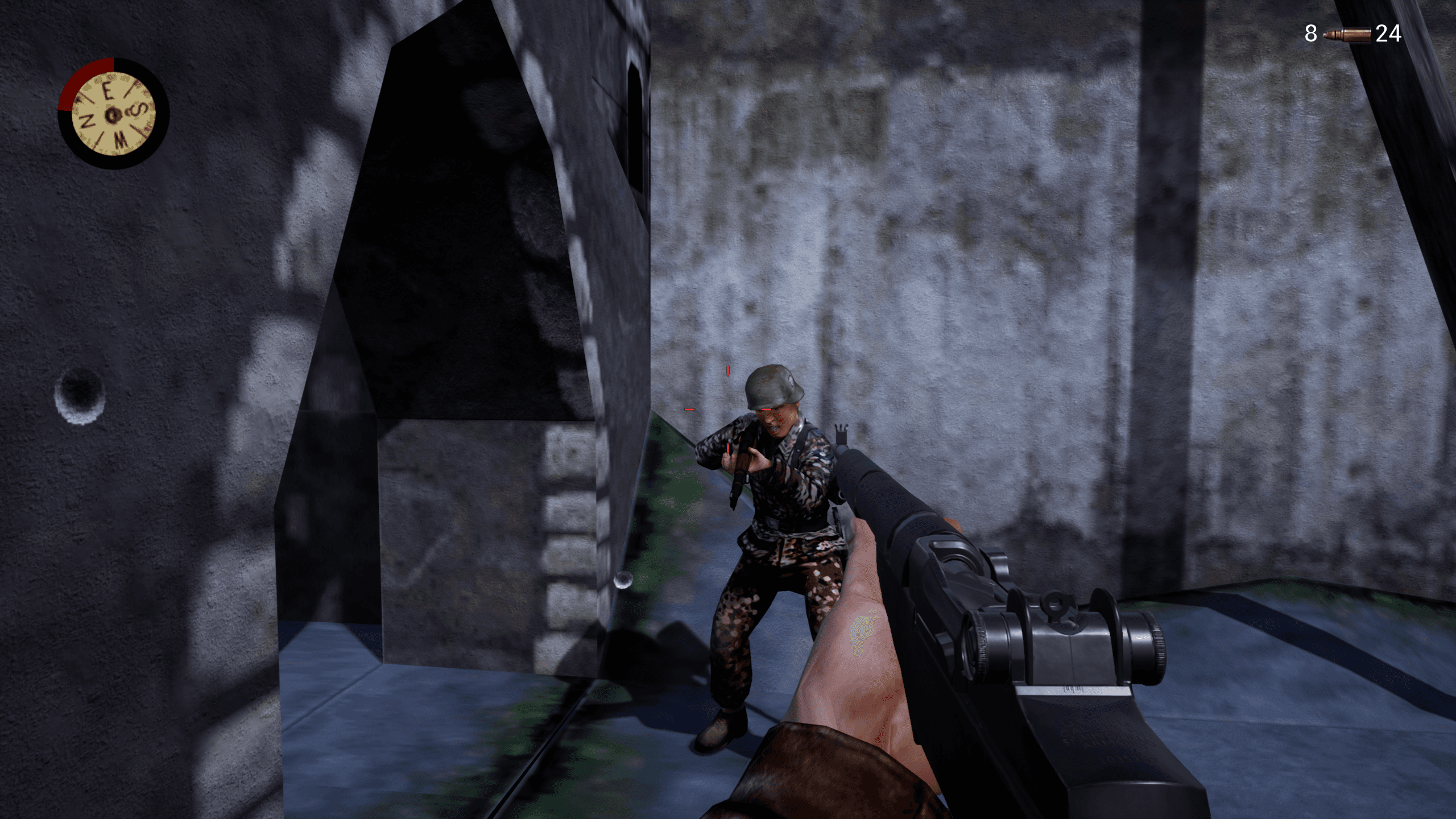
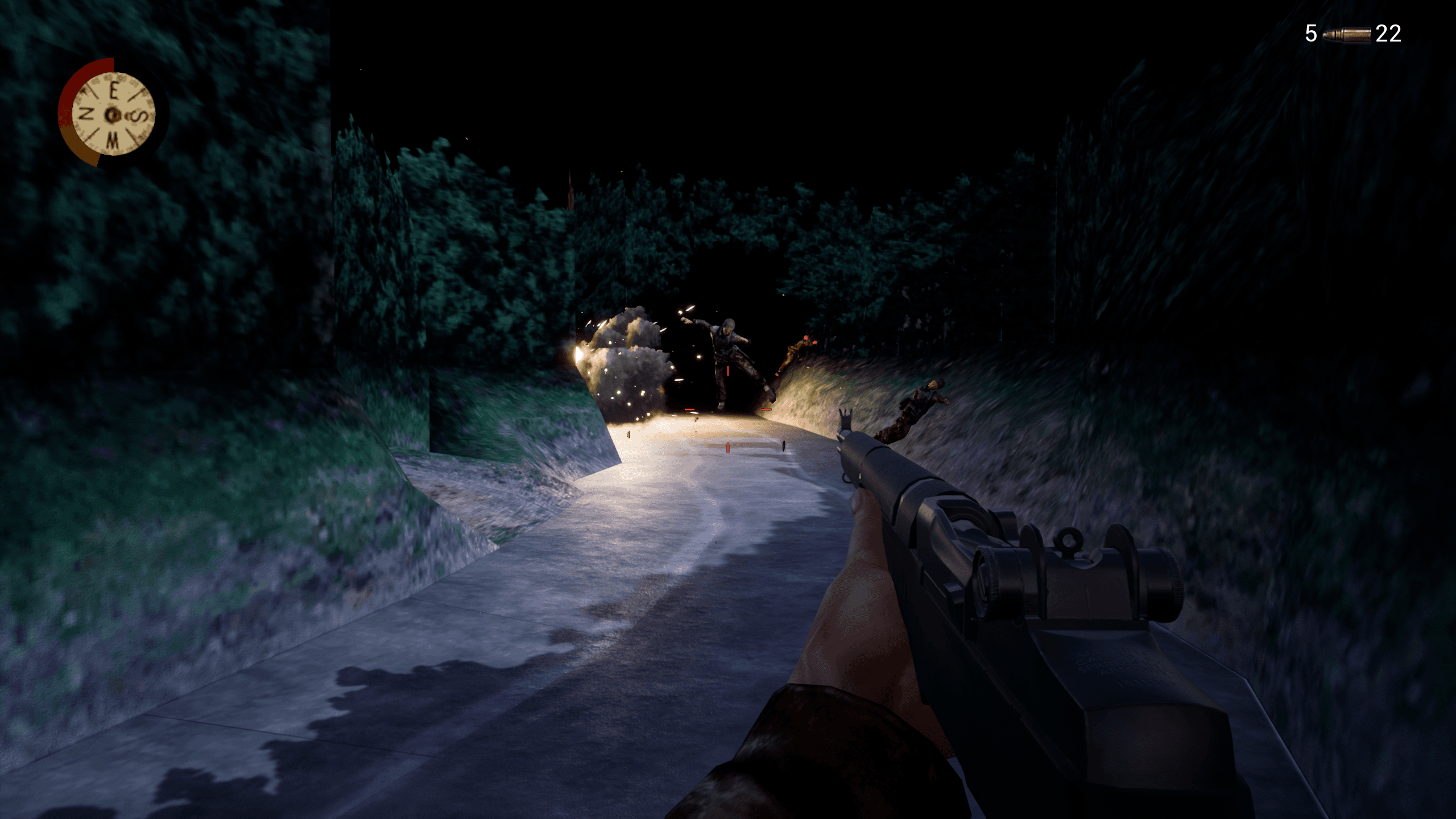
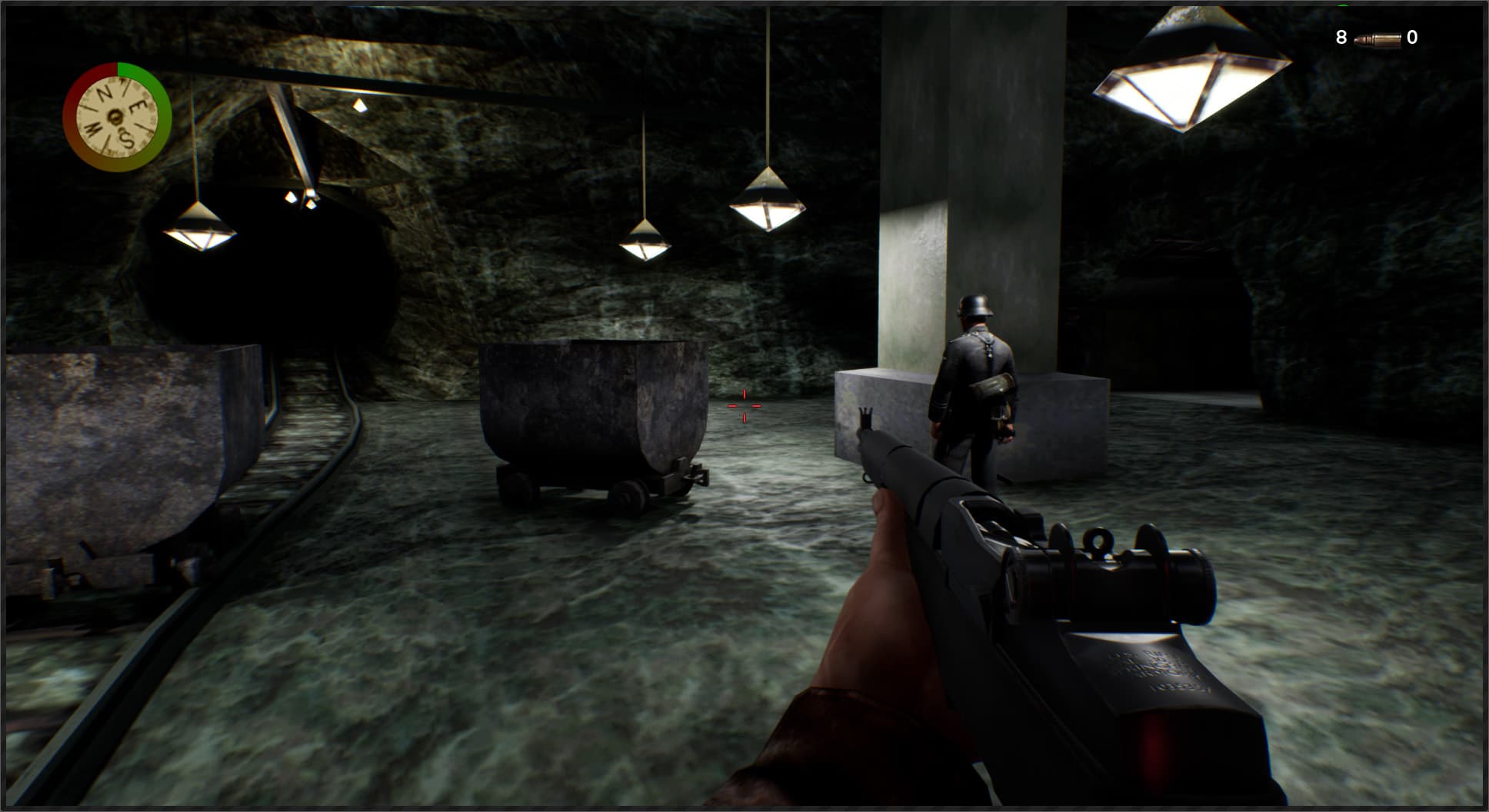
According to [PC Gamer](https://www.pcgamer.com/games/fps/heres-that-free-fan-remake-of-1999s-playstation-exclusive-medal-of-honor-you-were-looking-for/), developer Elber88 has released a free ground-up rebuild of EA's 1999 Medal of Honor, bringing the PlayStation-exclusive title to PC for the first time using a current-gen engine. While gaming enthusiasts celebrate the nostalgia, this story holds strategic lessons for any business leader sitting on dormant intellectual property.
Why Should CEOs Care About Fan Remakes?
When a solo developer invests months rebuilding your abandoned product and releases it for free, that's not just a gaming story. It's a market signal that your finance team's depreciation schedule completely missed.
Medal of Honor predates Call of Duty. It predates Halo's console dominance by two years. EA built the modern military shooter category, then abandoned it. Now a fan is doing the work EA's product team should have considered years ago.
This pattern repeats across industries. Pharmaceutical companies sit on drug patents they never developed. Consumer goods companies own brand names collecting dust. Software firms maintain codebases nobody touches. Every dormant asset represents opportunity cost that rarely appears on quarterly reports.
What Dormant IP Costs Your Business
The real cost of dormant intellectual property isn't the maintenance fees or legal renewals. It's the market positioning you're handing to competitors and community developers who move faster than your product roadmap.
| IP Strategy | Cost | Risk | Potential Return |
|---|---|---|---|
| Active Development | High ($2M-50M) | Controlled | Predictable revenue stream |
| Licensed Revival | Low ($100K-500K) | Moderate | Royalty income + brand extension |
| Fan-Driven (Ignored) | $0 | High | Zero revenue, brand erosion risk |
| Strategic Sale | Negative (asset sale) | Low | One-time capital injection |
EA chose option three with Medal of Honor. They didn't license it. They didn't sell it. They didn't develop it. They watched someone else do it for free. Whether that's smart IP management or negligence depends entirely on their strategic intent.
The Business Case for Community Development
Here's where the Medal of Honor remake gets interesting for business strategists. Elber88 wrote on the game's itch.io page that he decided to 'restore' the game after decades of waiting. All game logic was rebuilt from scratch. This represents hundreds of development hours provided at zero cost to EA.
Some companies have figured out how to channel this energy. id Software released the Doom source code in 1997, spawning decades of community development that kept the franchise relevant until the 2016 reboot. Microsoft acquired Minecraft partly because of its modding community. Valve built Steam Workshop specifically to monetize community content.
The difference between a legal threat and a strategic partnership often comes down to whether your legal team or your product team sees the opportunity first.
Another example of community-driven technology creating enterprise value
How to Audit Your Dormant Assets
The Medal of Honor situation raises a question every business leader should ask: what's sitting in our portfolio that we've forgotten about? Here's a framework for evaluating dormant intellectual property.
- Inventory: List every trademark, patent, product line, and codebase your company owns but hasn't actively developed in 3+ years
- Community Signal Check: Search Reddit, GitHub, and industry forums for mentions of your dormant products. Fan activity indicates latent demand.
- Competitor Analysis: Has anyone launched similar products in categories you abandoned? Market activity suggests viable opportunity.
- Revival Cost Estimate: Get rough development costs to bring each dormant asset to current standards
- Strategic Options: For each asset, evaluate development, licensing, sale, or strategic donation
Most companies skip step two entirely. They rely on market research firms and customer surveys while ignoring the organic demand signals that fan communities provide for free.
Medal of Honor Fan Remake: What It Reveals About Market Demand
The original Medal of Honor launched before Call of Duty existed. It helped establish the World War 2 shooter category that generated billions in industry revenue. Then EA let it fade while Activision dominated the space.
Elber88's remake captures what PC Gamer describes as the 'specific feel' of Dreamworks Interactive's original games. The early entries lacked the cinematic spectacle of later sequels. They played more like survival horror games, with smaller scale, slower pace, and greater emphasis on tension.
“I am an old fan of an original MOH 1999 and in the end of 2024 decided to 'restore' this game on PC platform with current-gen engine.”
— Elber88, developer of Medal of Honor: Retro Remake
That quote contains everything a product manager needs to know. A dedicated customer waited over two decades for an official PC release that never came. Then they built it themselves. That's not a one-off situation. That's a pattern that repeats whenever companies abandon products that communities still care about.
Legal Risks of Ignoring Fan Development
Fan remakes exist in a legal gray zone that business leaders need to understand. When you own IP but don't enforce it, you face several risks that go beyond trademark dilution.
✅ Pros
- • Free market validation of dormant IP value
- • Community maintains brand awareness at zero cost
- • Potential acquisition target if quality is high
- • Identifies passionate talent for official projects
❌ Cons
- • Loss of control over brand representation
- • Quality issues reflect on original IP
- • Sets precedent that may complicate future licensing
- • Competitors may recruit fan developers
Nintendo famously pursues aggressive legal action against fan projects. That protects their IP but generates significant community backlash. Sega takes a different approach, often hiring fan developers for official projects. Both strategies have merit depending on how actively you plan to use your IP.
Understanding community-supported vs proprietary technology decisions
Strategic Options for Dormant Product Lines
If the Medal of Honor situation has you thinking about your own company's abandoned assets, here's how to evaluate your options.
Decision Framework: What To Do With Dormant IP
License it if you lack development capacity but want ongoing revenue. Sell it if it doesn't fit your strategic direction and someone else values it more. Revive it if market signals suggest demand exceeds development cost. Open-source it if maintenance costs exceed value but community goodwill matters. Doing nothing is also a choice, but make it deliberately.
EA could have licensed Medal of Honor to a mid-tier developer years ago. They could have released source code under controlled conditions. They could have created an official remaster program. Instead, they chose inaction, and now a fan controls the narrative around their franchise's revival.
What This Means for Tech Company Valuations
Investors increasingly scrutinize IP portfolios during due diligence. The Medal of Honor situation illustrates why simple patent counts and trademark registrations miss the full picture.
A complete IP valuation should include active development assets, dormant assets with community demand signals, defensive patents held primarily to block competitors, and truly abandoned IP that should be divested. Most valuations only capture the first category.
Tools for auditing and analyzing your product portfolio data
FAQ: Fan Remakes and IP Strategy
Frequently Asked Questions
Should we send cease-and-desist letters to fan developers?
It depends on your strategic intent. If you plan to actively develop the IP within 18 months, protecting it makes sense. If you've abandoned it, aggressive legal action often generates more negative publicity than the fan project itself. Consider whether hiring the developer or licensing the work might serve you better.
How do we value dormant intellectual property?
Start with replacement cost (what would it cost to develop equivalent IP today), then adjust for market signals (fan activity, competitor products, industry trends). Dormant assets with active fan communities typically deserve 2-3x higher valuations than those with no community engagement.
What's the ROI on reviving abandoned product lines?
Data from gaming industry revivals suggests successful reboots can generate 40-60% margins on development costs due to existing brand awareness. However, failure rates exceed 50%, so selective revival based on strong community demand signals is essential.
How long before dormant IP loses value?
Trademarks require active use within 3-5 years depending on jurisdiction. Brand awareness typically decays 15-20% annually without marketing support. However, nostalgia-driven revival windows often open 15-25 years after original release, as Medal of Honor demonstrates.
Logicity's Take
As an agency that builds AI agents and automation systems, we see parallels to the Medal of Honor situation constantly. Clients come to us with legacy codebases, abandoned internal tools, and dormant product ideas that employees kept asking about for years. The pattern is consistent: someone in the organization knew there was demand, but nobody had the bandwidth to act on it. What Elber88 did for Medal of Honor, we often do for enterprise clients, taking something that sat dormant for years and rebuilding it with modern technology. The difference is we charge for it. The business lesson here isn't really about gaming or IP law. It's about paying attention to the signals your users and employees are already sending you. When someone spends their free time rebuilding something you abandoned, that's market research delivered for free. The question is whether your organization is structured to notice and act on it.
The Bottom Line for Business Leaders
The Medal of Honor fan remake isn't just a gaming story. It's a case study in what happens when companies ignore dormant assets while customers demonstrate ongoing demand. Elber88 saw value that EA's product team either missed or deliberately ignored.
Every company accumulates dormant IP over time. Product lines that didn't scale. Features that got cut. Brands that fell out of fashion. The strategic question isn't whether you have these assets. It's whether you're managing them deliberately or letting external parties define their value.
Run the audit. Check the community signals. Make deliberate choices about development, licensing, sale, or strategic release. The alternative is watching someone else capture value from assets you already own.
Need Help Implementing This?
Logicity helps companies audit their technology assets, identify dormant value, and build modern solutions on legacy foundations. Whether you need AI-powered automation, product revival strategy, or just a technical assessment of what you're sitting on, our Hyderabad-based team can help. Reach out for a consultation.
Source: PCGamer latest
Huma Shazia
Senior AI & Tech Writer
Produced with AI assistance and reviewed by the Logicity editorial team. Learn more in our Editorial Policy.