Key Takeaways
- The Blue Moon on May 30 isn't actually blue. It's the second full moon in a calendar month, which happens roughly every 2.7 years.
- Full moonrise lasts only a few minutes during dusk. Miss the timing, and you'll see a regular white moon instead of the orange spectacle.
- This Blue Moon is also a Micromoon, appearing 10-15% smaller than a Supermoon because the moon is at its farthest point from Earth.
A rare Blue Moon arrives on May 30, and if you get the timing wrong, you'll miss its magic entirely. The orange glow of a rising full moon lasts only a few minutes. Show up late, and you'll see the same white disc you see every other night.
This isn't about the moon turning blue. A Blue Moon is simply the second full moon in a calendar month. Because the lunar cycle runs 29.5 days and most months stretch to 30 or 31, we occasionally squeeze in two full moons. It happens roughly every 2.7 years.
“The 'Blue Moon' isn't about color, but about the calendar's inability to perfectly track the lunar cycle. It's a reminder that our timekeeping is a human construct, while the heavens move to their own rhythm.”
— Dr. Sarah Martinez, Astrophysicist at the Royal Observatory
Why a Full Moonrise Is Different
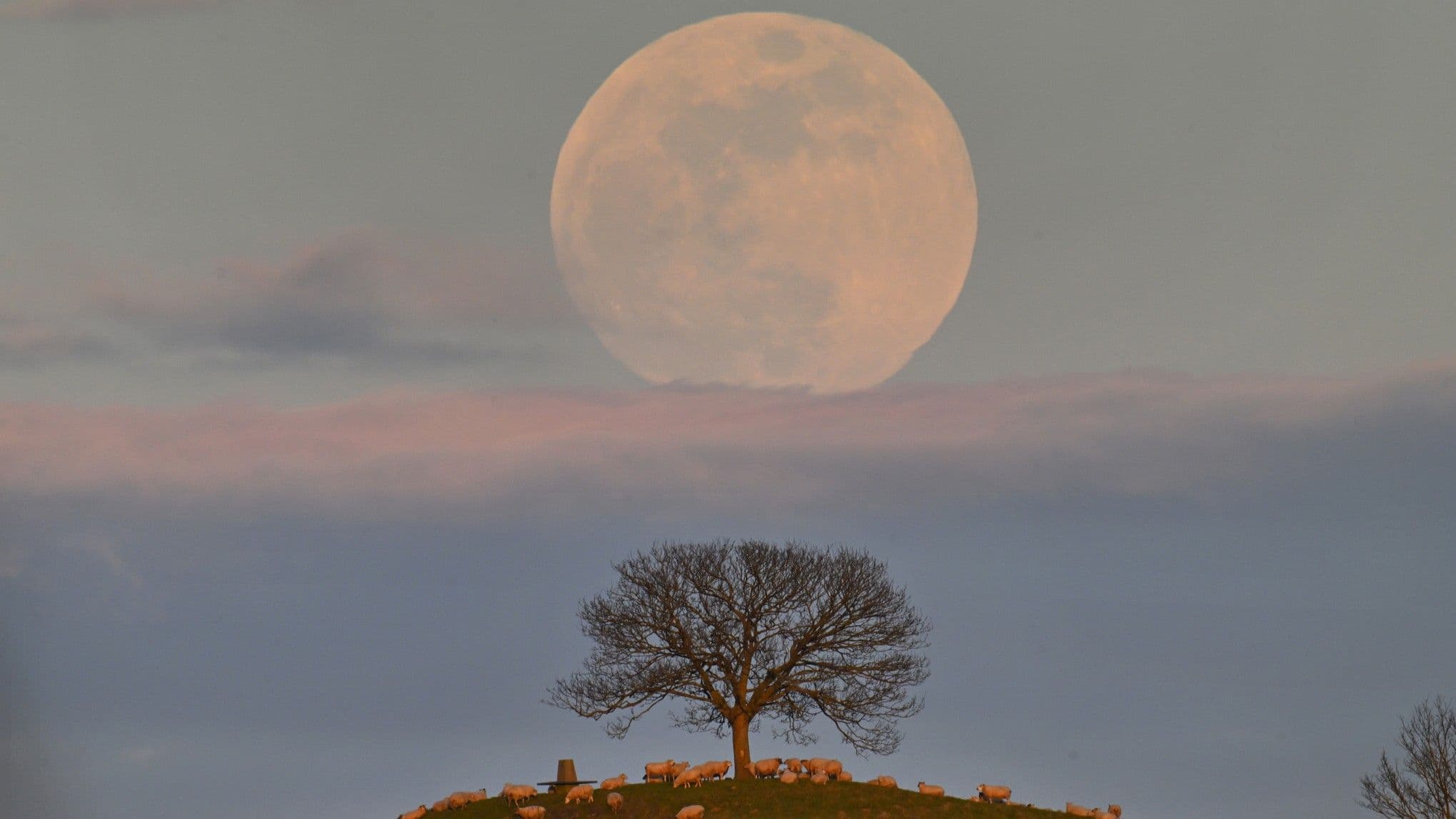
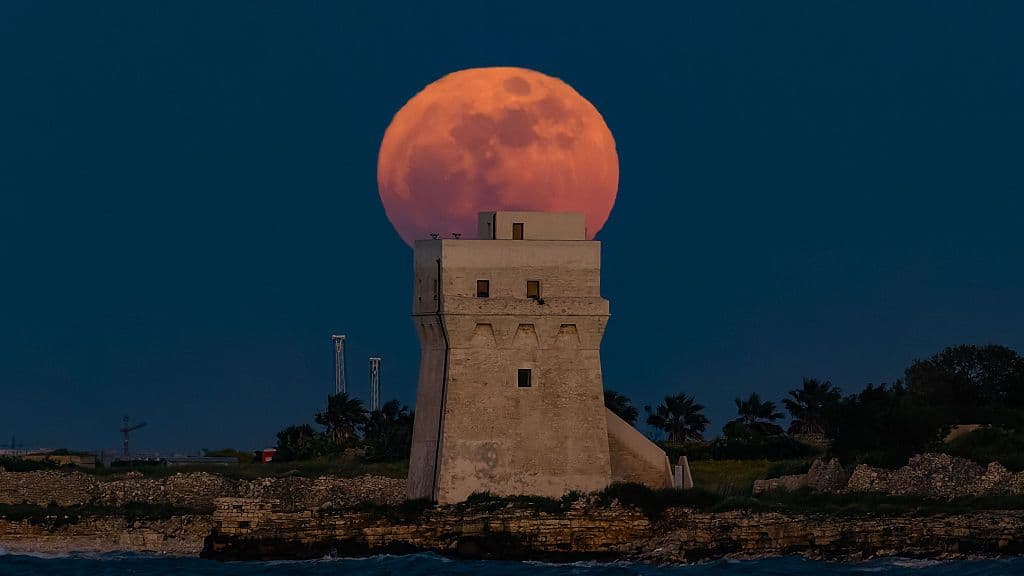
A full moonrise is a brief event, like the sunset it follows. For a few minutes, when the rising full moon appears low on the horizon during dusk, its light filters through thick layers of Earth's atmosphere. That's what gives it the warm orange hue against a bluish sky.
Social media posts about the full moon frequently get the date wrong. They rarely distinguish between the moment the moon reaches 100% illumination (a global time that means nothing for viewing) and when it actually appears above your local horizon.
The difference from sunsets is obvious: you can see a sunset coming. As the sun dips closer to the horizon, you get a timely warning about exactly where to look. Moonrise offers no such clue. You need to know the exact bearing and time beforehand.
This Blue Moon Is Also a Micromoon
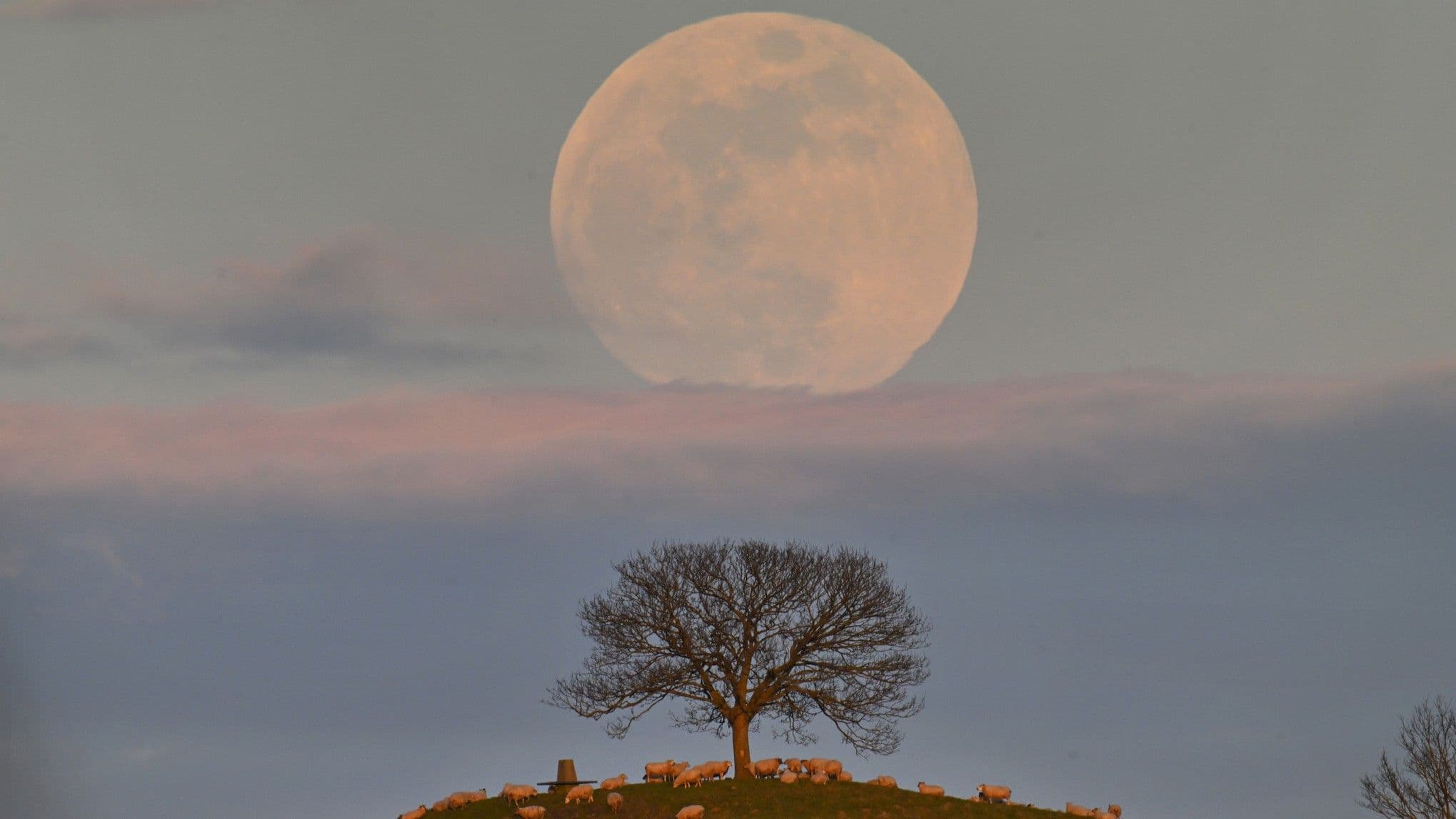
The May 30 event carries an extra quirk. The moon reaches apogee, its farthest point from Earth, making this a Micromoon. It will appear 10-15% smaller than a Supermoon and slightly dimmer.
For photographers, the size difference is subtle but real. The Micromoon pairs interestingly with Antares, the bright red supergiant star, which will appear unusually close in the night sky. Stargazing communities on Reddit are sharing tips on capturing that contrast.
How to Plan the Exact Moment
The frustration of moonrise watching comes from its precision requirements. You've done the planning, arrived early, picked your spot. But there's always a moment of doubt. Low clouds, distant rooftops, and haze can all obscure the first glimpse.
- Check the exact moonrise time for your specific location. General times for your city aren't precise enough.
- Scout the eastern horizon beforehand. Note any obstructions like buildings or hills that will delay your view.
- Arrive 15-20 minutes early. The moon rises quickly once it clears the horizon.
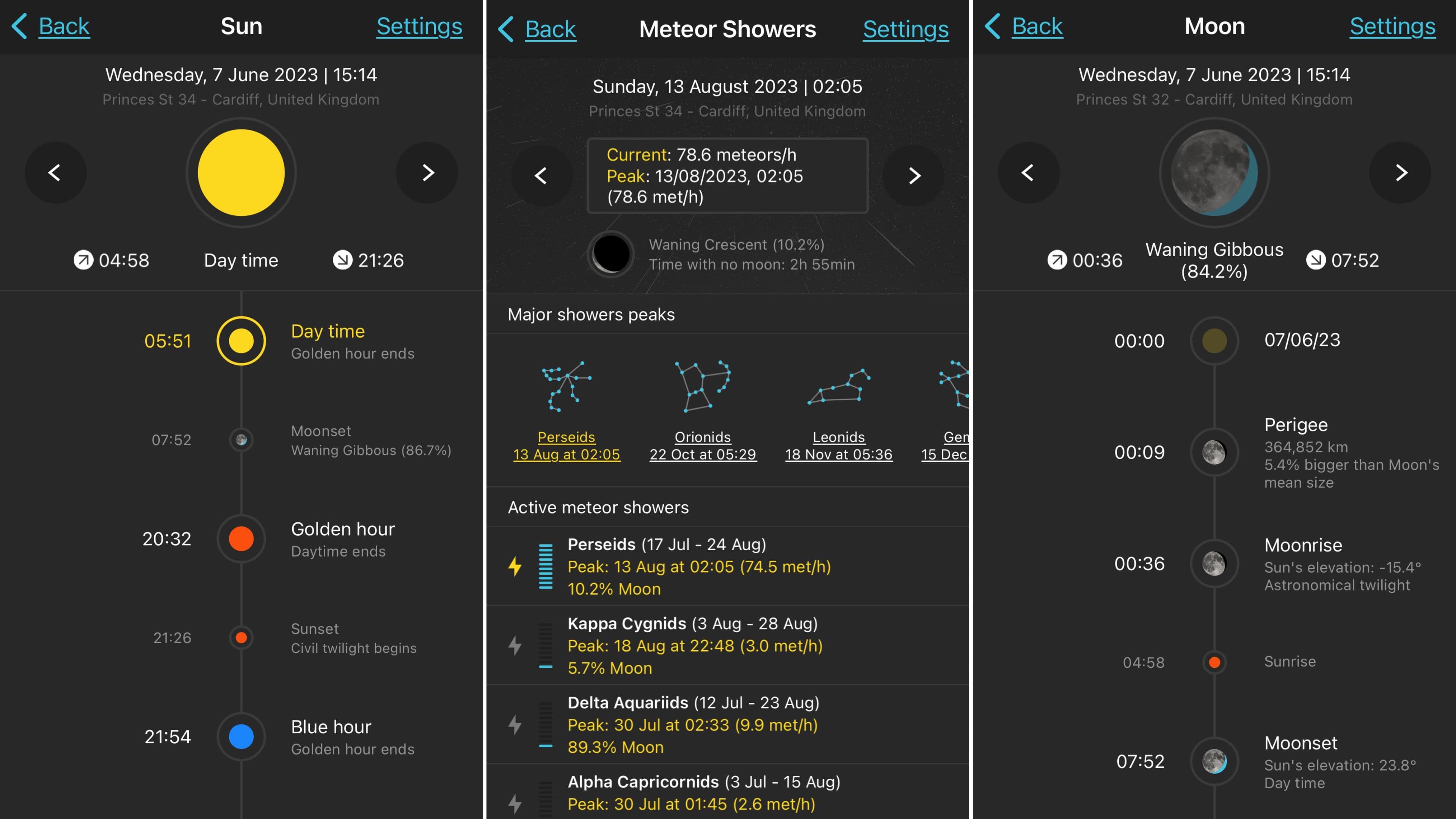
- Use apps like PhotoPills to calculate the exact bearing and frame the moon against landmarks.

Amateur photographers are using these apps to calculate the exact angle of moonrise for their locations, planning shots that frame the moon against city skylines or natural features.
Photography Tips for Moonrise
The orange color comes from atmospheric filtering, the same physics that makes sunsets red. Capture it in the first few minutes or lose it entirely.
- Use a telephoto lens (200mm or longer) to make the moon appear larger against foreground objects.
- Underexpose slightly to preserve the orange color. Auto exposure will wash it out.
- Include foreground elements like buildings, trees, or water for scale and interest.
- Shoot continuously. The moon's appearance changes rapidly as it rises through different atmospheric layers.
The Luck Factor
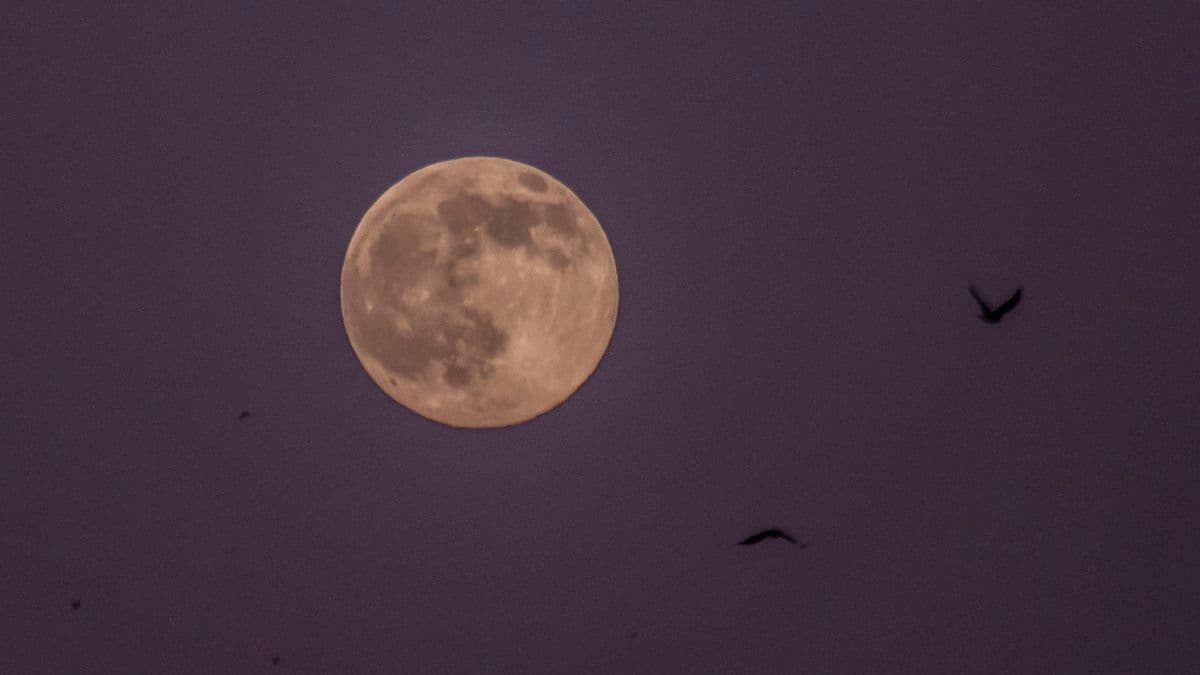
Even with perfect planning, clouds can ruin everything. A mess of low cloud and distant rooftops on the eastern horizon can delay or obscure the view entirely. The best approach is to keep scanning slowly along the skyline, looking for any hint of orange breaking through.
When the moon does appear, distorted and oversized, the effect is striking. For a few moments, it can feel like a private spectacle. Then people notice, phones come out, and the moonrise becomes a shared event.

Logicity's Take
Frequently Asked Questions
Will the Blue Moon actually look blue?
No. The term 'Blue Moon' refers to the second full moon in a calendar month, not its color. The moon will appear orange or yellow at moonrise, then white as it climbs higher.
How often does a Blue Moon occur?
Roughly every 2.7 years. The lunar cycle of 29.5 days occasionally allows two full moons to fit within a 30 or 31-day calendar month.
What time does the moon rise on May 30?
Moonrise times vary by location. Use a moon phase app or website to find the exact time for your specific city. General regional times aren't precise enough for photography.
Why is this also called a Micromoon?
The moon reaches apogee (its farthest point from Earth) around May 30, making it appear 10-15% smaller than a Supermoon. The difference is subtle to the naked eye.
How long does the orange moonrise color last?
Only a few minutes. The orange hue comes from atmospheric filtering when the moon is low on the horizon. Once it climbs higher, it shifts to its normal white appearance.
Need Help Implementing This?
Source: Latest from Space.com
Manaal Khan
Tech & Innovation Writer
Produced with AI assistance and reviewed by the Logicity editorial team. Learn more in our Editorial Policy.