Key Takeaways
- ESP32 boards cost as little as $5 and support Wi-Fi, Bluetooth, and deep sleep modes
- Projects range from retro gaming handhelds to LED matrix displays and virtual pets
- Most builds include 3D print files, wiring diagrams, and parts lists for easy replication
ESP32 microcontrollers have hit a popularity surge among hobbyists and engineers alike. The combination of rock-bottom pricing, built-in wireless connectivity, and a thriving open-source community makes them ideal for weekend tinkering. How-To Geek compiled seven interactive projects you can tackle between April 24 and 26, all centered on turning these tiny boards into playable toys.
The Hardware: $5 to $12 Entry Points
Two boards stand out for these projects. The Seeed Studio XIAO ESP32-C3 runs $5 direct from Seeed Studio or $10 on Amazon. It packs Wi-Fi and Bluetooth alongside a deep sleep mode that draws minimal power when idle. The compact footprint makes it a natural fit for handheld builds.
The XIAO ESP32-C6 costs $5 at Seeed Studio or $12 on Amazon. It adds Zigbee and Z-wave radios, Matter and Thread support, and Wi-Fi 6 compatibility. If you plan to integrate your project into a Home Assistant smart home setup, the C6 offers more connectivity options.
Project 1: 1-Bit Microarcade Handheld
The Microarcade is a pocket-sized handheld powered by an ESP32-S3. It uses a rotary dial for input and renders graphics in pure 1-bit (black and white only). The aesthetic draws obvious comparisons to Panic's Playdate handheld, but this one you build yourself.
The software was written from scratch. Current games include a Pong clone, Lander, an Etch-a-Sketch mode, and multiplayer experiences that make use of the dial input. The creator published 3D print files for the enclosure, wiring diagrams, and a parts list with purchase links. The OLED display complements the binary graphics engine well.
Project 2: ESP32-Optimized NES Emulator
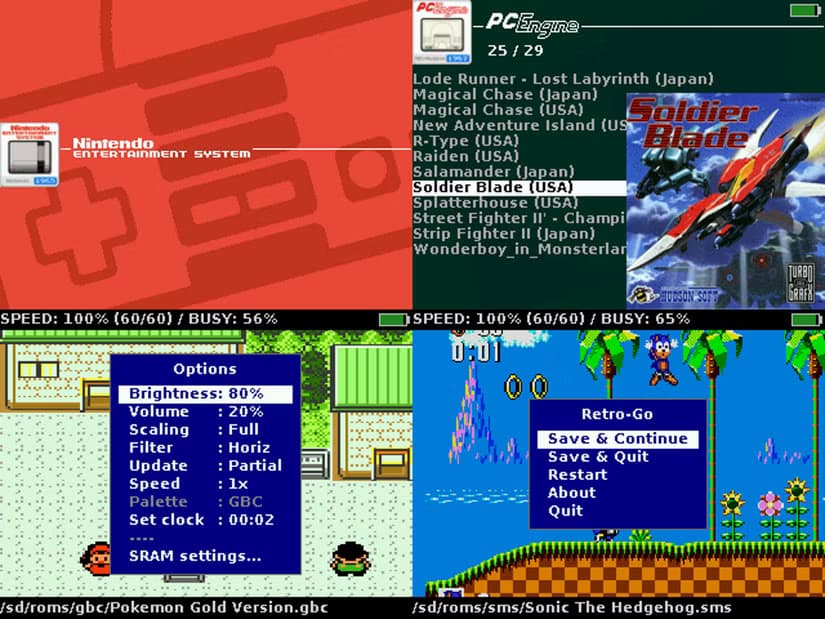
Anemoia-ESP32 is a rewrite of an existing NES emulator, rebuilt specifically to squeeze better performance out of ESP32 hardware. If you grew up on Nintendo's 8-bit library, this project lets you play those ROMs on a DIY device.
One Reddit user documented building a handheld NES from scratch as their first ESP32 project. The thread includes lessons learned and advice for newcomers tackling emulation builds.
Project 3: Virtual Pet
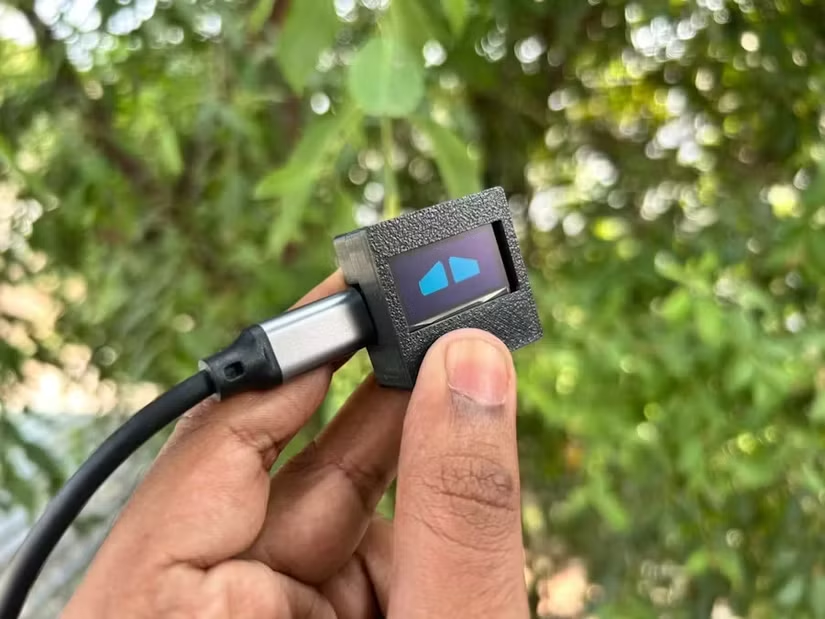
A maker named Pradeep published a virtual pet build on Hackster.io. The project uses an ESP32, a small display, and a few buttons to recreate the Tamagotchi experience. It's a good entry point if you want to learn basic display rendering and input handling without the complexity of full game logic.
Project 4: LED Matrix Display
Another Reddit project shows a 32x32 LED matrix driven by an ESP32 and MAX7219 controller chips. The matrix can display animations, scrolling text, or serve as a visual output for other projects. LED matrices are useful building blocks. Once you learn to drive one, you can repurpose it for clocks, scoreboards, or notification displays.
Project 5: ESP32-Powered Business Card
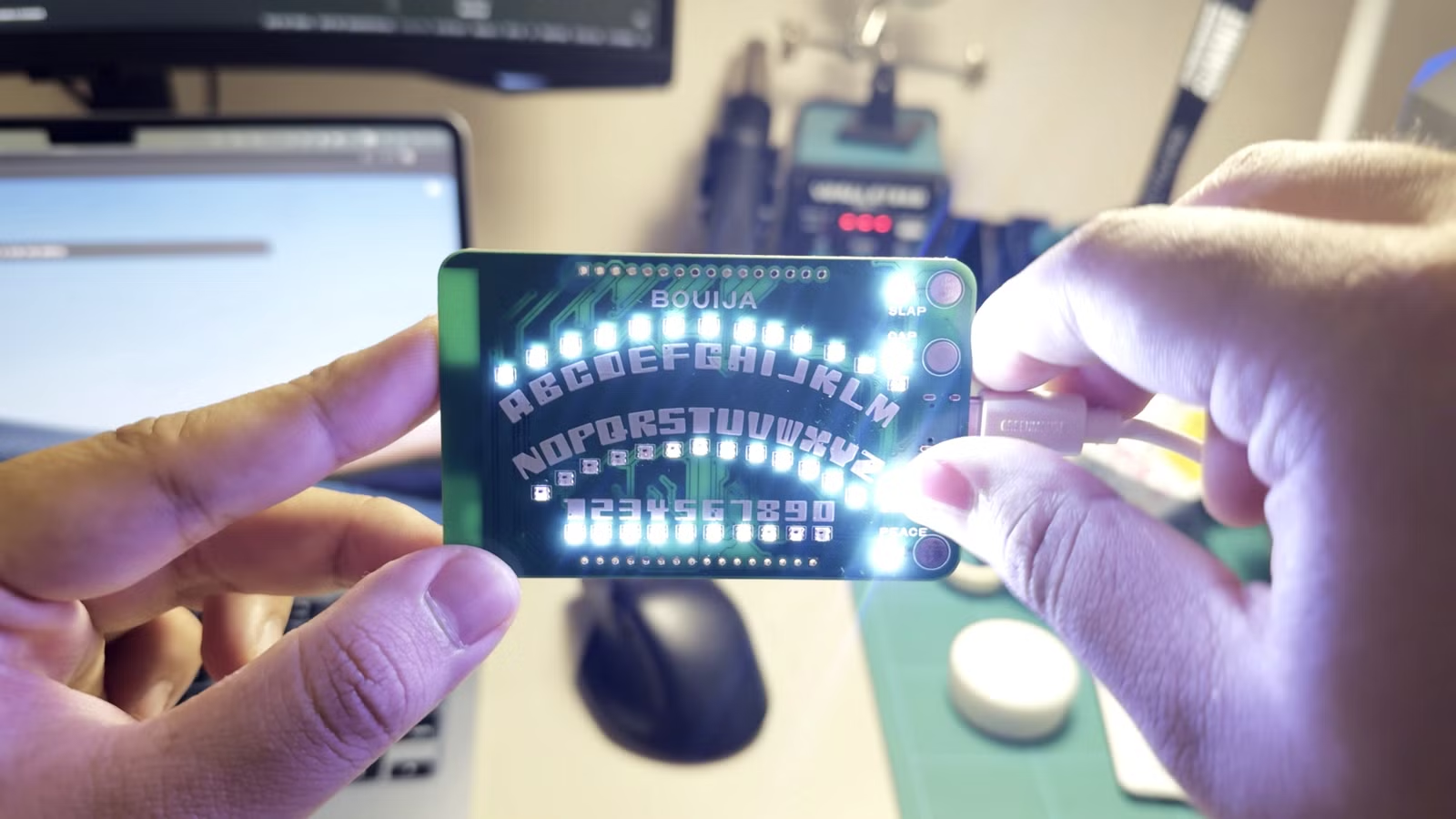
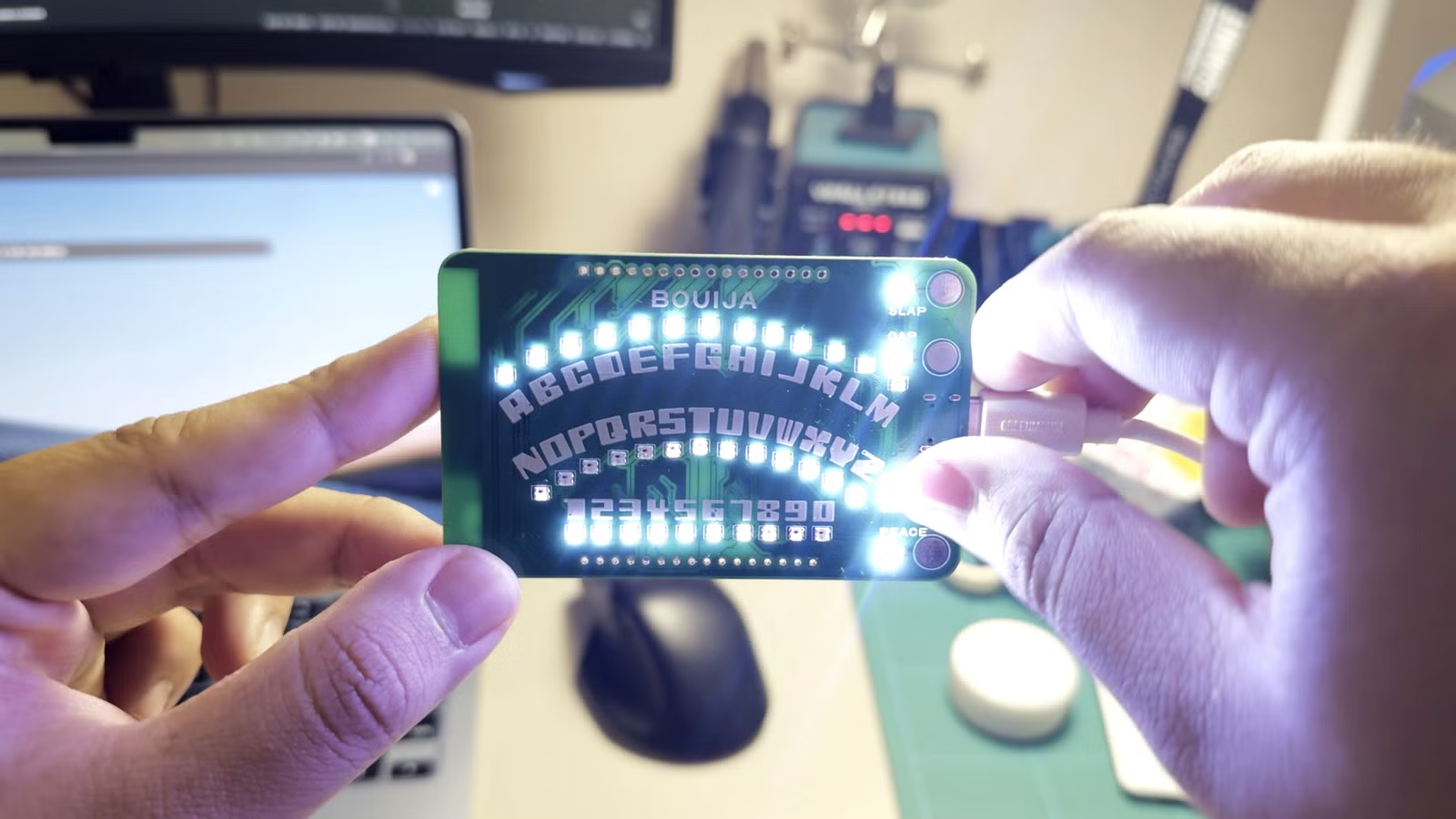
Binh Pham built Bouija, a functional business card with an ESP32 embedded inside. The card includes a small display that can show contact information, portfolio links, or animations. It's impractical for mass distribution but makes a memorable impression at conferences or client meetings.
Why ESP32 Projects Keep Growing
The ESP32 ecosystem benefits from several tailwinds. Arduino IDE support lowers the barrier for beginners. ESPHome integration means projects can plug directly into Home Assistant. The price point keeps experiments low-risk. A $5 board that fails costs less than a coffee.
The community also self-documents well. Most project creators publish their code, 3D models, and parts lists. This means you rarely need to reverse-engineer a build. You can follow instructions, learn the concepts, then modify for your own needs.
Logicity's Take
Getting Started This Weekend
If you're new to ESP32 development, start with the Microarcade or virtual pet. Both have well-documented builds and limited component counts. The NES emulator requires more soldering and configuration but delivers a more functional end result.
Order a Seeed Studio XIAO board if you haven't already. At $5 direct, you can pick up a few to have spares on hand. Amazon pricing runs higher but offers faster shipping for last-minute weekend plans.
Evaluating when to pay for tools versus building your own
Frequently Asked Questions
What is an ESP32 and why is it popular for DIY projects?
The ESP32 is a low-cost microcontroller with built-in Wi-Fi and Bluetooth. It costs as little as $5 and has extensive community support through Arduino IDE and ESPHome, making it accessible for hobbyists.
Can I build an ESP32 project without soldering experience?
Some projects use breadboards and jumper wires, which require no soldering. The Microarcade and LED matrix projects offer varying difficulty levels depending on your comfort with electronics.
What's the difference between ESP32-C3 and ESP32-C6?
The C6 adds Zigbee, Z-wave, Matter, Thread, and Wi-Fi 6 support. The C3 has basic Wi-Fi and Bluetooth at a lower price. Choose C6 for smart home integration or C3 for standalone projects.
Where can I find parts lists and 3D print files for these projects?
Most creators publish files on GitHub, Hackster.io, or Reddit. The Microarcade project includes enclosure STL files, wiring diagrams, and component purchase links.
Can ESP32 projects integrate with Home Assistant?
Yes. ESPHome provides native Home Assistant integration, allowing ESP32 devices to appear as sensors, switches, or displays in your smart home dashboard.
Need Help Implementing This?
Source: How-To Geek
Manaal Khan
Tech & Innovation Writer
Produced with AI assistance and reviewed by the Logicity editorial team. Learn more in our Editorial Policy.