Key Takeaways
- Treat SMS opt-ins as VIP access, not another checkbox in your signup flow
- Segment your list instead of blasting the same message to everyone
- Use automation triggers tied to customer behavior rather than arbitrary schedules
The SMS paradox: high open rates, zero patience
SMS open rates crush every other marketing channel. Most texts get read within minutes of landing. But that accessibility comes with a brutal downside: people have almost no tolerance for messages they didn't ask for.
One irrelevant text and your customer isn't just ignoring you. They're blocking you. That makes SMS fundamentally different from email or social media. Email is the workhorse. Social media is the megaphone. SMS is the closer. It works when intent meets timing, delivering the right message exactly when someone is ready to act.
The brands getting real results aren't sending mass blasts and hoping for the best. They're building systems around high-intent growth, reaching fewer people with better messages at smarter times. Here are five strategies that actually work.
1. Build a consent-first growth engine
A phone number is more personal than an email address. It's a higher-trust asset that demands a clear value exchange. People need a reason to give you direct access to their lock screen.
The best way to earn that opt-in is to make it feel exclusive. Brands that do this well treat SMS access as a VIP perk, not another checkbox in the signup flow.
- Offer SMS-only perks customers can't get elsewhere: early access to product drops, real-time shipping updates, or flash sales that hit texts before they hit the website
- Tie signups to specific moments in the customer journey, like offering a discount code via text right after someone's first purchase
- When the value is obvious, signing up feels like a no-brainer instead of a gamble
Here's where most brands skip a step. Every signup source, whether it's a popup, checkout flow, or QR code on packaging, needs to tell users exactly what they're signing up for. How often will you text? What kind of content will they receive? No surprises later.
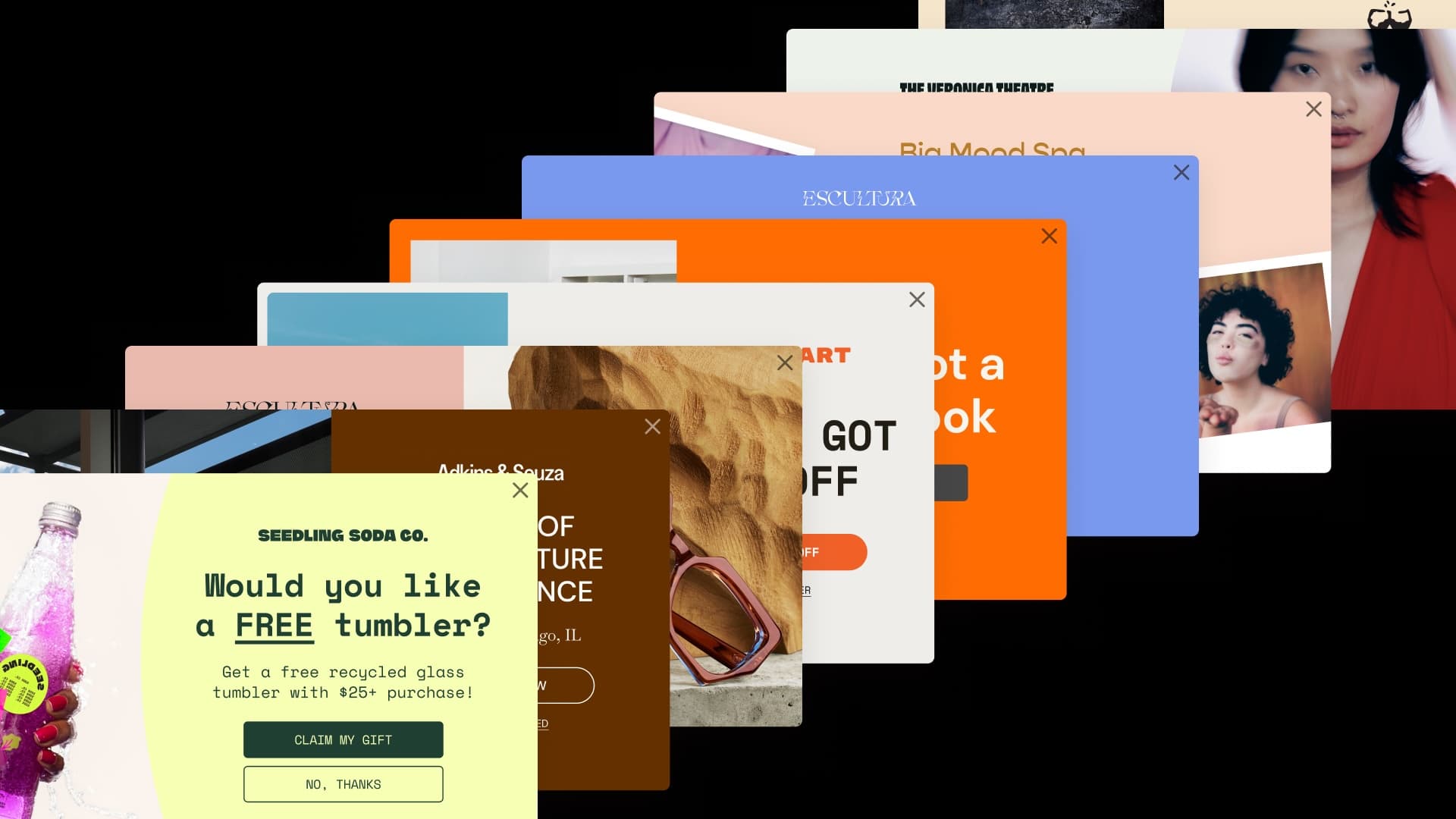
Platforms like Mailchimp let you customize opt-in forms with clear messaging and double opt-in flows. When you're upfront, you attract people who actually want to hear from you.
2. Stop the all-call and start segmenting
One of the biggest mistakes brands make is treating their subscriber list like one giant group chat. Sending the same message to everyone might seem efficient, but it's the fastest way to burn through your list.
Think about it from the customer's perspective. If you're a loyal repeat buyer, getting the same generic discount as someone who's never purchased feels cheap. If you only buy winter gear, getting summer sale alerts is noise.
- Segment by purchase history: first-time buyers, repeat customers, lapsed customers
- Segment by behavior: cart abandoners, browsers, wishlist creators
- Segment by preference: product category, price sensitivity, purchase frequency
Smaller, targeted sends consistently outperform mass blasts. You're reaching fewer people, but the right people with the right message.
3. Master the art of the nudge with automation
Manual SMS campaigns require you to guess when customers are ready to buy. Automated triggers remove the guesswork by responding to actual behavior.
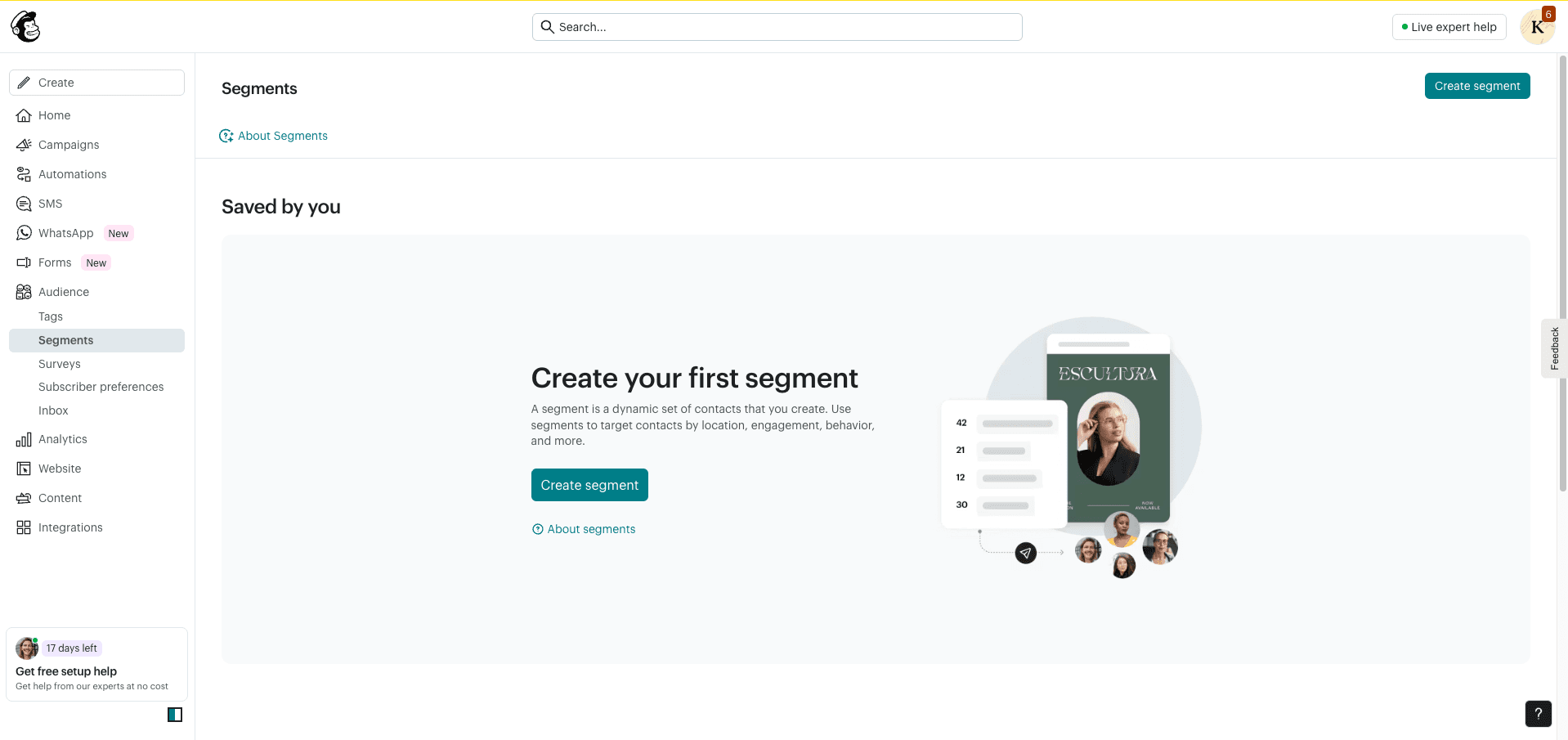
The most effective automated texts feel helpful rather than pushy. They arrive at moments when the customer has already shown intent.
- Cart abandonment: a reminder 30 minutes after someone leaves items behind
- Back in stock: instant alert when a wishlisted item is available again
- Shipping updates: real-time tracking that customers actually want
- Post-purchase follow-up: review request or cross-sell after delivery confirmation
These messages work because they're triggered by the customer's own actions, not your promotional calendar.
4. Orchestrate SMS with your other channels
SMS shouldn't exist in isolation. The best results come when text messages work alongside email, social, and on-site experiences.
Think of SMS as the urgency layer. Email can carry the full story with images and details. Social builds awareness over time. SMS delivers the time-sensitive push.
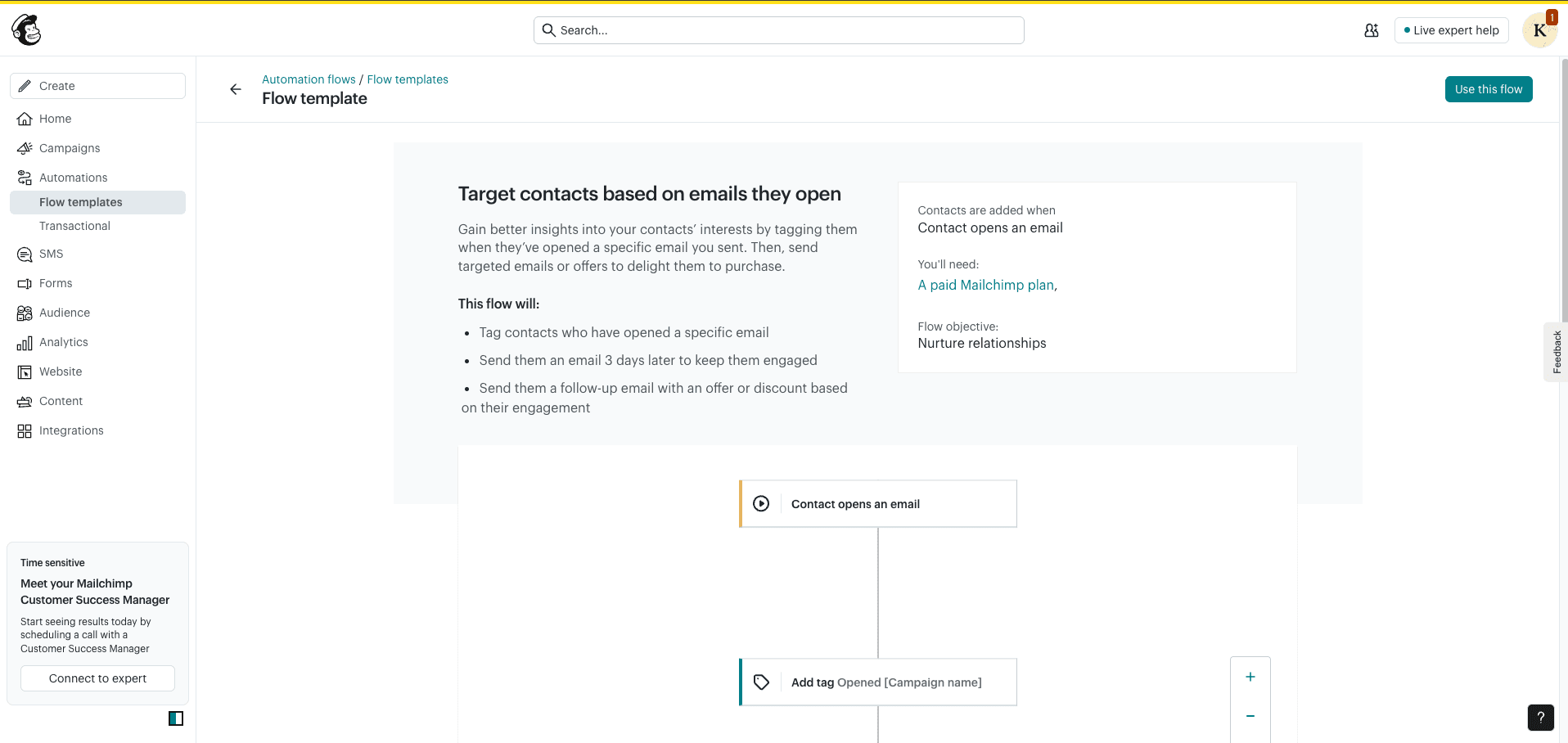
A practical example: send an email about an upcoming sale three days out. Follow up on social the day before. Then hit SMS an hour before the sale starts or when inventory is running low. Each channel plays its role without overwhelming the customer.
5. Respect the lock screen
The lock screen is sacred real estate. Every text notification competes with messages from friends, family, and work. Your marketing text needs to earn its place.
That means being selective about frequency. Most customers don't want daily texts from brands. Weekly or even bi-weekly is plenty for most businesses, with extra messages only for truly time-sensitive moments.
It also means making every character count. SMS doesn't have the luxury of long-form content. Get to the point immediately. Lead with the value, add context if needed, include a clear action. Skip the preamble.
Start with one automated trigger
If you're new to SMS marketing or rebuilding a burned list, don't try to implement everything at once. Pick one high-intent automation. Cart abandonment is usually the best starting point because the customer has already shown purchase intent.
Get that working well. Measure the results. Then expand to additional triggers and segments. Building slowly lets you learn what resonates with your specific audience before scaling up.
Logicity's Take
Frequently Asked Questions
How often should I send SMS marketing messages?
Weekly or bi-weekly is appropriate for most businesses. Save additional messages for genuinely time-sensitive moments like flash sales or low inventory alerts. Overfrequency is the fastest way to get blocked.
What's the best first SMS automation to set up?
Cart abandonment is usually the best starting point. These customers have already shown purchase intent, making them receptive to a well-timed reminder. A message 30 minutes after abandonment typically performs well.
How do I get more SMS subscribers without being pushy?
Offer SMS-exclusive value: early product access, flash sale alerts, or real-time shipping updates that customers can't get through other channels. Tie signup prompts to moments when customers are already engaged, like right after a first purchase.
Should I use SMS or email for marketing?
Both, but for different purposes. Email works for detailed content, storytelling, and campaigns that don't require immediate action. SMS is for time-sensitive messages and behavior-triggered nudges where urgency matters.
Privacy preferences increasingly affect how customers respond to marketing outreach
Need Help Implementing This?
Source: The Zapier Blog
Manaal Khan
Tech & Innovation Writer
Produced with AI assistance and reviewed by the Logicity editorial team. Learn more in our Editorial Policy.