Key Takeaways
- The EX60 is Volvo's first vehicle to use megacasting for faster assembly and lower weight
- New HuginCore computing platform combines NVIDIA and Qualcomm chips for future OTA updates
- Starting around $60,000, it targets the same buyers as BMW's iX3 and Mercedes-Benz GLC EQ
Three electric crossovers are about to reshape the luxury EV market. BMW's iX3 is already rolling through Europe. The Mercedes-Benz GLC with EQ Technology follows close behind. And now there's the Volvo EX60, the all-electric sibling to Volvo's best-selling US model, the XC60.
After a few days behind the wheel, the verdict is clear: the EX60 delivers on Volvo's promises of better range, improved efficiency, and more technology than any previous Volvo. But it may come up short against its German rivals in one critical area.
Scandinavian Design Meets Mass Market
Volvo's US lineup numbers fewer than 10 distinct models. For fans of straight-laced Scandinavian design, that's not a problem. Each one feels considered. The XC60 proves the point. Volvo sold more than 41,000 of these mid-sized crossovers last year. That's a third of the company's total US sales in a single model.
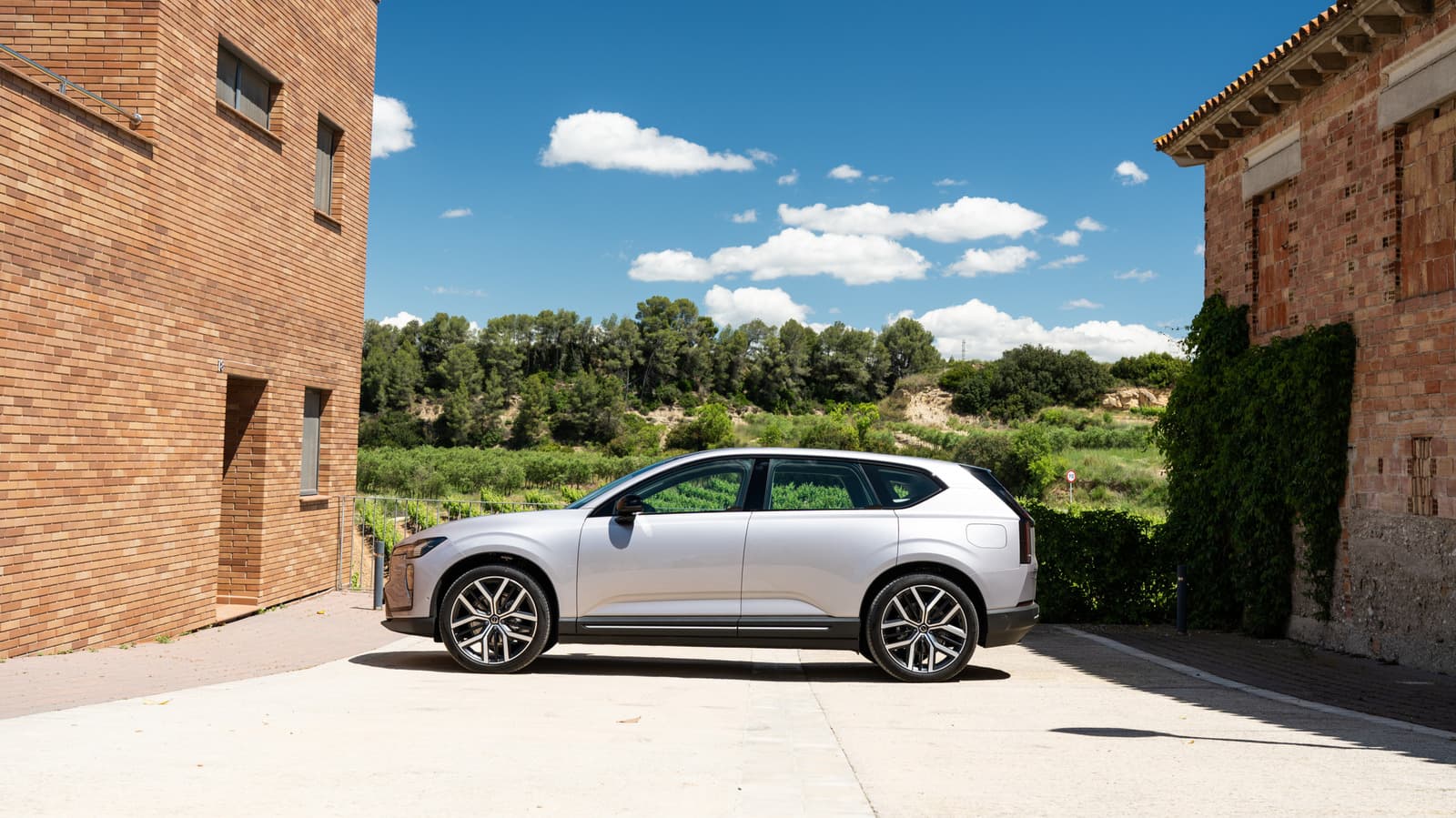
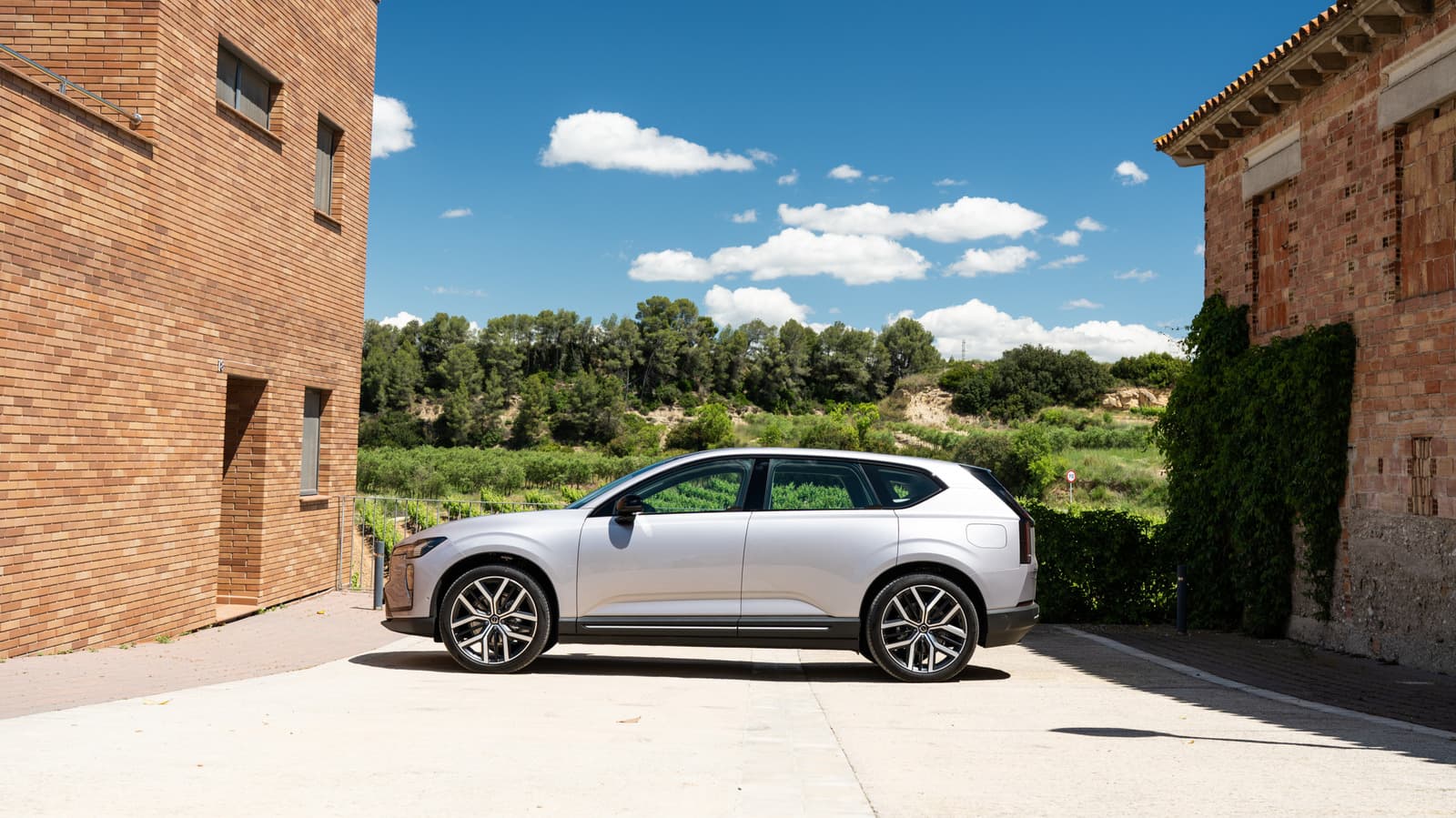
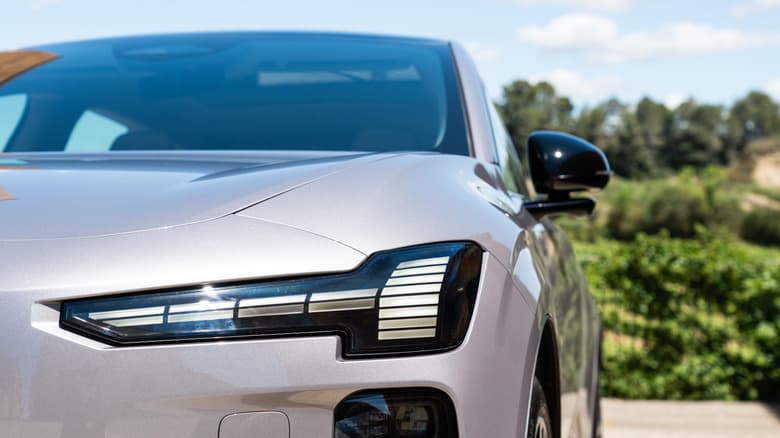
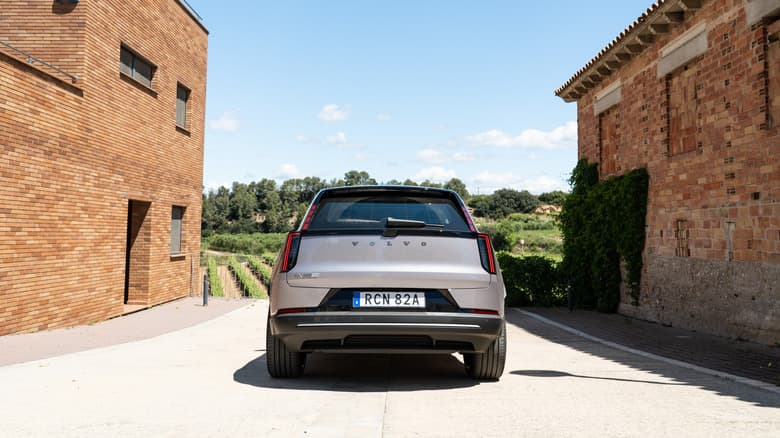
The EX60 is Volvo's most mass-market emissions-free play yet. The design will look familiar. Think of it as a two-thirds scale version of the three-row EX90. The rear has its own style, and everything else is simpler and more straightforward.
Megacasting Makes Its Volvo Debut
The real changes hide under the skin. The EX60 marks Volvo's first real use of megacasting. This manufacturing technique uses high-pressure molten alloys to create large, complex parts in a single shot. Bigger parts mean faster assembly, lower weight, and theoretically lower cost. Tesla popularized the approach, and now Volvo joins the club.
HuginCore: The Brain Behind the EX60
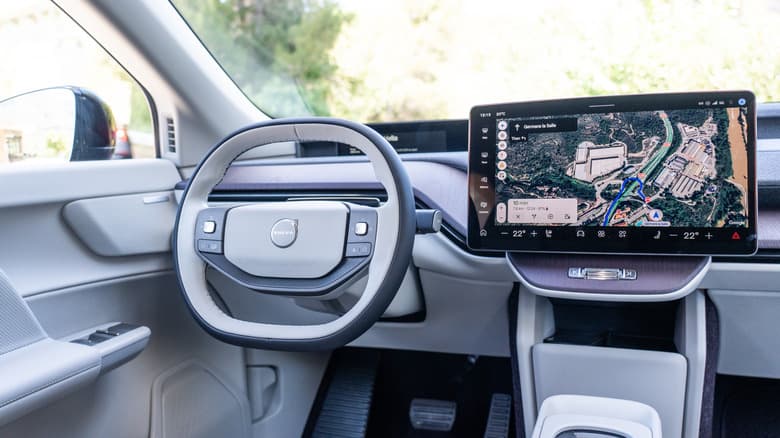
The EX60 also debuts Volvo's new onboard computing system called HuginCore. The name references Odin's pet raven, meant to symbolize thought. The hardware combines an NVIDIA Drive AGX Orin chip with a Qualcomm Snapdragon 8255.
Volvo says this system makes the car more capable from day one. More importantly, it enables comprehensive expansion through over-the-air updates. Part of that roadmap includes an expanded suite of active safety features. Volvo promises these will eventually enable the EX60 to more or less drive itself, as long as you keep your hands on the wheel.
The Competition Question
At around $60,000, the EX60 targets the same buyers eyeing the BMW iX3 and Mercedes-Benz GLC EQ. Both German rivals are already impressing reviewers. The EX60's smooth ride and refined interior will appeal to loyal Volvo customers. But the early first-drive impressions hint at a shortcoming against the competition, though the specific area wasn't detailed in initial testing.
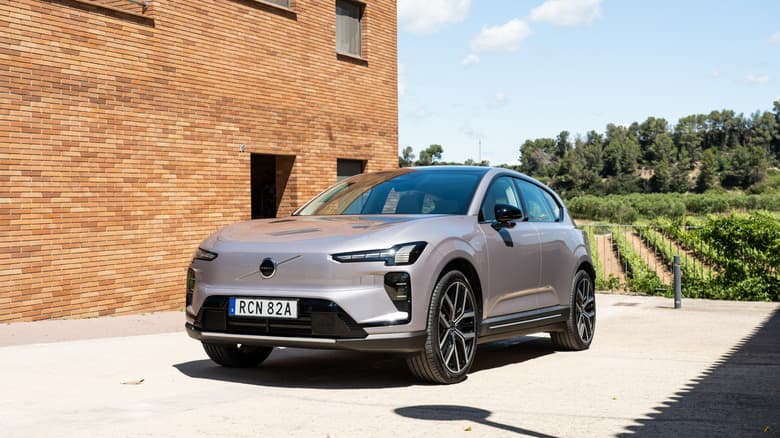
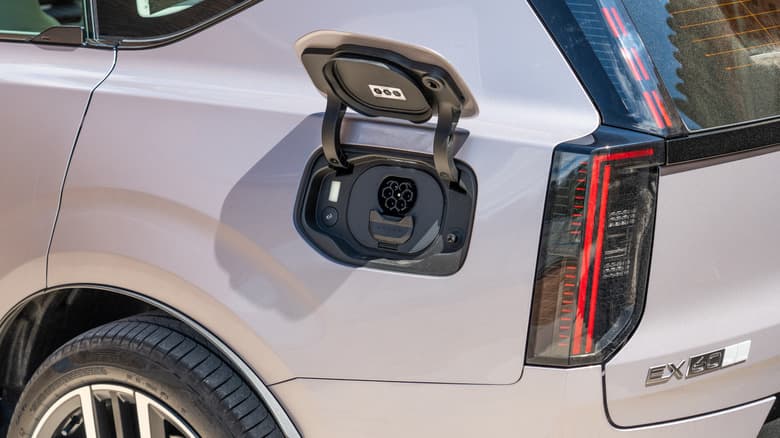
US buyers can expect a Tesla-style NACS charging port, ensuring access to the Supercharger network. This addresses one of the practical concerns that held back earlier European EV imports.
✅ Pros
- • First Volvo with megacasting for lighter weight and faster production
- • New HuginCore computing enables comprehensive OTA updates
- • NACS charging port for US Supercharger access
- • Familiar Scandinavian design at mass-market price point
❌ Cons
- • May fall short of BMW iX3 and Mercedes GLC EQ in at least one key area
- • Competes in a segment where German rivals have strong momentum
- • Full self-driving features still require hands on wheel
What This Means for Volvo
The XC60 represents a third of Volvo's US sales. An electric version that matches or exceeds its combustion sibling could accelerate Volvo's transition away from internal combustion. The company has committed to going all-electric, and the EX60 is the most important step in that journey for the American market.
Logicity's Take
Frequently Asked Questions
How much does the 2027 Volvo EX60 cost?
The EX60 starts around $60,000, positioning it against the BMW iX3 and Mercedes-Benz GLC EQ.
What is Volvo's HuginCore system?
HuginCore is Volvo's new onboard computing platform combining NVIDIA Drive AGX Orin and Qualcomm Snapdragon 8255 chips. It enables over-the-air updates and future autonomous driving features.
Does the Volvo EX60 use megacasting?
Yes, the EX60 is Volvo's first vehicle to use megacasting, a technique that creates large structural parts in single shots for faster assembly and lower weight.
Can the Volvo EX60 use Tesla Superchargers?
The US version will include a Tesla-style NACS port, giving it access to the Supercharger network.
When will the Volvo EX60 be available?
The EX60 is a 2027 model year vehicle, with availability expected later this year alongside competing electric crossovers from BMW and Mercedes-Benz.
Need Help Implementing This?
Source: Engadget
Manaal Khan
Tech & Innovation Writer
Produced with AI assistance and reviewed by the Logicity editorial team. Learn more in our Editorial Policy.