Key Takeaways
- Voice cloning scams use short audio clips from social media to impersonate relatives asking for money
- Fake HR scams involve professional interview rounds before asking for registration fees or personal documents
- WhatsApp banned over 9,400 accounts linked to digital arrest scams
AI Makes Fraud Harder to Spot
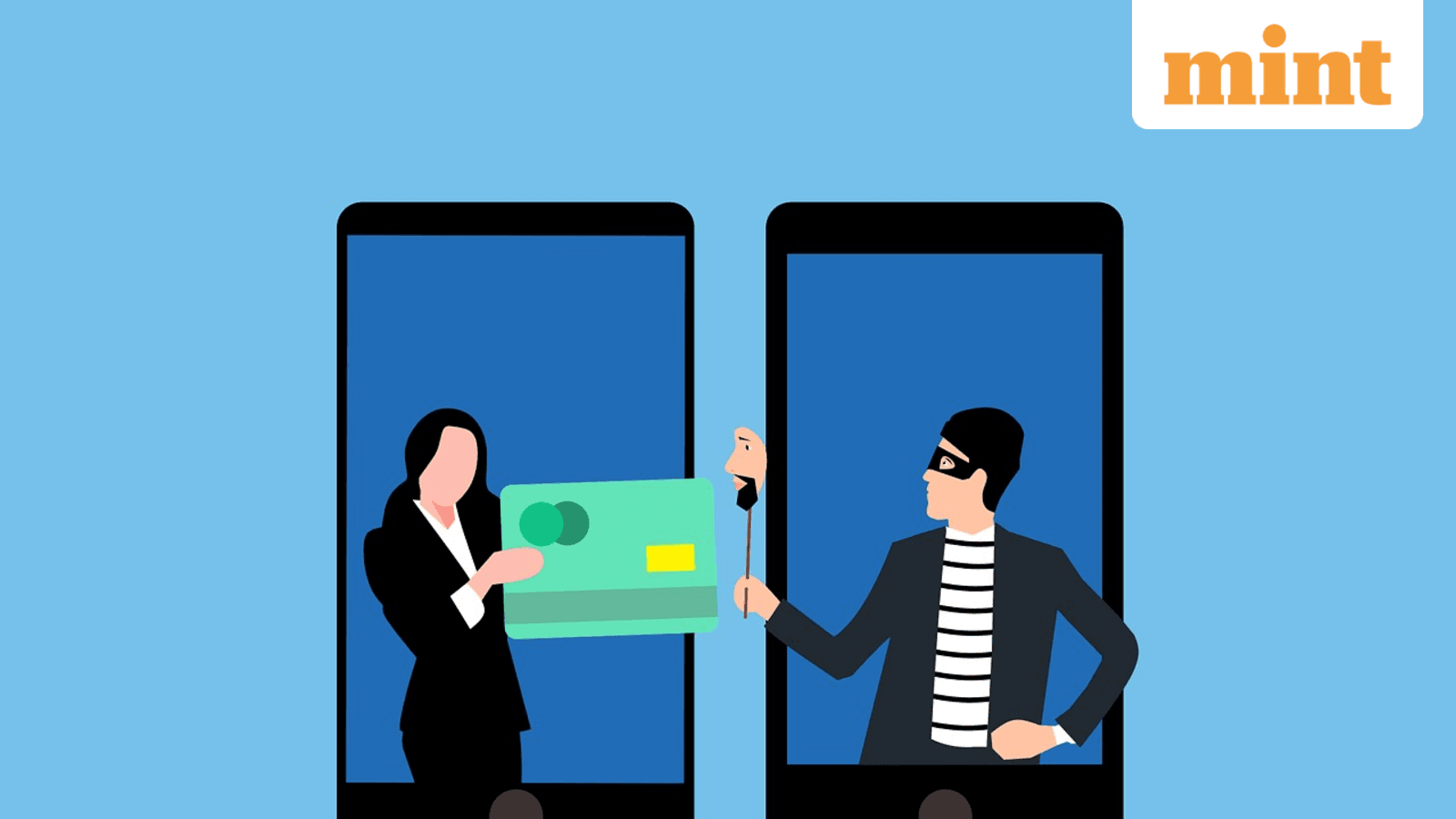
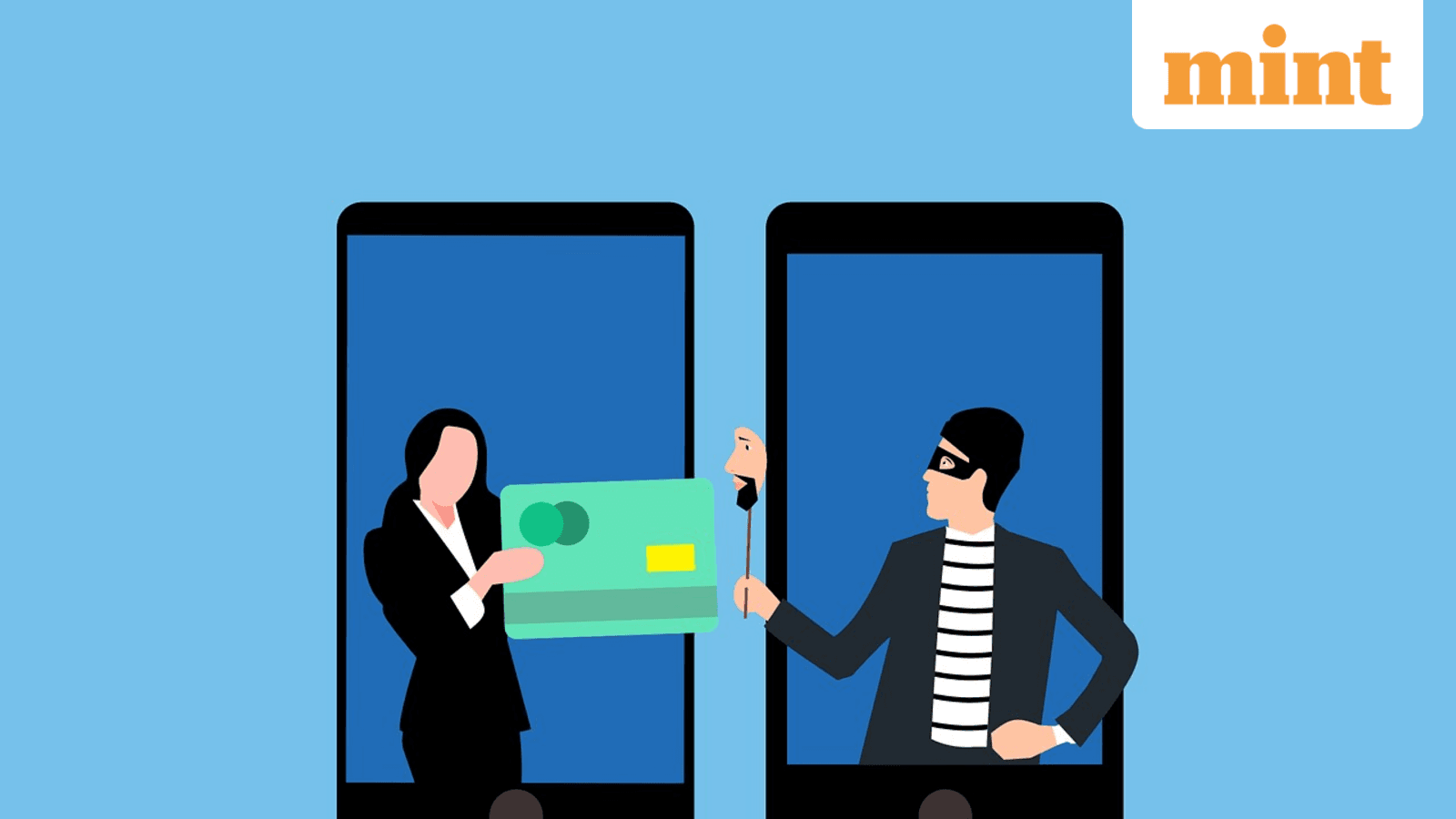
Old scams gave themselves away. Bad grammar, suspicious links, obvious lies. AI changed that. Scammers now sound professional. Their emails look corporate. Their deepfake videos feature real celebrities. And their voice-cloned calls sound exactly like your family members.
The shift is significant. AI tools can clone a voice from a few seconds of audio scraped from Instagram or WhatsApp. They can generate flawless phishing emails that mimic Indian workplace language. They can create video ads showing Elon Musk or Mukesh Ambani endorsing fake crypto platforms.
Here are the seven AI scams currently hitting Indians hardest.
1. Fake HR Interviews and Job Offers
The scam starts with a professional-looking interview call. Scammers pose as recruiters from real companies. Victims go through multiple screening rounds, receive fake offer letters, and get onboarding emails. Everything looks legitimate.
Then comes the ask. Registration fees. Training costs. Laptop delivery charges. Some victims pay thousands before realizing the job does not exist.
The financial loss is often not the worst part. Fraudsters also collect Aadhaar numbers, PAN details, and bank information during the fake onboarding process. This data gets used for identity theft or sold to other criminals.
2. Voice-Cloned Family Emergency Calls
You get a call. Your son's voice. He sounds panicked. He says he is injured, stranded, or in police custody. He needs money immediately.
Except it is not your son. Scammers clone voices using short audio clips from Instagram, WhatsApp, and Facebook. A few seconds of someone talking in a video or voice note is enough for modern AI tools to create a convincing replica.
The emotional manipulation is precise. The calls come with urgency and panic. Victims transfer money before they think to verify by calling the real person back on a known number.
3. Digital Arrest Video Call Scams
Cybercriminals impersonate police officers, CBI officials, or telecom regulators on video calls. They accuse victims of involvement in crimes like money laundering or parcel fraud. The threat sounds official. The uniforms look real.
Victims are told they are under "digital arrest." They must stay on continuous video surveillance while transferring money for "verification." The psychological pressure is intense. People comply because they are terrified.
WhatsApp recently told the Supreme Court it banned more than 9,400 accounts linked to such scams, according to Moneycontrol. The platform is trying to crack down, but the scammers keep creating new accounts.
Startups are building defenses against these AI-powered attacks
4. Deepfake Celebrity Investment Scams
AI-generated videos show Elon Musk and Mukesh Ambani endorsing crypto platforms and trading schemes. The deepfakes are polished. The celebrities appear to speak directly about guaranteed returns.
Users typically find these through ads on YouTube or Facebook. The ads redirect to fraudulent apps and websites that look professional. Some victims invest significant amounts before discovering the entire platform is fake.
5. AI-Generated Phishing Emails
Remember when phishing emails had spelling mistakes and awkward phrasing? AI fixed that problem for scammers.
AI-generated scam emails now mimic corporate communication styles perfectly. They impersonate HR departments and banking alerts. Some even use Indian workplace language and realistic formatting. They are difficult to distinguish from legitimate company emails.
Victims click malicious links, download malware, or share OTPs and login credentials. By the time they realize something is wrong, the damage is done.
6. Fake AI Investment Apps
Apps claiming "AI-powered investing" or "machine-learning stock prediction" attract users with promises of unusually high returns in stocks, forex, and crypto.
The apps look sophisticated. They display dashboards showing impressive gains, testimonials from satisfied users, and screenshots of profits. All of it is fabricated.
Victims deposit money and initially see their "portfolio" grow on the fake dashboard. When they try to withdraw, the app blocks them or disappears entirely. The money is gone.
7. AI Chatbot and Spoofed Caller ID Scams
Scammers combine AI chatbots, cloned voices, and spoofed caller IDs to impersonate customer service representatives from banks and companies. The caller ID shows a legitimate company number. The voice sounds professional.
These calls often claim there is a problem with your account that requires immediate verification. Victims share sensitive information believing they are speaking to their actual bank.
AI assistants with deep access raise their own security questions
How to Protect Yourself
- Verify emergency calls by hanging up and calling the person directly on a number you know
- Never pay registration or training fees for jobs, no matter how legitimate the process seems
- Remember that no government agency conducts "digital arrests" over video calls
- Check celebrity endorsements through official channels before investing
- Be suspicious of any investment promising guaranteed or unusually high returns
- Never share OTPs, even if the caller claims to be from your bank
- If a caller ID shows your bank's number but something feels off, hang up and call the bank yourself
Logicity's Take
Frequently Asked Questions
How do scammers clone voices with AI?
They extract short audio clips from public social media posts, voice notes, or videos. Modern AI tools can create a convincing voice replica from just a few seconds of audio.
What is a digital arrest scam?
Scammers impersonate police or government officials on video calls, accuse victims of crimes, and demand they stay on camera while transferring money for verification. No legitimate authority operates this way.
Can AI-generated phishing emails be detected?
They are harder to spot because AI eliminates the grammar mistakes and awkward phrasing that used to give phishing away. Verify any suspicious email by contacting the organization through official channels, not links in the email.
Are AI investment apps legitimate?
Some legitimate platforms use AI for analysis, but any app promising guaranteed or unusually high returns is likely fraudulent. Check if the platform is registered with SEBI before investing.
How can I verify if a family emergency call is real?
Hang up and call the family member directly on a number you have saved. Do not call back the number that contacted you. Real emergencies can wait the 30 seconds this takes.
Need Help Implementing This?
Source: mint / Tarunya Sanjay
Manaal Khan
Tech & Innovation Writer
Produced with AI assistance and reviewed by the Logicity editorial team. Learn more in our Editorial Policy.