Key Takeaways
- Ocean raised $28 million led by Lightspeed Venture Partners to build AI-powered email security
- Founder Shay Shwartz previously worked on Israel's Iron Dome project and led cybersecurity roles for elite defense units
- The startup already processes billions of emails monthly for customers including Kayak, Kingston Technology, and Headspace
From Teen Hacker to Cybersecurity Founder
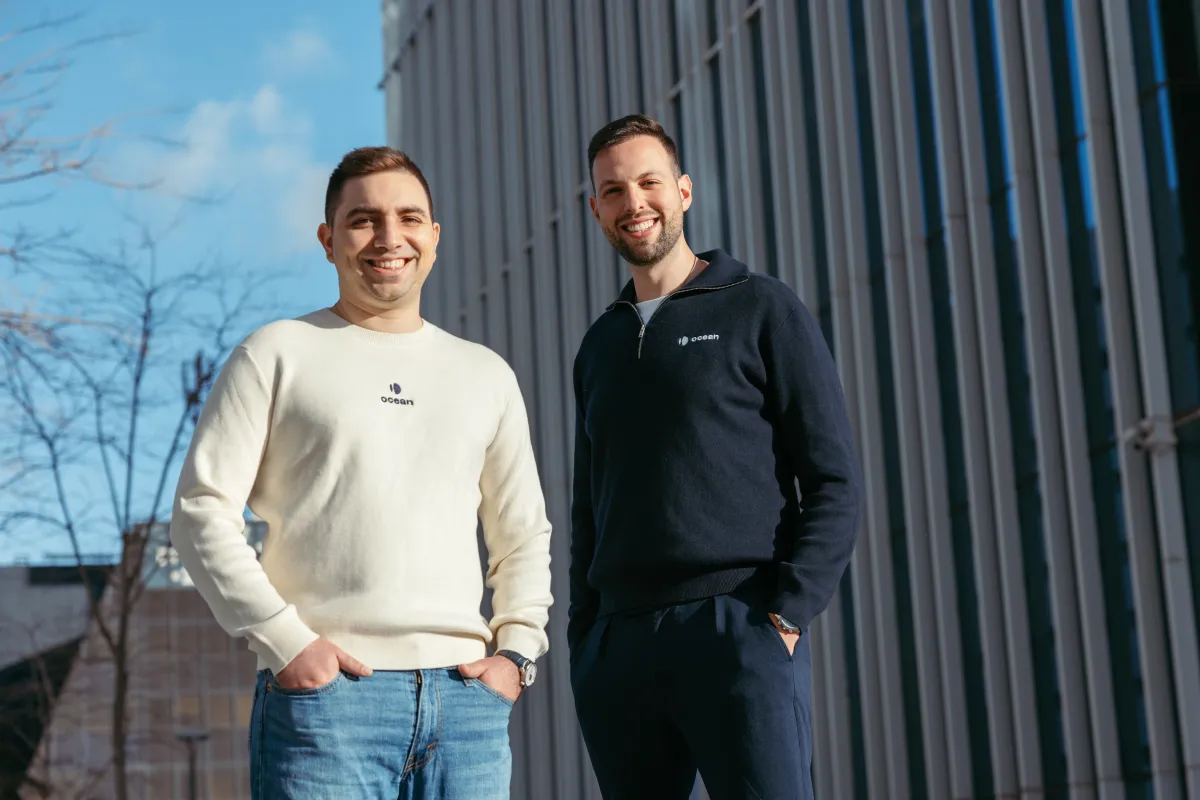
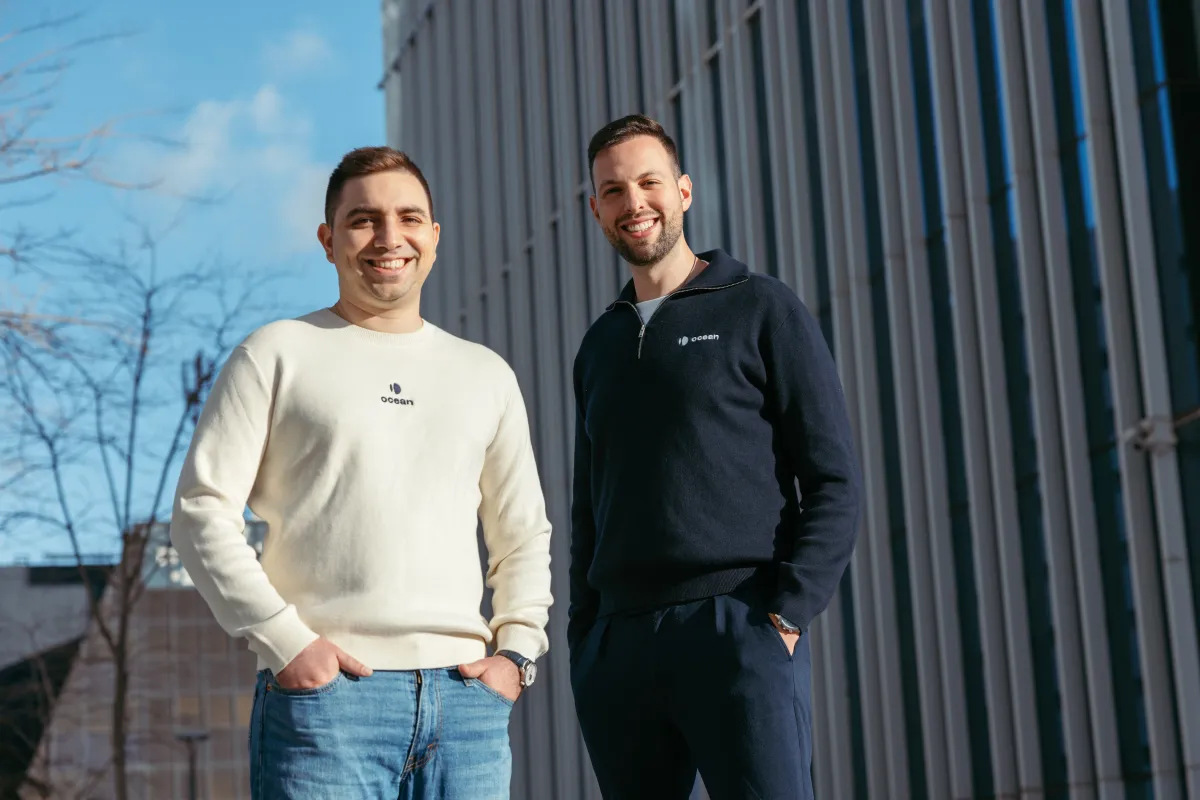
Shay Shwartz's path to founding an email security startup started with getting caught. As a teenager, he made money as a hacker. At 16, he was busted. That experience pushed him toward defense instead of offense.
He spent roughly a decade in Israel's elite defense and intelligence units, including work connected to the Iron Dome missile defense system. He later joined Axis, a startup that HPE acquired. Two years ago, he finally launched his own company.
Ocean, the result of that effort, just emerged from stealth mode. The agentic email security platform has raised $28 million in total funding. Lightspeed Venture Partners led the round, with Picture Capital and Cerca Partners participating.
The investor list includes notable angel backers. Wiz co-founder and CEO Assaf Rappaport joined the round. So did Yevgeny Dibrov and Nadir Izrael, co-founders of Armis. ServiceNow bought Armis for $7.75 billion earlier this year.
Why AI Changes the Phishing Game
Established vendors like Proofpoint and Mimecast help detect standard phishing attacks. Newer players like Abnormal Security have entered the market too. But Shwartz argues that AI-powered attacks need a different defensive approach.
The core problem: spear-phishing used to require significant manual effort. Only sophisticated hackers could pull it off because of the time needed to research targets and craft convincing messages.
“AI just made the entire process automatic, so the scale is much, much bigger now. I can instruct LLM to go and understand exactly who you are, harvest large amount of public information, and create those phishing attacks very targeted against you.”
— Shay Shwartz, Ocean co-founder and CEO
This automation shifts the economics of phishing. Attacks that once required hours of research per target can now be generated in seconds. The volume and personalization of threats has increased dramatically.
How Ocean's Detection Works
Ocean built a small language model designed specifically to analyze emails. The system evaluates the sender's intent and checks it against the user's organizational context. This allows it to spot fraud and impersonation attempts that might fool traditional filters.
“This is like having a guard in every door. This is how we make the inbox a safe place with high hygiene.”
— Shay Shwartz, Ocean co-founder and CEO
The company says it already reviews billions of emails each month. Current customers include Kayak, Kingston Technology, and Headspace. Shwartz co-founded the company with CTO Oran Moyal.
The Competitive Landscape
Ocean enters a crowded email security market. Proofpoint and Mimecast are established players with enterprise deployments. Abnormal Security has raised over $500 million and focuses on behavioral analysis to catch attacks.
Ocean's pitch centers on the AI-versus-AI angle. As attackers use large language models to generate convincing phishing emails, defenders need AI systems specifically tuned to detect that kind of output. The company's custom small language model is designed for speed and email-specific analysis rather than general-purpose tasks.
The investor backing suggests confidence in this approach. Having Wiz's CEO and Armis's founders as angels provides both capital and credibility in the cybersecurity space.
Logicity's Take
How major platforms are integrating AI across messaging services
Related security tools for protecting your accounts
Frequently Asked Questions
What is Ocean and what does it do?
Ocean is an email security startup that uses AI to detect phishing attacks. The company built a custom small language model to analyze incoming emails, identify fraud attempts, and evaluate messages against organizational context.
How much funding has Ocean raised?
Ocean raised $28 million in total funding. Lightspeed Venture Partners led the round, with participation from Picture Capital, Cerca Partners, and angel investors including Wiz CEO Assaf Rappaport.
Who founded Ocean?
Shay Shwartz co-founded Ocean with CTO Oran Moyal. Shwartz previously spent about a decade in Israel's elite defense and intelligence units, including work connected to the Iron Dome project.
Why is AI-powered phishing different from traditional phishing?
AI automates the research and personalization that used to require significant manual effort. Attackers can now use large language models to harvest public information and generate highly targeted phishing emails at scale.
What companies use Ocean for email security?
Ocean's current customers include Kayak, Kingston Technology, and Headspace. The company says it processes billions of emails monthly.
Need Help Implementing This?
Source: Startups | TechCrunch / Marina Temkin
Manaal Khan
Tech & Innovation Writer
Produced with AI assistance and reviewed by the Logicity editorial team. Learn more in our Editorial Policy.




