Key Takeaways
- 48,000 Samsung workers (38% of South Korean workforce) plan 18-day strike starting May 21
- Union wants 15% of annual operating profit allocated to bonuses and removal of 50% salary cap
- Samsung secured court injunction requiring 7,087 workers to remain on duty during strike
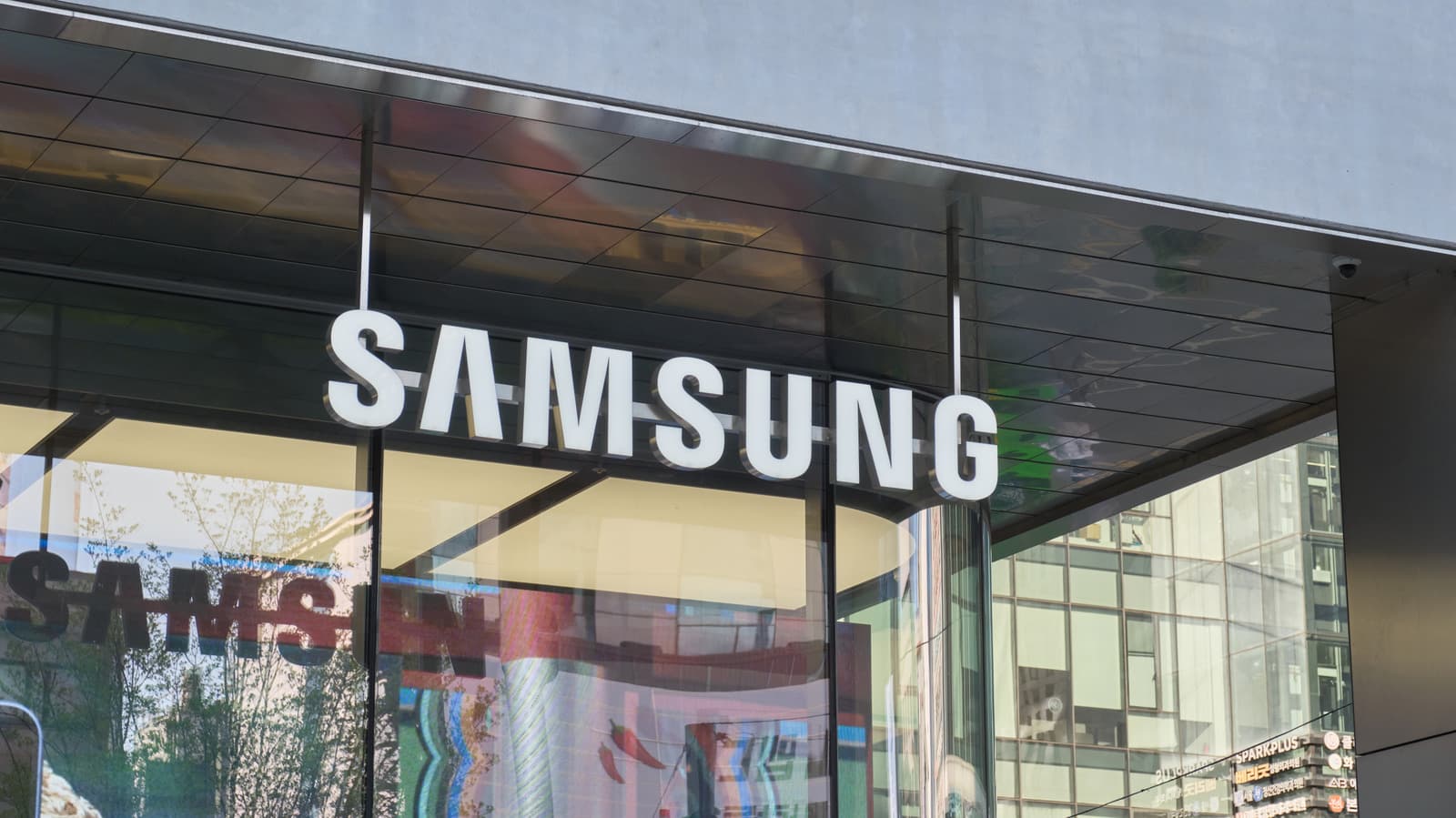
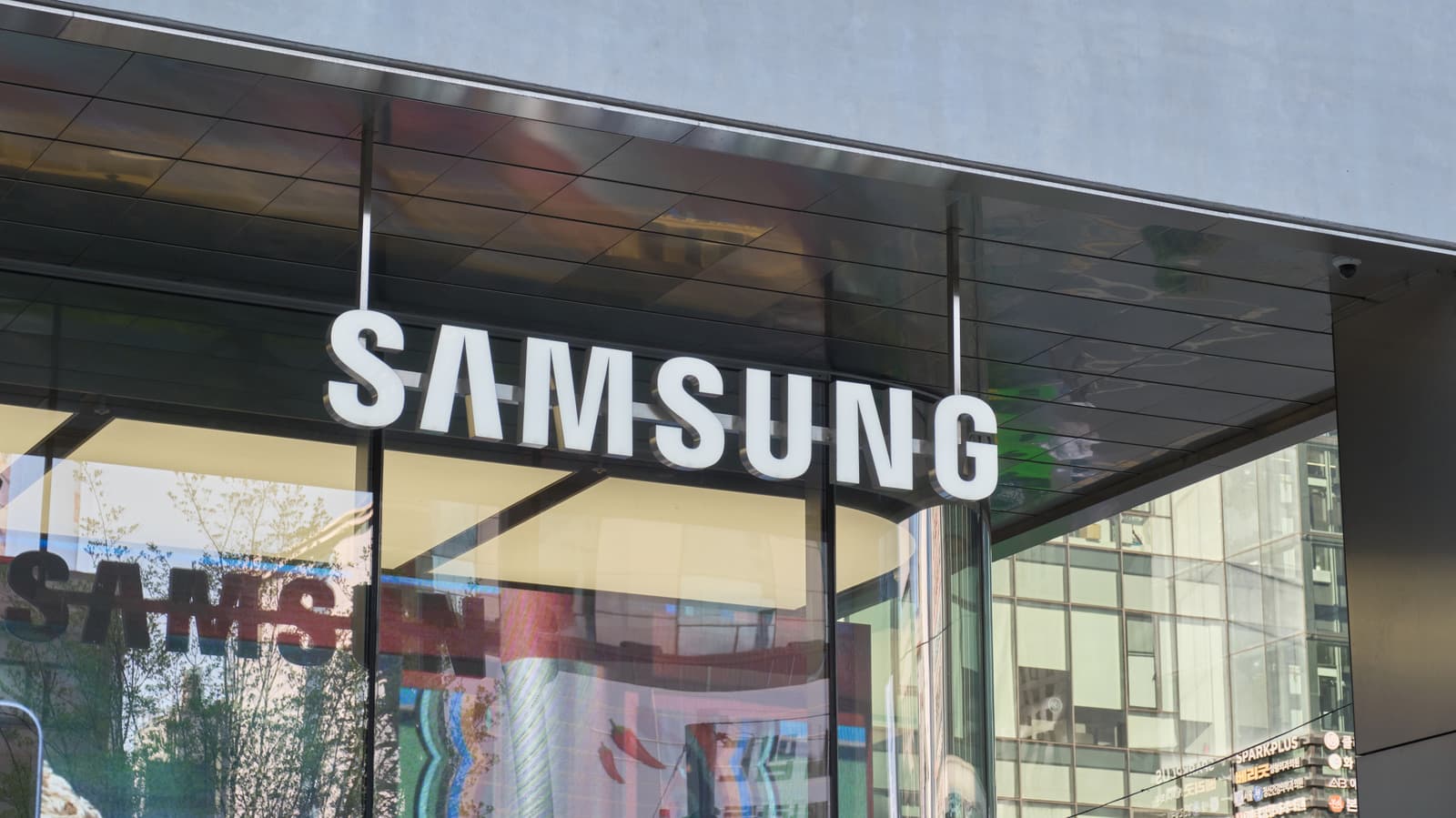
Samsung is staring down its largest labor action in years. Nearly 48,000 workers at the South Korean electronics giant plan to walk off the job on May 21 for an 18-day strike after bonus negotiations collapsed.
The striking workers represent 38% of Samsung's workforce in South Korea. Most belong to the company's memory chip division, its biggest moneymaker, which posted KRW 53.7 trillion ($35.63 billion) in operating profit for Q1 2026 alone.
What the union wants
The dispute centers on bonuses. Samsung's largest labor union wants two things: removal of the current bonus cap (set at 50% of annual salary) and allocation of 15% of annual operating profit to worker bonuses.
Union leader Choi Seung-ho said his organization accepted the final proposal from a government mediator. But Samsung rejected the terms.
“Accepting the labor union's excessive demands would undermine the fundamental principles of company management.”
— Samsung, in a company statement
The union points to rival SK Hynix, where workers reportedly received bonuses three times higher than Samsung employees last year. With Samsung posting record revenues driven by AI-fueled memory demand, workers argue they deserve a larger share.
Samsung secures partial injunction
Samsung has not taken the strike threat passively. The company convinced a South Korean court to grant an injunction requiring 7,087 workers to report to work during the strike. This skeleton crew should keep some production facilities running, limiting damage to chip output.
The company said it "will not give up on dialogue until the last moment" and that "there must be no strikes under any circumstances." South Korean labor commissioner Park Soo-keun offered government mediation if both parties return to negotiations.
Why the timing matters
Samsung is the world's largest DRAM maker by revenue. The company has been riding a wave of demand for memory chips used in AI servers and data centers. Its Q1 2026 total operating profit hit KRW 57.2 trillion ($37.96 billion), with the memory division accounting for most of that figure.
An 18-day walkout in the memory division could delay shipments to major customers. Even with the court-ordered skeleton crew, production would likely slow. For a company competing with SK Hynix and Micron in a capacity-constrained market, any disruption carries real cost.
If Samsung agreed to the union's demands, workers could earn bonuses worth millions of dollars given the company's recent profit levels. The math is straightforward: 15% of $37.96 billion in quarterly operating profit is roughly $5.7 billion per quarter allocated to bonuses.
Logicity's Take
What happens next
The strike is set to begin Thursday, May 21. Both sides have signaled willingness to talk, but neither has budged on core demands. Samsung wants to maintain its bonus cap. The union wants profit-sharing.
Commissioner Park's offer to mediate remains open. With 48 hours until walkout, the situation could still shift. But if workers do strike, the memory chip market will be watching closely.
Frequently Asked Questions
How many Samsung workers are going on strike?
Nearly 48,000 workers in South Korea, representing 38% of Samsung's workforce in the country, plan to participate in the 18-day strike starting May 21, 2026.
Why are Samsung workers striking?
The union wants Samsung to remove its bonus cap (currently 50% of annual salary) and allocate 15% of annual operating profit to worker bonuses. Samsung rejected these terms as excessive.
Will Samsung production stop completely during the strike?
No. Samsung obtained a court injunction requiring 7,087 workers to continue working during the strike to keep some production facilities running.
How much profit has Samsung's memory division made?
Samsung's memory division posted KRW 53.7 trillion ($35.63 billion) in operating profit for Q1 2026, making up most of the company's total $37.96 billion quarterly profit.
How long will the Samsung strike last?
The planned strike is scheduled for 18 days, though negotiations could resume at any point with government mediation available.
Need Help Implementing This?
Source: Engadget
Manaal Khan
Tech & Innovation Writer
Produced with AI assistance and reviewed by the Logicity editorial team. Learn more in our Editorial Policy.