Key Takeaways
- ASTRO File Manager from 2009 still works without ads or root access, though it hasn't been updated in over a year
- Instapaper launched in 2008 and remains useful for read-later functionality, especially on Kindle and Kobo devices
- SwiftKey pioneered gesture typing and still offers capabilities that newer keyboards lack
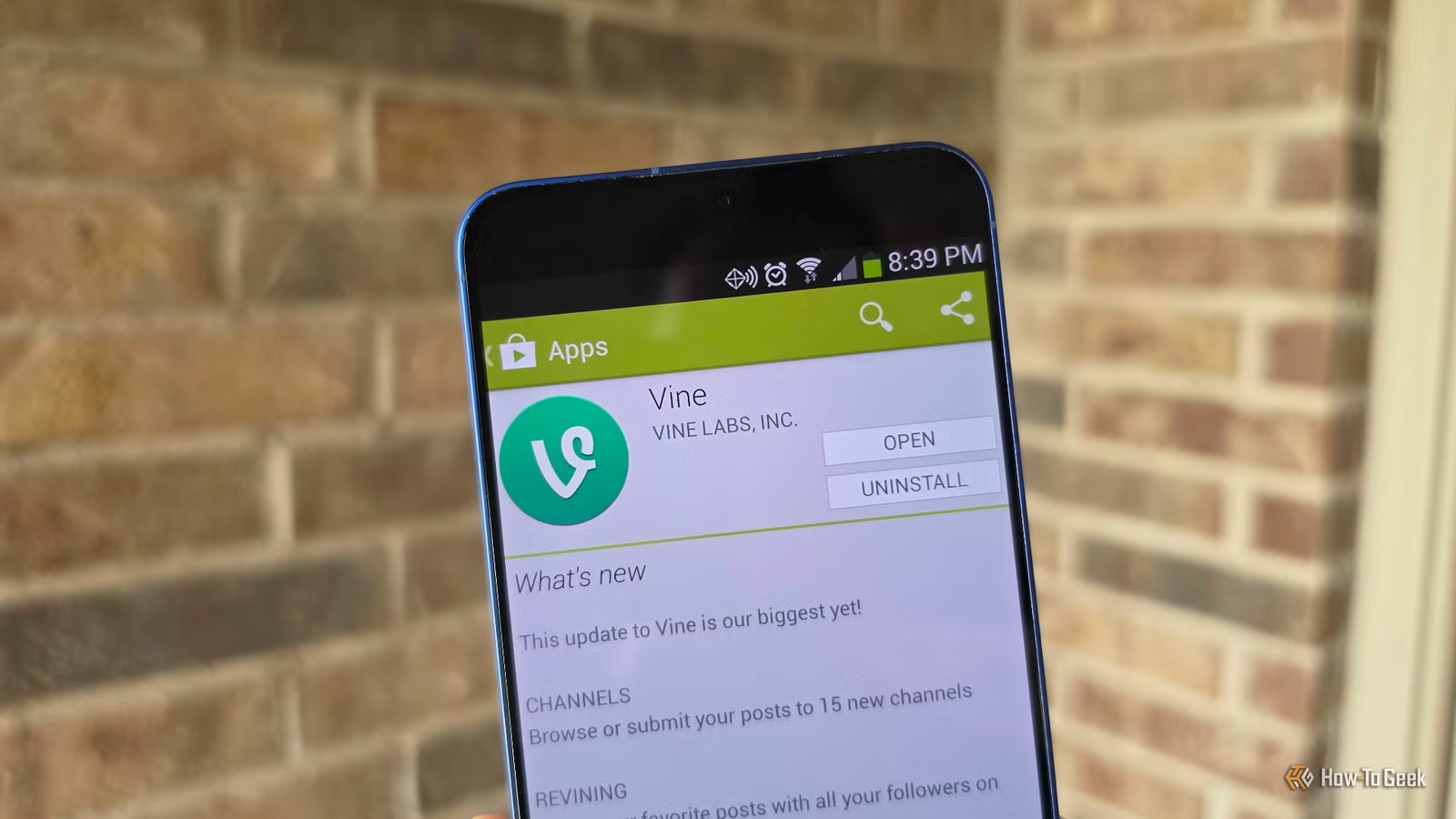
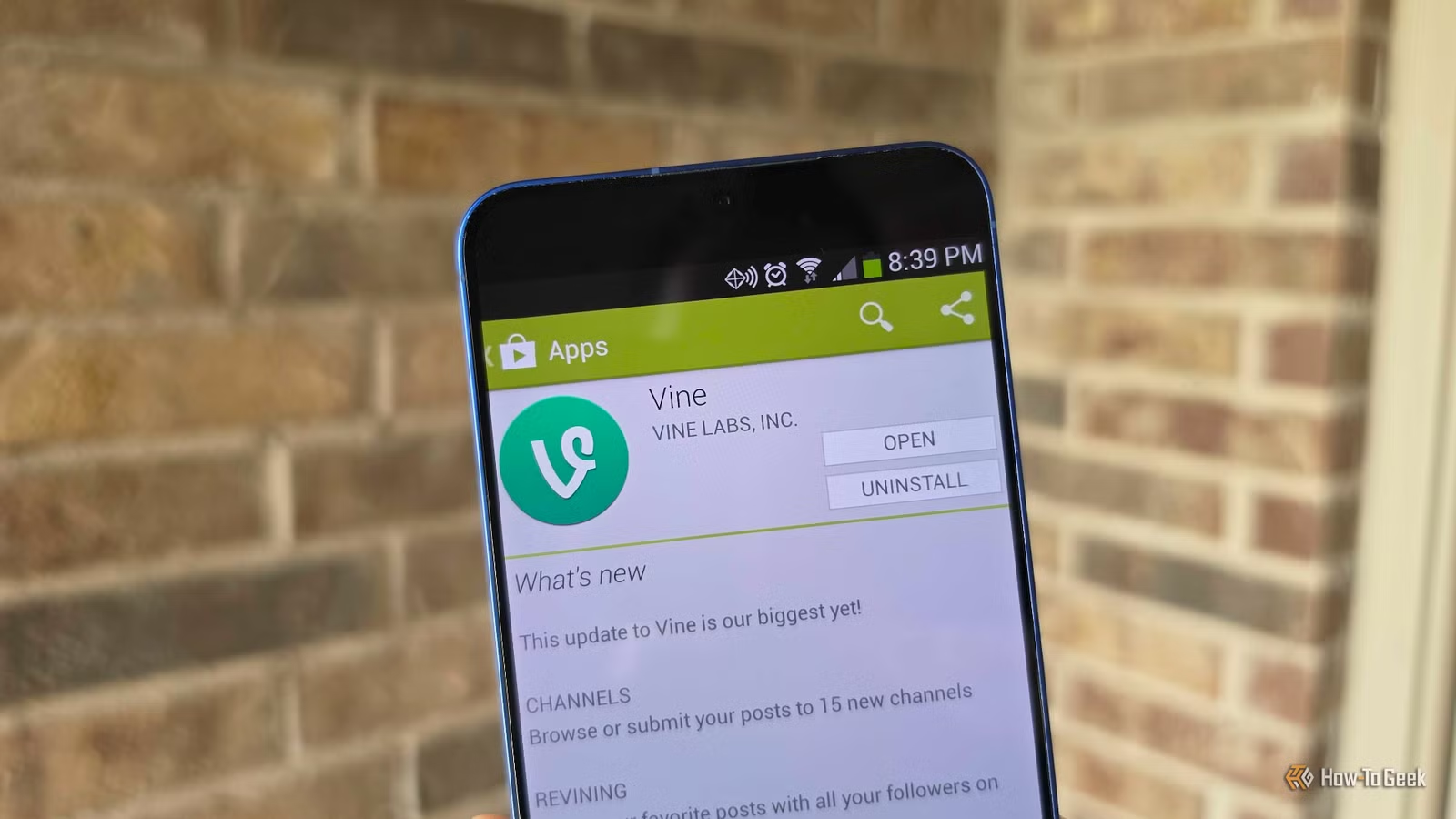
The Android Market launched in 2008. It became the Google Play Store in 2012 and now hosts over 1.8 million apps. Most software from those early days has vanished or become irrelevant. But a few apps from the early 2010s are still available, still functional, and still worth your time.
Cory Gunther at How-To Geek, who has used Android since the original T-Mobile G1 in 2008, compiled a list of five apps that have survived the platform's evolution. Here's what's still worth downloading.
ASTRO File Manager: The 2009 Tool That Still Works
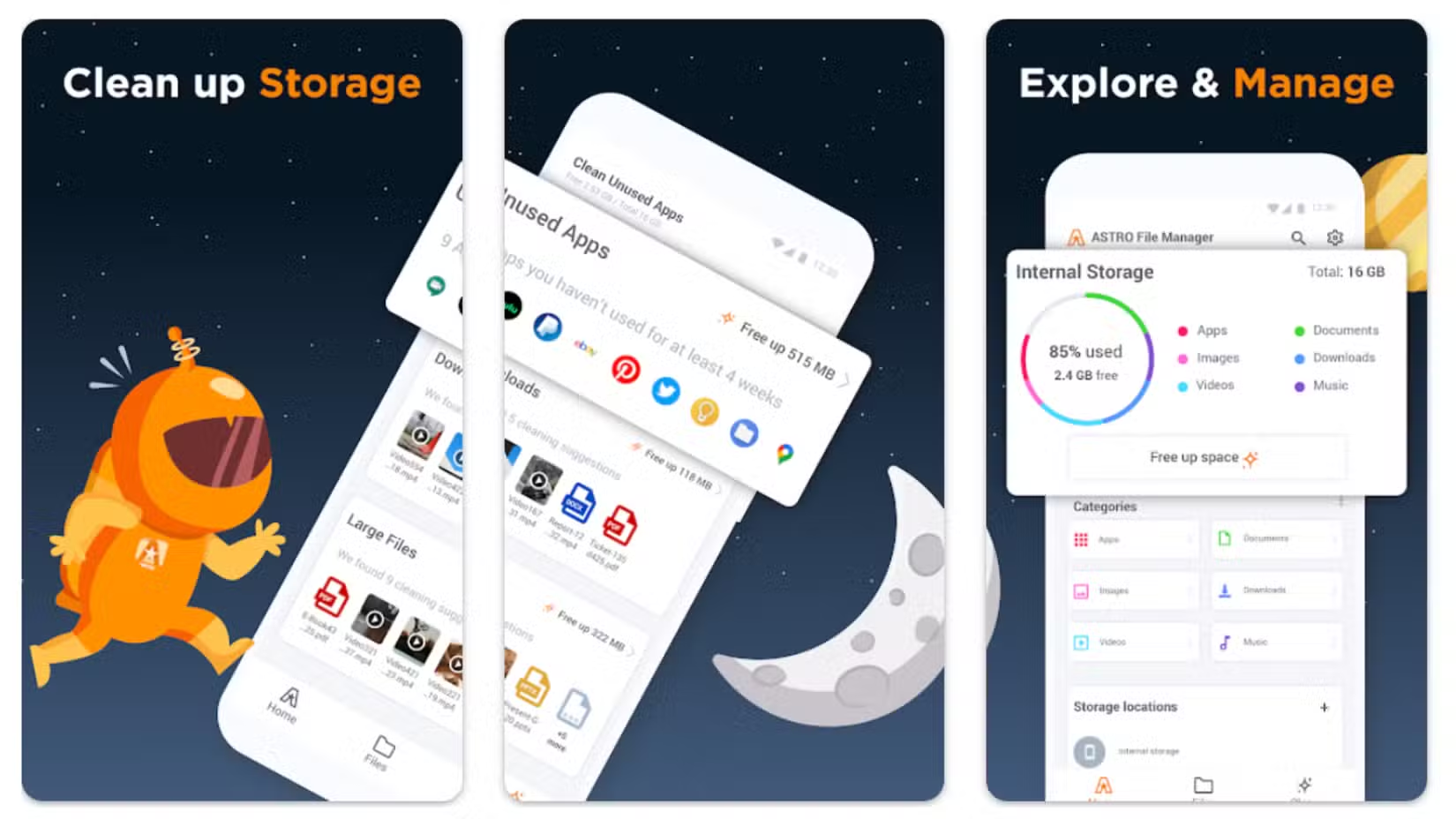
ASTRO File Manager launched in 2009. The app describes itself as an "all-in-one app for easily organizing, moving, and backing up your files and cleaning your phone's storage." That description remains accurate 17 years later.
ASTRO still handles file management without requiring root access. It's free and runs no ads. The catch: the app hasn't received an update in over a year. For users who need basic file operations without the bloat of modern alternatives, that may not matter.
ES File Explorer dominated this category for years, but privacy concerns drove many users away. Files by Google and various open-source options have filled the gap. ASTRO offers a middle path: familiar, functional, and forgotten.
Instapaper: The Original Read-Later App
Instapaper launched in 2008. It was among the most popular apps between 2008 and 2010. The concept was simple: save articles to read later, stripped of ads and clutter.
Pocket gained ground in subsequent years. More recently, alternatives like Raindrop.io have attracted users seeking new features. But Instapaper persists, particularly among Kindle and Kobo owners who value its e-reader integration.
Thousands of people used Instapaper 10 to 15 years ago. Many have forgotten it exists. The app remains functional, though its best features now sit behind a paywall.
SwiftKey: The Keyboard That Invented Gesture Typing
SwiftKey launched in 2010. Alongside Swype, it pioneered gesture typing on mobile devices. The feature that once required a third-party keyboard now ships with most Android phones by default.
Microsoft acquired SwiftKey in 2016. The keyboard continues to receive updates and retains prediction capabilities that some users prefer over stock alternatives. For anyone who remembers hunting for a better typing experience in the early Android days, SwiftKey represents a piece of mobile history that's still actively maintained.
More overlooked settings and configurations worth revisiting
Why These Apps Survived
These apps share a common trait: they solve specific problems without overreaching. ASTRO manages files. Instapaper saves articles. SwiftKey improves typing. None tried to become platforms or social networks. That narrow focus kept them useful even as flashier competitors came and went.
The trade-off is support. Apps like ASTRO may stop working after a future Android update. Instapaper's best features require payment. Users choosing these tools accept that stability isn't guaranteed.
Logicity's Take
Frequently Asked Questions
Is ASTRO File Manager safe to use in 2026?
ASTRO remains free and ad-free, but it hasn't been updated in over a year. It still functions for basic file management, though future Android updates could break compatibility.
Is Instapaper still free?
Instapaper offers a free tier, but its best features now require a paid subscription. The core read-later functionality remains accessible without payment.
Does SwiftKey still receive updates?
Yes. Microsoft acquired SwiftKey in 2016 and continues to maintain the keyboard with regular updates.
What happened to ES File Explorer?
ES File Explorer faced criticism over privacy practices and bloatware. Many users switched to alternatives like Files by Google, open-source options, or older apps like ASTRO.
Need Help Implementing This?
Source: How-To Geek
Manaal Khan
Tech & Innovation Writer
Produced with AI assistance and reviewed by the Logicity editorial team. Learn more in our Editorial Policy.