Key Takeaways
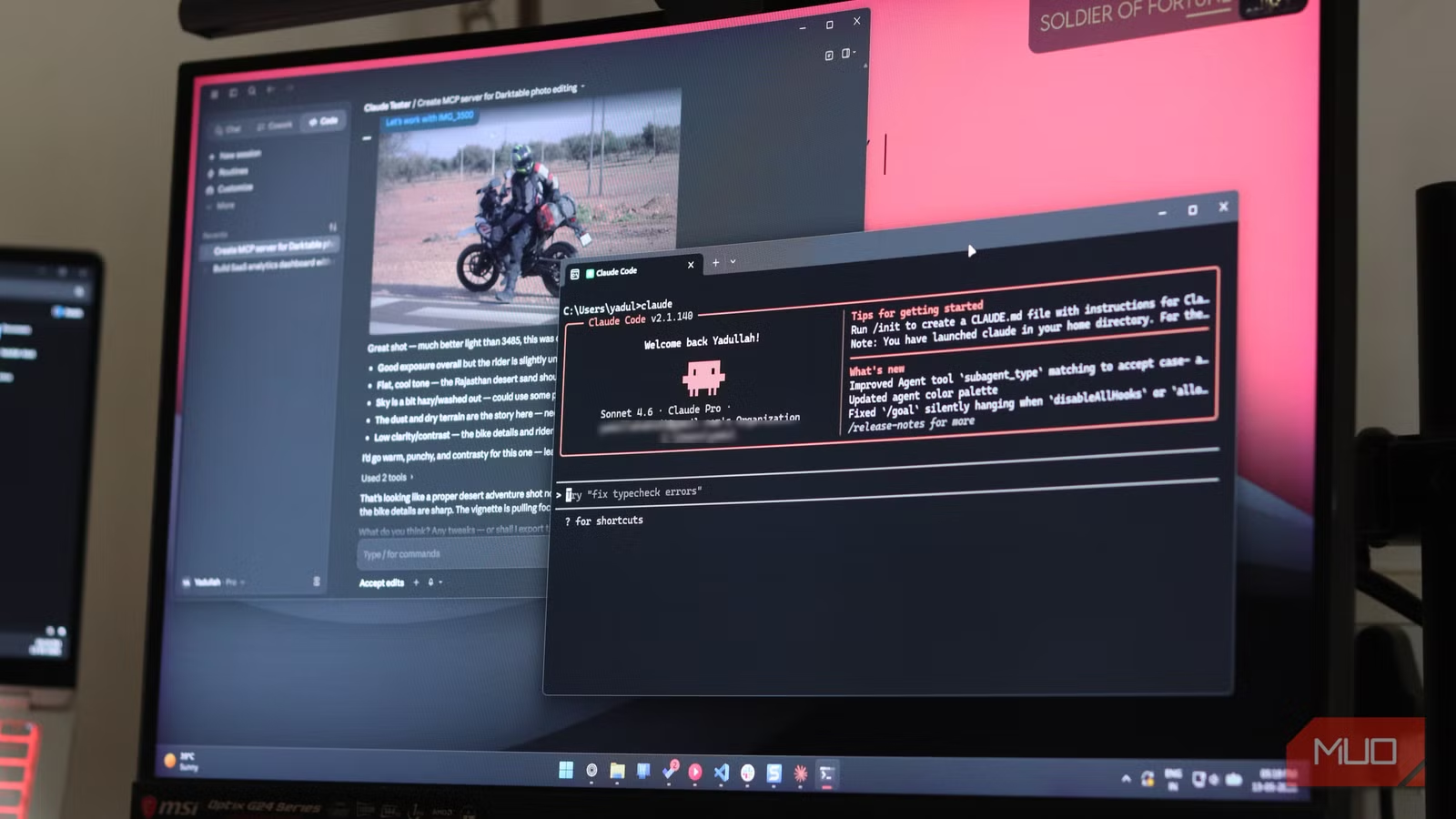
- MCP (Model Context Protocol) works like USB for AI, letting Claude connect to external databases, file systems, and apps
- The Memory Server gives Claude persistent context across conversations, so you don't re-explain preferences every session
- Context7 pulls live documentation into Claude, solving the outdated training data problem for developers
What MCP Actually Does
Model Context Protocol is an open standard Anthropic released in late 2024. Think of it as a USB port for AI. One standardized connection type lets Claude plug into databases, web tools, file systems, design apps, and just about anything else with an MCP server.
The ecosystem has grown fast. Hundreds of MCP servers now exist, each giving Claude a new capability it doesn't have out of the box. You're not limited to what Anthropic ships. You can extend Claude into a tool that fits your workflow.
More ways to extend Claude beyond basic chat
Memory Server: Context That Sticks
Claude's built-in memory is still rolling out, and even when it works, it can be inconsistent across conversations. The Memory Server fixes this by implementing a persistent knowledge graph that Claude can read from and write to across sessions.
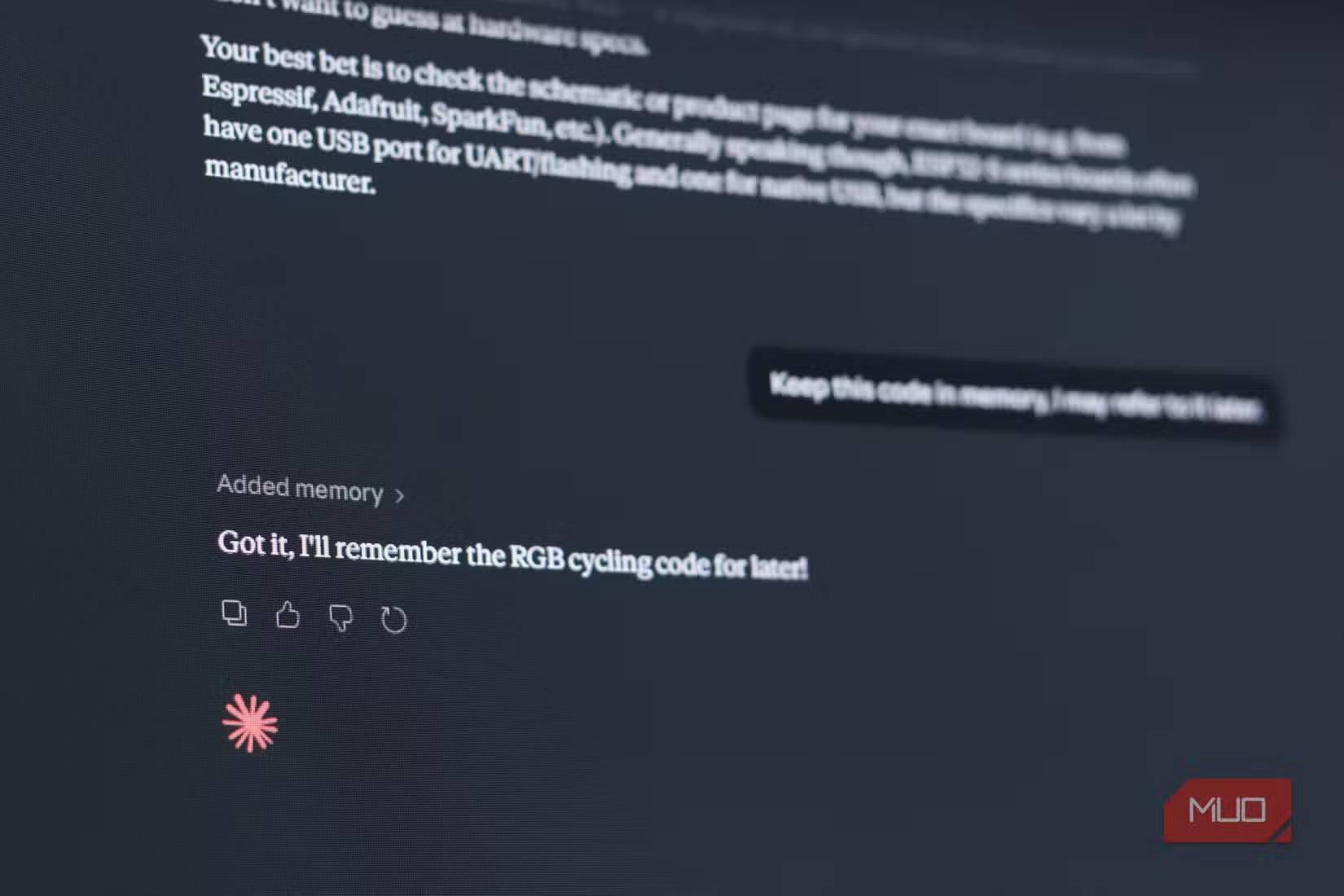
You can tell Claude to remember that you prefer TypeScript over JavaScript. Or that a specific project uses PostgreSQL. Or that you want responses formatted a certain way. The next time you open a chat, that information is still there. Over time, Claude starts to feel less like a tool you constantly re-brief and more like an assistant that knows how you work.
The memory data lives locally on your machine. You control what gets stored and can edit or delete it. No cloud sync to worry about.
Darktable MCP: Photo Editing Through Conversation
This one surprises people. By connecting Claude to Darktable (the open-source photo editor), you can edit photos through natural language. Tell Claude to adjust exposure, fix white balance, or apply a specific look, and it manipulates the actual editing software.
It's not a replacement for a professional colorist. But for batch adjustments, quick fixes, or learning what different edits do, it's surprisingly capable. You describe what you want in plain English instead of hunting through menus.
Context7: Live Documentation Access
Every developer has hit this wall: Claude gives you code based on outdated documentation. The library updated six months ago, but Claude's training data didn't. Context7 solves this by pulling live documentation directly into Claude's context.
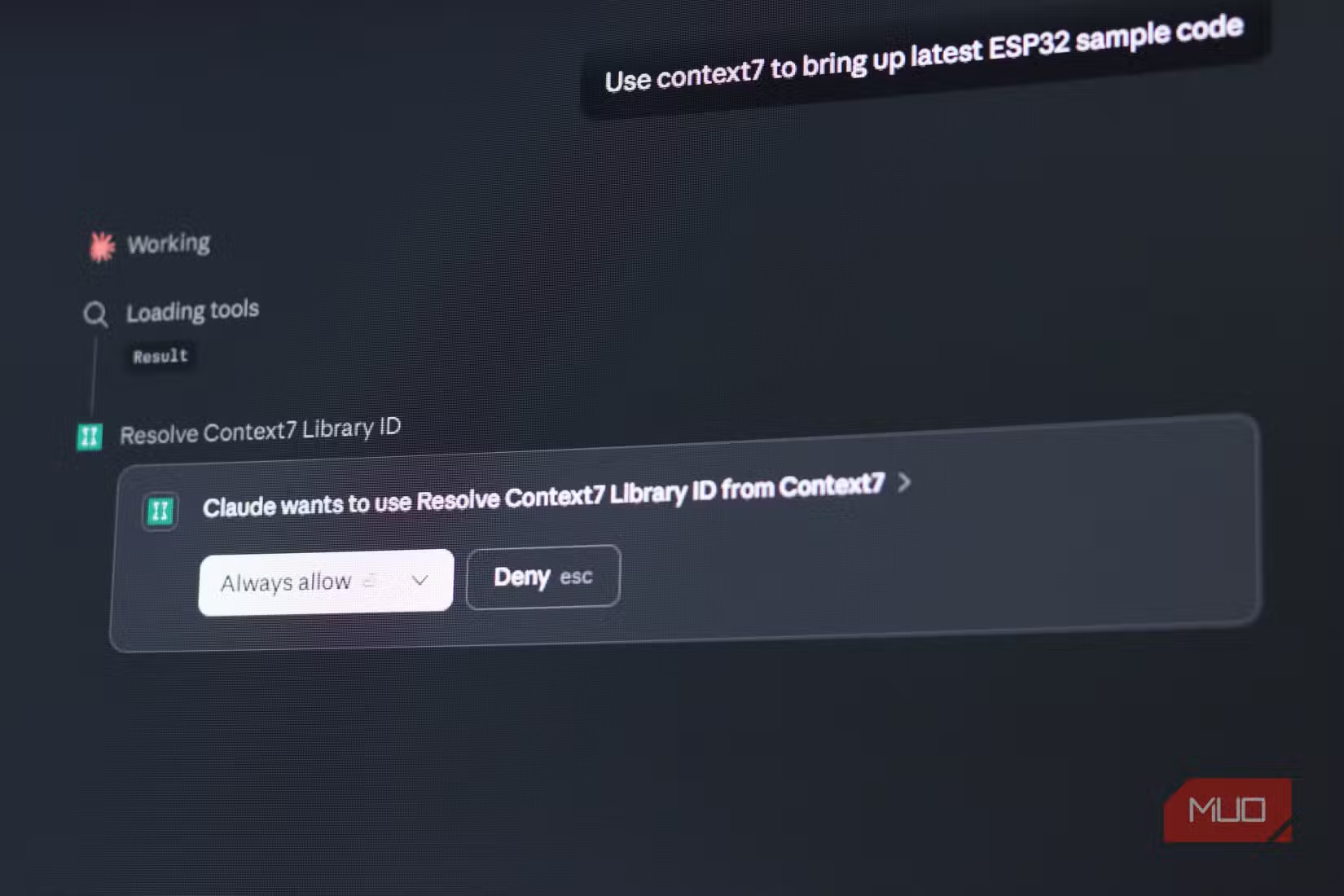
Ask Claude about a React hook or a Python library, and Context7 fetches the current docs. Claude reads them in real time. No more hallucinated APIs that don't exist. No more deprecated methods presented as best practice.
For developers working with fast-moving frameworks, this is the difference between Claude being helpful and Claude wasting your time with outdated answers.
Comparing Claude's coding tools with alternatives
Web Scraping MCP: Claude Reads the Live Web
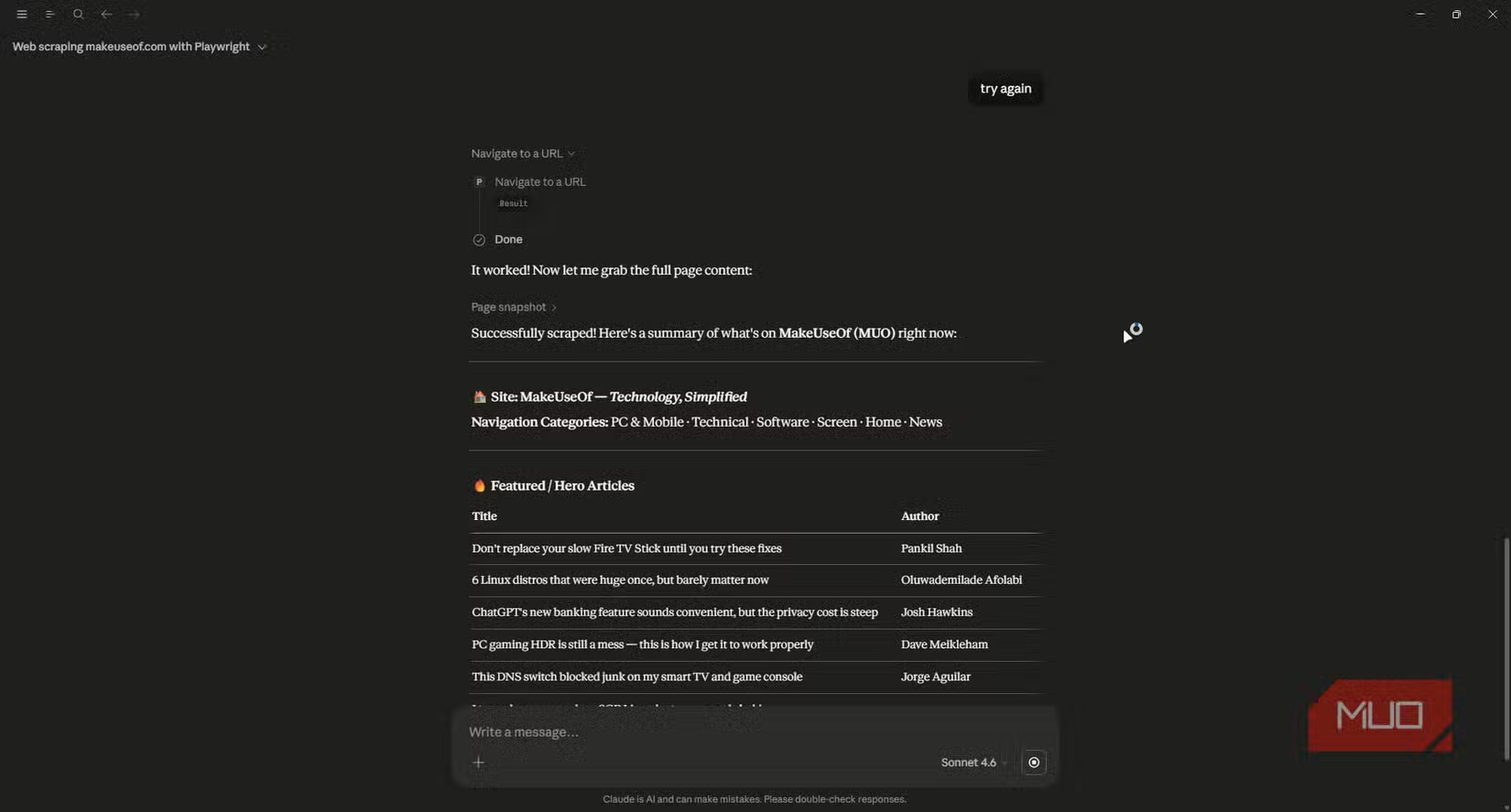
Claude can't browse the web by default. But several MCP servers add this capability, letting you point Claude at a URL and have it extract content, summarize pages, or pull specific data.
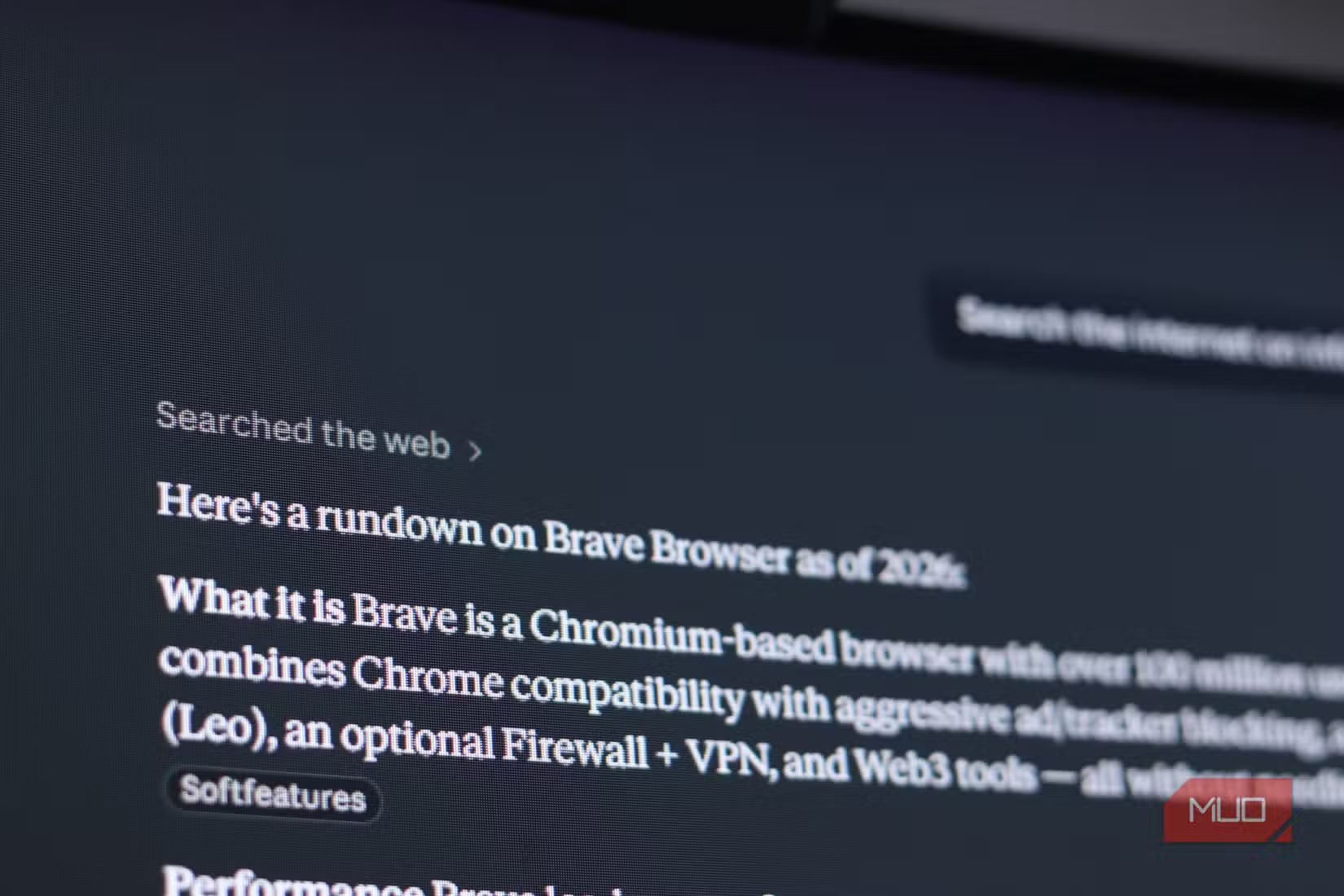
Use cases include competitive research (summarize this pricing page), content aggregation (what are the top five points from this article), or data extraction (pull all the product specs into a table). Claude handles the parsing. You get structured output.
Setting Up MCP Servers
Most MCP servers require some technical setup. You'll typically clone a repository, configure connection details, and point Claude Desktop at the server. The exact steps vary by server, but the MCP ecosystem is well-documented.
Start with one server that solves a problem you actually have. Memory Server is a good first choice for most users. It's straightforward to set up and immediately useful. Add more servers as you find gaps in what Claude can do.
Logicity's Take
Frequently Asked Questions
Frequently Asked Questions
Do MCP servers work with Claude's free tier?
MCP servers work with Claude Desktop, which requires a Claude Pro subscription. The servers themselves are typically free and open source.
Is my data safe with MCP servers?
Most MCP servers run locally on your machine. Your data doesn't leave your computer unless the specific server requires an external connection. Check each server's documentation for details.
Can I build my own MCP server?
Yes. MCP is an open standard with published documentation. If you can write code that exposes an API, you can build an MCP server for Claude to connect to.
Do MCP servers work with other AI models?
MCP is designed as an open standard, so other AI providers can adopt it. Currently, Claude has the most mature MCP support since Anthropic created the protocol.
Need Help Implementing This?
Source: MakeUseOf
Claude Platform GA and New AWS Transform Agents
The new article reports the general availability of the Claude Platform on AWS, allowing users to access Anthropic's native experience and APIs directly through their AWS accounts. It also highlights that AWS Transform agents are now available within Claude, providing new capabilities for large-scale code modernization and infrastructure migration.
Manaal Khan
Tech & Innovation Writer
Produced with AI assistance and reviewed by the Logicity editorial team. Learn more in our Editorial Policy.