Key Takeaways
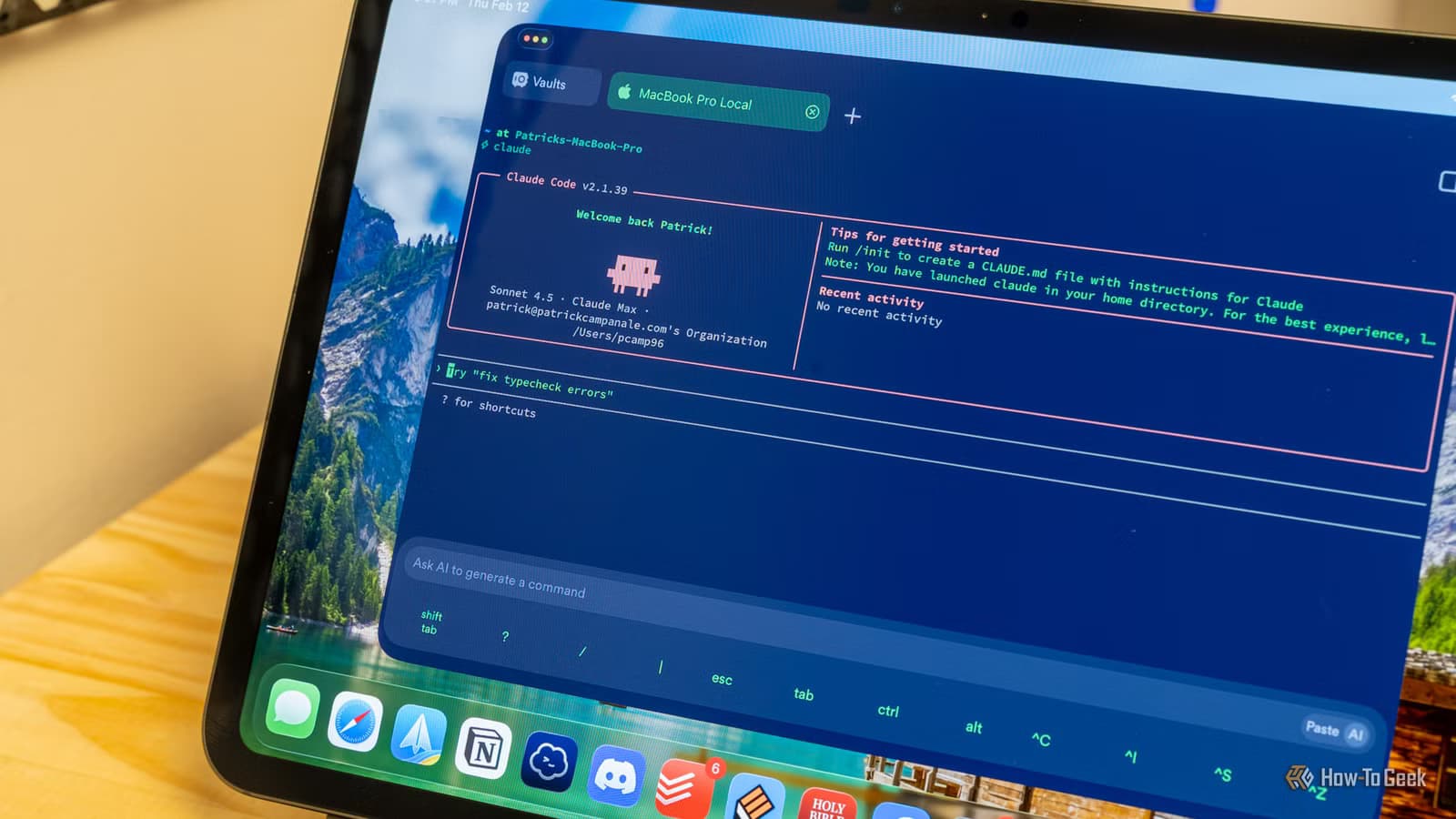
- Claude's Cowork mode gives the AI direct access to folders like Desktop and Downloads
- You can automate file organization, cleanup, and sorting tasks that pile up over years
- The feature works through Claude's desktop app, not the web interface
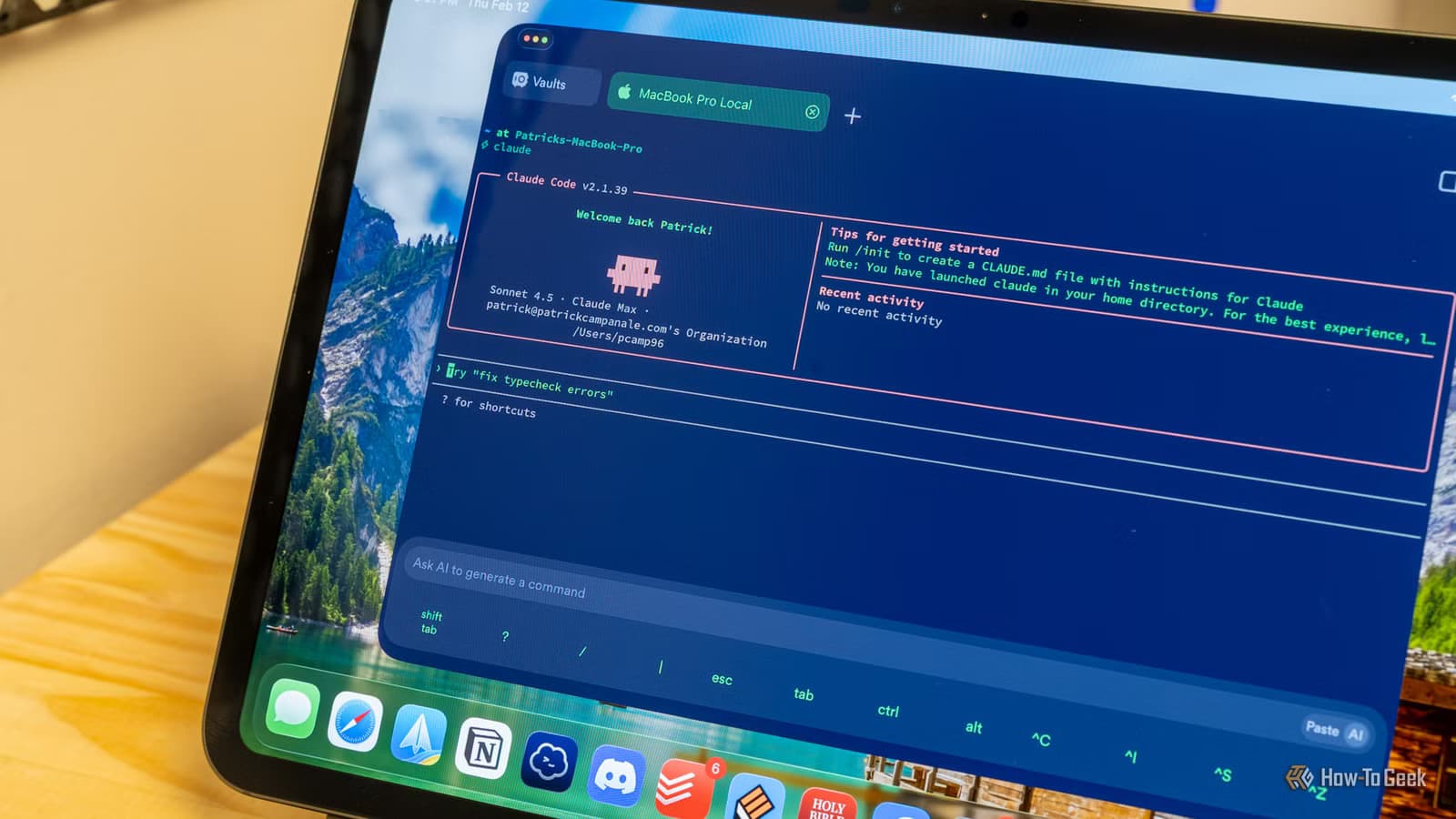
Most people use Claude for quick questions or drafting emails. That's fine, but it misses what makes Claude different from a standard chatbot. The desktop app includes a feature called Cowork mode that lets Claude actually control parts of your computer. You give it folder access, describe what you want, and it handles the rest.
Dibakar Ghosh at How-To Geek spent time testing this feature on tasks most of us avoid for years. His verdict: the boring stuff you've been putting off is exactly where AI agents shine.
What Cowork Mode Actually Does
Cowork mode is part of Claude's desktop application, not the web version. When you enable it, you grant Claude access to specific folders on your machine. It can then scan files, read contents, move items, rename things, and organize based on your instructions.
This is different from asking Claude to write you a script. Claude executes the task directly. You describe the goal in plain language, and the AI figures out how to accomplish it.
Task 1: Cleaning Up a Disaster Desktop
Ghosh describes a common problem: years of files dumped on the desktop or Downloads folder with no organization. Screenshots, PDFs, installers, text files, random downloads you don't recognize anymore. The cleanup feels overwhelming, so it never happens.
His approach was typical. Everything went into a "Review" folder to sort later. By early 2025, he had around 12 different review folders still waiting.
With Cowork mode, he pointed Claude at these folders and asked it to scan, categorize, and sort. Claude identified file types, grouped related items, and moved them into logical project folders. The task that felt like hours of tedious clicking became a conversation.
What Makes This Different From Scripts
You could write a Python script to sort files by extension. That's been possible for decades. The difference with Claude is context.
A script sorts mechanically: all PDFs go here, all PNGs go there. Claude reads filenames, peeks at content, and makes judgment calls. A screenshot of a receipt might go in "Expenses" while a screenshot of a bug goes in "Development." You describe the outcome you want, not the rules to get there.

The Setup
To use Cowork mode, you need the Claude desktop app installed. The feature requires Claude Pro at $20 per month. You'll grant folder permissions during setup, which determines which parts of your file system Claude can access.
- Download the Claude desktop app from Anthropic's site
- Subscribe to Claude Pro ($20/month)
- Enable Cowork mode and grant folder access
- Describe tasks in natural language
Beyond File Organization
File cleanup is the obvious use case. But the same capability applies to any folder-based task. Ghosh mentions using it for sorting project assets, cleaning up old downloads, and identifying duplicate files.
The pattern is consistent: tasks you've avoided because they're tedious and require judgment, not because they're hard. These are exactly the tasks where an AI agent adds value.
More ways to optimize your Windows setup
What to Watch For
Giving AI access to your file system requires trust. Start with non-critical folders. Test on a backup or duplicate before letting Claude reorganize anything important.
Claude can make mistakes. It might misclassify a file or move something you wanted kept in place. The approach here is iterative: give a small task, check the results, then expand scope.
Logicity's Take
Frequently Asked Questions
Does Claude Cowork mode work on Mac and Windows?
The Claude desktop app is available for both Mac and Windows. Cowork mode's folder access works on either platform.
Is Claude Cowork mode included in the free tier?
No. Cowork mode requires Claude Pro, which costs $20 per month.
Can Claude delete files automatically?
Claude can move and organize files. Whether it deletes depends on your instructions. Start with non-destructive tasks and review results before enabling deletion.
What's the difference between Cowork mode and asking Claude to write a script?
Cowork mode executes tasks directly. You describe what you want in plain language, and Claude handles implementation. With a script, you're still responsible for running and debugging the code.
Need Help Implementing This?
Source: How-To Geek
Huma Shazia
Senior AI & Tech Writer
Produced with AI assistance and reviewed by the Logicity editorial team. Learn more in our Editorial Policy.