Key Takeaways
- The eclipse will last 7 minutes and 51 seconds at maximum, making it one of the longest annular eclipses of the 2020s
- Best viewing locations are northern Patagonia in Argentina and coastal West Africa
- The moon will cover 93% of the sun's disk, leaving a bright ring visible along a 9,011-mile path
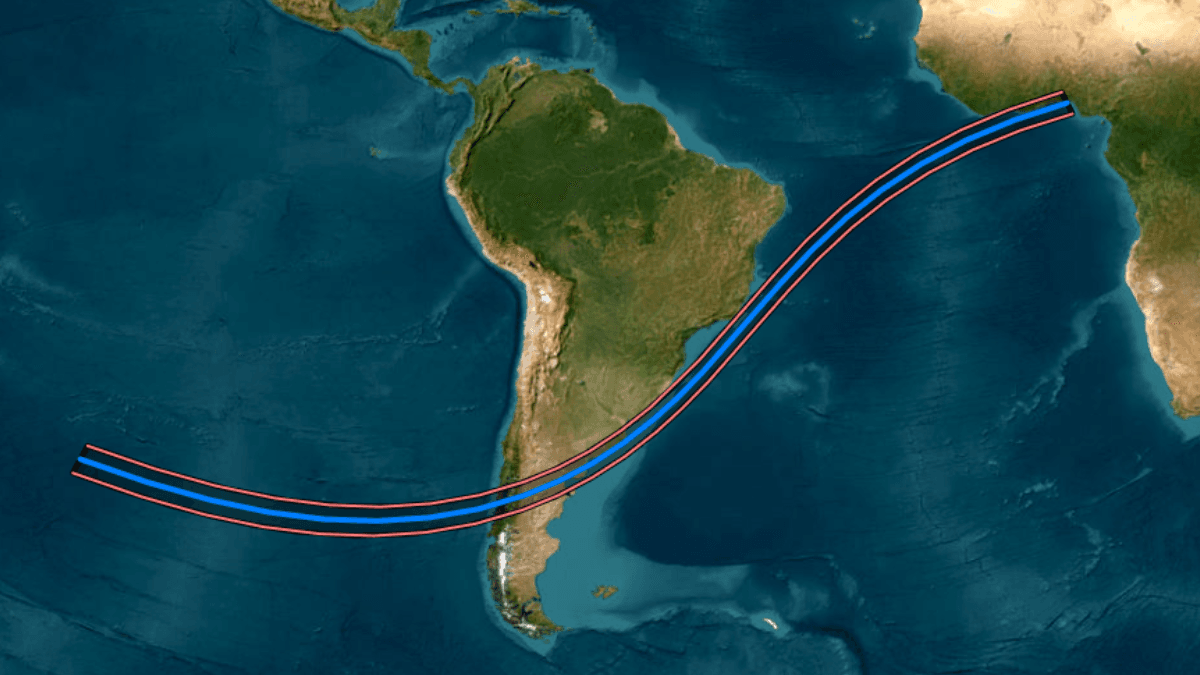
Mark your calendars for February 6, 2027. An annular solar eclipse will trace a 9,011-mile path from the south Pacific Ocean to the coast of West Africa, creating a 'ring of fire' that will last nearly 8 minutes at its peak.
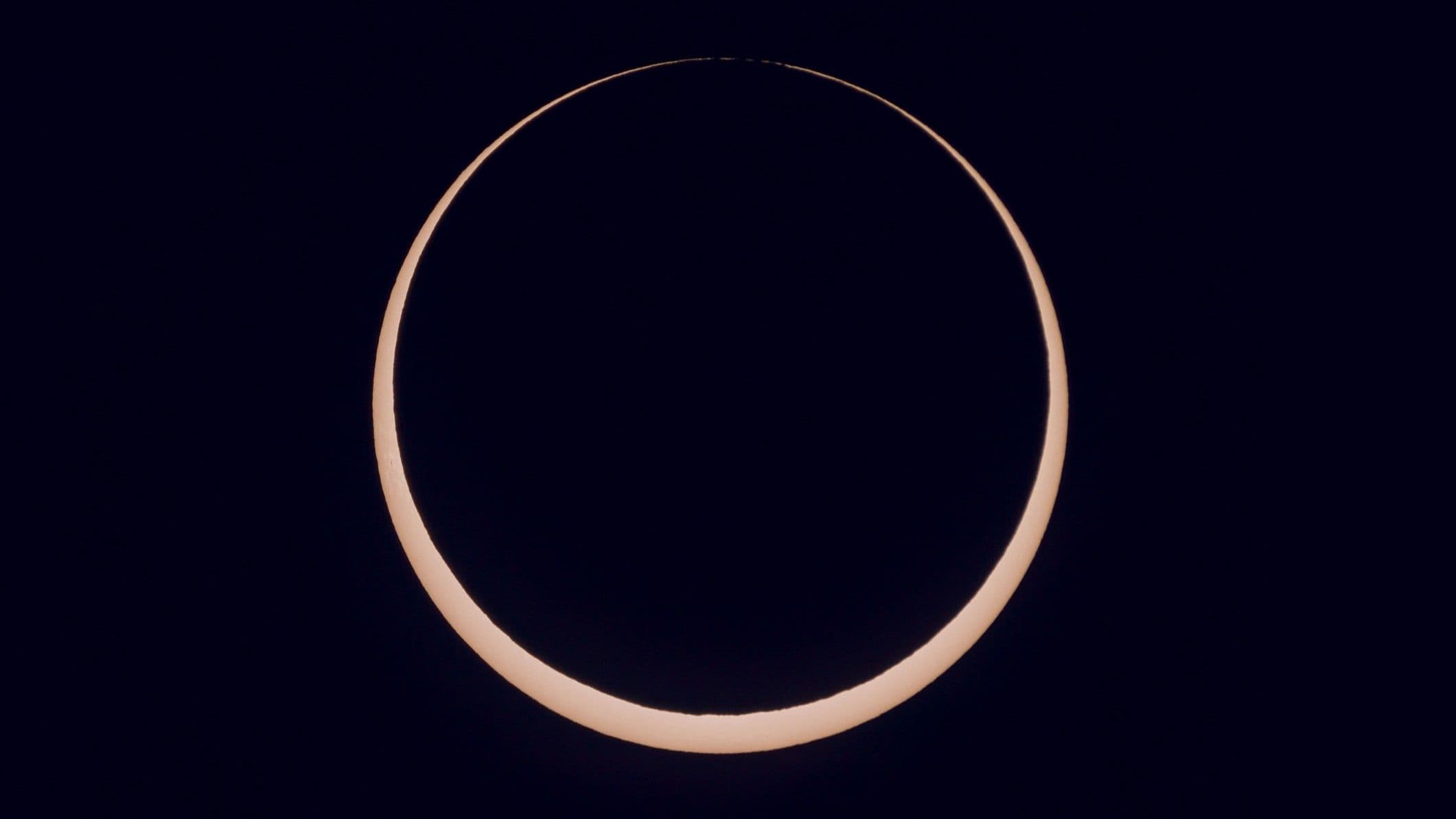
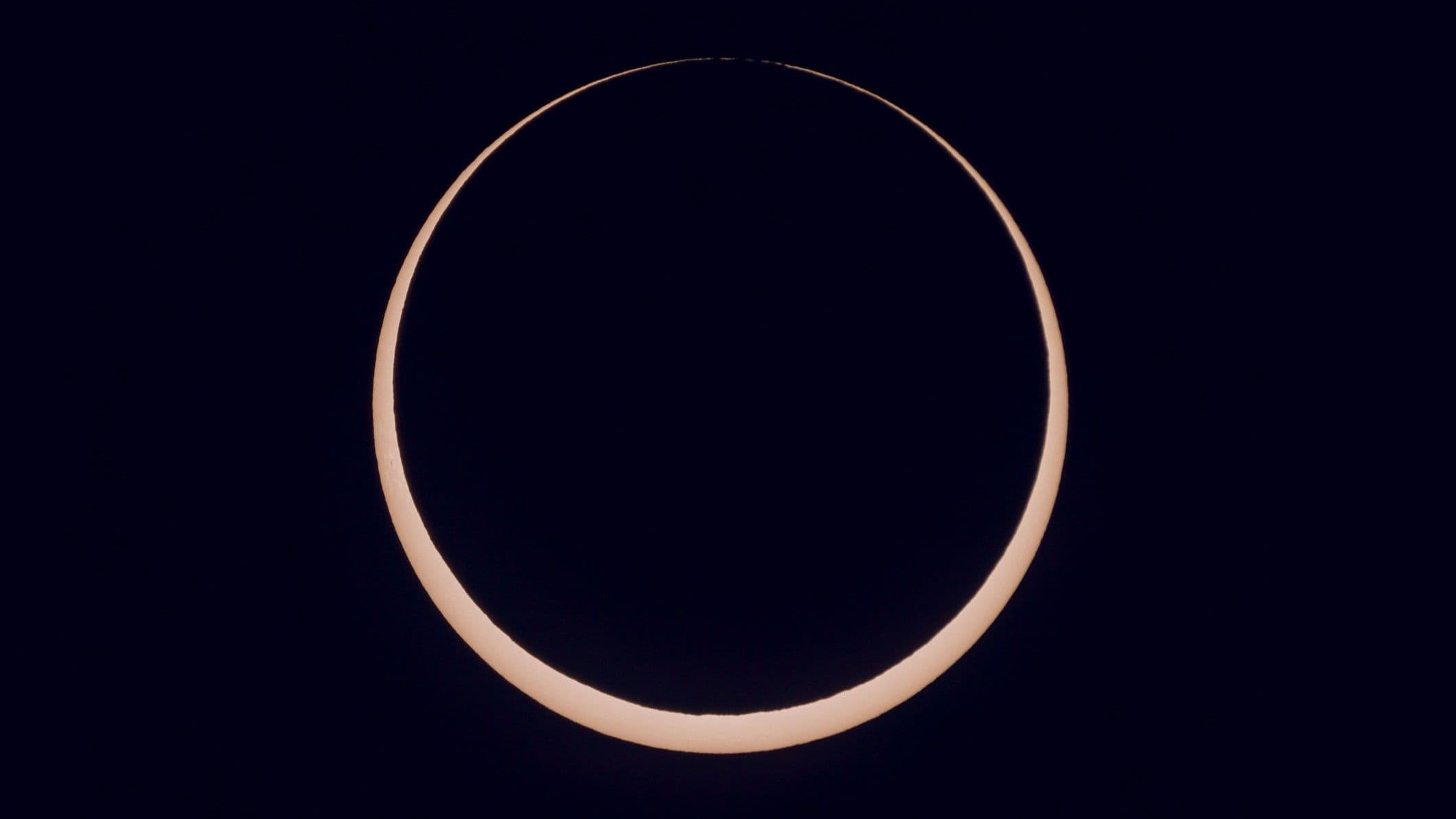
At the point of greatest eclipse in the Pacific, the moon will cover 93% of the sun's disk. That leaves a bright ring visible for 7 minutes and 51 seconds. It's one of the longest annular solar eclipses this decade.
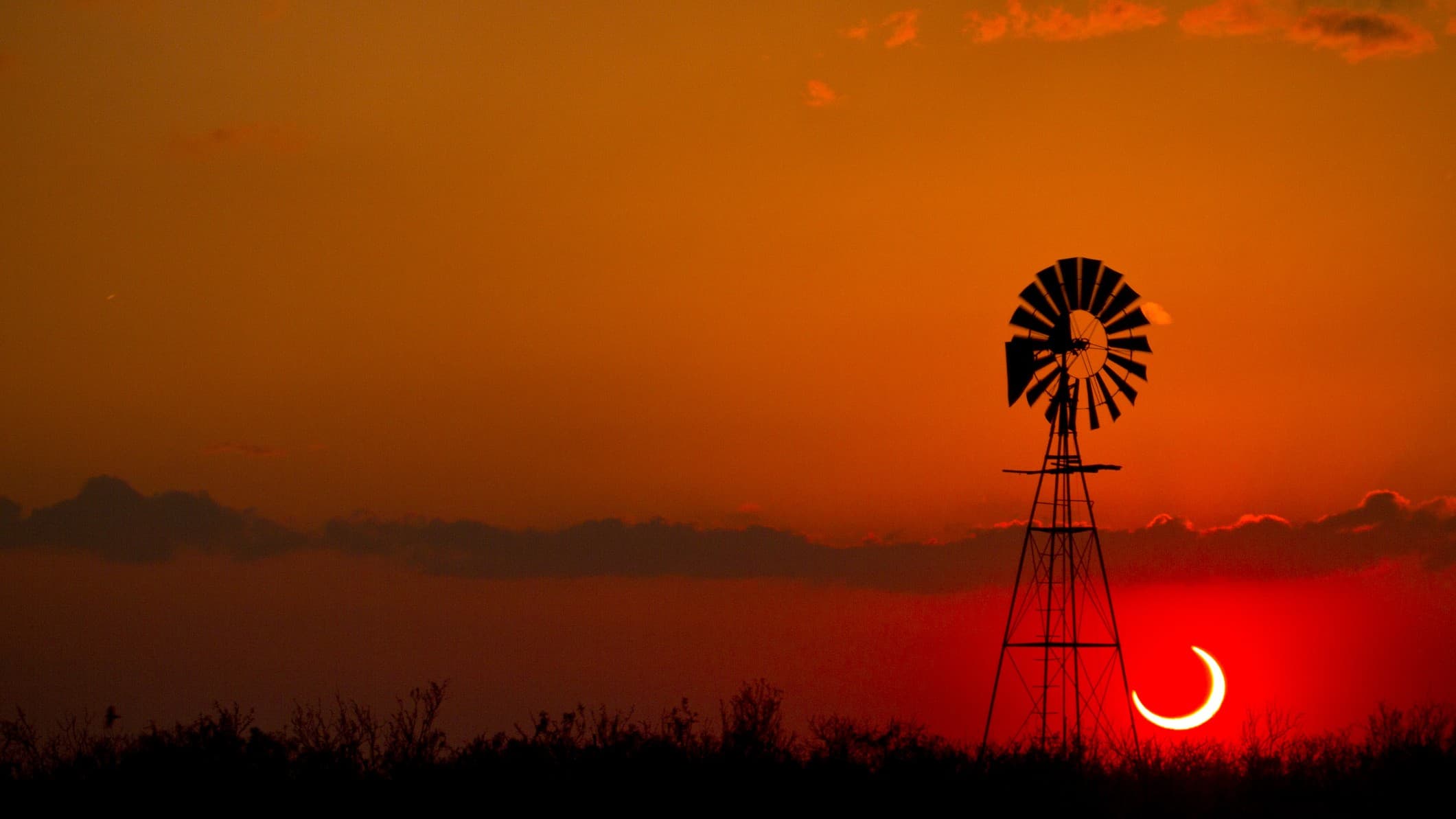
Unlike a total solar eclipse, the moon won't completely block the sun. During an annular eclipse, the moon is near its apogee, its farthest point from Earth. It appears smaller than the sun in the sky. The result is that brilliant ring of light around the moon's silhouette.
The Path Through South America
The eclipse path crosses southern Chile, Argentina, Uruguay, and a tiny sliver of Brazil. The path of annularity stretches between 180 and 220 miles wide, giving observers plenty of room to position themselves.
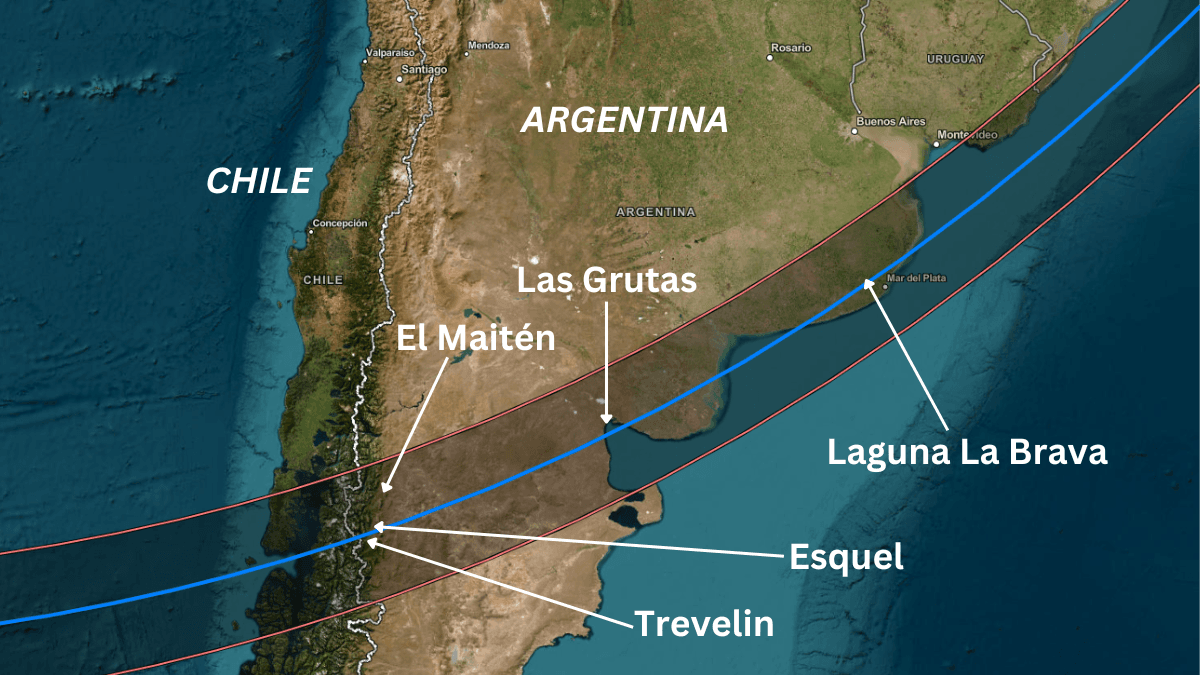
For the best viewing experience on land, head to Chile or Argentina. Northern Patagonia offers wide skies, low population density, and favorable February weather. Argentina in particular has a better chance of clear skies.
Chile's Pacific coast will see the ring of fire about 50 degrees above the northeast horizon. But this region of mountains and fjords is both logistically challenging and often cloudy. Average February cloud cover along the centerline in Chile typically runs around 65%.
The Path Through Africa
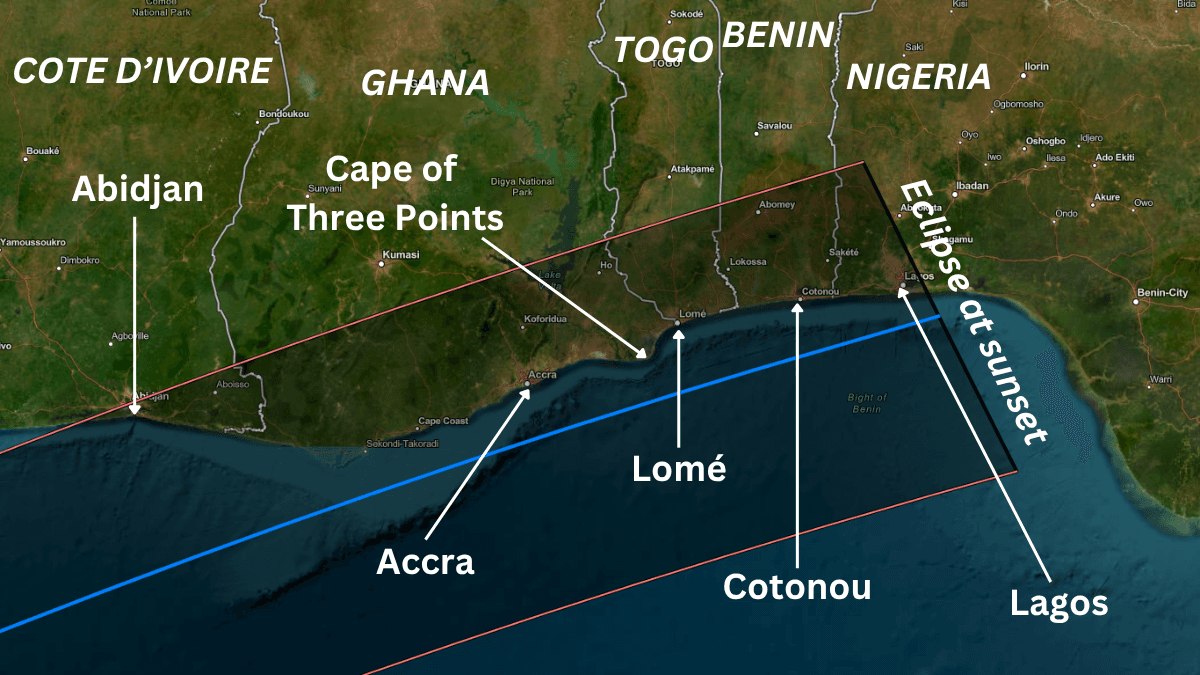
After crossing the Atlantic Ocean, the northern edge of the eclipse path makes landfall in West Africa. Observers in Côte d'Ivoire, Ghana, Togo, Benin, and Nigeria will see the ring of fire before the eclipse ends in the Gulf of Guinea.
Why This Eclipse Lasts So Long
The duration of an annular eclipse depends on the moon's apparent size relative to the sun and the observer's position along the path. When the moon is near apogee and the geometry aligns favorably, the annular phase can stretch well beyond typical durations.
This particular eclipse hits a sweet spot. The moon's position and the path geometry combine to produce nearly 8 minutes of annularity at maximum. Most annular eclipses last between 3 and 6 minutes.
Safety First: You Still Need Eclipse Glasses
This is critical: during an annular eclipse, it is never safe to look directly at the sun without ISO-certified solar eclipse glasses. Unlike a total eclipse, the sun remains partially visible throughout the entire event. The exposed portion is still bright enough to damage your eyes.
Standard sunglasses don't cut it. You need glasses specifically designed for solar viewing. The same goes for camera equipment. Pointing an unfiltered lens at the sun can damage sensors and, if you're looking through a viewfinder, your eyes.
Planning Your Trip
Eclipse chasers are already discussing travel logistics in online communities. The r/solareclipse subreddit has active threads about Patagonia trip planning. Key considerations include weather prospects, accommodation availability, and transportation in remote areas.
February is late summer in the Southern Hemisphere. Northern Patagonia typically enjoys good weather this time of year. But eclipse chasers know to have backup locations ready. A two to three hour drive can mean the difference between clear skies and clouds.
Some enthusiasts are exploring cruise ship options for viewing the partial phases near the Antarctic Peninsula. This adds flexibility but requires careful planning around the ship's position during the eclipse window.



Logicity's Take
Frequently Asked Questions
Where is the best place to see the 2027 annular solar eclipse?
Northern Patagonia in Argentina offers the best combination of eclipse duration, viewing angle, and favorable weather. The region has wide open skies and February cloud cover is lower than in coastal Chile.
How long will the 2027 annular eclipse last?
At the point of maximum eclipse in the Pacific Ocean, annularity will last 7 minutes and 51 seconds. On land in South America, observers can expect around 6 to 7 minutes depending on their position along the path.
Do I need special glasses for an annular eclipse?
Yes. Unlike a total eclipse, the sun is never fully blocked during an annular eclipse. You must use ISO-certified solar eclipse glasses throughout the entire event to avoid eye damage.
What countries will see the 2027 ring of fire eclipse?
The path of annularity crosses Chile, Argentina, Uruguay, a small part of Brazil, and then Côte d'Ivoire, Ghana, Togo, Benin, and Nigeria in West Africa.
What percentage of the sun will be covered during the 2027 annular eclipse?
At maximum eclipse, the moon will cover 93% of the sun's disk, leaving a relatively large bright ring visible around the moon's silhouette.
Another space and physics story about extreme energy phenomena
Need Help Implementing This?
Source: Latest from Space.com
Manaal Khan
Tech & Innovation Writer
Produced with AI assistance and reviewed by the Logicity editorial team. Learn more in our Editorial Policy.