Key Takeaways
- Avalanche's five-inch prototype reached 11 million degrees Celsius, exceeding the 10 million degree threshold that signals serious fusion potential
- The company spent less than $50 million to hit the milestone, a fraction of what larger fusion projects require
- If desktop-scale fusion works, it could compete with diesel generators and natural gas turbines rather than just massive power plants
A Sun-Core Temperature in a Five-Inch Device
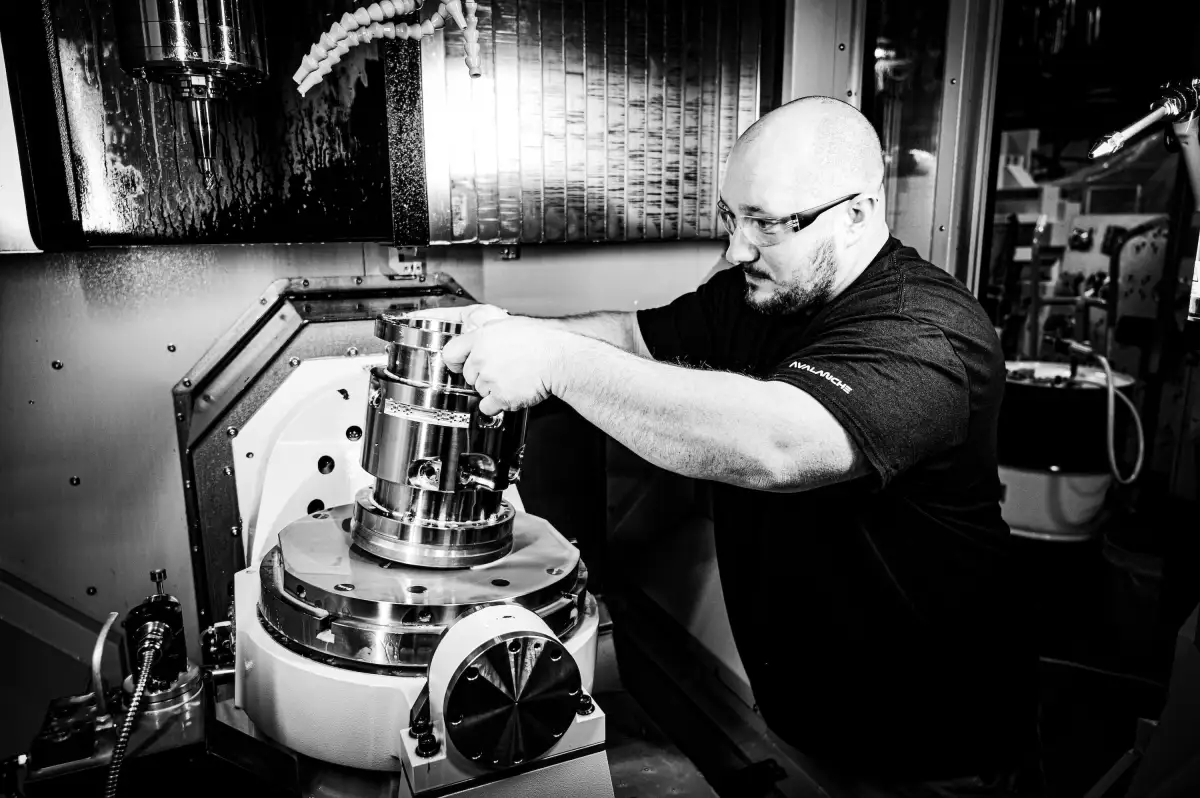
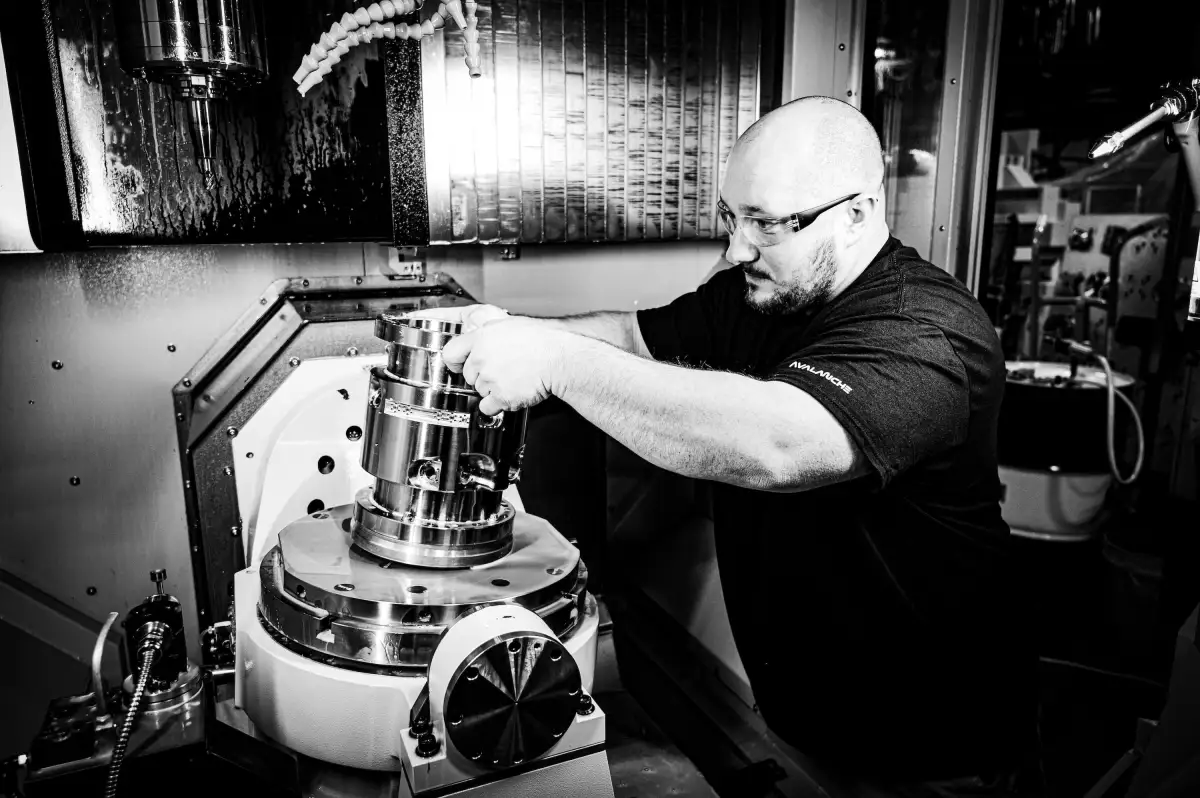
Avalanche Energy has heated plasma to roughly 11 million degrees Celsius inside a fusion reactor core that measures just five inches in diameter. The temperature exceeds what physicists consider the critical threshold: 10 million degrees, nearly as hot as the center of the sun.
Only a handful of companies have accomplished this. Most spent far more money getting there. Avalanche told TechCrunch it burned through less than $50 million in venture investment to reach the milestone.
The company's approach stands apart from mainstream fusion efforts. While competitors like Commonwealth Fusion Systems and TAE Technologies build room-sized machines with multi-billion dollar budgets, Avalanche is betting that smaller, cheaper, and faster iteration wins the race.
Why Temperature Matters in Fusion
Plasma physicists don't use thermometers. They measure particle energy in kiloelectron volts (keV). The fusion community watches for experiments that exceed 1 keV. As Bob Mumgaard, CEO of Commonwealth Fusion Systems, has said: "That's hot enough that the world will take notice."
Temperature is one of three variables that determine whether fusion reactions occur. Plasma must be hot enough for particles to collide with sufficient force. It must also be dense enough, and confined long enough, for fusion to happen.
Hitting 11 million degrees doesn't guarantee success. But it does suggest Avalanche is on a path toward conditions that could spark fusion reactions producing more power than they consume to start.
The Orbitron Approach: Electrostatic vs. Magnetic
Traditional fusion projects like ITER use massive magnetic fields generated by superconducting magnets to confine plasma. These machines cost billions. Avalanche takes a different route with its "Orbitron" technology, which uses electrostatic confinement instead.
“This isn't just about fusion; it's about making fusion a manageable, modular commodity that fits on a table, not in a football stadium.”
— Robin Langtry, CEO of Avalanche Energy
The startup's latest device, called Jyn, has been updated 25 times since last fall. That rapid iteration is only possible because the device is small. A five-inch core can be redesigned, rebuilt, and retested in weeks. A football-stadium-sized tokamak takes years between design changes.
Funding and Validation
Avalanche raised $40 million in Series A funding in 2023 and received a $10 million grant from Washington State for its FusionWERX facility. The company targets 2028 for profitability through secondary revenue streams, likely including isotope generation for medical and industrial uses.
The temperature milestone hasn't been published in a peer-reviewed journal yet. However, Avalanche said a plasma physicist at MIT validated the results. For now, the finding remains an internal claim backed by independent expert review rather than formal academic publication.
What Desktop Fusion Could Compete With
Most fusion startups design reactors capable of generating dozens or hundreds of megawatts. These would compete with natural gas plants and nuclear reactors. Avalanche is aiming lower: smaller, cheaper units that might replace diesel generators or serve specialized applications.
If the approach works, modular fusion units could power remote installations, military bases, or industrial sites where grid connection is expensive or impractical. The business model shifts from selling massive power plants to selling compact power modules.
The skepticism is real. Discussions on Hacker News around Avalanche's announcement typically center on the gap between "scientific milestone" and "net energy gain." Reaching 11 million degrees proves the physics works at small scale. It doesn't prove the economics will follow.
The Road Ahead
Fusion has been "20 years away" for decades. Avalanche's bet is that starting small and iterating fast could compress that timeline. The company has already cycled through 25 versions of its device in under a year.
The next milestones will be harder: achieving plasma density and confinement time sufficient for sustained fusion reactions, then demonstrating net energy gain. Each step will require the physics to keep cooperating as the engineering scales up.
For now, reaching sun-core temperatures in a device you could fit on a desk is a meaningful signal. It suggests that fusion power might not require the scale, complexity, and cost that the industry has assumed for decades.
Logicity's Take
Frequently Asked Questions
How hot is 11 million degrees Celsius compared to the sun?
The sun's core is about 15 million degrees Celsius. Avalanche's plasma reached roughly 73% of that temperature in a device five inches across.
Has Avalanche achieved net energy gain?
No. The temperature milestone is a necessary step toward fusion reactions, but it doesn't mean the device produces more energy than it consumes. Net energy gain remains the major unsolved challenge.
How does Avalanche's approach differ from other fusion companies?
Most fusion projects use magnetic confinement in large facilities. Avalanche uses electrostatic confinement in a desktop-scale device, allowing faster iteration at lower cost.
When could Avalanche's technology become commercially viable?
The company targets 2028 for profitability, likely through secondary applications like isotope generation rather than full-scale power production.
Has the 11 million degree result been peer-reviewed?
Not formally. Avalanche says the results were validated by a plasma physicist at MIT, but the findings haven't been published in a peer-reviewed journal.
Another look at how emerging technology is reshaping capital allocation
Need Help Implementing This?
Source: TechCrunch / Tim De Chant
Manaal Khan
Tech & Innovation Writer
Produced with AI assistance and reviewed by the Logicity editorial team. Learn more in our Editorial Policy.




