Key Takeaways
- AI-powered Siri debuts after missing its original iOS 18 launch window
- New Siri will understand screen context and take actions across apps
- Apple is launching a standalone Siri chatbot app for the first time
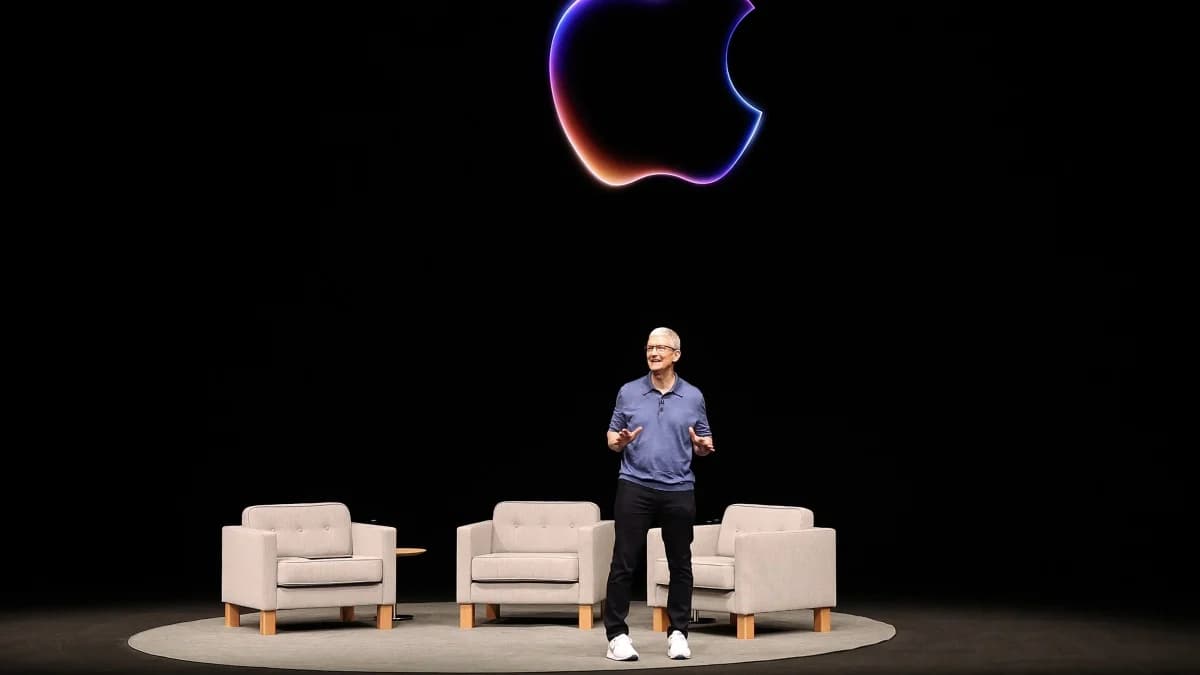
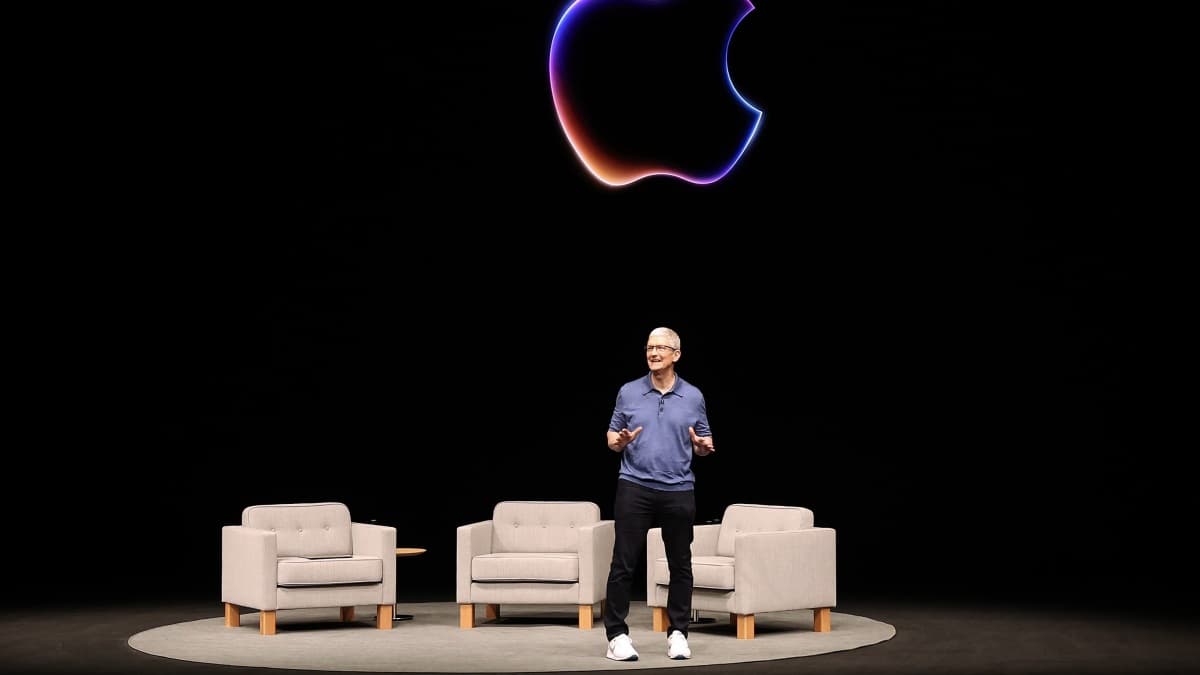
Apple's Worldwide Developers Conference begins Monday, June 8, and the company is expected to finally deliver on a promise it made two years ago: an AI-powered Siri that actually works like a modern assistant.
The event will unveil iOS 27, iPadOS 27, macOS 27, watchOS 27, tvOS 27, and visionOS 27. But the real story is whether Apple can catch up to ChatGPT and Gemini after years of Siri stagnation.
The Two-Year Wait for AI Siri
Apple first announced an AI-upgraded Siri during WWDC 2024, promising it would ship with iOS 18. That didn't happen. The company released some AI features under the "Apple Intelligence" brand, but the smarter Siri kept slipping.
The delay has cost Apple more than just credibility. A class action lawsuit emerged over the gap between Apple's marketing claims and Siri's actual capabilities.
“This will be the most significant software update in a decade, shifting Siri from a command-taker to a true proactive partner.”
— Mark Gurman, Tech Analyst at Bloomberg
Multiple reliable sources now indicate the upgraded assistant will arrive with iOS 27. If true, Apple is finally entering the generative AI race that competitors joined years ago.
What the New Siri Will Do
The upgraded Siri is expected to understand context from your screen. Ask it a question while looking at a webpage or email, and it should know what you're referring to.
Apple is reportedly adding a new gesture to access the assistant. You'll be able to drag down from the top of your screen at any time to summon it. This is separate from the existing swipe-down for notifications or search.
The bigger change: Siri is getting its own standalone chatbot app. For the first time since Siri launched in 2011, you'll have a dedicated app for longer AI conversations rather than quick voice commands.
- Screen context awareness: Siri will see and understand what's on your display
- Cross-app actions: Edit images, share files, and perform multi-step tasks
- Deep search: Pull information from Messages, Mail, and other apps to answer questions
- Standalone chatbot app: A dedicated space for extended AI conversations
The cross-app search is particularly interesting. Apple's example: ask "What time does my mom's flight get in?" and Siri should search your Messages and Mail to find her travel itinerary and flight details. This is the kind of contextual intelligence that ChatGPT and Gemini have offered through plugins and integrations.
Apple's AI Strategy: Privacy First
Apple is positioning its AI approach around on-device processing. While competitors send queries to cloud servers, Apple emphasizes that much of the intelligence will run locally on your iPhone or Mac.
“We are building intelligence into every layer of our platform, not just as a feature, but as the foundation of the user experience.”
— Tim Cook, CEO at Apple
That said, Apple isn't going it alone. Reports indicate Gemini will power some of the new Siri features, similar to how Apple already offers ChatGPT as an option within iOS. The hybrid approach lets Apple offer cutting-edge AI while maintaining its privacy messaging for simpler tasks.
Developer and User Skepticism
Online discussions reveal mixed reactions. Hacker News and Reddit threads show skepticism about whether Apple can deliver privacy-preserving AI that actually matches competitor capabilities.
Developers are watching the standalone Siri app closely. If Apple's built-in assistant becomes genuinely useful, it could squeeze third-party AI apps that have filled the gap during Siri's stagnation.
The 1.5 billion active iPhone users represent a massive audience for any AI feature Apple ships. Even modest improvements could shift how hundreds of millions of people interact with AI daily.
What Else to Expect
Beyond Siri, Apple Intelligence will reportedly get natural language upgrades. You'll be able to describe what you want in plain English, and iOS will configure settings or perform actions accordingly.
The full scope of iOS 27 features remains unclear. Apple keeps announcements close until the keynote. But the AI focus is unmistakable. After years of letting competitors define the AI assistant category, Apple is making its move.
Logicity's Take
Compare Apple's AI approach to Google's latest Gemini features
See how Microsoft handles AI privacy concerns
More leaked Apple hardware news
Frequently Asked Questions
When is WWDC 2026?
WWDC 2026 begins Monday, June 8, with Apple's keynote presentation announcing iOS 27 and other software updates.
What is the new AI Siri?
AI Siri is an upgraded assistant that understands screen context, searches across apps to answer questions, and can take actions like editing images or sharing files on your behalf.
Will Siri have its own app?
Yes. Apple is reportedly launching a standalone Siri chatbot app for extended AI conversations, separate from the quick-access voice assistant.
Does Apple use ChatGPT or Gemini?
Apple offers ChatGPT as an option within iOS and reportedly uses Google's Gemini to power some Siri features, while emphasizing on-device processing for privacy.
Why was AI Siri delayed?
Apple announced AI Siri at WWDC 2024 for iOS 18 but never shipped it. The company hasn't explained the delay, though it faced a class action lawsuit over the gap between marketing and actual capabilities.
Need Help Implementing This?
Source: Lifehacker
Huma Shazia
Senior AI & Tech Writer
Produced with AI assistance and reviewed by the Logicity editorial team. Learn more in our Editorial Policy.