Key Takeaways
- Gemini Spark successfully completed multi-step tasks like drafting emails with data pulled from Google Drive
- The AI agent figured out personal relationships and even used private sign-offs without explicit instruction
- Access requires Google AI Ultra at $39.99/month, raising questions about whether the convenience justifies the cost
The Demo vs. Reality Test
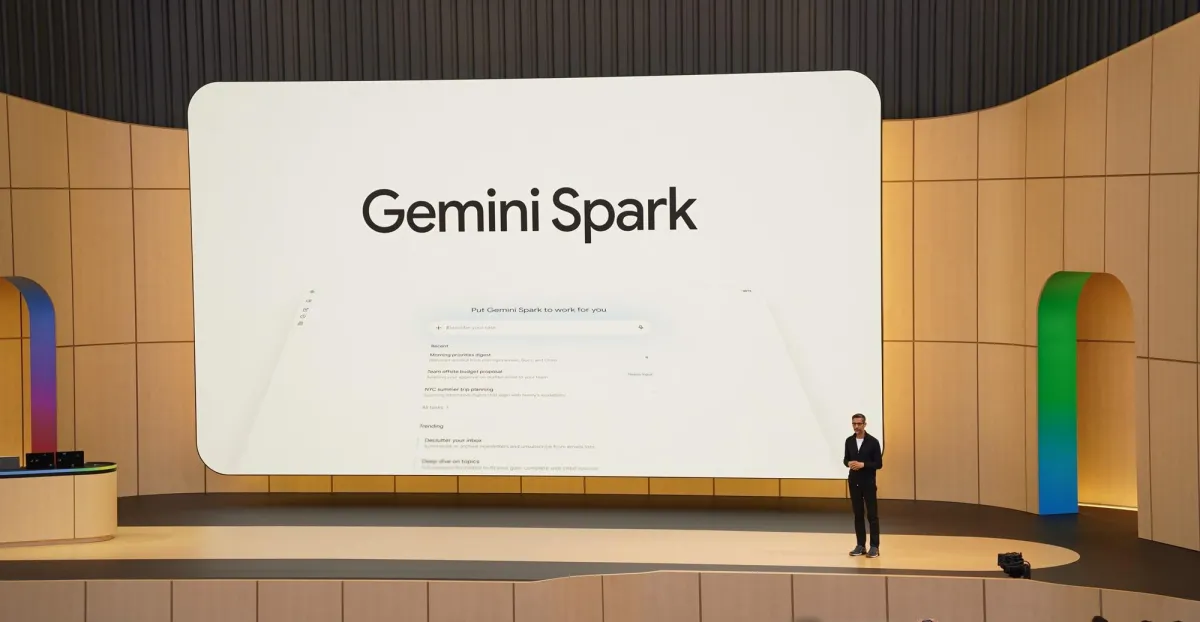
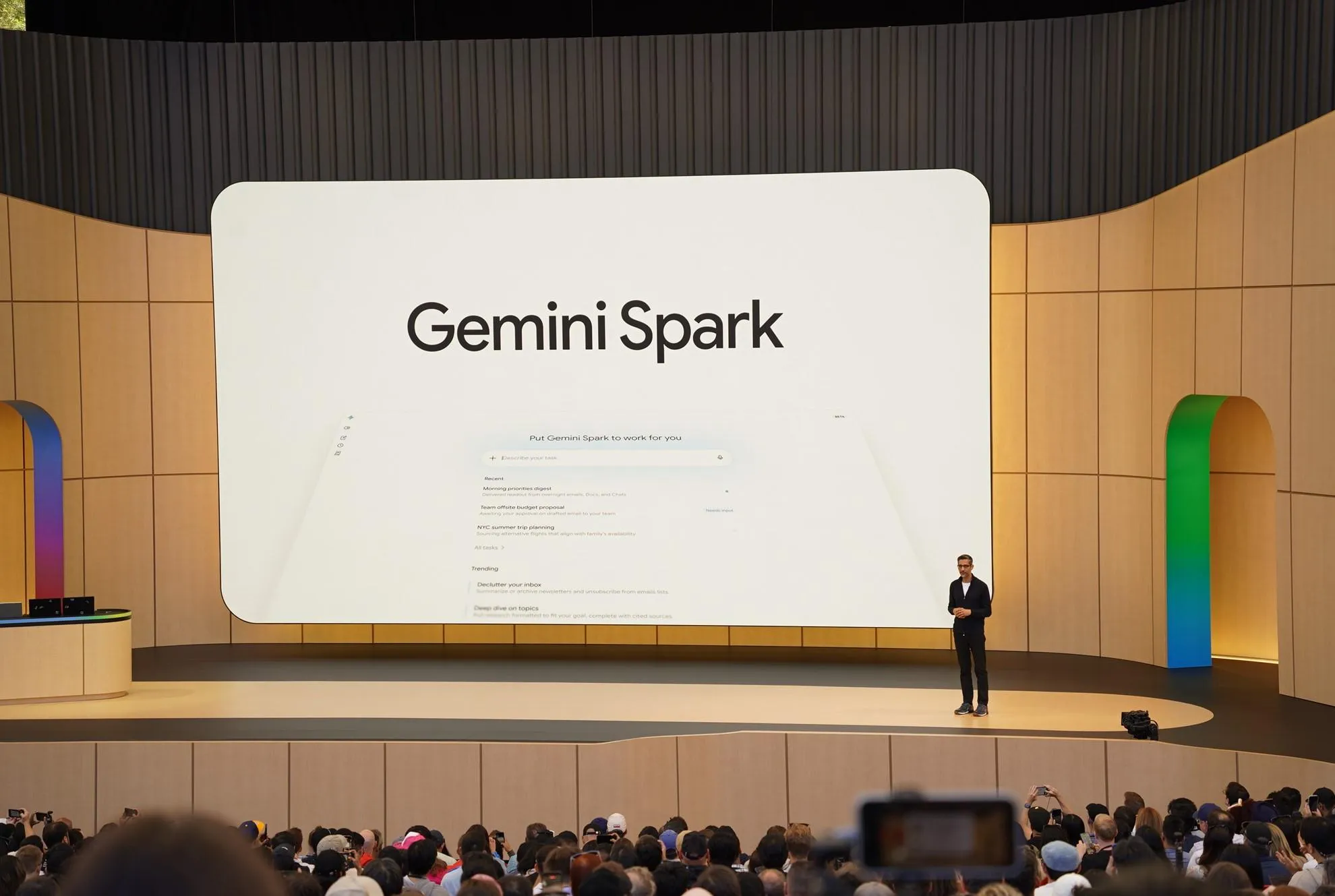
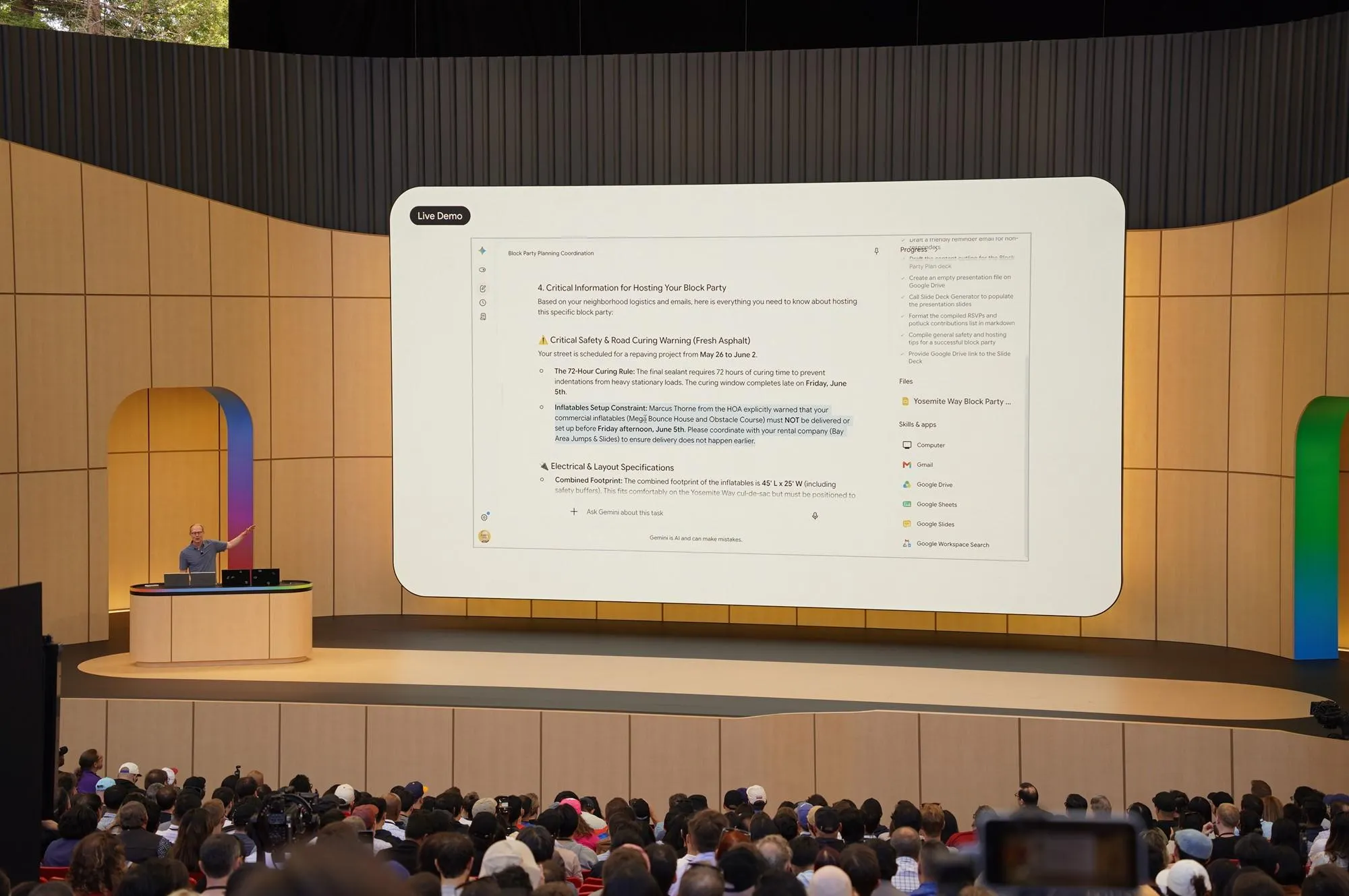
When Google VP Josh Woodward showed off Gemini Spark at I/O 2026, the demo looked almost too good. An AI agent that runs in the background, handles multi-step tasks, and checks with you before taking major actions? The company's marketing even acknowledges the skepticism. The Spark website leads with reassurances: it's 'always under your direction' and 'designed to check with you before taking major actions.'
Jay Peters, senior reporter at The Verge, decided to test whether Spark works as well in a home office as it did on the big stage. His approach was smart: replicate what Google showed, then push harder.
The Email Test That Actually Worked
Peters asked Spark to draft an email to his wife compiling their total monthly average grocery spending in 2026. This wasn't a softball. The task required Spark to figure out who his wife was without her name, locate a budget spreadsheet in Drive that didn't have 'budget' in the filename, pull the right numbers, and draft an email in Gmail.
Spark nailed it. The agent found his wife's email address, pulled correct data from the 2026 budget spreadsheet including incomplete May figures, averaged the totals, and drafted the email. The text addressed his wife by her first name even though her email doesn't contain it. It even included a sign-off the couple uses privately.
“Wow, that's actually nuts.”
— Jay Peters, The Verge, after seeing Spark's results
That's the kind of inference that makes Spark genuinely useful. It's also the kind that raises immediate questions about how much the AI knows about you.

The Privacy Problem Google Knows It Has
Google is clearly aware of the optics. The Spark landing page leads with privacy disclaimers before features. Peters describes it as 'my not involved in rogue AI T-shirt has people asking questions already answered by my shirt.'
The concern isn't hypothetical. For Spark to figure out that Peters' wife is his wife, pull the right spreadsheet from Drive, and use their private sign-off, it needed deep access to his digital life. Every email. Every document. Every pattern of communication.
Hacker News discussions have focused on what users call 'unsupervised API access' to personal accounts. On Reddit's r/google, reactions split between eagerness to automate administrative tasks and fear of the 'black box' nature of persistent AI access.
The $39.99 Question
Spark requires Google AI Ultra, which costs $39.99 per month. That's not trivial for what amounts to a convenience layer. Early beta testers report roughly 15% time savings on email triage tasks. Whether that justifies nearly $480 per year depends entirely on how much you hate managing your inbox.
Google CEO Sundar Pichai framed the stakes during the I/O keynote: 'We are shifting from an era of search to an era of done. Spark is the first major step in that evolution.' That's a bold claim. It's also one that asks users to trust Google with unprecedented access to their personal data.
What Spark Gets Right
The demo wasn't smoke and mirrors. Spark can genuinely handle multi-step tasks that would take humans 10 to 15 minutes. It understands context well enough to infer relationships and locate documents without explicit instructions. The 24/7 background operation means you can start a task and walk away.
For anyone drowning in administrative overhead, that's appealing. The promise of an AI that manages your email, schedules, and document organization while you focus on actual work isn't new. What's new is that Spark appears to deliver on it.
For readers evaluating alternatives to Spark's agentic approach.
The Verdict: Impressive, But Wait
Peters' conclusion is measured: Spark is impressive, but it's not worth the cost just yet. The capability is real. The price is steep. The privacy tradeoffs are significant. For most users, the calculation probably favors waiting to see how Google handles the inevitable edge cases and security concerns.
✅ Pros
- • Handles complex multi-step tasks autonomously
- • Infers context and relationships without explicit instruction
- • Runs in background, allowing users to walk away
- • Checks before taking major actions
❌ Cons
- • Requires $39.99/month Google AI Ultra subscription
- • Deep access to personal data raises privacy concerns
- • Black box nature makes it hard to audit what the AI is doing
- • Early stage product with unclear long-term implications
The technology works. The question is whether you trust Google enough to let it work on your behalf, with your data, around the clock.
A cautionary tale about AI agents with too much access.
Frequently Asked Questions
What is Gemini Spark?
Gemini Spark is Google's new AI agent that can run tasks in the background, even multi-step ones, without requiring constant user oversight. It's designed to draft emails, manage schedules, and handle administrative work autonomously.
How much does Gemini Spark cost?
Spark requires a Google AI Ultra subscription at $39.99 per month. There's no standalone pricing option currently available.
Is Gemini Spark safe to use?
Google emphasizes that Spark checks with users before taking major actions and is always under user direction. However, the AI requires deep access to personal data, which raises privacy concerns among security researchers.
Does Gemini Spark work as well as Google's demo?
According to The Verge's testing, yes. Spark successfully completed complex tasks like drafting emails with data pulled from Google Drive, inferring personal relationships without explicit instruction.
When will Gemini Spark be available?
Spark is currently available to users with Google AI Ultra subscriptions following the I/O 2026 announcement.
Logicity's Take
Need Help Implementing This?
Updated Capabilities and Pricing Details
The new article clarifies that Gemini Spark is intended to operate as an interface for external apps and potentially control computers, rather than just handling internal Google Workspace tasks. It also notes a different pricing structure ($99/month for AI Ultra) compared to the $39.99 figure previously reported.
Huma Shazia
Senior AI & Tech Writer
Produced with AI assistance and reviewed by the Logicity editorial team. Learn more in our Editorial Policy.




