Key Takeaways
- The May 31 full moon falls just 19 hours before lunar apogee, making it appear 6-7% smaller than average.
- This Blue Moon is the second full moon of May, a monthly phenomenon that occurs roughly every 2.5 years.
- The Virtual Telescope Project's free livestream begins at 9:30 p.m. EDT on May 30 and will feature views of the moon above Rome's monuments.
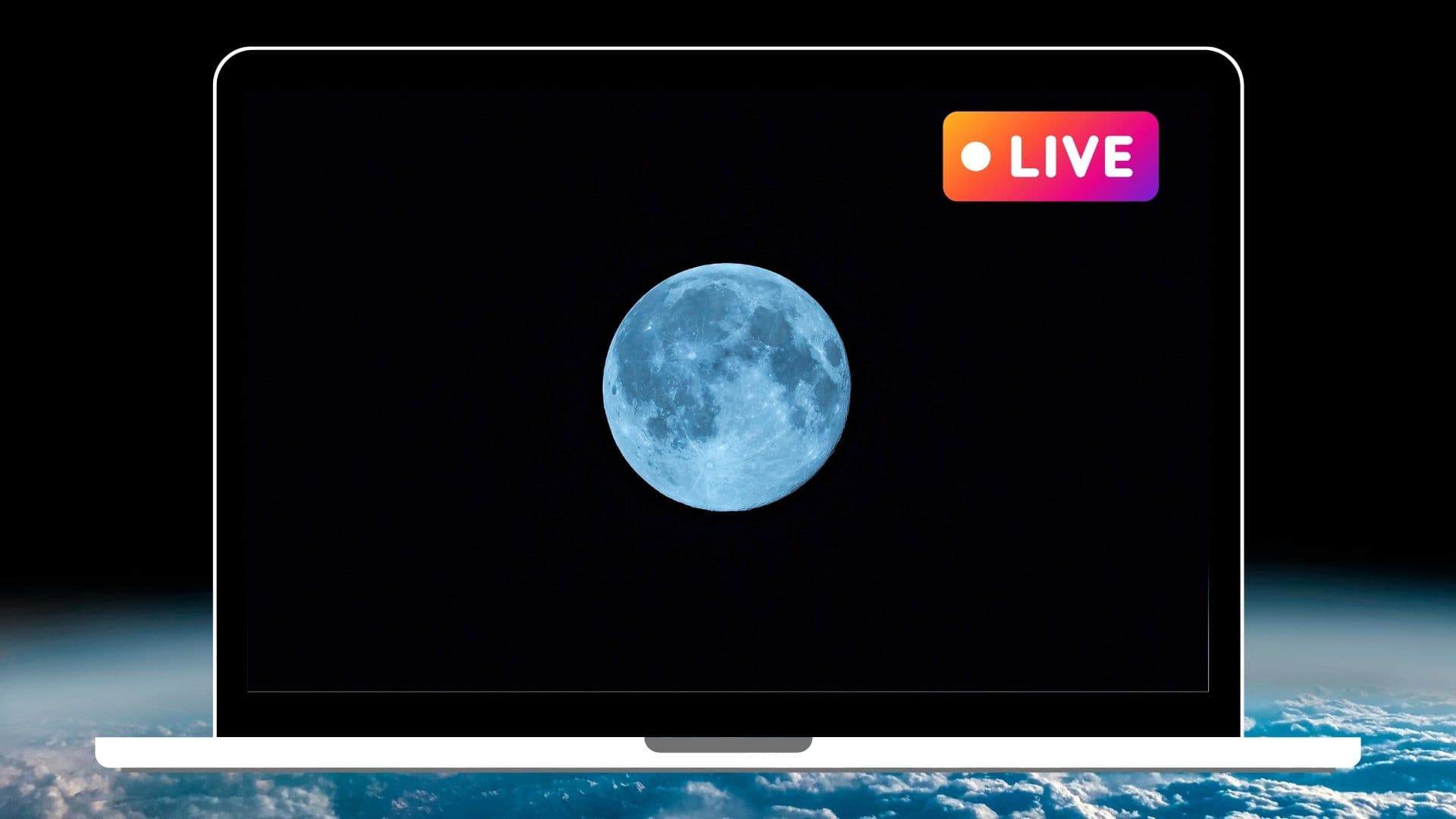
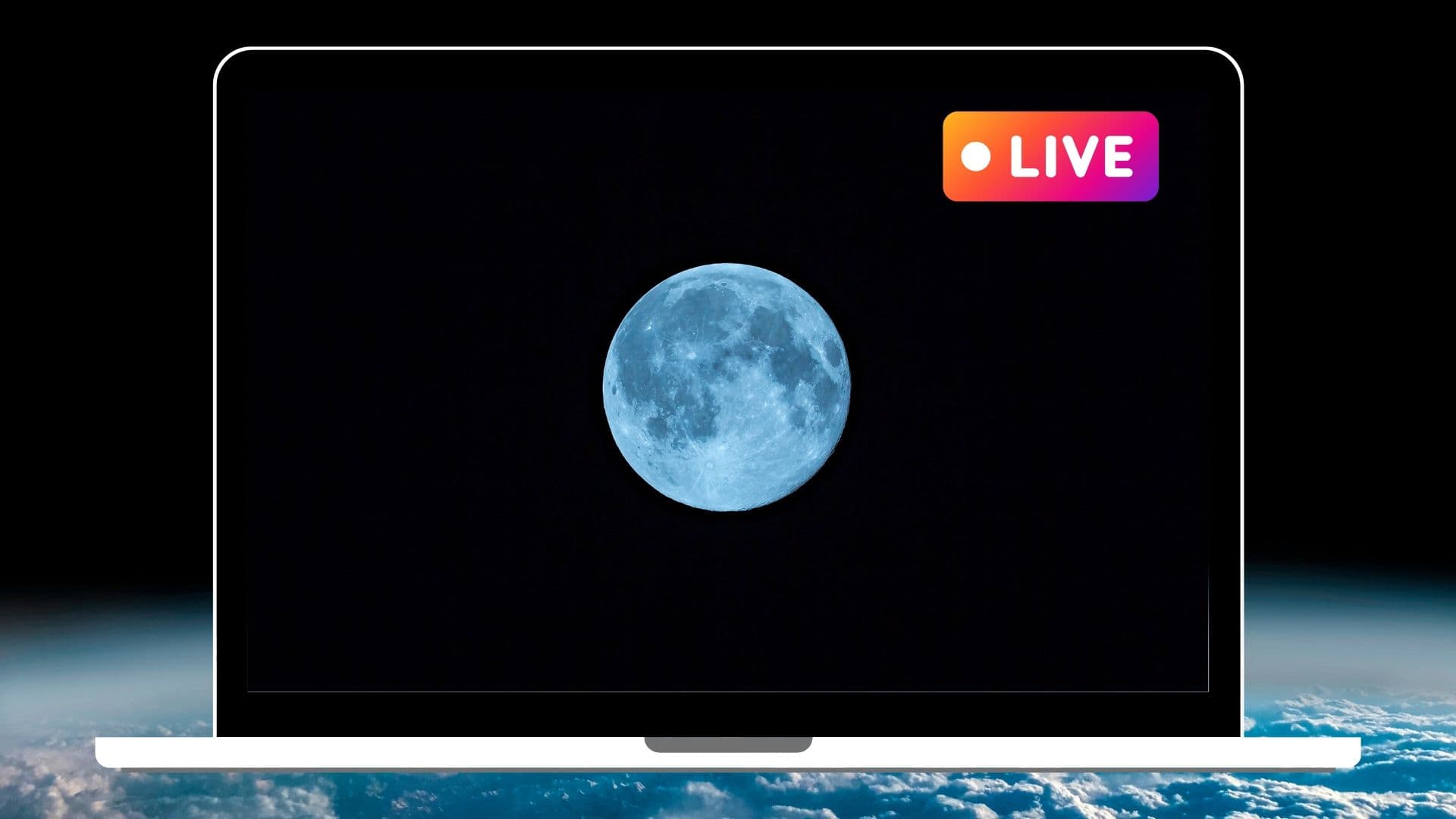
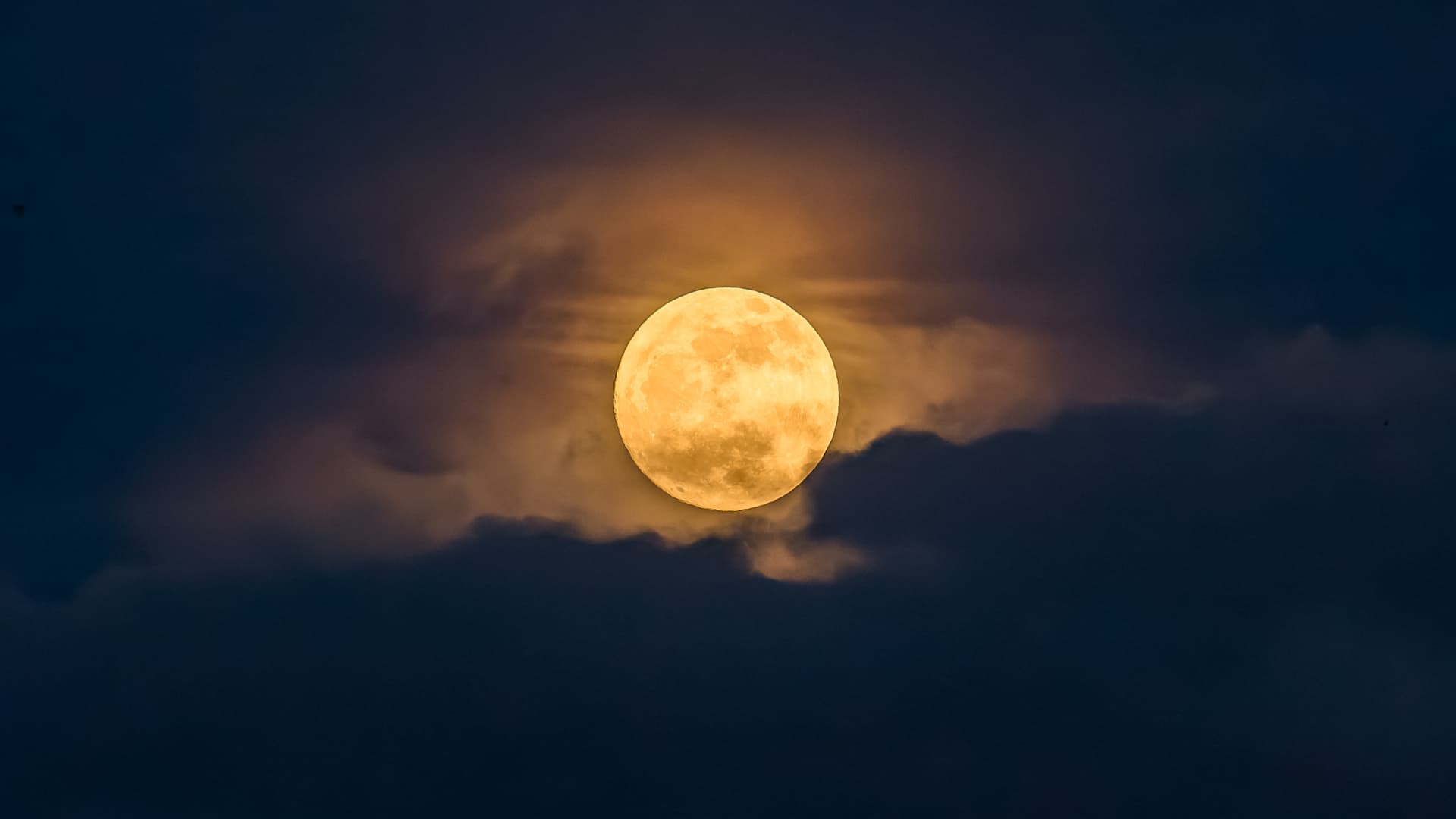
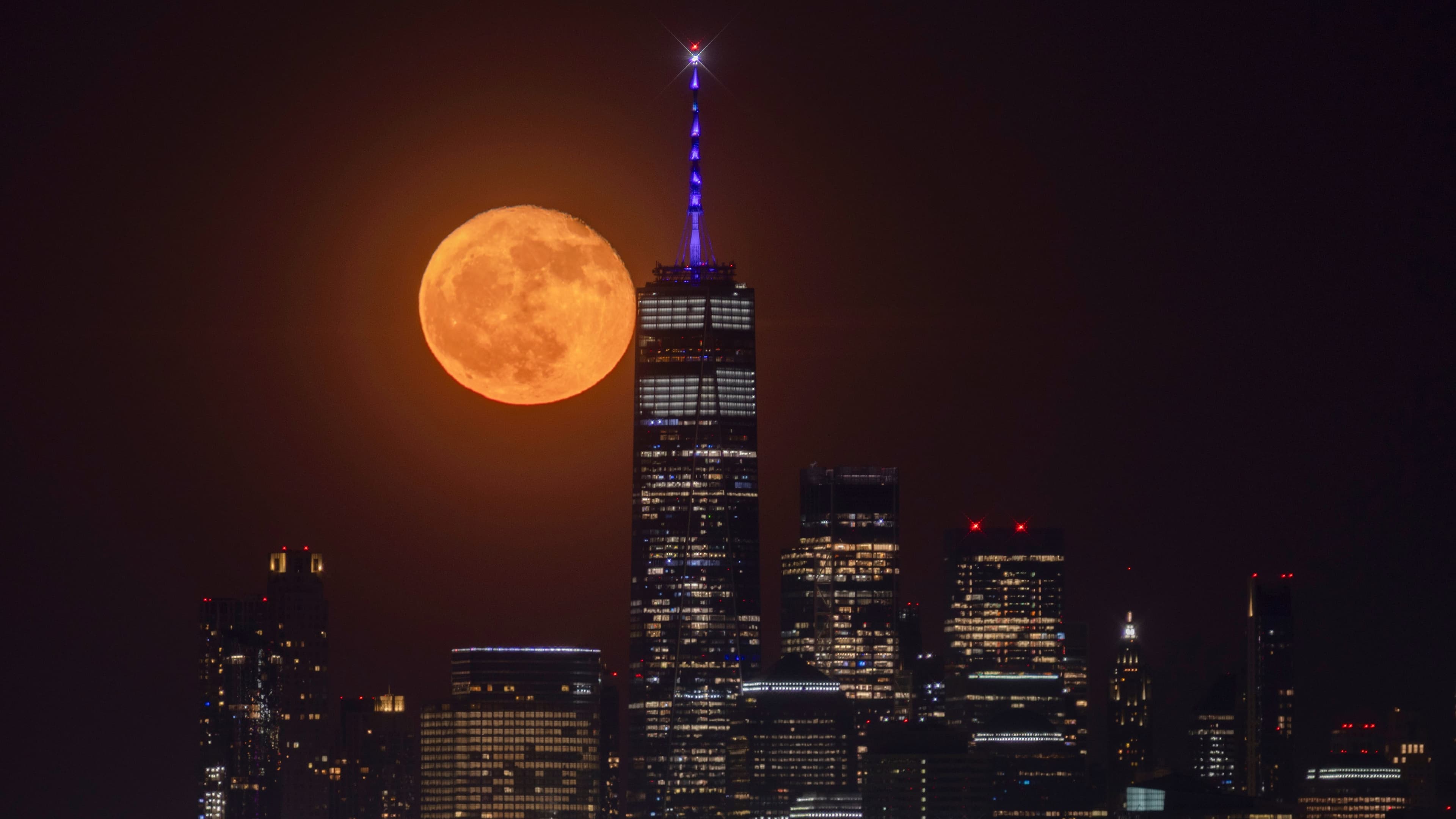
Tonight's full moon is a double astronomical event. It's both a Blue Moon and a micromoon, making it the smallest and most distant full moon of 2026. If you miss it outside your window, you can catch it online for free.
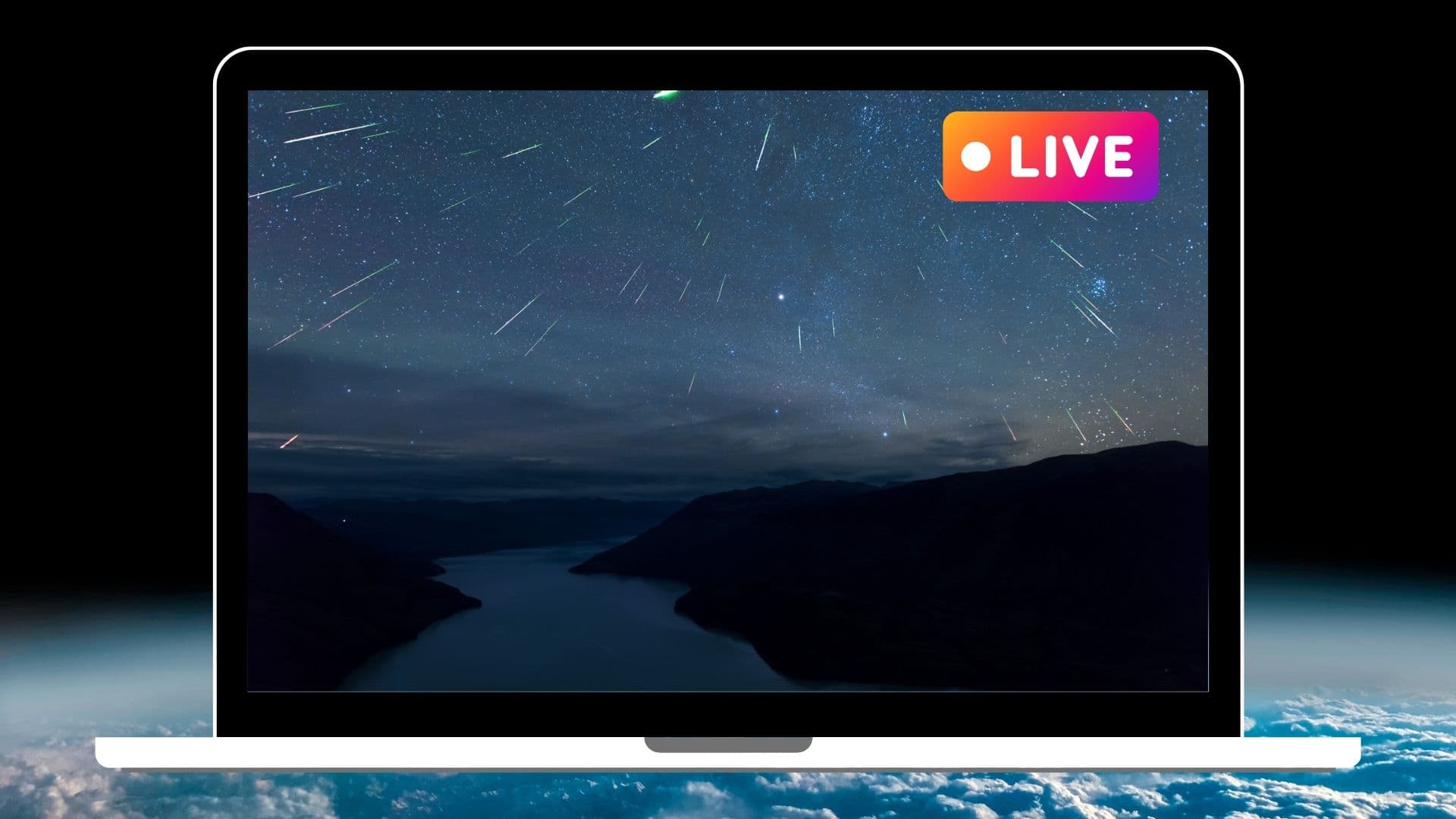
The Virtual Telescope Project, run by astronomer Gianluca Masi from Manciano, Italy, will broadcast the event live. The stream starts at 9:30 p.m. EDT on May 30 (0130 GMT on May 31), weather permitting.
Why This Moon Is Special
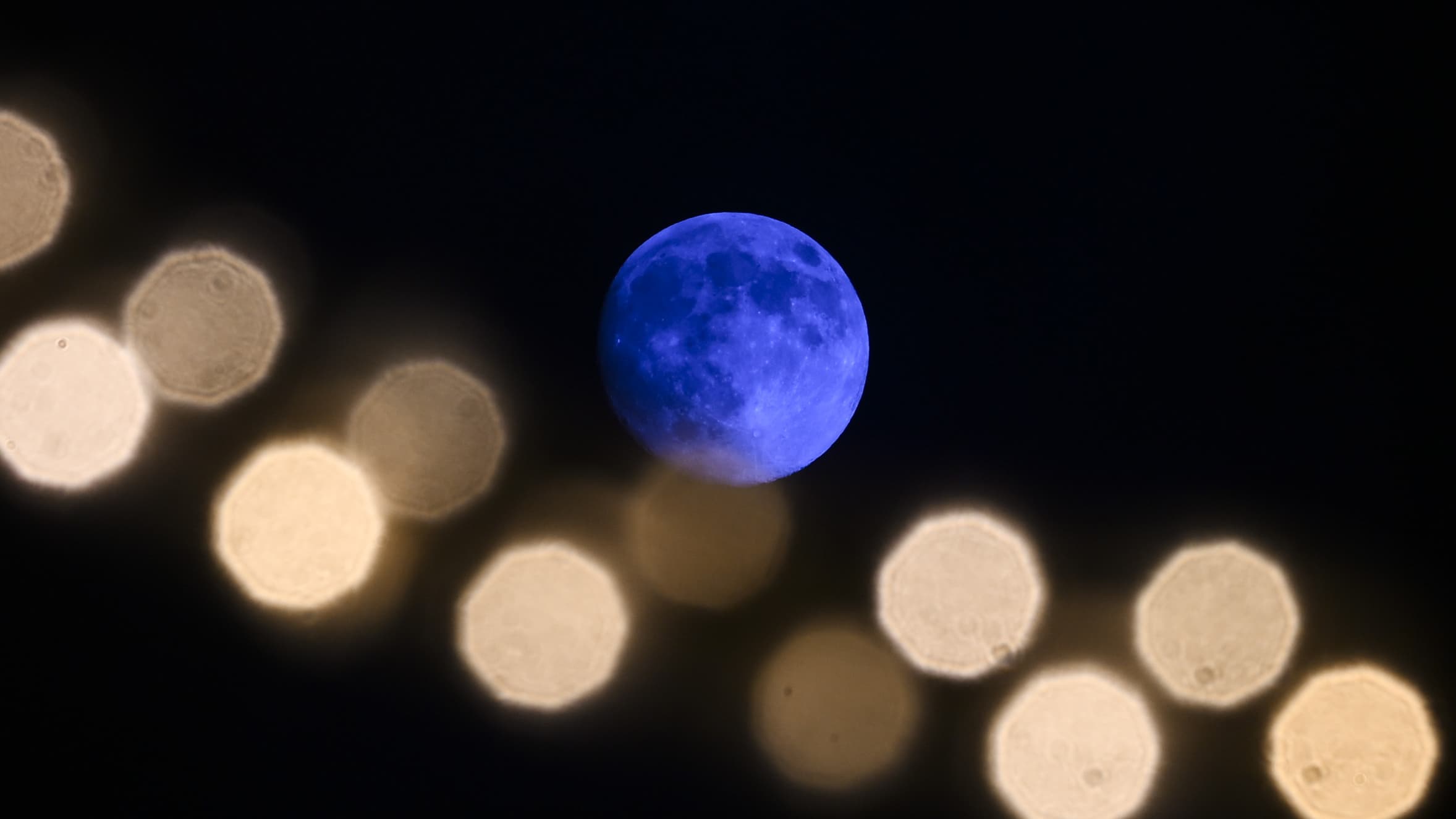
This full moon earns the "Blue Moon" label because it's the second full moon in May. Despite the name, the moon won't actually look blue. The term has nothing to do with color.
According to NASA, the original definition of a Blue Moon referred to the third full moon in a season containing four full moons. A later interpretation, which arose from a misunderstanding, describes it as the second full moon in a calendar month. Both definitions are now widely accepted.
Monthly Blue Moons occur roughly once every 2.5 years because the moon's 29.5-day cycle doesn't align perfectly with our calendar months.
The Micromoon Factor
What makes tonight's moon particularly unusual is its distance from Earth. The full moon falls just 19 hours before the moon reaches apogee, the farthest point in its elliptical orbit around Earth.
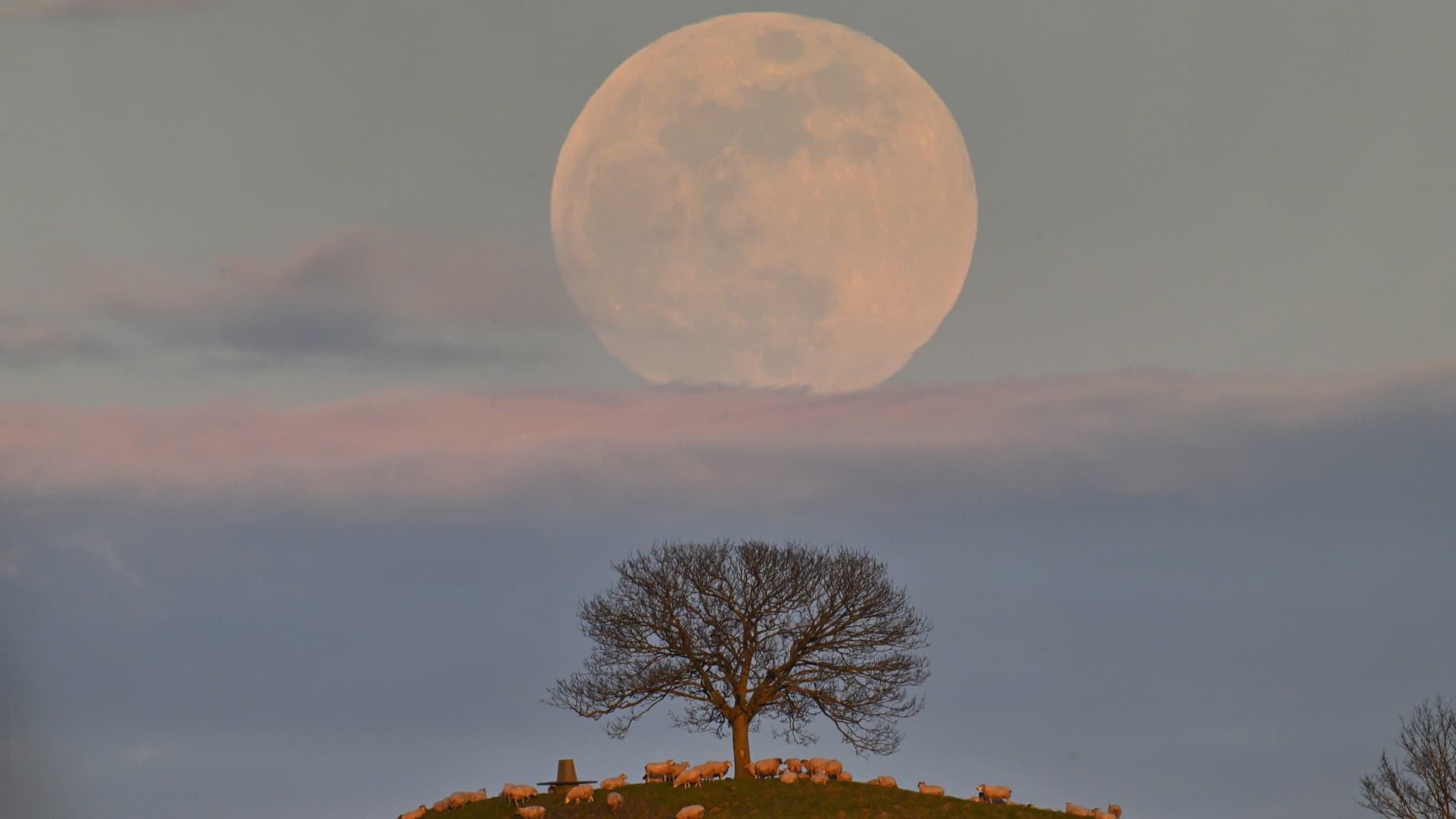
This timing makes it a "micromoon," the opposite of the more famous supermoon. While supermoons occur when a full moon coincides with perigee (the closest orbital point), micromoons happen near apogee.
According to Time and Date, a micromoon can appear up to 14% smaller than a supermoon and about 6-7% smaller than an average full moon. The difference is subtle to the naked eye, but measurable.
How to Watch
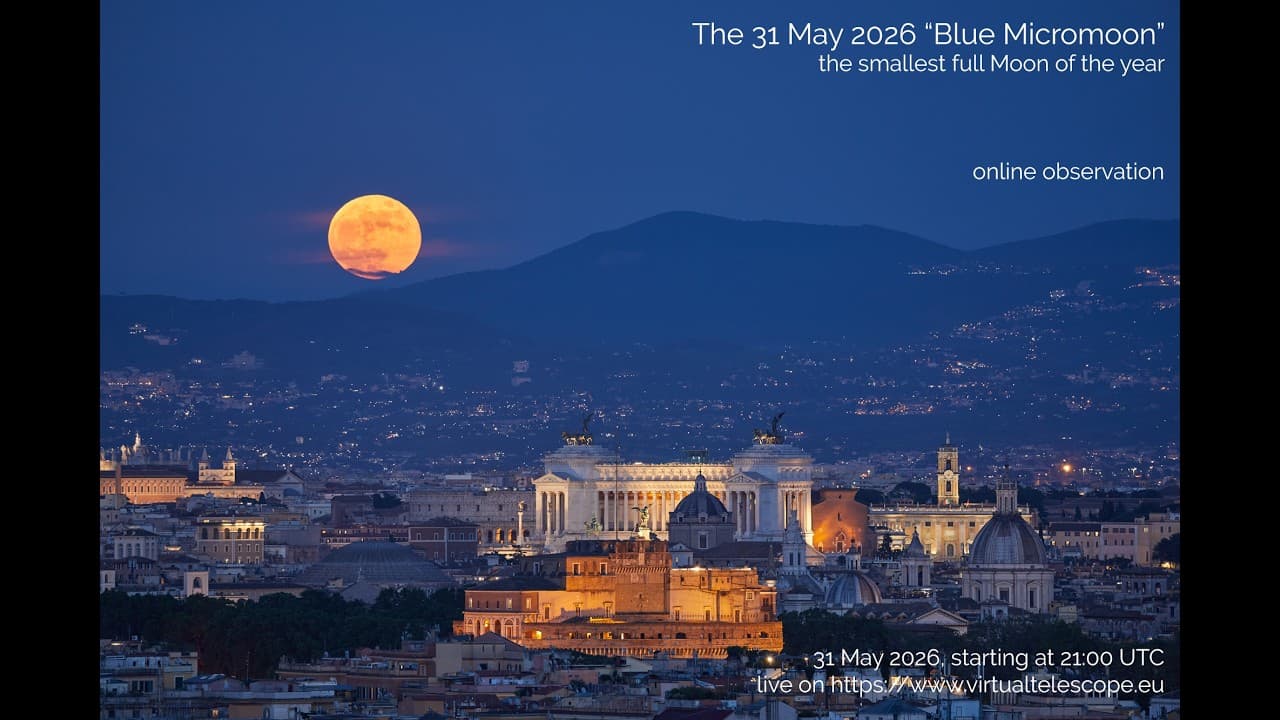
The Virtual Telescope Project's livestream will feature live views of the moon and archival images showing the moon above Rome's iconic monuments. You can watch on the project's WebTV page or YouTube channel.
“Witnessing a Blue Micromoon is a rare celestial treat. It serves as a beautiful reminder of the dynamic, ever-changing dance between our Earth and its constant lunar companion.”
— Gianluca Masi, Founder of the Virtual Telescope Project
For those hoping to photograph the event, stargazing communities on Reddit are recommending binoculars to better appreciate the subtle size difference. Some viewers are also planning to observe the moon's conjunction with Antares, the red supergiant star.
When Is the Next One?
Blue Moons occur roughly every 2.5 years, but a Blue Micromoon, where the second monthly full moon also falls near apogee, is rarer. The timing has to align just right for both conditions to occur simultaneously.
If you snap a good photo tonight, Space.com is accepting reader submissions at spacephotos@space.com. Include your name, location, and any comments about the shot.
Frequently Asked Questions
What time is the Blue Moon livestream?
The Virtual Telescope Project's livestream begins at 9:30 p.m. EDT on May 30 (0130 GMT on May 31).
Why is it called a Blue Moon if it's not blue?
A Blue Moon is either the second full moon in a calendar month or the third full moon in a season with four full moons. The name has nothing to do with the moon's color.
How much smaller does a micromoon appear?
A micromoon appears about 6-7% smaller than an average full moon and up to 14% smaller than a supermoon.
How often do Blue Moons occur?
Monthly Blue Moons happen roughly once every 2.5 years because the moon's 29.5-day cycle doesn't match calendar months exactly.
What is lunar apogee?
Apogee is the point in the moon's elliptical orbit when it's farthest from Earth, about 252,506 miles away for this event.

Logicity's Take
Need Help Implementing This?
Source: Latest from Space.com
Huma Shazia
Senior AI & Tech Writer
Produced with AI assistance and reviewed by the Logicity editorial team. Learn more in our Editorial Policy.