Key Takeaways
- Vinyl has outsold CDs in the U.S. since 2020, becoming the leader in physical media sales
- The ritual of playing vinyl, from sleeve to needle drop, creates engagement streaming cannot replicate
- CDs offer advantages in affordability and availability, but lack the tactile collecting experience
Vinyl has risen from near extinction. Since 2020, records have outsold CDs in the U.S., making them the leader in physical media sales. You might assume nostalgia drives this trend. That's only part of the story.
Generations raised on streaming have decided that holding a black petroleum disc feels more valuable than a Spotify subscription. At the same time, CDs are staging their own quiet comeback. Collectors prize them for affordability and availability compared to vinyl.
So if you're starting or rebuilding a physical collection in 2026, which format delivers more fun? According to tech journalist Derek Malcolm at How-To Geek, vinyl wins. Not because of "warmth" or the tired analog-versus-digital debate audiophiles love. The answer comes down to ritual, artwork, scene, and the joy of the hunt.
The Ritual CDs Can't Replicate
Playing a record is a small ceremony. You flip through your collection to find the right one. You slide the record from its sleeve with care. You place it on the platter, run a dust brush around the grooves, and drop the needle. Then comes the warm, crackly sound while you study the album artwork.
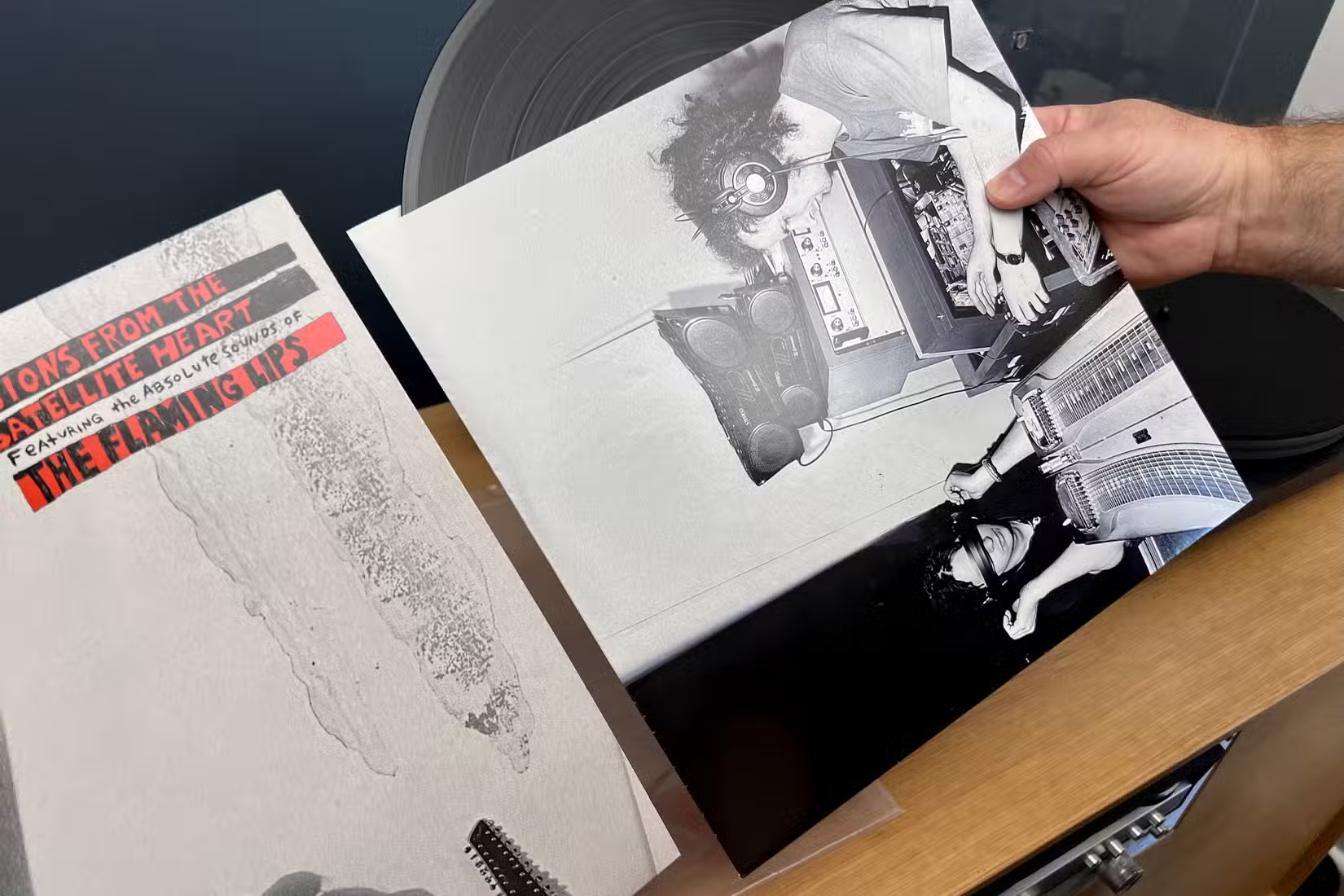
This hands-on engagement is the point. CDs have their own process, but it's faster and less tactile. Pop open a jewel case, drop in the disc, press play. Streaming removes even that much friction.
Vinyl also changes how you listen. Records encourage hearing an album the way the artist built it. Side A, then side B. You sit with the track order as it was meant to be heard. Skipping tracks requires getting up and moving the needle. That friction turns passive listening into active engagement.
The Artwork Experience
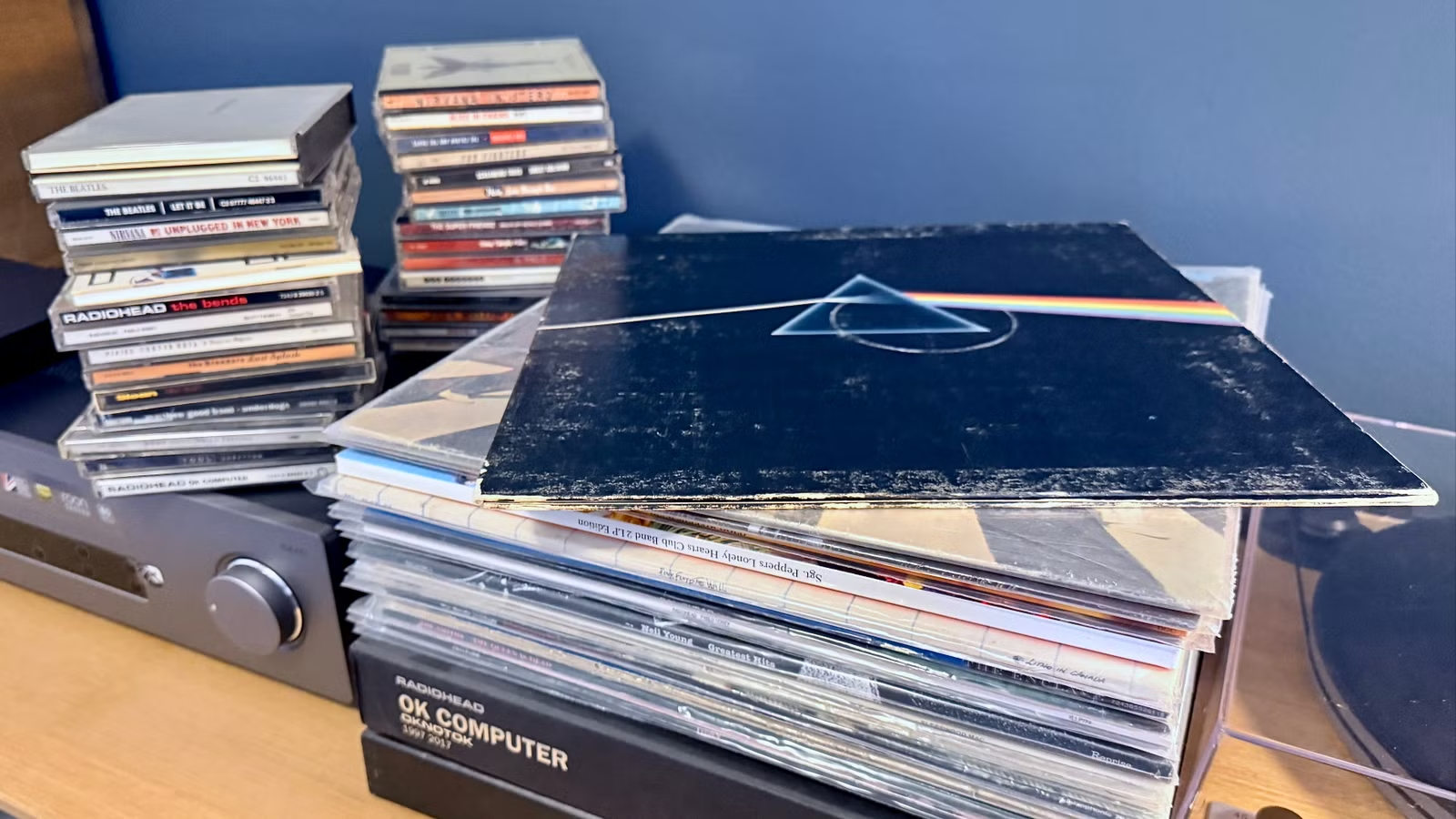
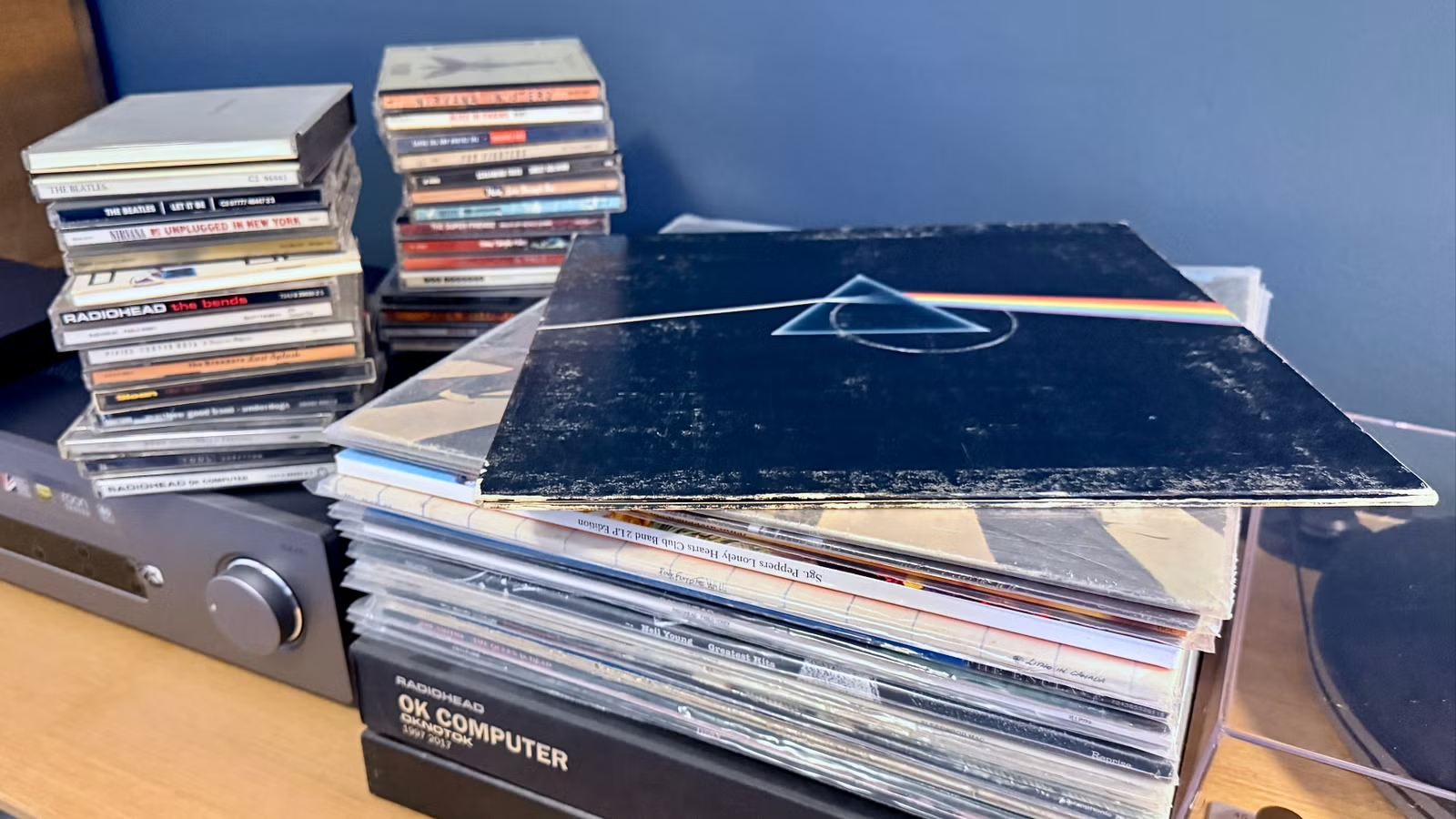
A 12-inch album cover is a canvas. Designers created iconic images knowing they'd be seen at that scale. The Dark Side of the Moon prism, Abbey Road's crosswalk, Nevermind's swimming baby. These images lose impact when shrunk to CD size or a Spotify thumbnail.
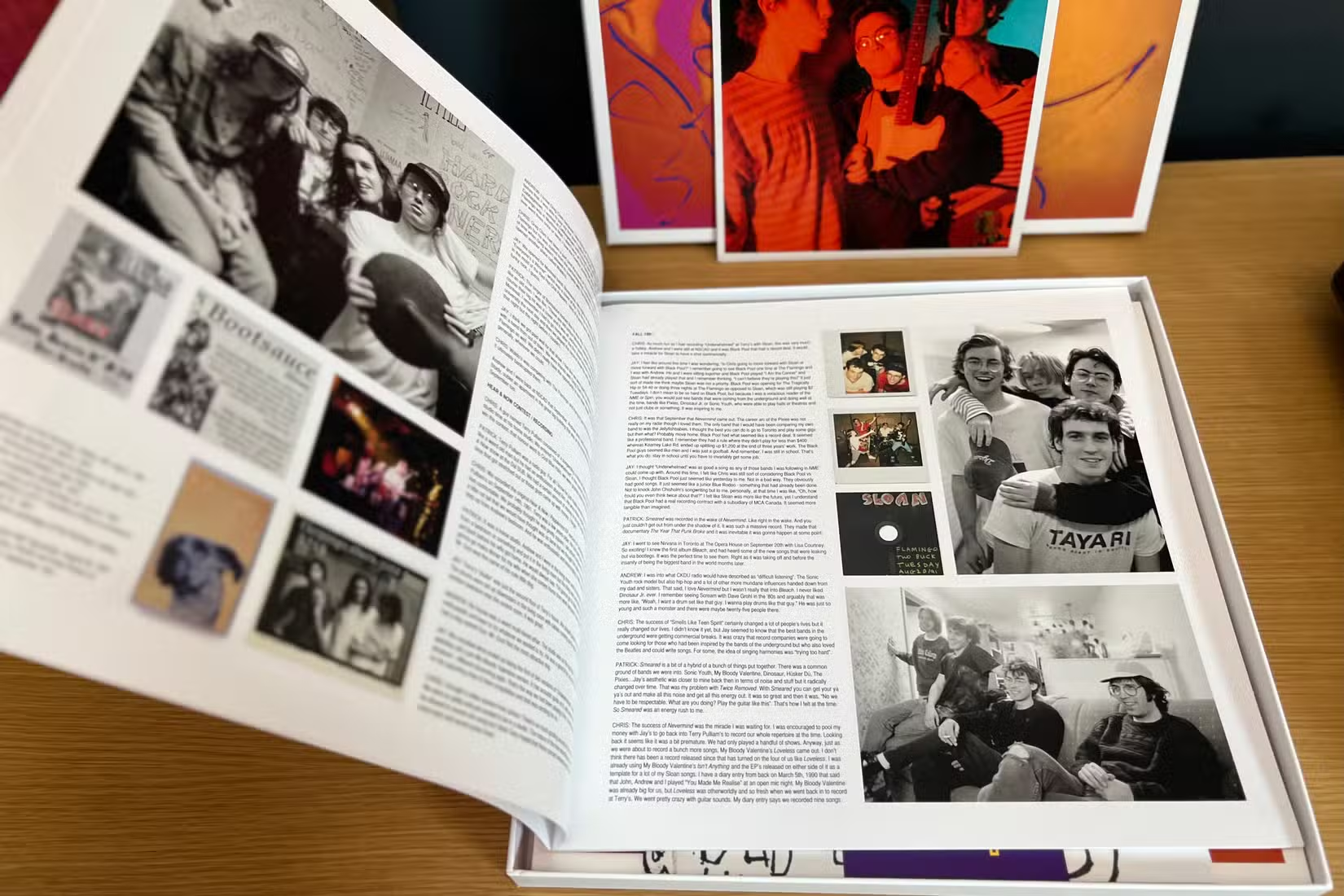
Gatefold sleeves unfold to reveal additional artwork, lyrics, and liner notes printed large enough to read without squinting. Box sets include booklets, posters, and inserts that feel like gifts. The physical package becomes part of the album's identity.
CDs tried to compensate with elaborate packaging. Digipaks, slipcovers, and booklets helped. But the smaller format limits what designers can do. When you hold a well-designed vinyl package, you're holding an art object. A CD is a jewel case.
The Joy of the Hunt
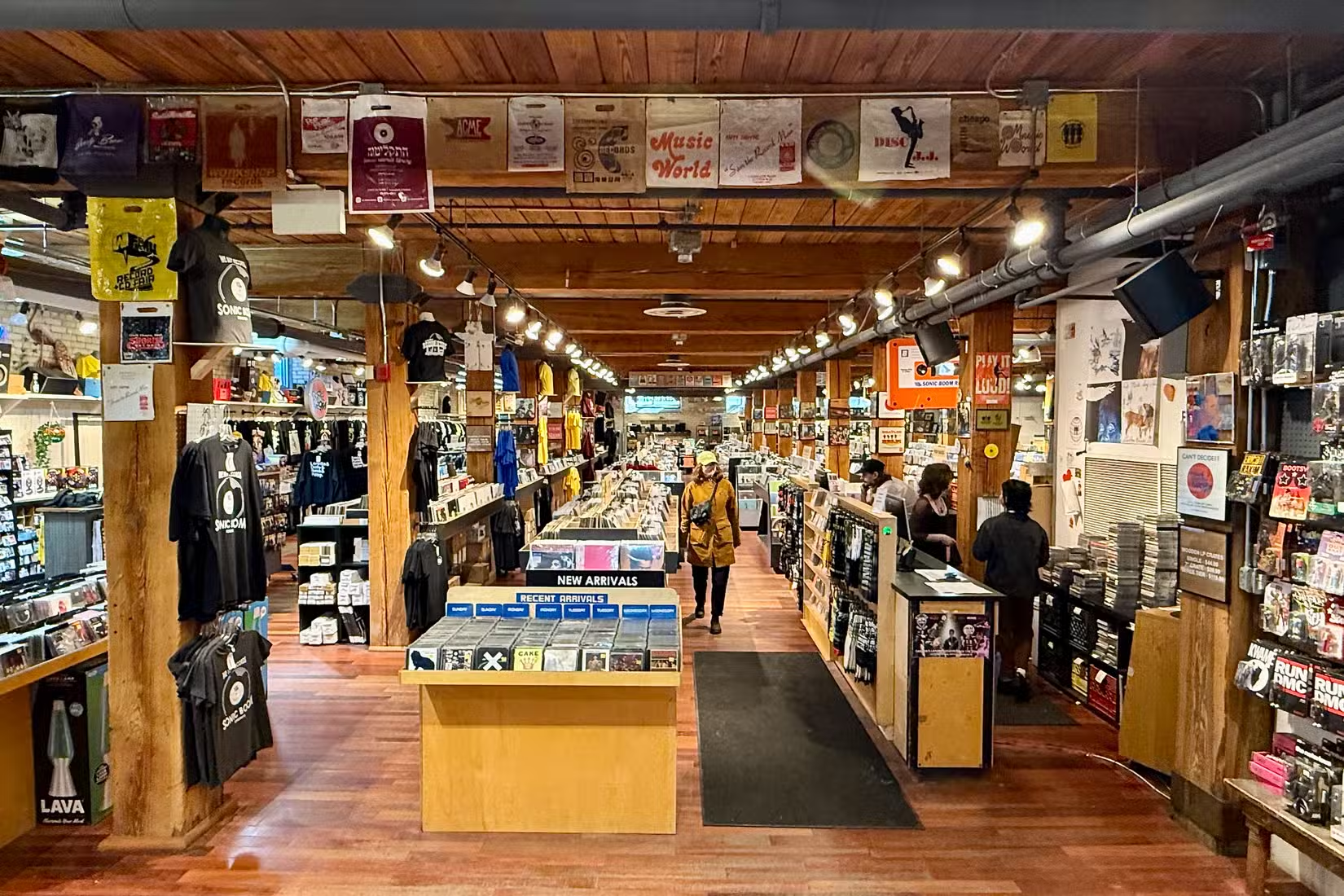
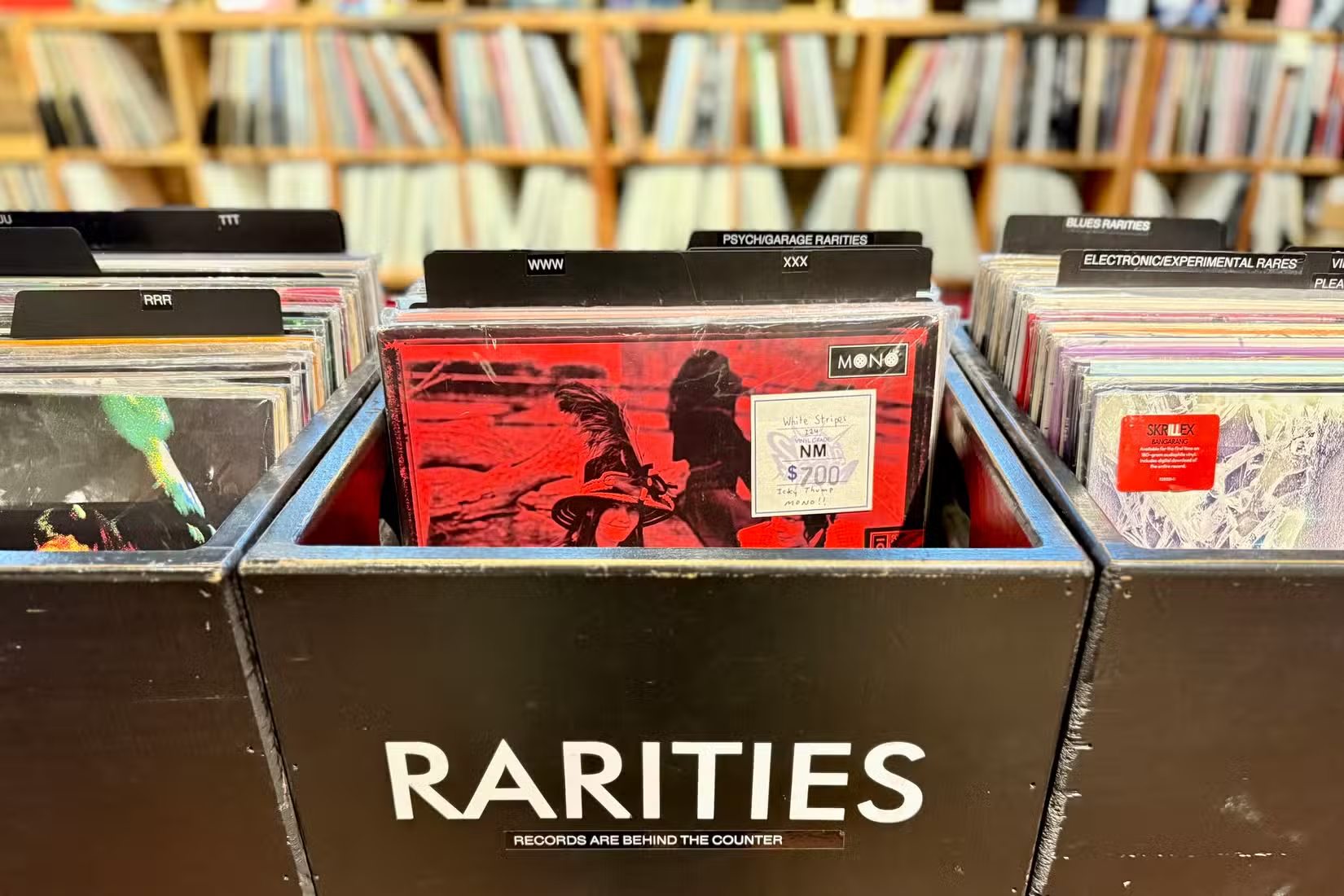
Record stores create an experience. You browse through bins, discover albums you'd forgotten, and find pressings you didn't know existed. Store owners and fellow collectors share recommendations. The hunt itself becomes social.
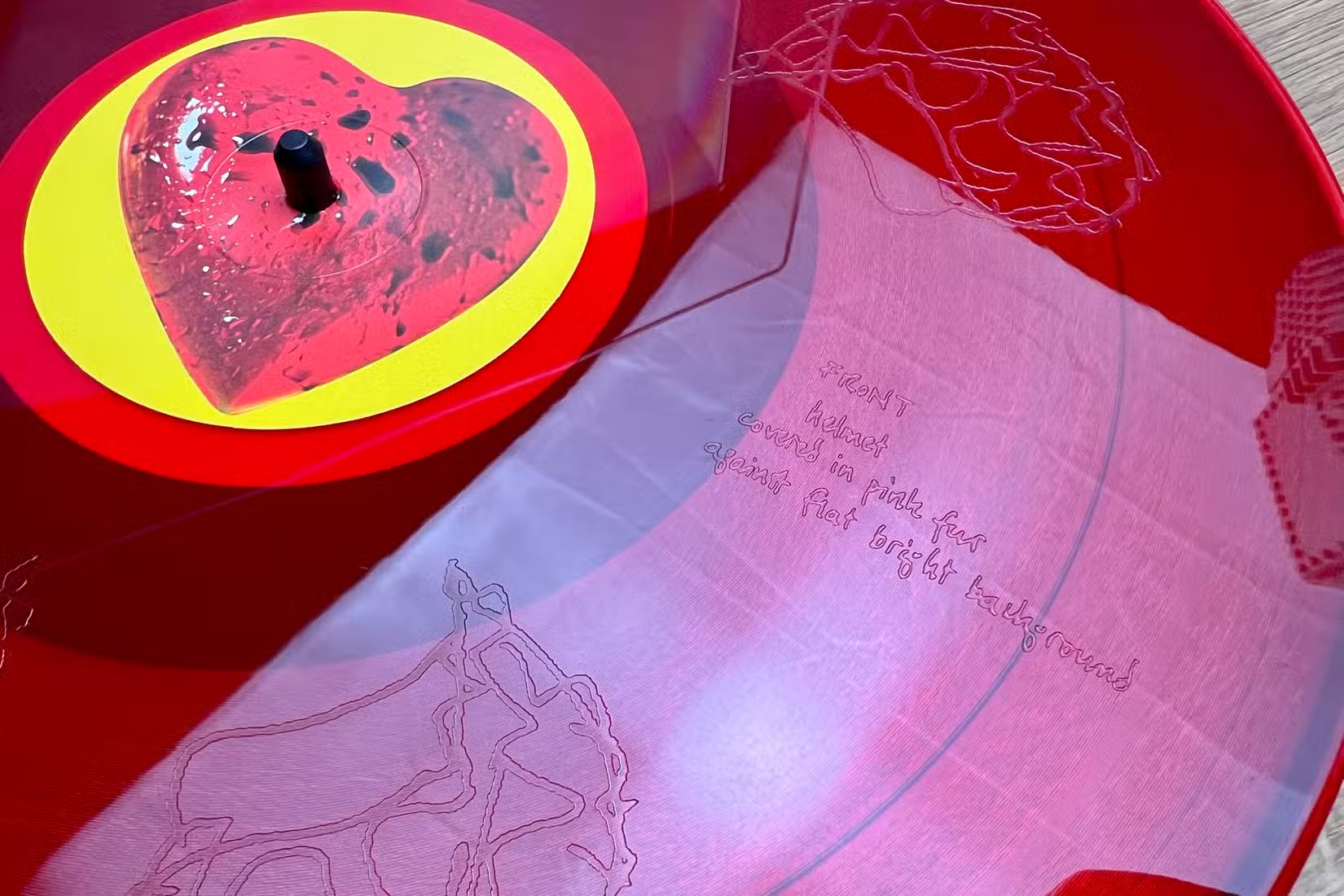
Finding a rare pressing or a first edition in good condition delivers a dopamine hit that clicking "add to cart" cannot match. The scarcity is real. Vinyl production takes time and resources. Not every album gets a reissue. When you find what you're looking for, you've earned it.
CDs are easier to find. That's both an advantage and a disadvantage. The hunt is shorter. The victory feels smaller. Used CD bins overflow because the format fell out of favor. You can build a massive collection cheaply. But "cheap and easy" doesn't create the same emotional connection.
Where CDs Win
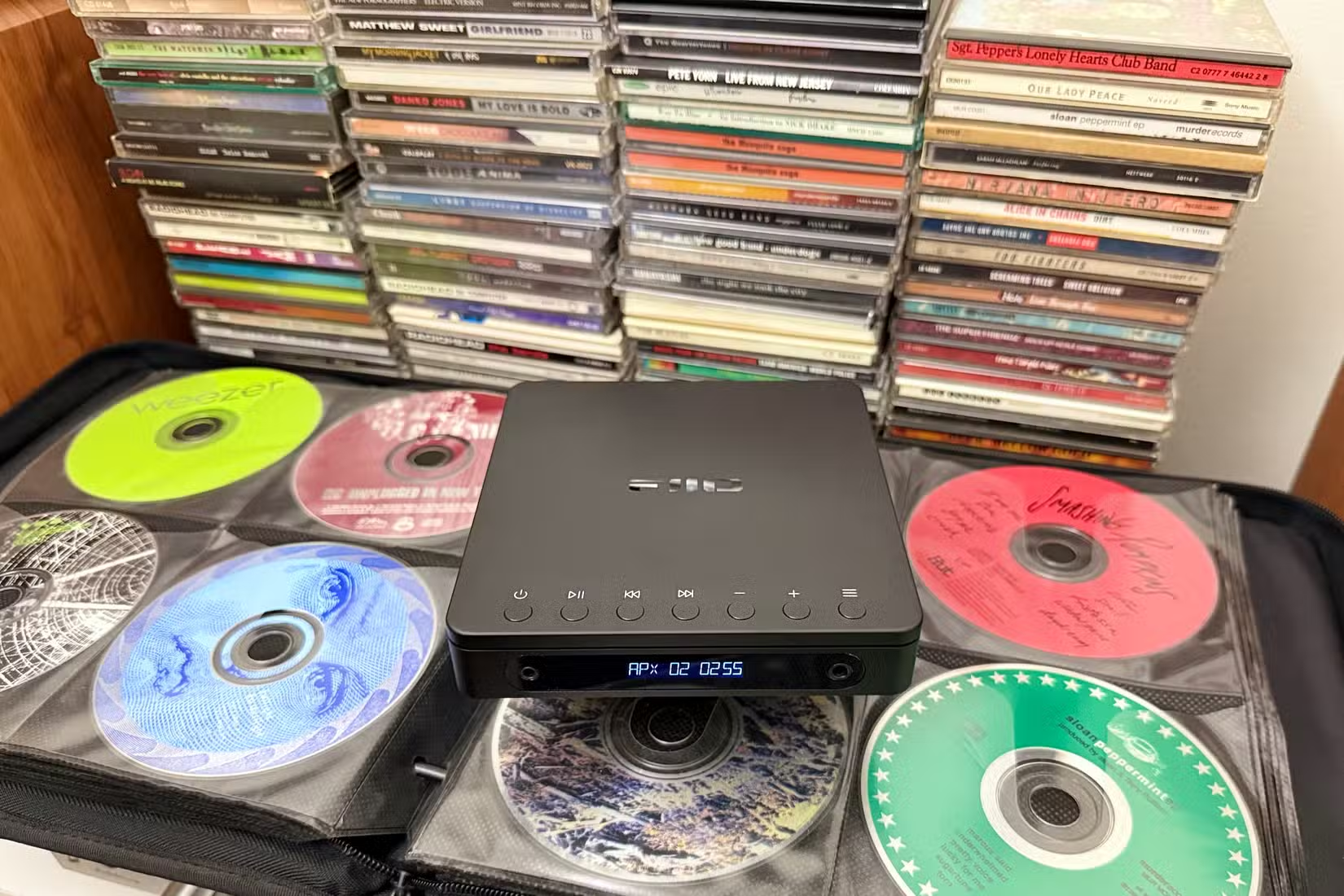
CDs have real advantages worth acknowledging. They're more portable. A CD binder holds dozens of albums in the space one LP requires. CDs don't warp, scratch as easily, or require careful storage away from heat and humidity.
Cost matters too. You can find excellent CDs for a dollar or two at thrift stores. New vinyl releases often cost $30 to $40 or more. Building a vinyl collection requires a bigger budget.
CDs also offer convenience. No flipping sides. No surface noise. No turntable maintenance. If you want to hear music without ceremony, CDs deliver.
✅ Pros
- • Vinyl offers larger artwork and more immersive packaging
- • The ritual of playing records creates active listening engagement
- • Record hunting provides social experiences and the thrill of discovery
- • Vinyl holds value better and has a stronger collector market
❌ Cons
- • Vinyl costs significantly more per album than CDs
- • Records require careful storage and turntable maintenance
- • CDs are more portable and durable for everyday use
- • CD availability makes building a collection faster and easier
The Display Factor
Vinyl collections look better in a room. Album spines lined up on a shelf make a visual statement. Frame a few favorite covers and you have wall art. A turntable setup becomes a conversation piece.
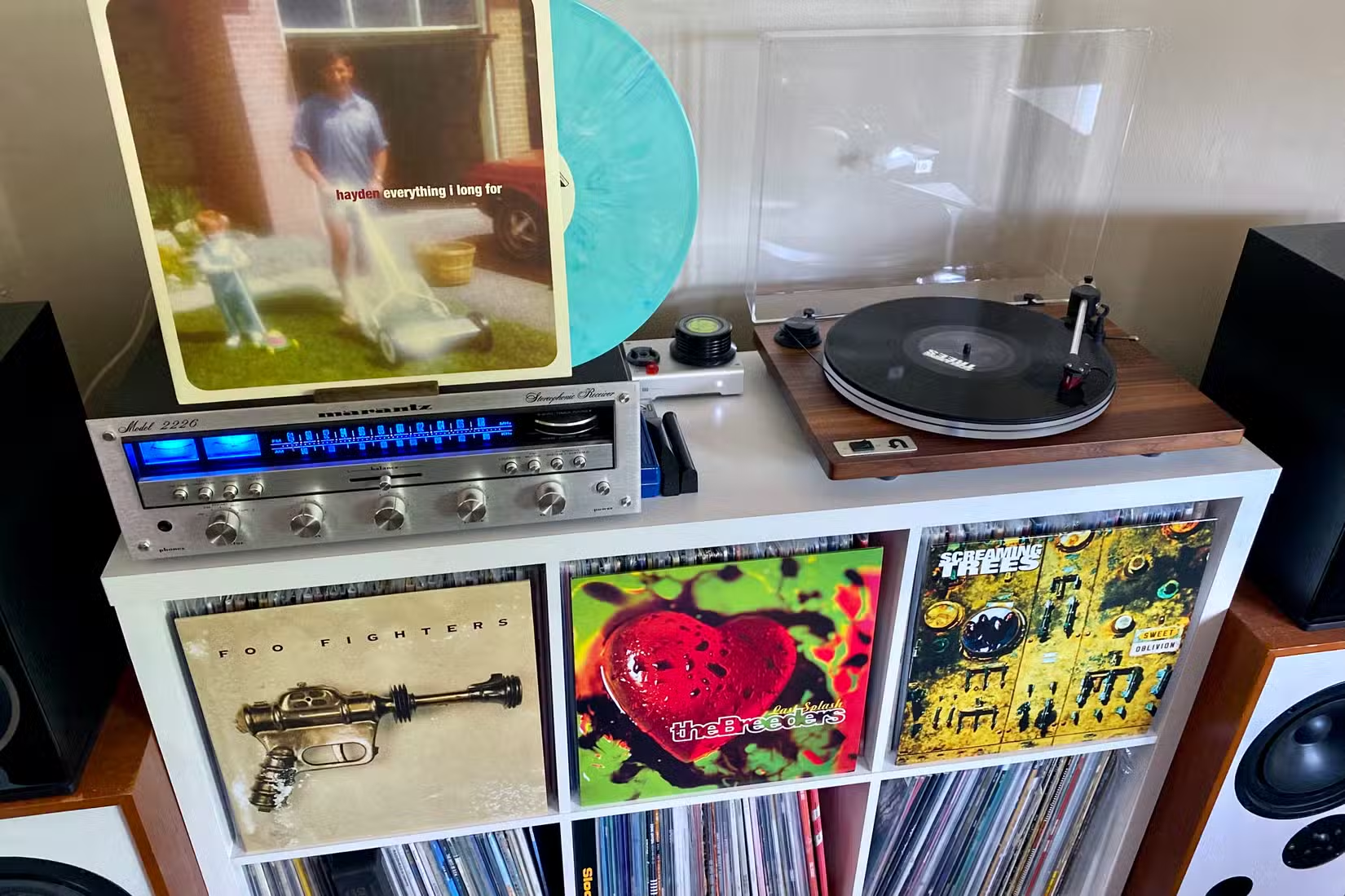
CDs disappear. A CD rack holds more music per square foot but creates visual clutter rather than a display. Nobody frames a CD jewel case. The format wasn't designed to be shown off.
For collectors who want their music to be part of their living space, vinyl wins on aesthetics alone.
Making the Choice
Both formats beat streaming for ownership and engagement. You own the music. You hold it in your hands. No service can take it away because licensing changed.
But collecting is about more than access. It's about the experience of building something. The ritual, the hunt, the display, the community. On those measures, vinyl delivers more.
CDs make sense if budget matters most, if you want maximum music per dollar, or if portability outweighs experience. No shame in that choice.
For everyone else, the answer is vinyl. The format demands attention, rewards patience, and creates moments streaming and CDs cannot match. The hands-on ceremony is the point.
Logicity's Take
Frequently Asked Questions
Is vinyl actually better quality than CDs?
CDs technically have higher fidelity and less noise. But "better" depends on what you value. Many listeners prefer vinyl's analog sound character, though the quality difference matters less than the listening experience.
How much does it cost to start collecting vinyl?
A decent entry-level turntable costs $150 to $300. New vinyl albums typically run $25 to $40 each. Used records can be found for $5 to $15. Budget $300 to $500 to start with equipment and a small collection.
Are CDs making a comeback?
Yes, CDs are seeing renewed interest, especially among younger collectors. They offer affordability and availability that vinyl lacks. However, vinyl still leads physical media sales in the U.S.
How do I store vinyl records properly?
Store records vertically, never stacked flat. Keep them away from heat, humidity, and direct sunlight. Use inner sleeves to prevent scratches. A climate-controlled room extends their lifespan significantly.
Can I find rare albums on vinyl or CD?
Both formats have collector markets for rare pressings. Vinyl tends to have higher values for rare items. Record stores, estate sales, and online marketplaces like Discogs are good hunting grounds.
More ways to simplify your tech setup and get more from what you already own
Need Help Implementing This?
Source: How-To Geek
Manaal Khan
Tech & Innovation Writer
Produced with AI assistance and reviewed by the Logicity editorial team. Learn more in our Editorial Policy.