Key Takeaways
- It's Always Sunny in Philadelphia transformed when Danny DeVito joined in season 2
- Industry combines finance drama with character-driven storytelling on HBO
- Networks giving creators time to find their voice can turn struggling shows into hits
"Once you get past the first season, the show gets better." It's advice every TV fan has given or received. Some shows need time to figure out what they are. The characters haven't gelled. The writers are still finding the tone. The network is still meddling.
The shows on this list weren't terrible in their first seasons. Most started fine. But they didn't hit their stride until season two or later. In some cases, they were on the brink of cancellation. The networks behind them made a smart bet: give the creators room to figure it out.
It's Always Sunny in Philadelphia
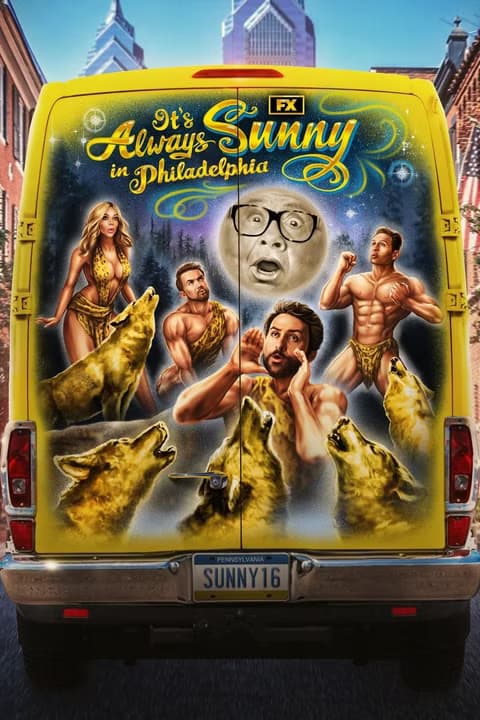
It's Always Sunny in Philadelphia has no business being this funny after more than 20 years. The sitcom follows "The Gang": Charlie (Charlie Day), Dennis (Glenn Howerton), Mac (Rob McElhenney), and Dee (Kaitlin Olson). The first season establishes them as a despicable group of narcissists whose egos lead to massive mistakes.
But season one feels more like a proof of concept than a fully realized show. It was missing its secret weapon: Danny DeVito.
DeVito joined the cast in season 2 as Frank Reynolds, Dennis and Dee's father. He fits in seamlessly with the cast. Watching episodes without him now feels jarring. Seventeen seasons later, it's safe to say DeVito's inclusion was for the best.
Industry
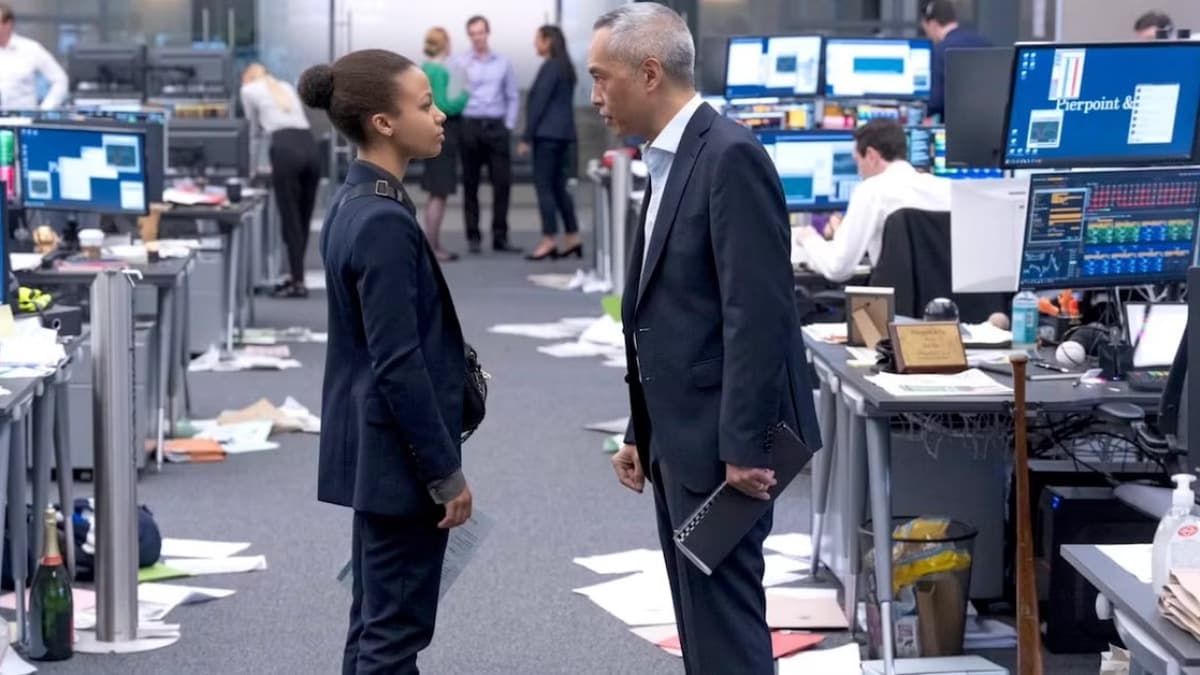
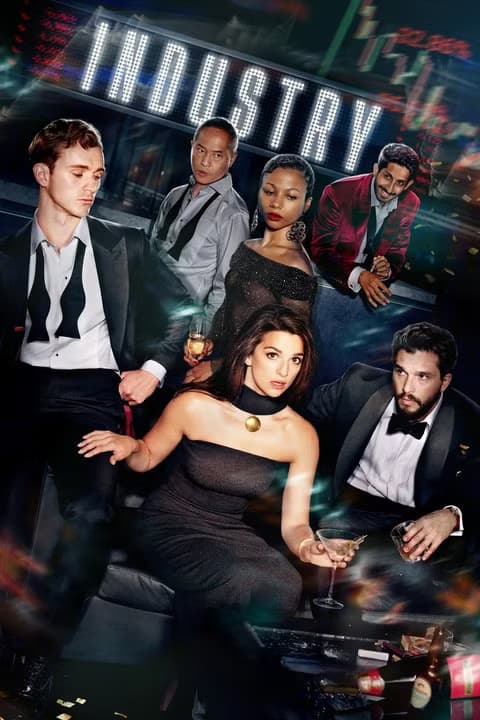
The HBO drama Industry dramatizes the world of high finance in London through the eyes of young employees battling for positions at an investment bank. It's a combination of three shows: the debauchery of Euphoria, the office politics of workplace dramas, and the high-stakes tension of financial thrillers.
The first season introduces the players and the setting. But like many HBO dramas, Industry needed time to develop its ensemble and deepen its exploration of ambition, class, and moral compromise. By season two, the show had become appointment television for viewers who wanted something smarter than typical workplace drama.
Why First Seasons Often Struggle
There's a reason so many shows improve after their debut. First seasons are built from pilots, which are written months or years before the rest of the episodes. The actors haven't lived with their characters yet. The writers haven't discovered what works and what falls flat.
- Pilots are often filmed with different cast members or directors than the series
- Network notes during development can push shows away from their original vision
- Writers learn from audience reactions and critical feedback
- Cast chemistry develops over time and can reshape character dynamics
The shows that survive rocky first seasons often become the most beloved. They've earned their voice through trial and error.
The Network Gamble
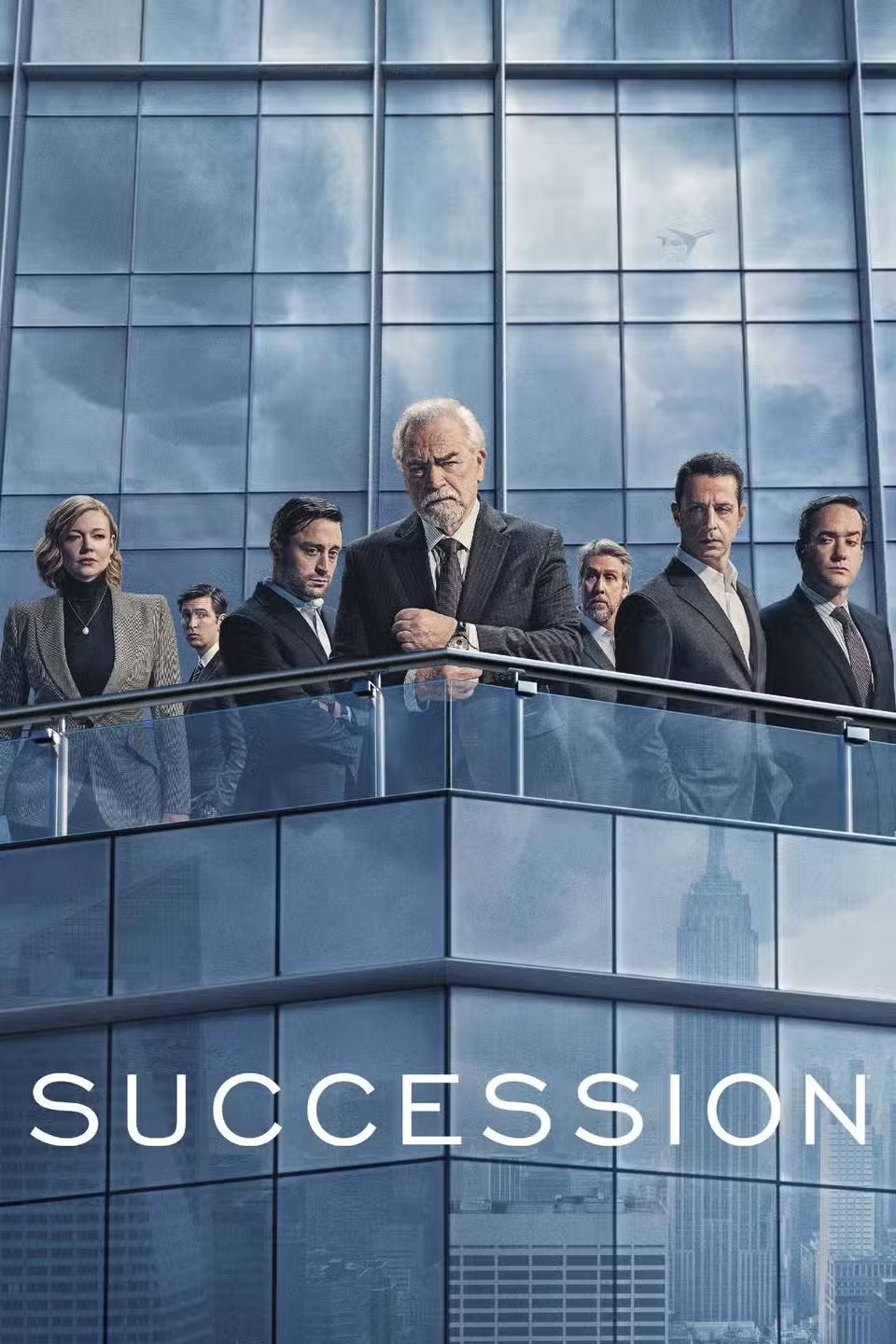
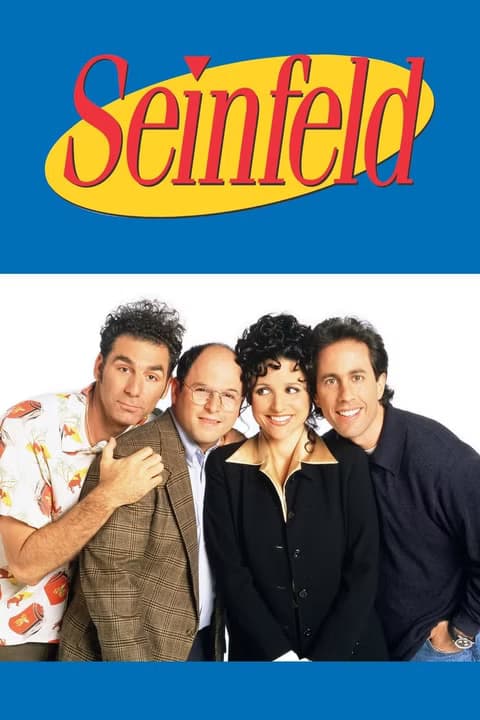
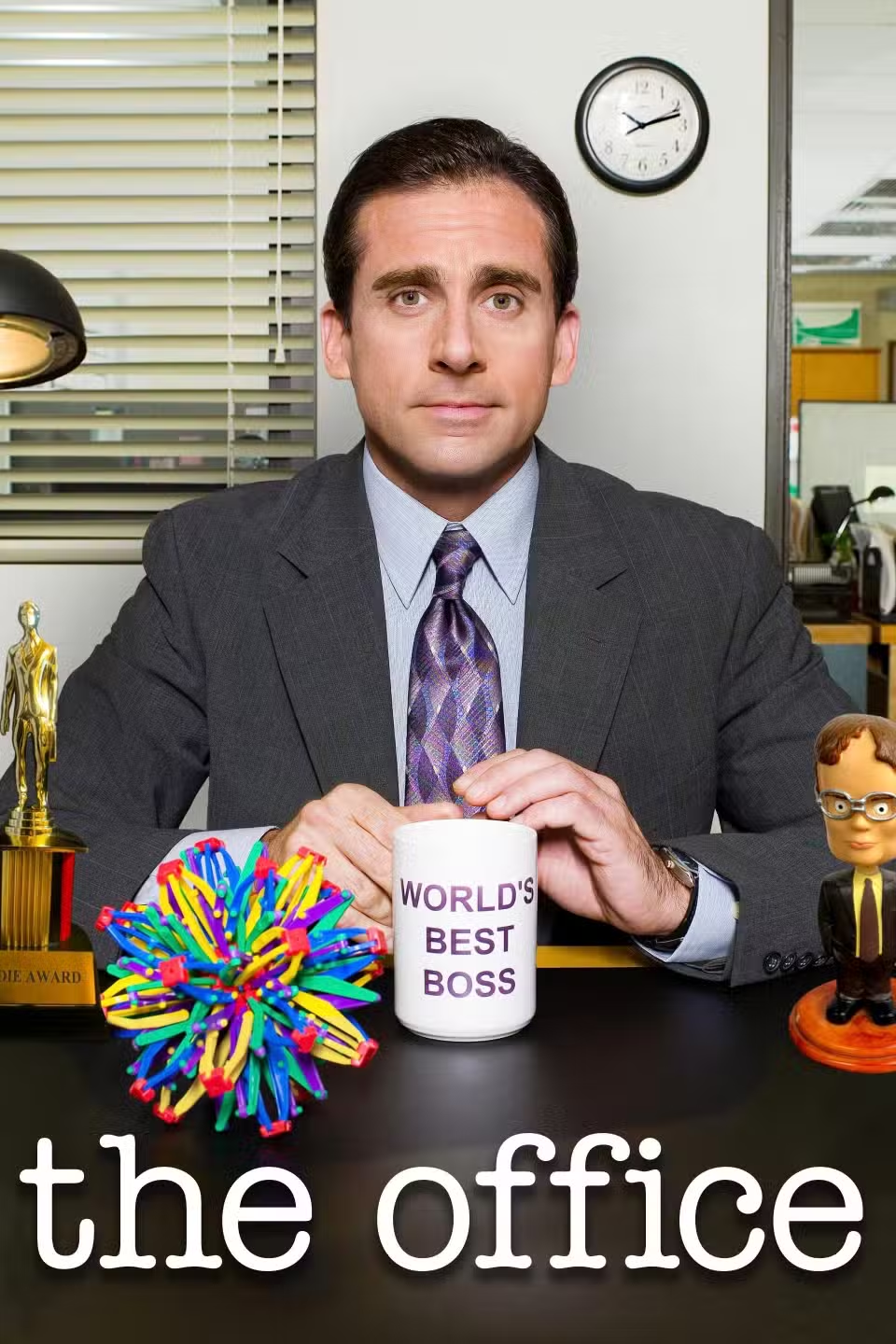
Renewing a struggling show is a risk. But some networks have made fortunes by giving creators time to figure things out. Parks and Recreation famously retooled after a weak first season and became one of NBC's most celebrated comedies. The Office needed time to escape the shadow of its British predecessor.
The streaming era has made this patience rarer. Shows now face cancellation after a single season if they don't immediately capture attention. That's a loss for viewers who might have discovered the next great series if it had been given room to grow.
Logicity's Take
The best TV shows aren't built in a single season. They're discovered through experimentation, failure, and refinement. In an era where streaming platforms cancel shows faster than audiences can find them, the networks willing to bet on creative potential over immediate results are the ones producing memorable television.
More on TV shows that deserve another chance
Frequently Asked Questions
Why do TV shows often improve after the first season?
First seasons are built from pilots written months or years earlier. Writers haven't discovered what works, actors haven't lived with their characters, and network interference is often highest during development. By season two, the creative team has learned from feedback and found their voice.
When did Danny DeVito join It's Always Sunny in Philadelphia?
Danny DeVito joined the cast in season 2 as Frank Reynolds, Dennis and Dee's father. The show has now run for 17 seasons, making it one of the longest-running live-action comedy series in American television history.
What is the HBO show Industry about?
Industry is an HBO drama that follows young employees competing for positions at a London investment bank. It combines financial thriller elements with character-driven storytelling about ambition, class, and moral compromise.
Are streaming shows more likely to be cancelled after one season?
Yes. Streaming platforms increasingly cancel shows after a single season if they don't immediately capture audience attention, giving fewer series the chance to improve and find their creative footing over time.
Need Help Implementing This?
Looking for recommendations on which streaming shows are worth your time investment? Our team covers entertainment technology and streaming trends. Reach out to discuss how we can help you stay informed on the content that matters.
Source: How-To Geek
Huma Shazia
Senior AI & Tech Writer
Produced with AI assistance and reviewed by the Logicity editorial team. Learn more in our Editorial Policy.