Key Takeaways

- TidyCal costs $29 once. Calendly costs $12-20 per user per month.
- Calendly wins on team features, AI notetaking, and native integrations.
- TidyCal includes payment processing, subscriptions, and a digital storefront for solopreneurs.
A decade ago, scheduling a meeting meant a chain of emails. 'How about Tuesday at 2?' 'Sorry, I have a conflict. Wednesday?' 'Wednesday works, but only after 4.' Calendly ended that misery with automated booking links. You share a link. The other person picks a time. Done.
Calendly now has over 20 million active users and a valuation north of $3 billion. It earned an estimated $349 million in 2024, growing at 26.4% year-over-year. The company has become the default for teams that need scheduling at scale.
But that success attracted competitors. TidyCal, owned by AppSumo, launched with a radically different pitch: pay $29 once and use it forever. No monthly fees. No annual renewals. For freelancers, coaches, and solo consultants, that math is hard to ignore.
“Calendly is a single-feature product you could now vibe-code in a weekend.”
— Sherry Jiang, Tech Investor & Entrepreneur
Jiang's take reflects a broader shift. Enterprise tools with monthly subscriptions face pressure from lean alternatives with lifetime deals. The question isn't just which scheduler has more features. It's whether you need those features, and what you're willing to pay for them.
Pricing: $29 Once vs $144 Per Year
TidyCal offers a free plan with limited features. The paid Individual plan costs $29 for lifetime access. The Agency plan, which adds team features, costs $79 per user for life. If you want to remove TidyCal branding, there's a $12 per user per month option.
Calendly also has a free tier. The Professional plan costs $12 per user per month. The Teams plan runs $20 per user per month and adds collaboration features like round-robin scheduling and team analytics.
| Feature | TidyCal | Calendly |
|---|---|---|
| Free plan | Yes | Yes |
| Paid plan (individual) | $29 lifetime | $12/month |
| Team plan | $79 lifetime per user | $20/month per user |
| Remove branding | $12/month | Included in paid plans |
| Mobile app | No | Yes |
| AI notetaking | No | Yes |
| Workflows/automations | Basic | Advanced |
The math is simple. If you're a solo consultant who would use Calendly's $12 plan, you'd pay $144 in year one. TidyCal's $29 lifetime deal pays for itself in about two and a half months.
Ease of Use: Both Are Simple, But Calendly Is Polished
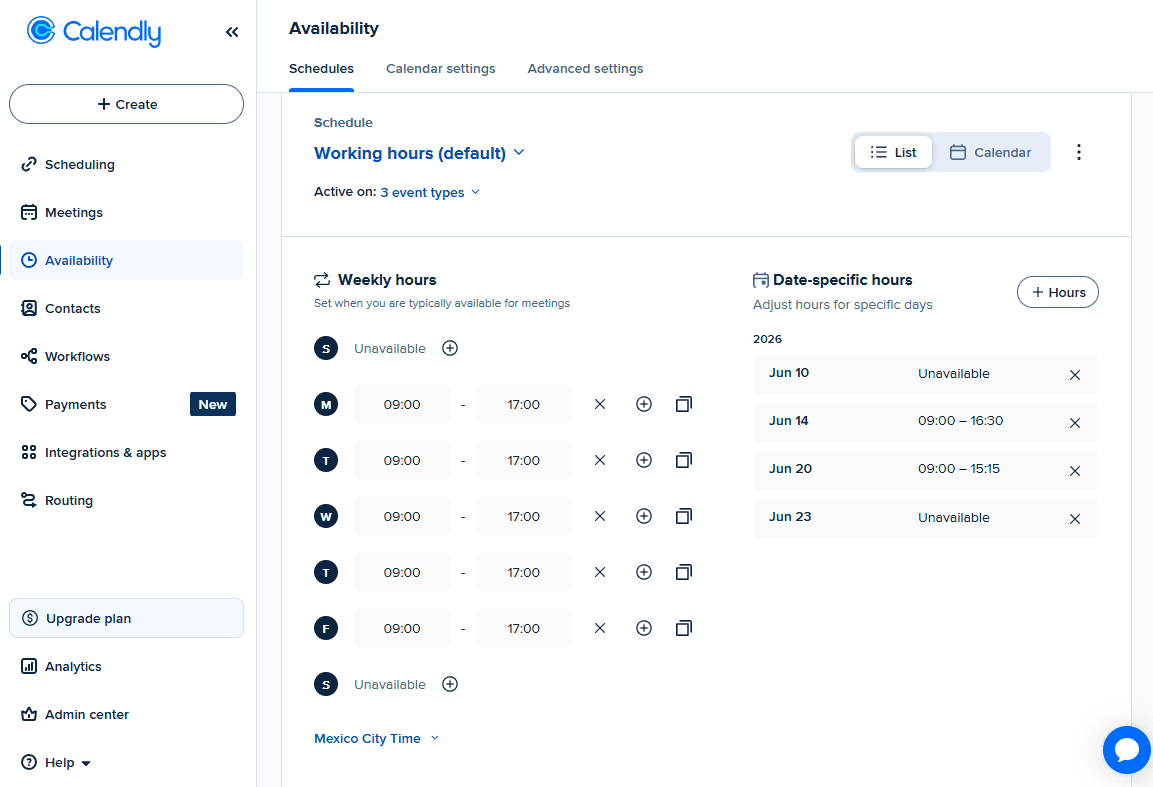
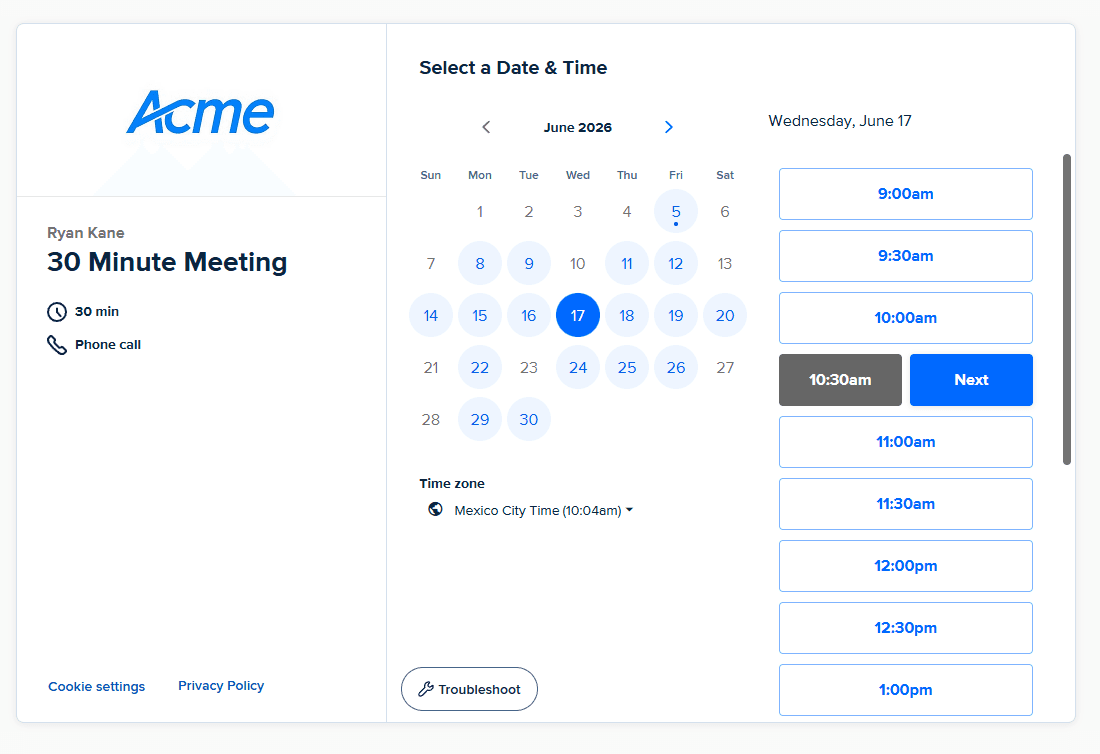
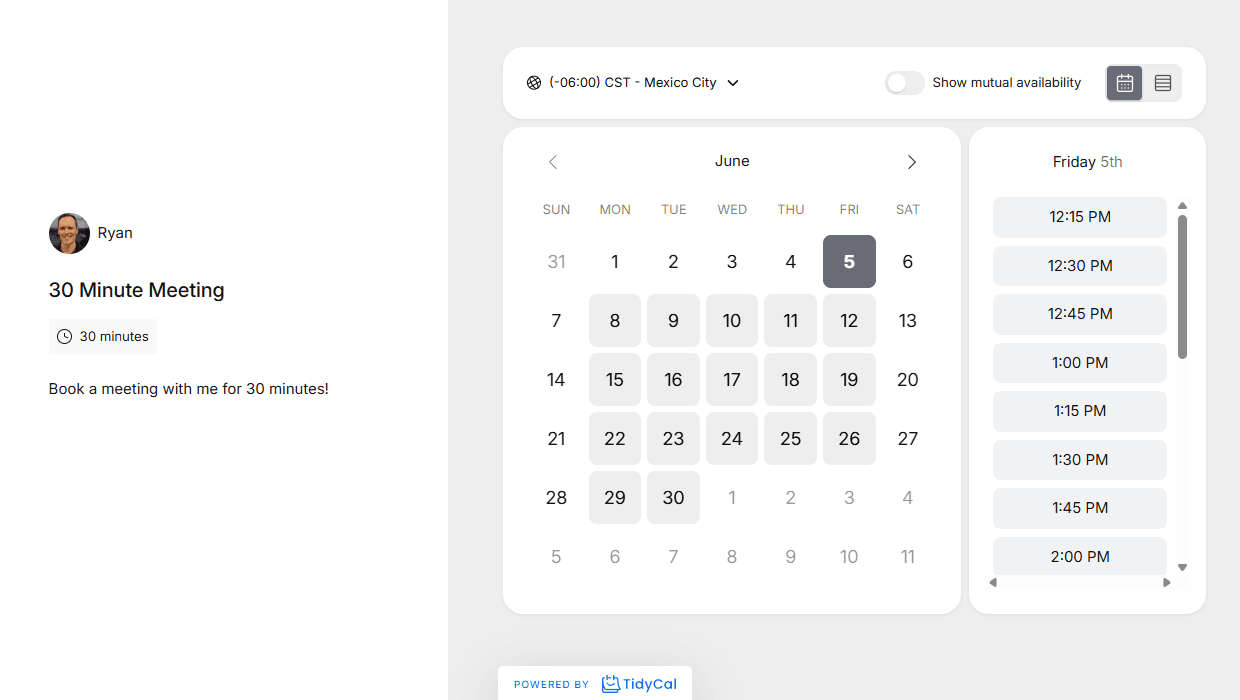
TidyCal is straightforward. You can set up your first booking page in minutes. The interface is clean and functional. But it lacks a mobile app, which means you're managing everything from a browser.
Calendly has a more refined user interface. Small touches, like better visual feedback and smoother navigation, add up. The mobile app lets you manage bookings, check availability, and update settings on the go. For users who schedule frequently, that convenience matters.

Advanced Features: Where Calendly Pulls Ahead
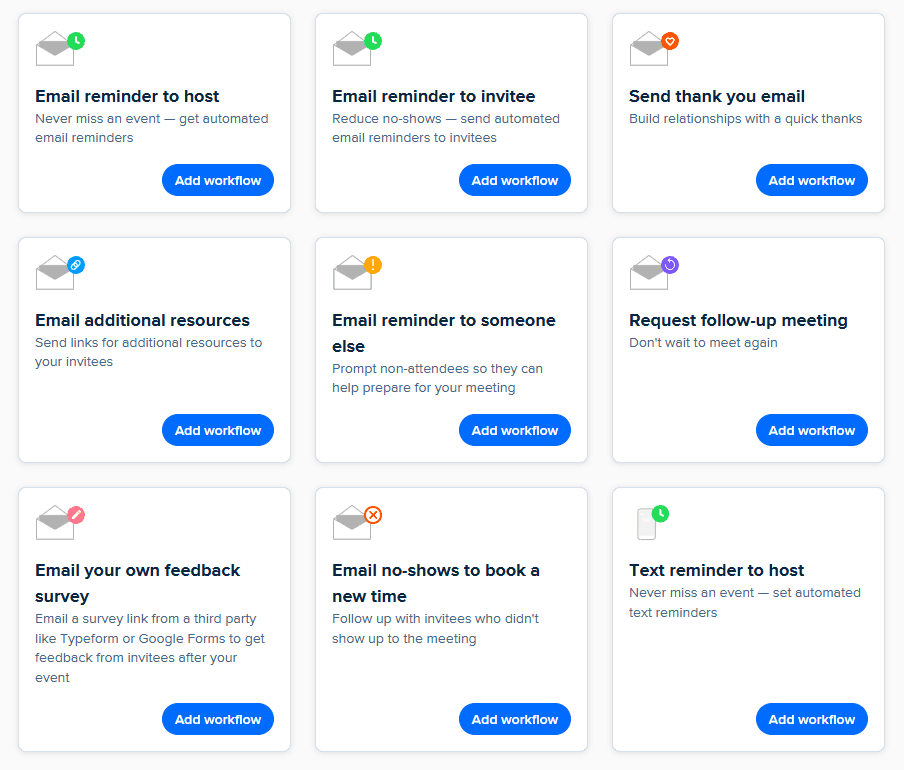
Calendly offers features TidyCal doesn't match. Workflows let you trigger automatic emails, reminders, or follow-ups based on booking events. Routing forms qualify leads before they book, sending them to the right person or meeting type. AI notetaking captures meeting summaries without third-party tools.
Meeting analytics show you booking trends, no-show rates, and team performance. If you run a sales team or manage client relationships at scale, these features justify the subscription cost.
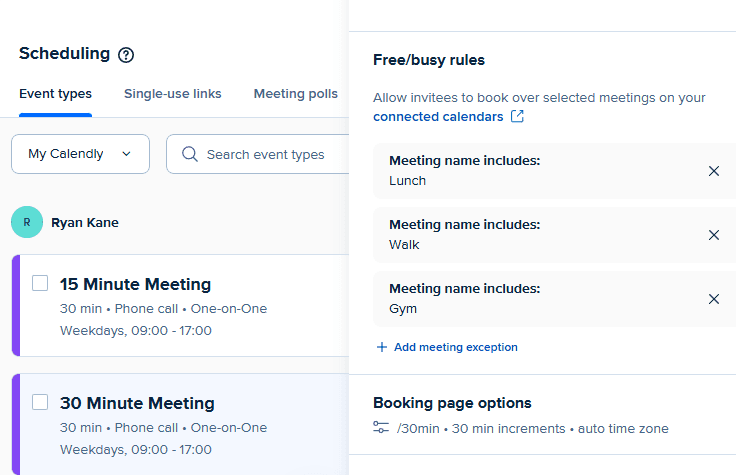
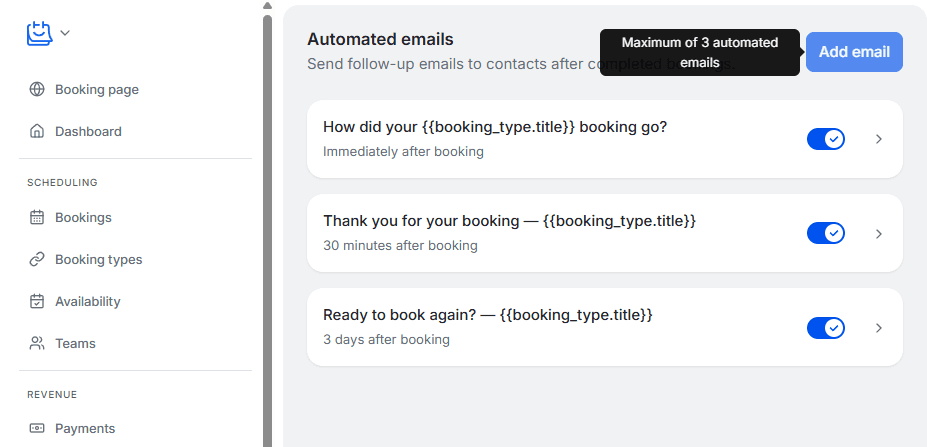
TidyCal covers the basics. You get calendar syncing, buffer times between meetings, and customizable booking pages. But if you want conditional logic, multi-step automations, or built-in AI, you'll need Calendly or a third-party integration.
Payments: TidyCal Has More Options for Solopreneurs
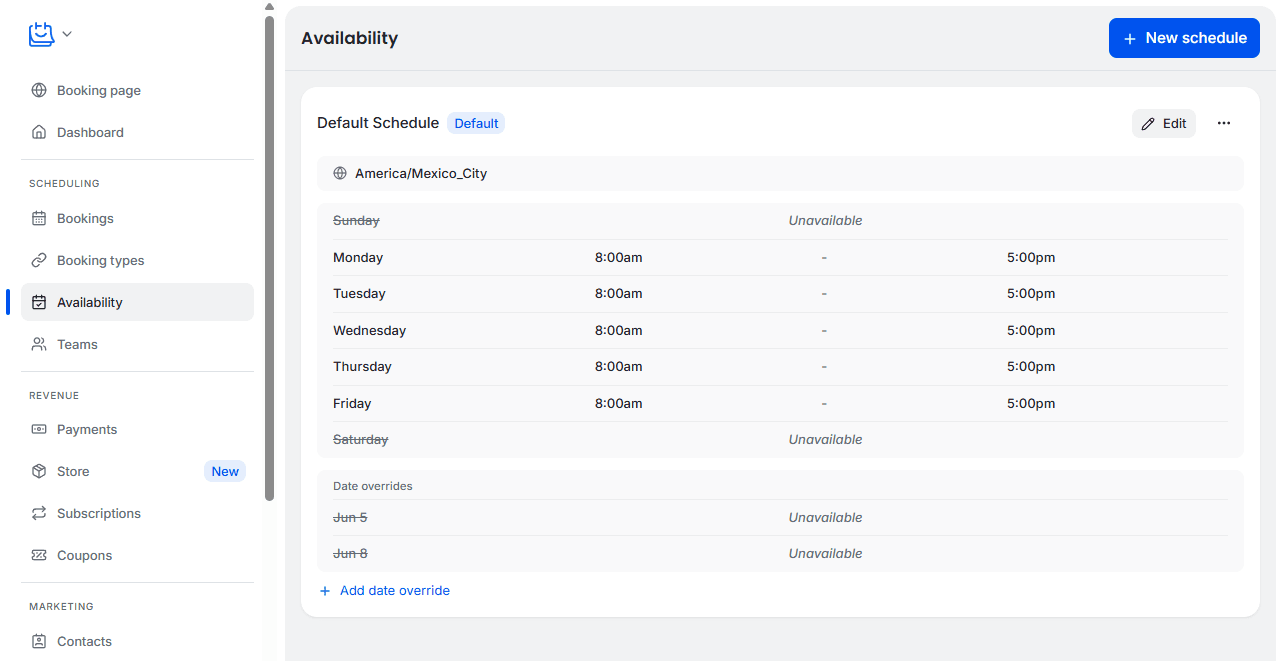
TidyCal treats payments as a core feature. You can charge upfront for bookings, sell subscriptions, offer multi-session packages, create coupons, and even run a digital storefront. For coaches selling coaching packages or consultants bundling sessions, this is useful out of the box.
Calendly supports upfront payments, multi-session packages, and coupons. But it lacks subscriptions and the storefront functionality. If you're running a service business with recurring clients, TidyCal's payment features are more complete.
Team Features: Calendly for Scale, TidyCal for Budget
Calendly's Teams plan adds collective meetings, where multiple team members must be available. Round-robin scheduling distributes leads evenly. Team analytics track performance across the organization. For sales teams, customer success teams, or any group that books meetings at volume, these features reduce coordination overhead.
TidyCal's Agency plan offers collective meetings and round-robin scheduling. The $79 lifetime price per user is attractive for small teams watching their runway. But larger organizations will miss Calendly's deeper analytics and admin controls.
Integrations: Calendly Has More, Both Work with Zapier
Calendly integrates natively with Salesforce, HubSpot, Zoom, Microsoft Teams, Google Meet, Slack, and dozens of other tools. If your stack includes enterprise CRMs or communication platforms, Calendly likely connects directly.
TidyCal has fewer native integrations. It connects to Google Calendar, Outlook, Zoom, and Google Meet. For anything else, you'll rely on Zapier. Both tools integrate with Zapier, so you can build custom automations. But Calendly's native connections mean less setup for common workflows.
If you're evaluating automation tools alongside schedulers
The Etiquette Debate: Are Booking Links Rude?
On Reddit and Hacker News, a recurring debate surfaces. Some users argue that sending a booking link is efficient and respectful of everyone's time. Others see it as an impersonal power move, implying your time is more valuable than theirs.
The practical answer: context matters. For inbound sales calls or client bookings, a scheduling link is expected. For reaching out to someone you're asking a favor from, offering two or three specific times often feels more personal.
Who Should Use TidyCal
- Freelancers and solo consultants who want a one-time payment
- Coaches and service providers who need payment processing built in
- Small teams under 10 people who don't need advanced analytics
- Anyone allergic to SaaS subscriptions
TidyCal's sweet spot is the independent professional. You book meetings, collect payments, and manage your calendar. You don't need AI notetaking or CRM integrations. You want to pay once and move on.
Who Should Use Calendly
- Sales teams that need lead routing and CRM integration
- Customer success teams tracking meeting analytics
- Organizations with complex scheduling needs (collective meetings, multi-host events)
- Anyone who values a polished mobile app and native integrations
Calendly makes sense when scheduling is a business process, not just a convenience. If you're measuring conversion rates from booked calls or distributing leads across a team, Calendly's features justify the monthly cost.
✅ Pros
- • TidyCal: $29 lifetime price eliminates ongoing costs
- • TidyCal: Built-in payment processing, subscriptions, and digital storefront
- • Calendly: Polished interface with mobile app
- • Calendly: Advanced workflows, routing forms, and AI notetaking
- • Calendly: Native integrations with major CRMs and platforms
❌ Cons
- • TidyCal: No mobile app
- • TidyCal: Limited native integrations
- • Calendly: Monthly subscription adds up ($144-240 per user per year)
- • Calendly: Overkill for simple scheduling needs
Logicity's Take
For teams evaluating client-facing software stacks
Frequently Asked Questions
Is TidyCal really a lifetime deal?
Yes. TidyCal's Individual plan costs $29 once with no recurring fees. The Agency plan costs $79 per user for lifetime access. AppSumo, which owns TidyCal, has offered this pricing since launch.
Does TidyCal integrate with Salesforce or HubSpot?
Not natively. TidyCal integrates with Zapier, so you can connect to CRMs through automated workflows. Calendly offers direct native integrations with Salesforce, HubSpot, and other enterprise tools.
Can I accept payments through Calendly?
Yes. Calendly supports upfront payments, multi-session packages, and discount codes. TidyCal adds subscriptions and a digital storefront for selling services alongside bookings.
Which scheduler is better for teams?
Calendly offers more robust team features, including analytics, admin controls, and native CRM integrations. TidyCal's Agency plan covers basics like round-robin and collective meetings at a lower cost.
Is there a free version of TidyCal and Calendly?
Both offer free plans with limited features. TidyCal's free plan includes basic scheduling. Calendly's free plan supports one event type with essential calendar integrations.
Need Help Implementing This?
Source: The Zapier Blog
Huma Shazia
Senior AI & Tech Writer
Produced with AI assistance and reviewed by the Logicity editorial team. Learn more in our Editorial Policy.