Key Takeaways
- The CX software market will hit $26.1 billion in 2026, with 95% of interactions touching AI
- 68% of customers report negative chatbot experiences, primarily due to inability to reach humans
- Top CX organizations grow at 17% compared to 3% for laggards, making tool choice a competitive differentiator
Every touchpoint shapes how customers feel about your brand. From the first website visit to post-purchase support, each interaction either builds loyalty or chips away at it. The author behind this Zapier roundup canceled a subscription recently after months of loyalty. The AI agents felt like they were getting worse, human support became impossible to reach, and the branding shifted to target a younger audience. The company probably logged it as general churn. That's the problem: without proper CX tools, you never know why customers leave.
Customer experience software answers a question that has plagued businesses forever: what is it like to be our customer, end to end? The 'end to end' part is where most teams stumble. CX doesn't start with a purchase or end with a sale. It encompasses every single touchpoint, and that's nearly impossible to monitor without dedicated tools.
The Best Customer Experience Software in 2026
Based on extensive testing across different customer journey categories, user reviews across industries, and hands-on evaluation, here are seven tools that stand out for different CX needs.
HubSpot: Best for All-in-One Sales and Marketing
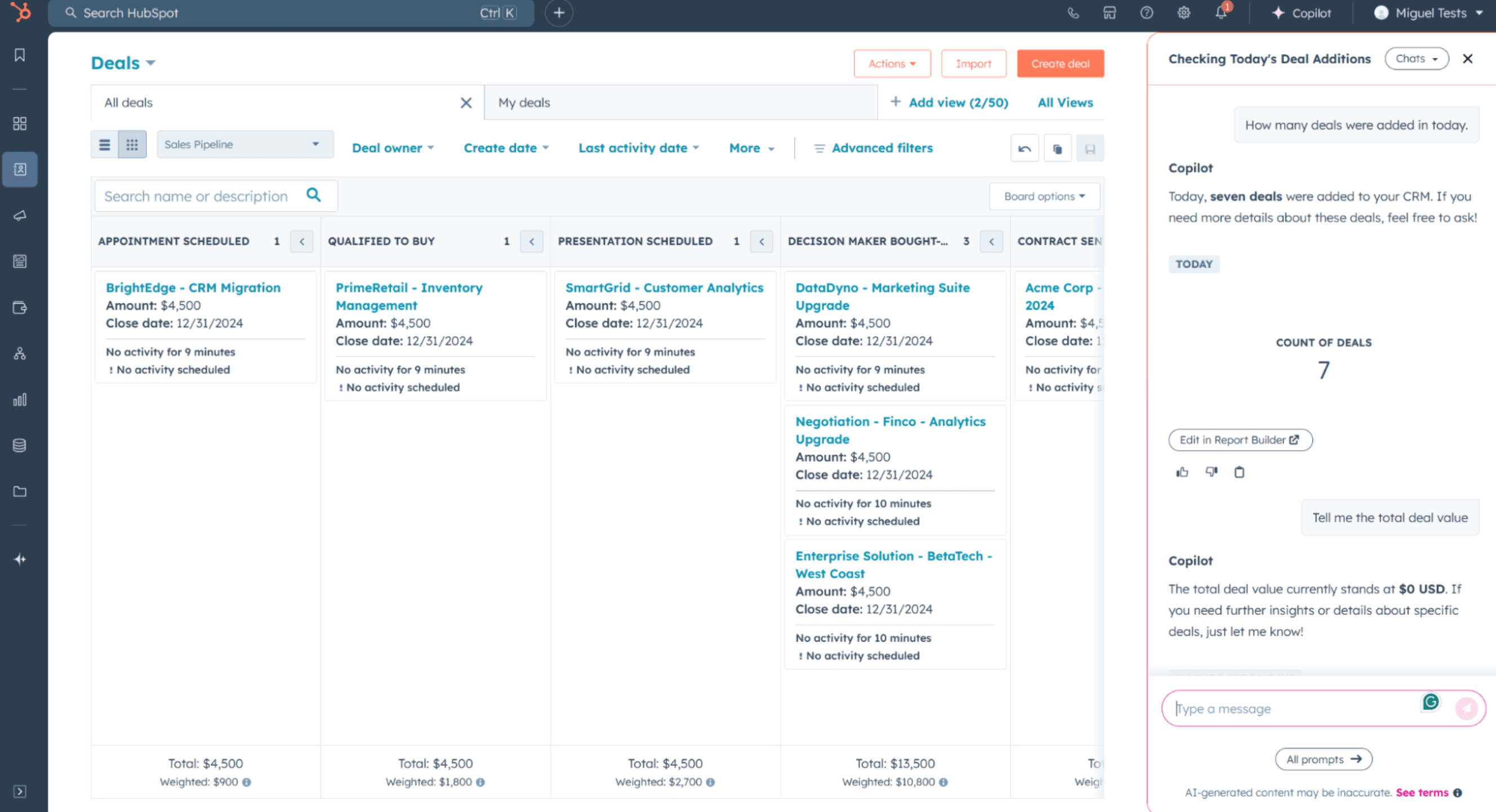
HubSpot brings sales, marketing, and service into a single platform. For teams tired of stitching together multiple tools, this consolidation matters. You get a complete view of the customer journey without switching between apps or wrestling with integrations. The tradeoff is that you're buying into an ecosystem. That works well if HubSpot fits your workflow, less so if you need flexibility.
Zendesk: Best for Unified Customer Portals
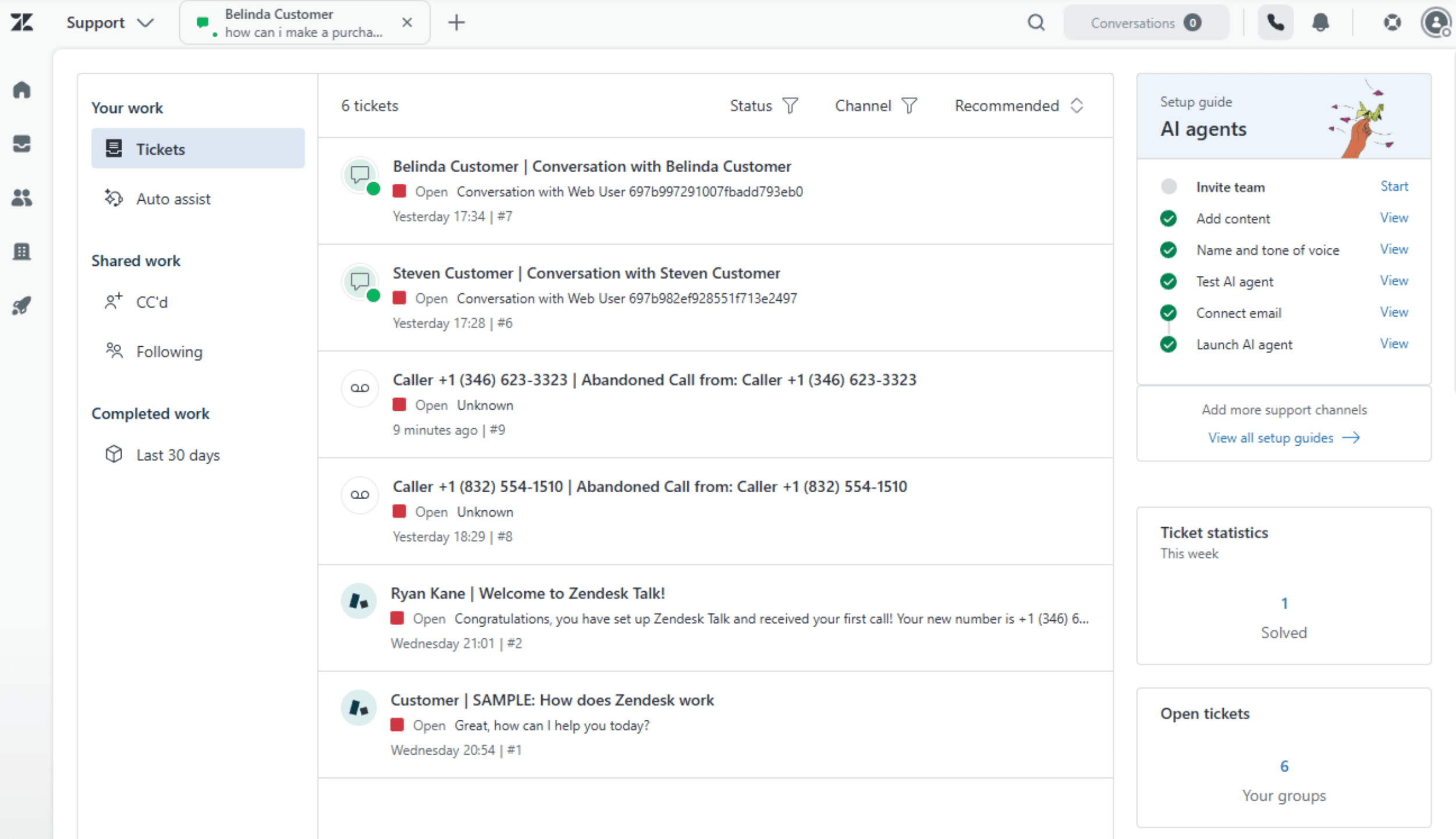
Zendesk excels at creating a single destination where customers can find answers, submit tickets, and track issues. The unified portal approach reduces friction for customers who hate repeating themselves across channels. If your support volume is high and spread across email, chat, and phone, Zendesk's consolidation can cut resolution times significantly.
Freshdesk: Best for Connected Support Options
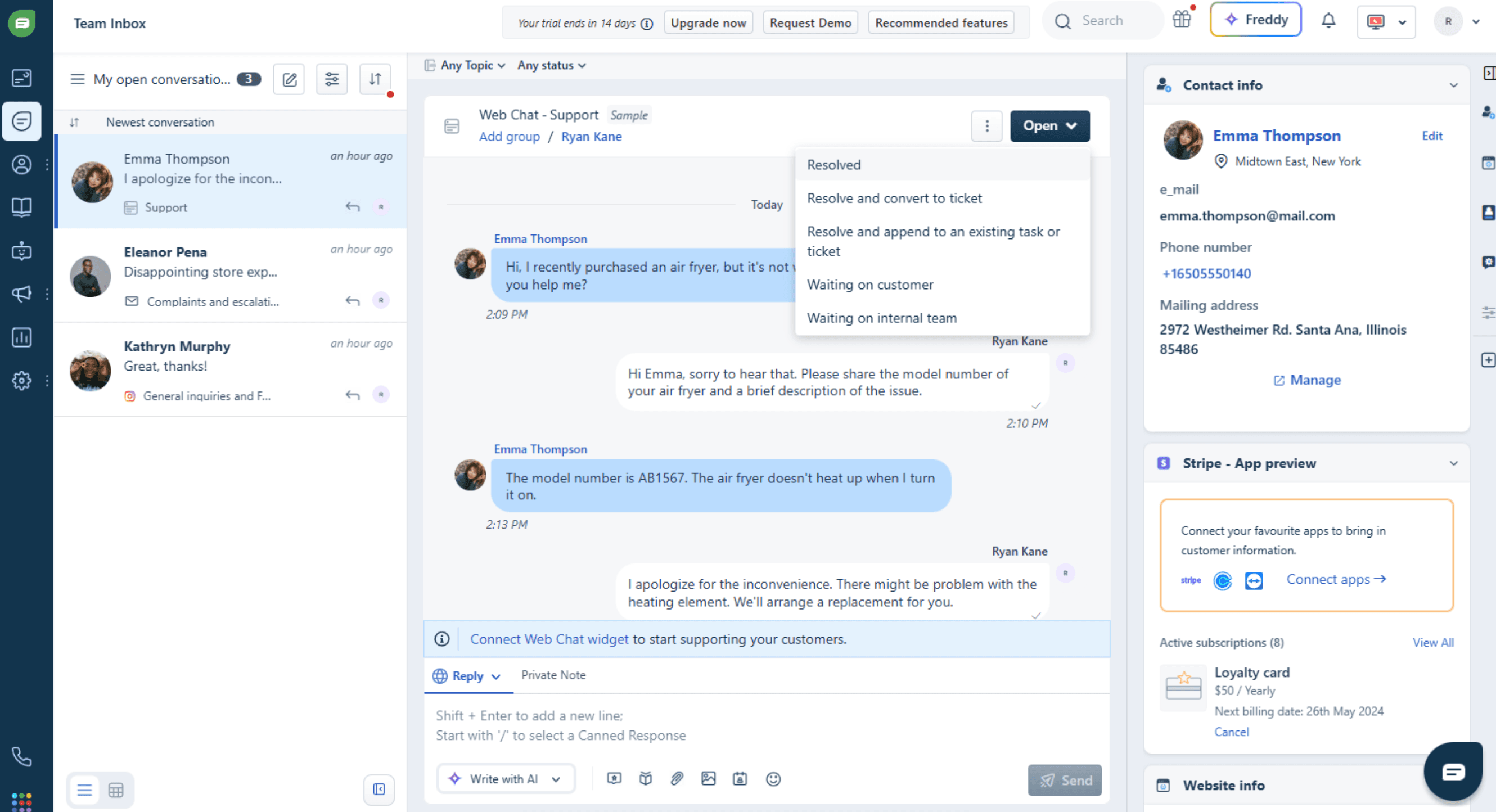
Freshdesk offers a suite of connected support tools that scale with your team. You can start with basic ticketing and add live chat, phone support, or field service modules as needed. This modular approach makes Freshdesk attractive for growing companies that don't want to overbuy upfront but need room to expand.
Salesforce: Best for Advanced Sales Reporting and Forecasting
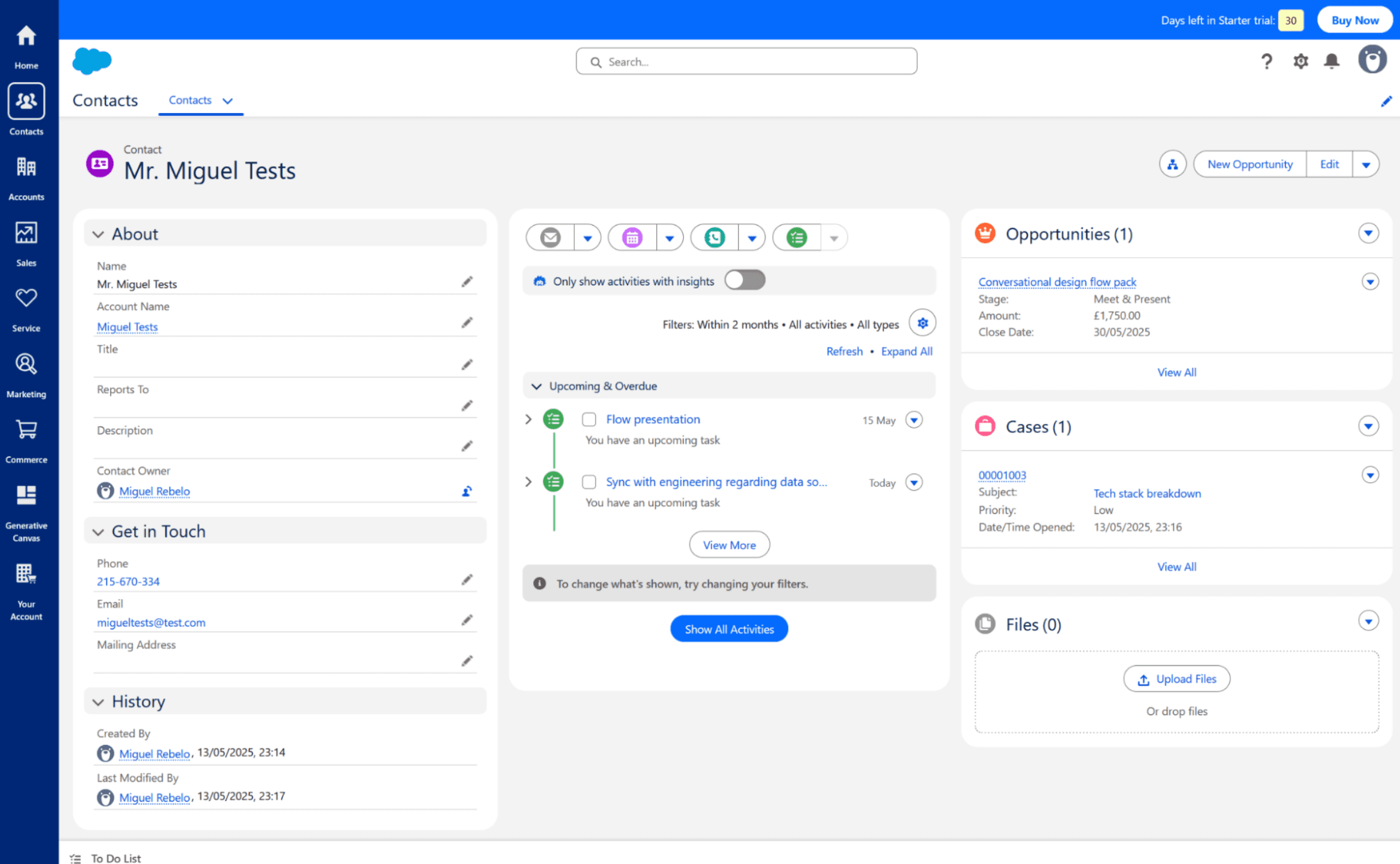
Salesforce remains the heavyweight for sales-focused CX. Its reporting and forecasting capabilities go deep, giving sales leaders granular control over pipeline visibility. The platform's complexity is both its strength and weakness. Teams with dedicated admins get tremendous value. Teams without them often struggle to realize the full potential.
Qualtrics: Best for Customer Research and Feedback
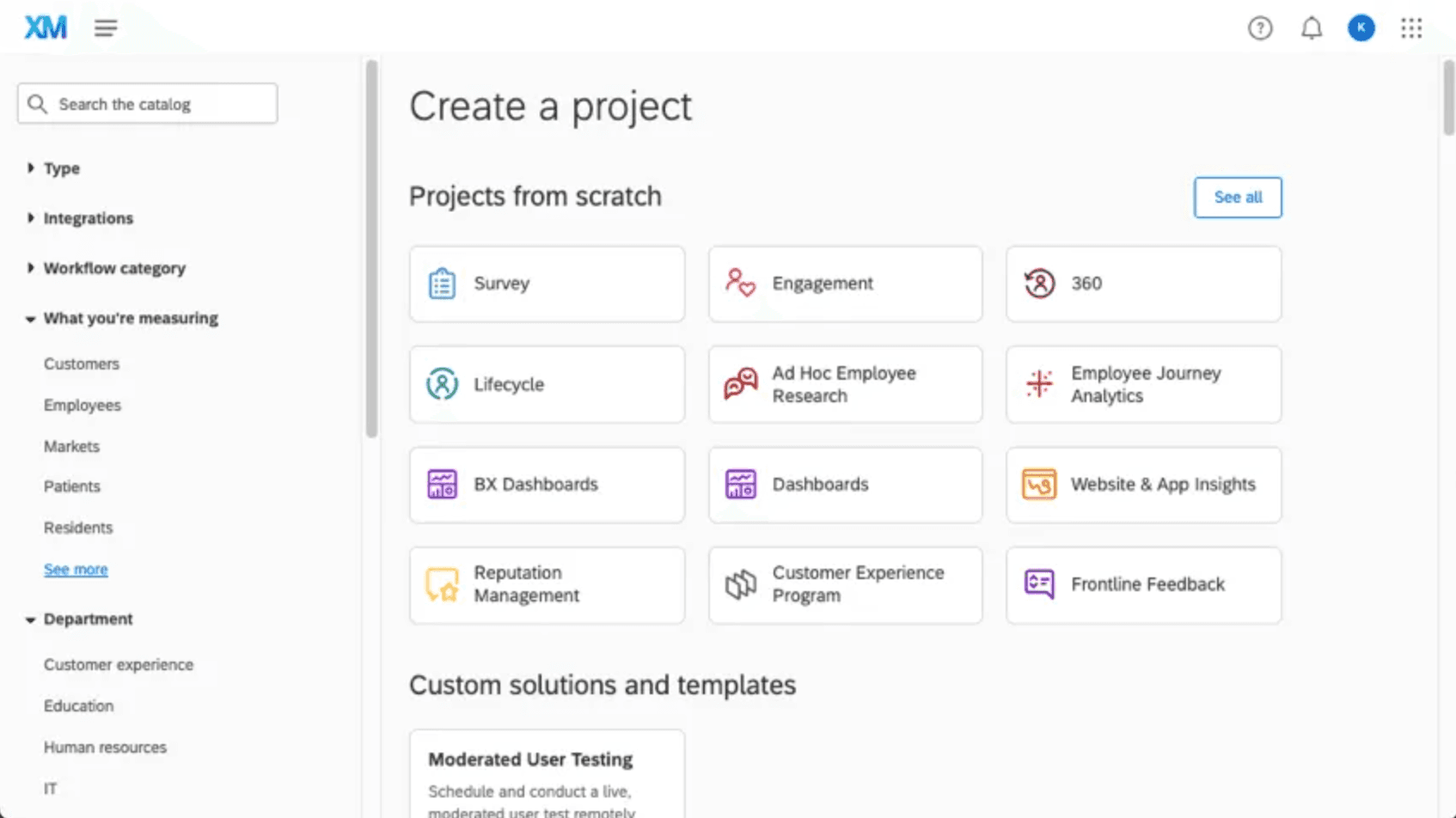
Qualtrics specializes in gathering and analyzing customer feedback at scale. If understanding sentiment and running research programs is central to your CX strategy, Qualtrics offers depth that general-purpose CRMs lack. The platform shines for organizations that treat feedback as a core input to product and service decisions, not an afterthought.
Zoho (CRM, Creator): Best for a Unified Tech Stack
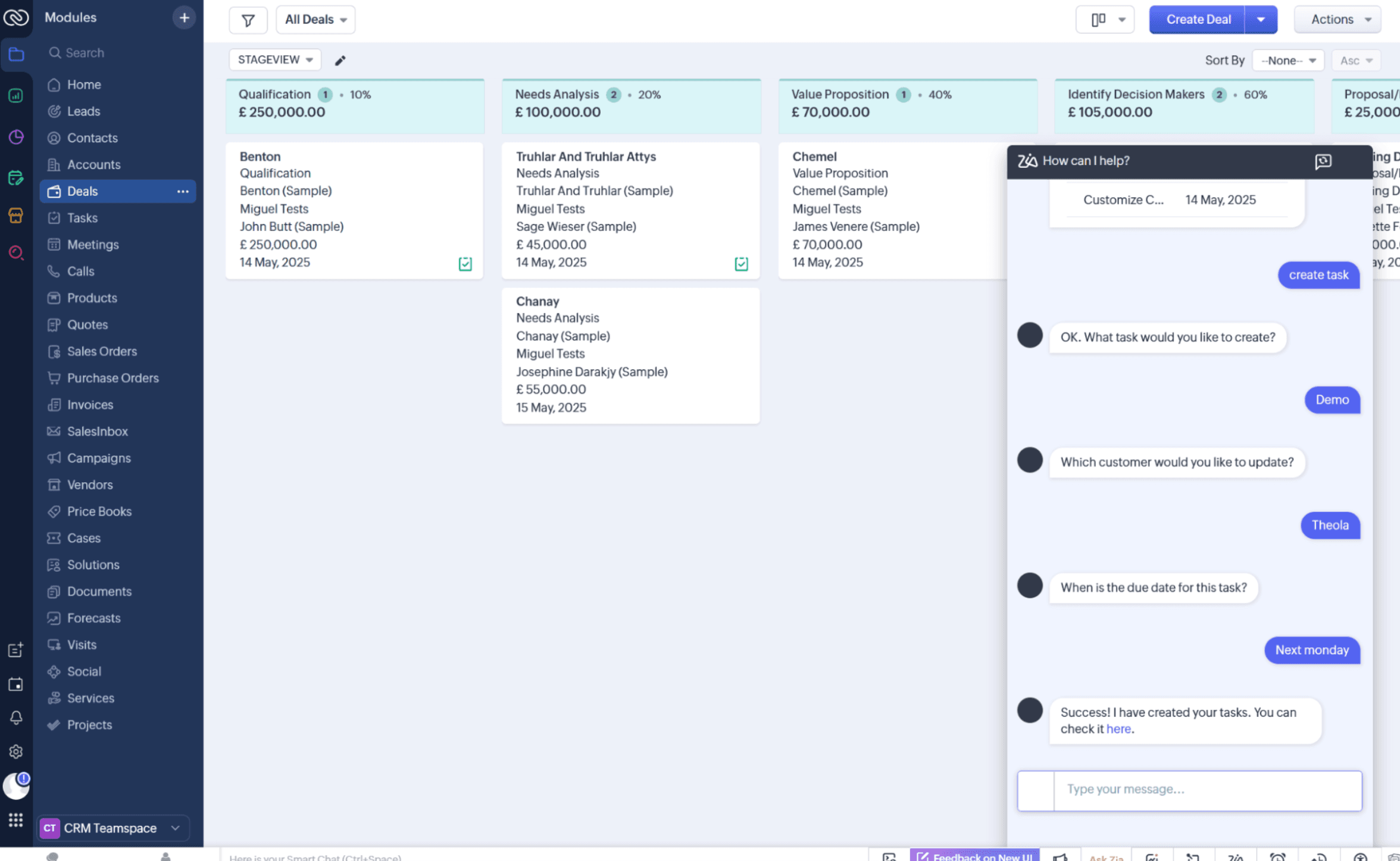
Zoho offers CRM alongside Creator, a low-code platform for building custom apps. This combination lets teams extend their CX tooling without switching vendors or learning new integrations. For organizations that want tight control over their tech stack and prefer building over buying point solutions, Zoho provides a solid foundation.
Intercom: Best for AI-First Customer Service
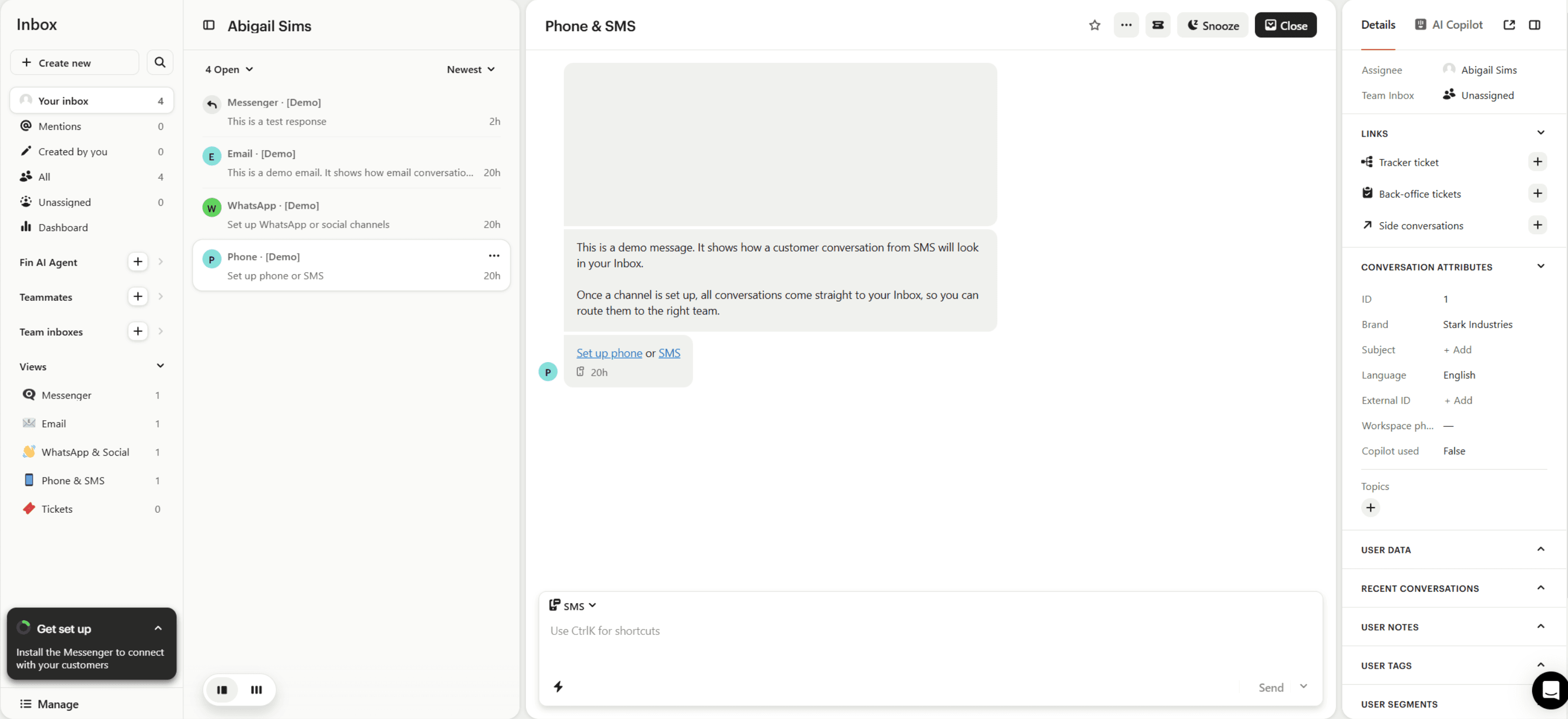
Intercom has positioned itself as the AI-first option for customer service. The platform leans heavily into automation and conversational AI, aiming to resolve issues before they reach human agents. This approach works well for high-volume, straightforward queries. It requires careful tuning when customers have complex, multi-step problems.
The AI Problem in Customer Experience
By 2026, 95% of customer interactions are projected to involve some form of AI. That sounds efficient until you look at the customer side: 68% of customers report having negative chatbot experiences, with the primary complaint being the inability to reach human agents.
This creates a tension at the heart of modern CX strategy. Automation reduces cost-per-contact to near zero. But when AI agents can't resolve complex issues, customers get stuck in loops that destroy loyalty faster than any human error could.
Leading CX organizations grow at 17% compared to just 3% for laggards. The difference often comes down to knowing when to automate and when to escalate to humans quickly. The best tools in this roundup offer both capabilities. The question is how your team configures them.
The Execution Debt Problem
Reddit and Hacker News communities have been highlighting a pattern they call 'execution debt' in CRM platforms. The tools provide great dashboards but poor integration for actually solving user complaints.
“The gap between having data and taking action is the single biggest failure point for CX teams today. We are drowning in dashboards but starving for execution.”
— Top contributor, r/customerexperience
This matches a broader trend: organizations collect massive amounts of user feedback but struggle to turn insights into product improvements. The result is churn when AI agents fail to resolve complex issues because the underlying problems never got fixed.
Picking the right CX tool matters less than using it well. A mediocre platform with disciplined execution beats a sophisticated one gathering dust. When evaluating these options, ask not just what features they offer but how your team will actually act on the data they surface.
How to Choose the Right CX Software
The right choice depends on where your biggest CX gaps are. If you're losing customers in the sales funnel, Salesforce or HubSpot's reporting can surface problems. If support is your weak point, Zendesk or Freshdesk offer dedicated solutions. If you're flying blind on customer sentiment, Qualtrics fills that gap.
- For all-in-one consolidation: HubSpot or Zoho
- For support-focused teams: Zendesk or Freshdesk
- For sales analytics: Salesforce
- For feedback and research: Qualtrics
- For AI-first automation: Intercom
Consider integration needs carefully. A tool that doesn't connect to your existing stack creates friction. Zapier compatibility matters here since most of these platforms support automation workflows that bridge gaps between tools.
If you're evaluating CX automation, these orchestration tools can connect your customer data across platforms
| Tool | Best For | AI Capabilities | Starting Price Tier |
|---|---|---|---|
| HubSpot | All-in-one sales/marketing | Moderate | Free tier available |
| Zendesk | Unified customer portal | Strong | Mid-range |
| Freshdesk | Modular support suite | Moderate | Free tier available |
| Salesforce | Sales reporting/forecasting | Strong | Enterprise |
| Qualtrics | Customer research/feedback | Strong | Enterprise |
| Zoho | Unified tech stack | Moderate | Budget-friendly |
| Intercom | AI-first service | Very strong | Mid-range |
Logicity's Take
Frequently Asked Questions
What is customer experience software?
Customer experience software helps businesses track, analyze, and improve every touchpoint a customer has with their brand, from first interaction through post-purchase support. It typically includes CRM, support ticketing, feedback collection, and analytics capabilities.
How much does CX software cost in 2026?
Pricing varies widely. HubSpot, Freshdesk, and Zoho offer free tiers for small teams. Mid-range options like Zendesk and Intercom typically run $50-150 per agent per month. Enterprise platforms like Salesforce and Qualtrics often require custom pricing based on usage and features.
Should I use AI chatbots for customer service?
AI chatbots work well for high-volume, straightforward queries. However, 68% of customers report negative experiences when they can't reach humans for complex issues. The best approach combines AI for initial triage with clear escalation paths to human agents.
What's the difference between CRM and CX software?
CRM (Customer Relationship Management) focuses on tracking customer data and sales interactions. CX software is broader, encompassing support, feedback, research, and the entire customer journey. Many CX platforms include CRM functionality, but not all CRMs offer full CX capabilities.
How do I measure CX software ROI?
Track metrics like customer retention rate, Net Promoter Score, resolution time, cost-per-contact, and customer lifetime value before and after implementation. Leading CX organizations grow at 17% compared to 3% for laggards, so impact on revenue growth is also a key indicator.
Need Help Implementing This?
Source: The Zapier Blog
Manaal Khan
Tech & Innovation Writer
Produced with AI assistance and reviewed by the Logicity editorial team. Learn more in our Editorial Policy.