Key Takeaways
- 94% of new workflow blueprints in 2026 incorporate at least one LLM node, signaling AI's dominance in automation
- The iPaaS market is projected to hit $21.5 billion by end of 2026, driven by enterprise demand for orchestration
- Self-hosted tools like n8n appeal to organizations prioritizing data sovereignty and cost control
The Shift from Automation to Orchestration
The difference between workflow automation and workflow orchestration is like the difference between a gym teacher waving a baton and a trained conductor commanding an orchestra. Both can technically lead a band. Only one can handle a missed note without the whole thing falling apart.
That analogy comes from Zapier's latest roundup of orchestration tools, and it captures where the market has landed in 2026. Simple trigger-action workflows still exist. But the real action is in platforms that can handle multi-step processes, conditional logic, cross-app coordination, and now, autonomous AI agents that find their own path to a goal.
That stat tells the story. Nearly every new automation being built today includes some form of large language model. We're no longer in an era of 'if this, then that.' We're in an era of 'here's the goal, figure it out.'
The Top 5 Tools and Who They're For
Zapier tested the leading platforms against four criteria: the ability to handle multi-step processes, conditional logic, cross-app coordination, and suitability for different skill levels. Here's how they stack up.
1. Zapier: Building Safely with AI
Zapier has positioned itself as the platform for non-technical users who want to orchestrate complex multi-agent workflows. Its Canvas feature lets users visually design autonomous AI agents without writing code.
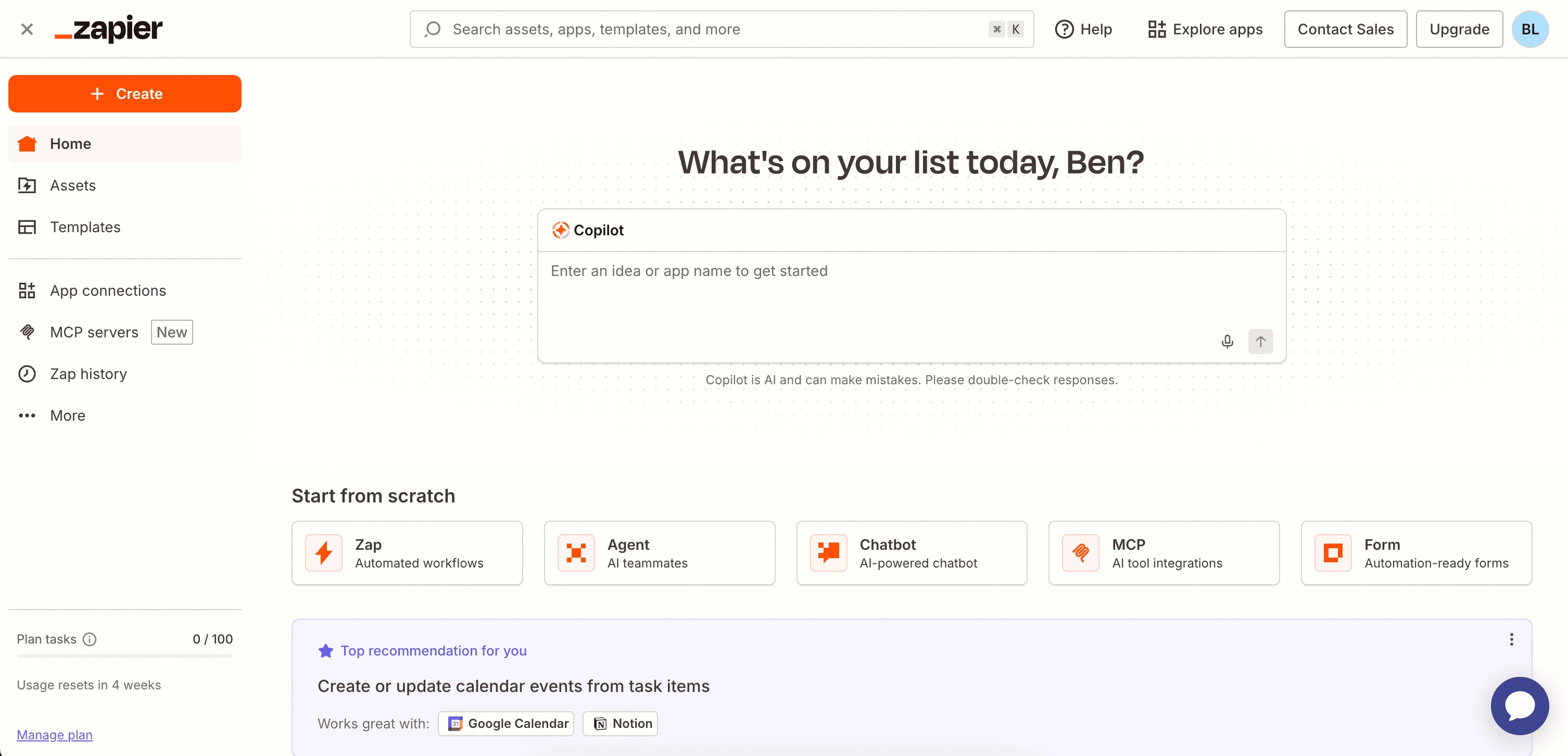
The emphasis on 'safely' matters. As AI agents gain autonomy, the risk of unexpected behavior increases. Zapier's approach is to provide guardrails that prevent agents from going off-script while still allowing flexibility.
2. Make: Visual Logic for Complex Flows
Make (formerly Integromat) appeals to users who want granular control over their workflow logic. Its visual editor makes it easier to see exactly how data flows between steps, which helps when debugging complex multi-branch automations.
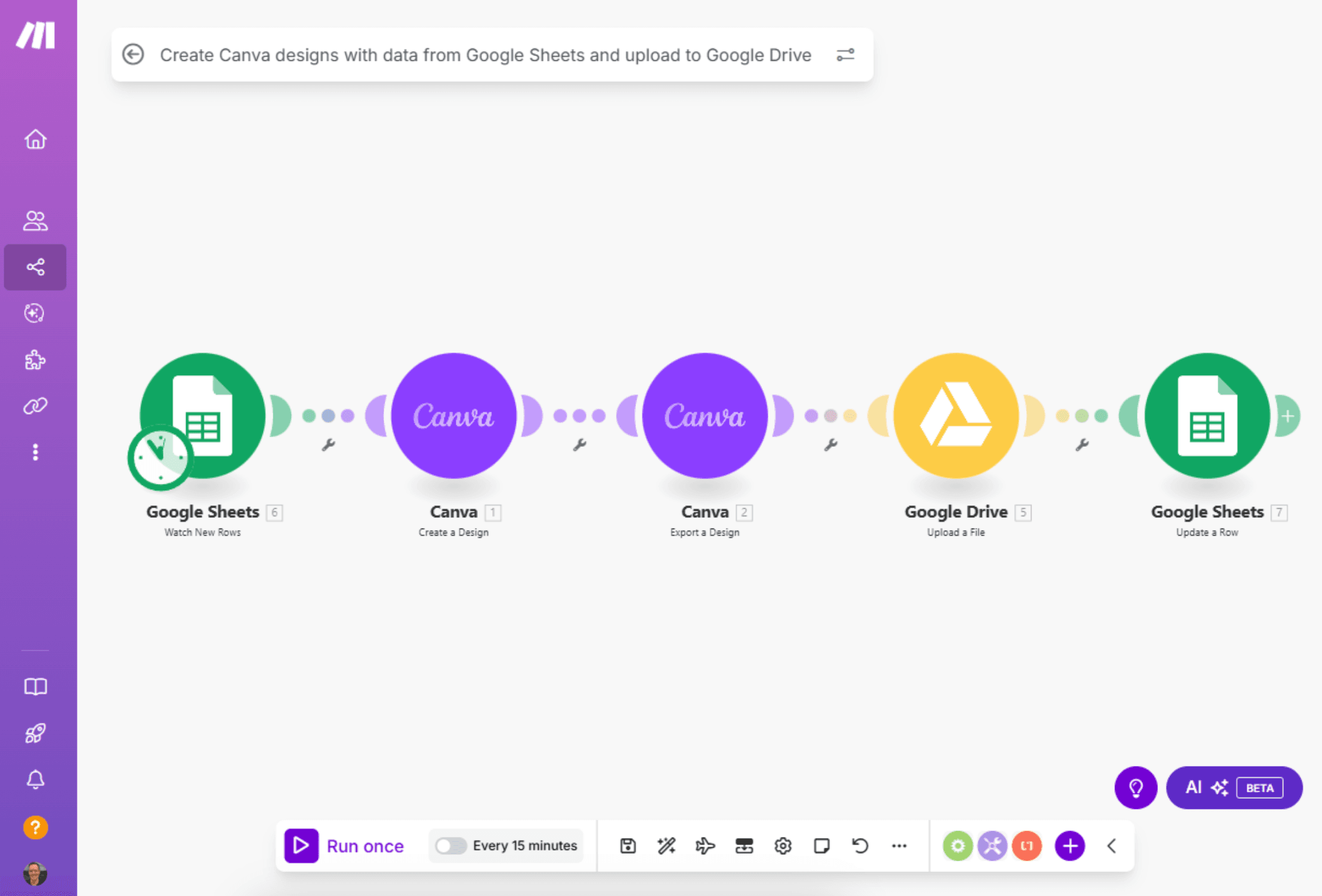
For teams that need to build sophisticated conditional logic without diving into code, Make offers a middle ground between Zapier's simplicity and n8n's technical depth.
3. Workato: Enterprise-Grade iPaaS
Workato targets large enterprises that need integration across dozens or hundreds of applications. It's built for IT teams managing complex tech stacks where governance and compliance matter as much as functionality.
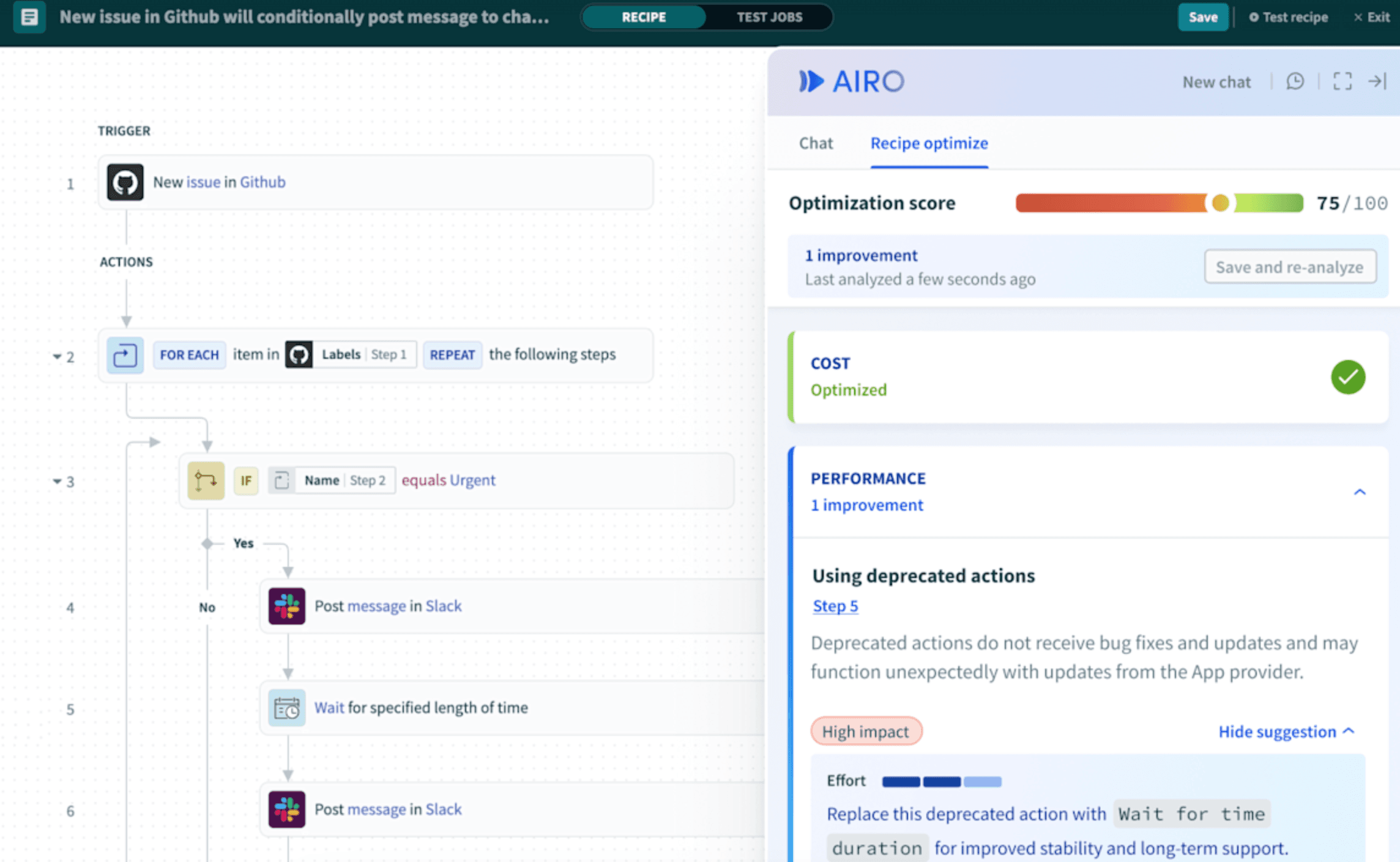
Chen's point reflects a broader industry shift. When AI agents can execute multi-step processes autonomously, the question isn't just 'can it connect to Salesforce?' It's 'can we audit what it did, roll it back if needed, and prove compliance to regulators?'
4. n8n: Self-Hosting and Data Sovereignty
n8n has emerged as the favorite for organizations that want full control over their automation infrastructure. It's self-hosted, open-source (under a 'fair-code' license), and has become the de facto choice for teams concerned about data sovereignty.
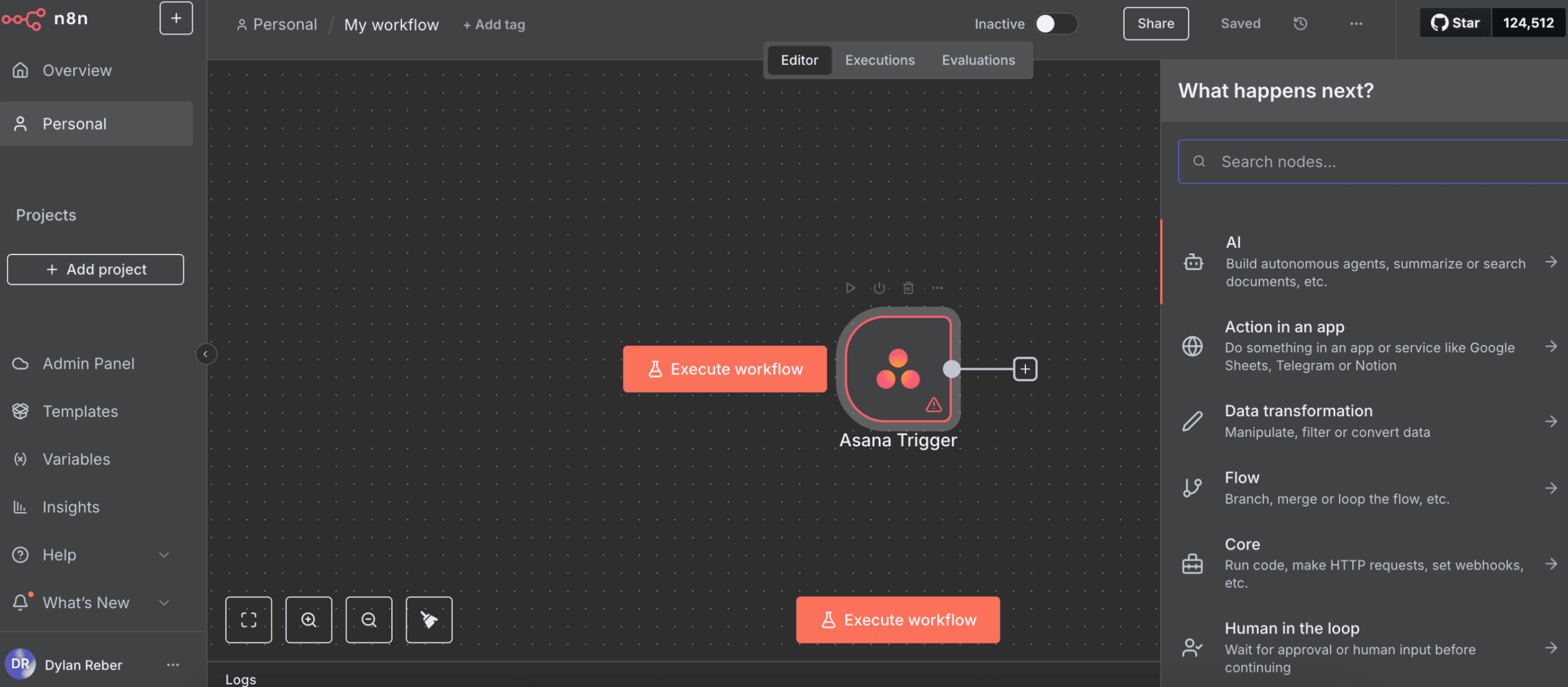
The company hit a $5.2 billion valuation in May 2026, driven by enterprise adoption of its AI-native orchestration capabilities. Its recent SAP integration opened doors to manufacturing and supply chain use cases that were previously locked into proprietary platforms.
“We are moving from a world where automation meant 'if this, then that' to a world where orchestration means 'here is the goal, find the path, and execute.' AI agents are no longer a novelty; they are the new operating system for the enterprise.”
— Jan Oberhauser, CEO of n8n
5. Microsoft Power Automate: The Microsoft Ecosystem Play
If your organization runs on Microsoft 365, Teams, Dynamics, and Azure, Power Automate is the path of least resistance. It integrates natively with the Microsoft stack and benefits from tight Copilot integration for AI-assisted workflow building.
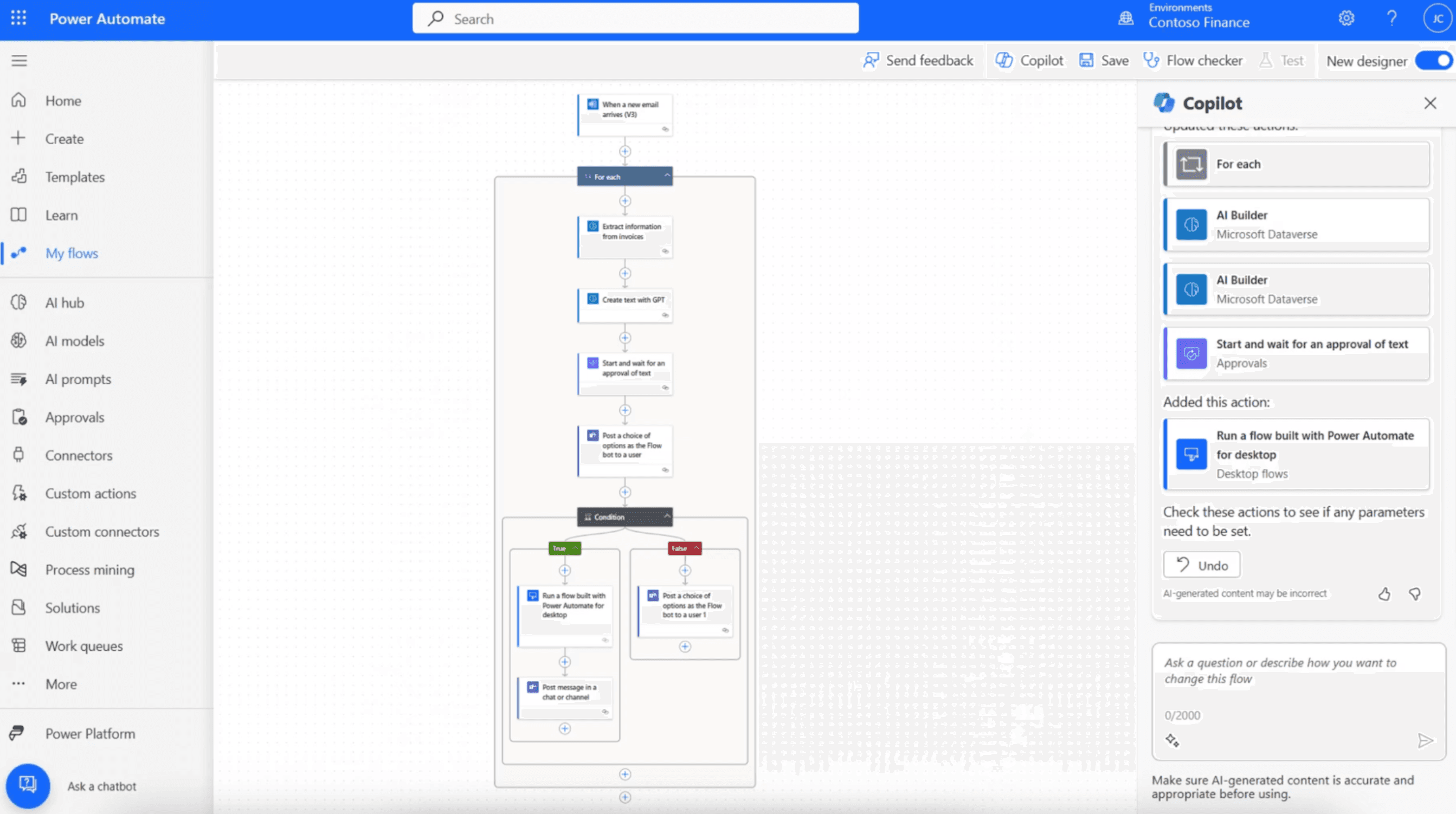
The trade-off is vendor lock-in. Power Automate works best when you're already committed to Microsoft. For organizations with mixed tooling, the other options on this list offer more flexibility.
How to Choose: The Real Decision Framework
| Platform | Best For | AI Agent Support | Self-Hosting | Price Tier |
|---|---|---|---|---|
| Zapier | Non-technical users, SMBs | Strong (Canvas) | No | Mid |
| Make | Visual builders, complex logic | Moderate | No | Low-Mid |
| Workato | Enterprise IT teams | Strong (governed) | No | High |
| n8n | Data sovereignty, developers | Strong (native) | Yes | Low |
| Power Automate | Microsoft-centric orgs | Strong (Copilot) | No | Mid-High |
The choice comes down to three questions. First, who's building the workflows? Zapier and Make favor business users. n8n and Workato favor technical teams. Second, where does your data need to live? If the answer is 'our own servers,' n8n is the only serious option. Third, what's your existing stack? Microsoft shops should consider Power Automate. Everyone else has more flexibility.
The Debate: Managed vs. Self-Hosted
Community discussions on Hacker News and Reddit's r/automation reveal a split. Some teams are going all-in on agentic platforms, trusting vendors to manage the complexity. Others are skeptical of the 'black box' nature of AI-generated workflows and prefer the control that self-hosting provides.
Cost is a factor too. Managed platforms charge per task or per user. n8n's self-hosted model can be significantly cheaper at scale, though it requires internal expertise to maintain.
The global iPaaS market is projected to reach $21.5 billion by the end of 2026. That growth is being driven by enterprises that need to coordinate dozens of applications, not just connect them. The platforms that win will be the ones that can handle autonomous AI agents without creating compliance nightmares.
Logicity's Take
What This Means for Your Stack
If you're still running simple Zaps or Power Automate flows from 2023, you're using tools designed for a different era. The workflows being built today assume AI is in the loop. That changes everything from how you design processes to how you audit them.
Start by auditing your current automations. How many could benefit from an LLM node? Where are you manually handling exceptions that an AI agent could address? The platforms above all offer free tiers or trials. Pick one and build a proof of concept before committing.
Frequently Asked Questions
What's the difference between workflow automation and workflow orchestration?
Workflow automation handles simple trigger-action sequences (if X happens, do Y). Workflow orchestration manages complex, multi-step processes with conditional logic, error handling, and coordination across multiple applications. Orchestration tools can recover from failures and adapt to changing conditions.
Is n8n really free?
n8n's self-hosted version is free under a 'fair-code' license. You can run it on your own servers at no cost. They also offer a paid cloud version for teams that don't want to manage infrastructure.
Which workflow tool is best for AI agents?
All five tools on this list support AI agents in some form. Zapier's Canvas is designed for non-technical users. n8n offers native AI integration for developers. Workato focuses on governed AI for enterprises. The best choice depends on your team's technical skills and governance requirements.
Can I switch from Zapier to n8n easily?
Not directly. Workflows don't transfer between platforms. You'd need to rebuild your automations in the new tool. However, both platforms support similar integrations, so the logic can usually be replicated.
What is iPaaS?
iPaaS stands for Integration Platform as a Service. It's a cloud-based platform that connects different applications and data sources. Workato is a pure iPaaS. Zapier, Make, and n8n are often categorized as iPaaS platforms with workflow automation capabilities.
For teams considering self-hosted tools like n8n, exploring open-source infrastructure options
Need Help Implementing This?
Source: The Zapier Blog
Manaal Khan
Tech & Innovation Writer
Produced with AI assistance and reviewed by the Logicity editorial team. Learn more in our Editorial Policy.