Key Takeaways
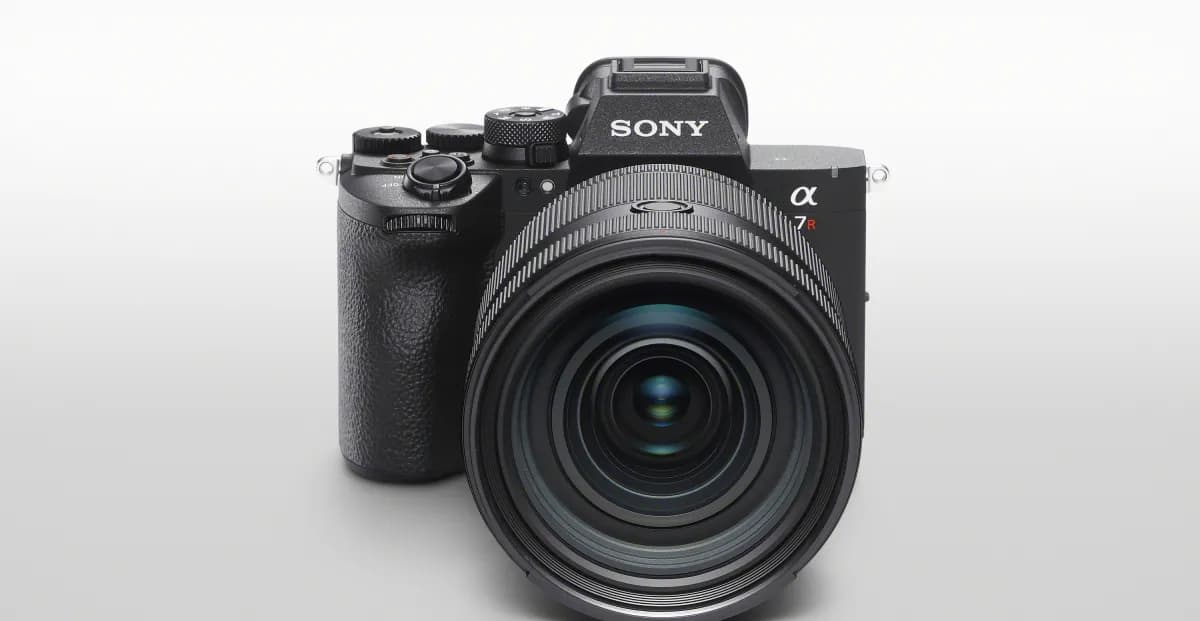
- The A7R VI features a 66.8MP fully stacked sensor, enabling 30fps burst shooting and 8K video without crop
- Price jumps $600 to $4,499.99, launching in June 2026
- New NP-SA100 battery breaks backward compatibility with existing Sony Alpha batteries
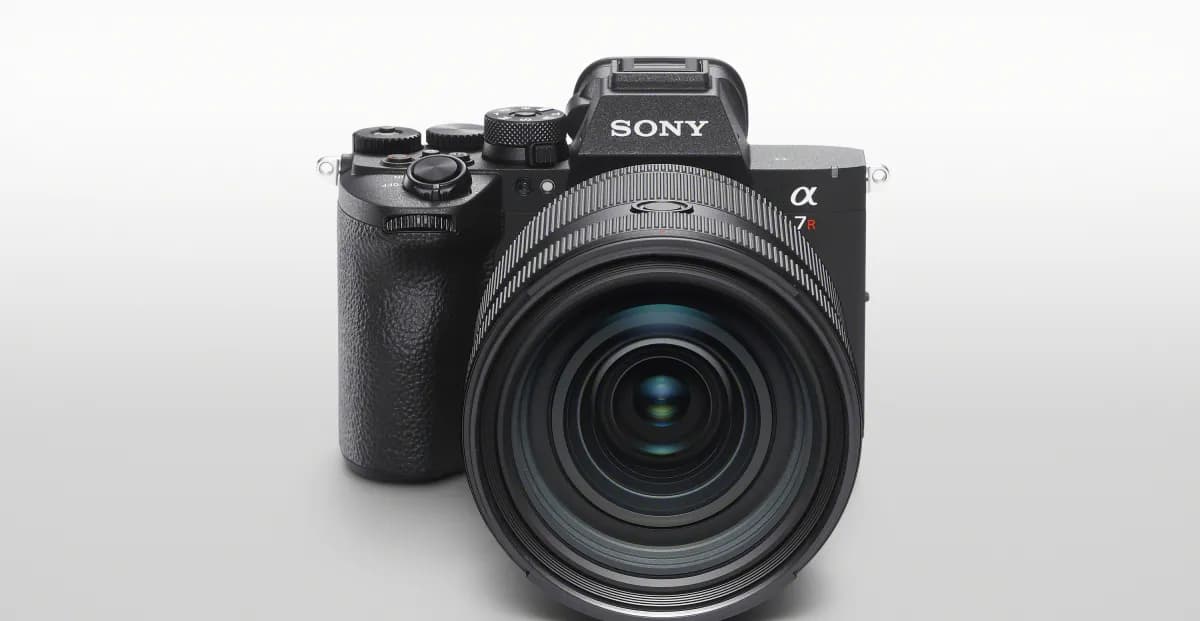
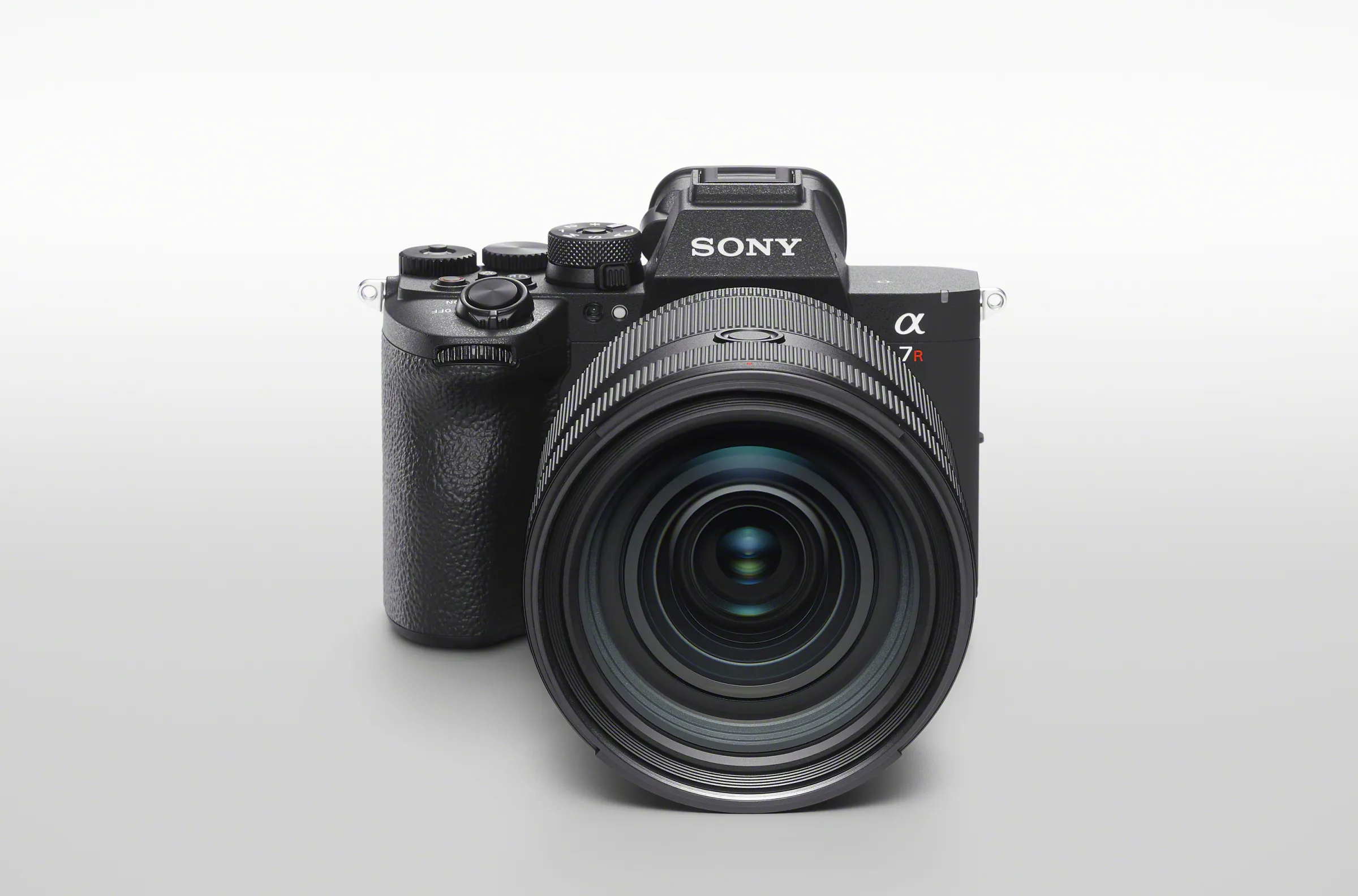
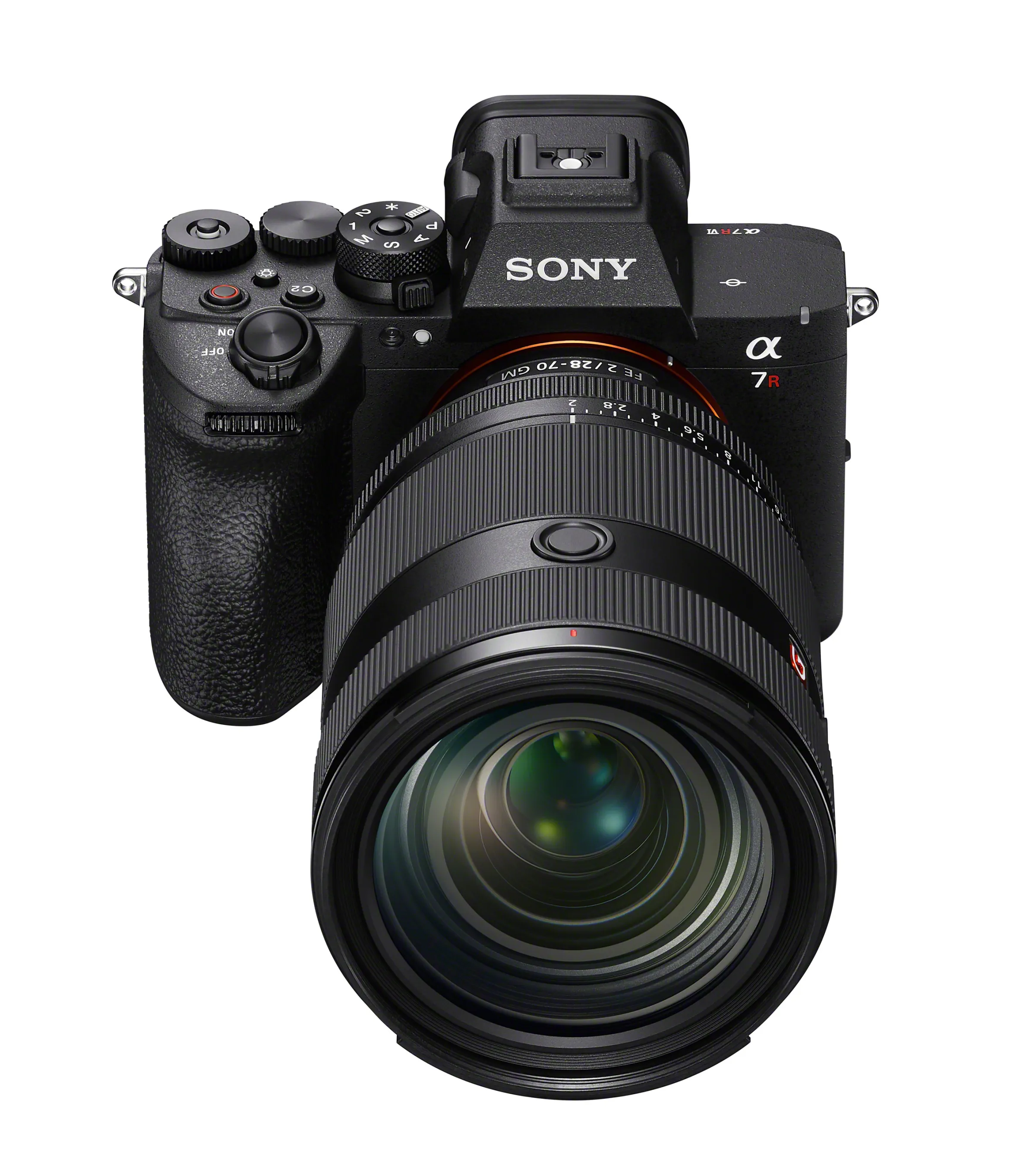
Sony has announced the A7R VI, its new flagship high-resolution mirrorless camera. The headline spec: a 66.8 megapixel fully stacked full-frame sensor. That's only about six megapixels more than the A7R V, but the "stacked" part matters more than the megapixel count.
A stacked sensor architecture places the circuitry behind the photodiodes rather than beside them. This allows much faster data readout, which translates to practical benefits: higher burst rates, better electronic shutter performance with less rolling shutter distortion, and improved video capabilities.
The A7R VI will cost $4,499.99 when it ships in June. That's $600 more than the A7R V cost at its 2022 launch.
What the Stacked Sensor Enables
The new sensor and Bionz XR2 processor work together to deliver continuous blackout-free burst shooting at up to 30 frames per second. That's a massive jump for the R-series, which has historically prioritized resolution over speed.
For video, the A7R VI records 8K at up to 30p using the full sensor width with no crop. It can run for up to two continuous hours at this resolution thanks to improved heat management. The camera also shoots 4K at up to 120p, again without cropping.

Sony claims up to 16 stops of dynamic range. The A7R VI is also the first Sony Alpha to support dual gain shooting, which reduces noise and minimizes shadow detail loss by using different gain settings for highlights and shadows.
Autofocus and Viewfinder Upgrades
The A7R V introduced Sony's AI-based autofocus system. The VI builds on it with what Sony calls Real-time Recognition AF+. The company claims improved subject recognition and tracking, though specific improvements weren't detailed in the announcement.
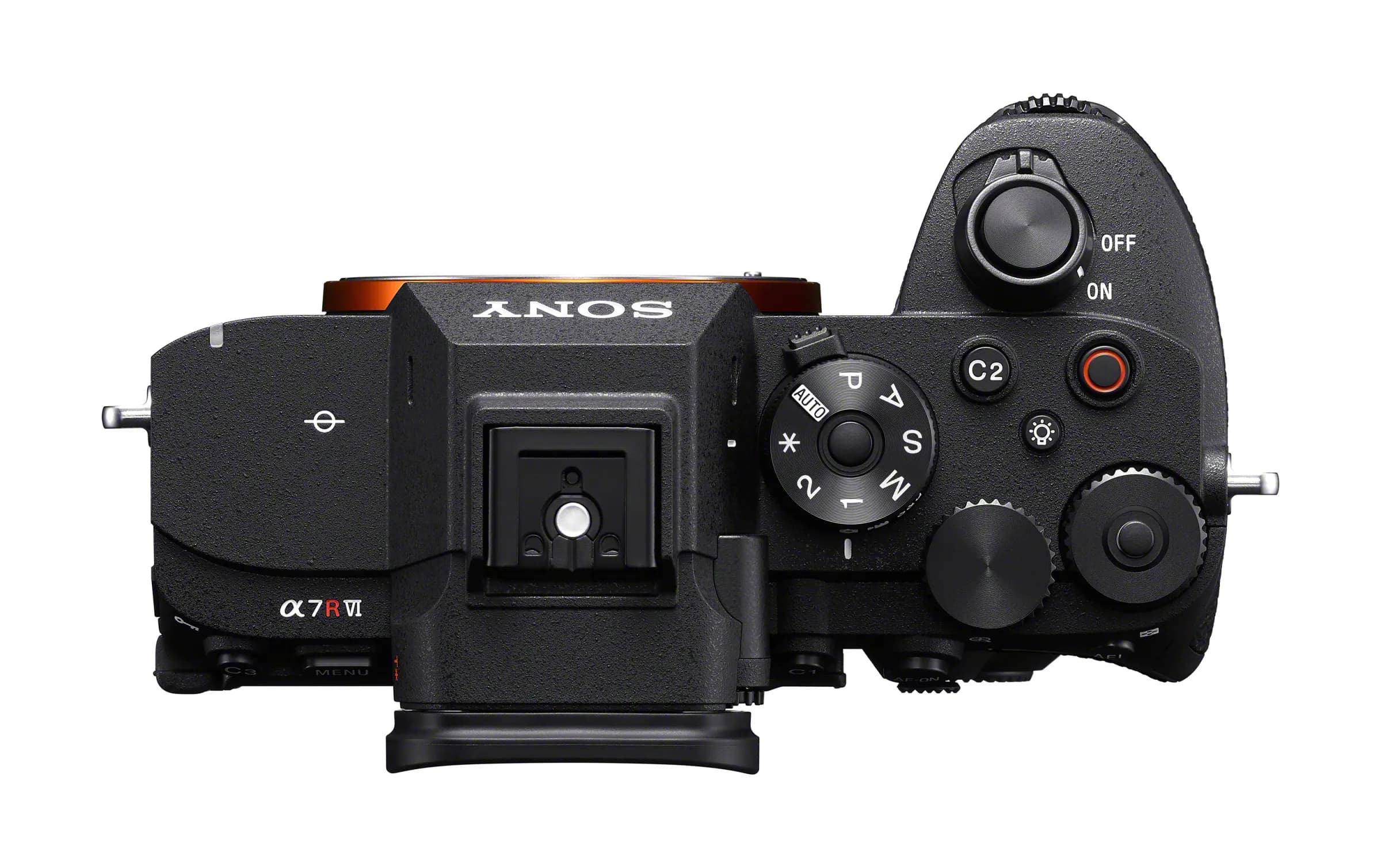
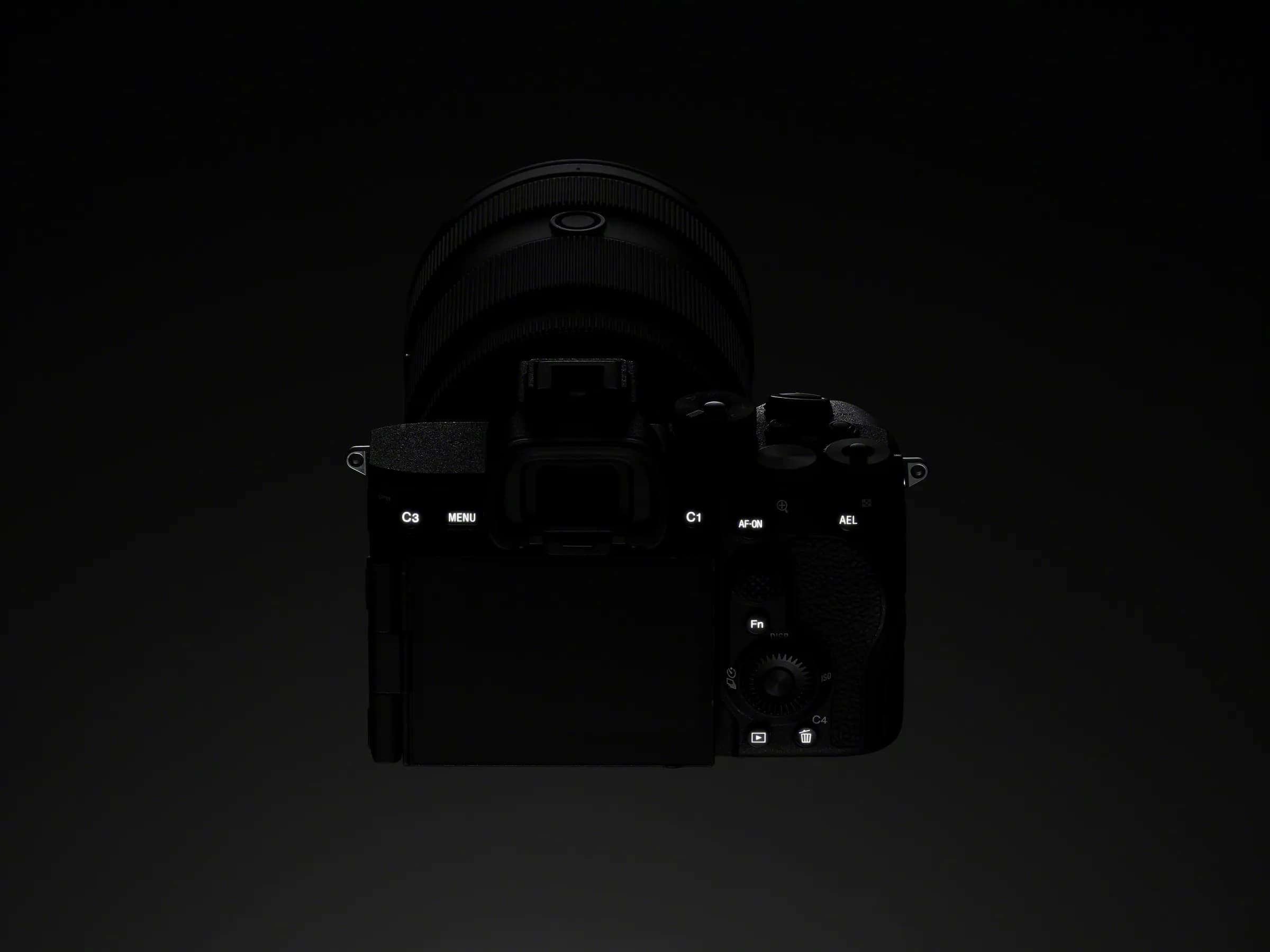
The viewfinder gets a significant upgrade: a 9.44 million dot OLED panel, similar to the one in Sony's A1 II. Backlit buttons are a new addition that photographers shooting in dark conditions will appreciate.
The Battery Situation
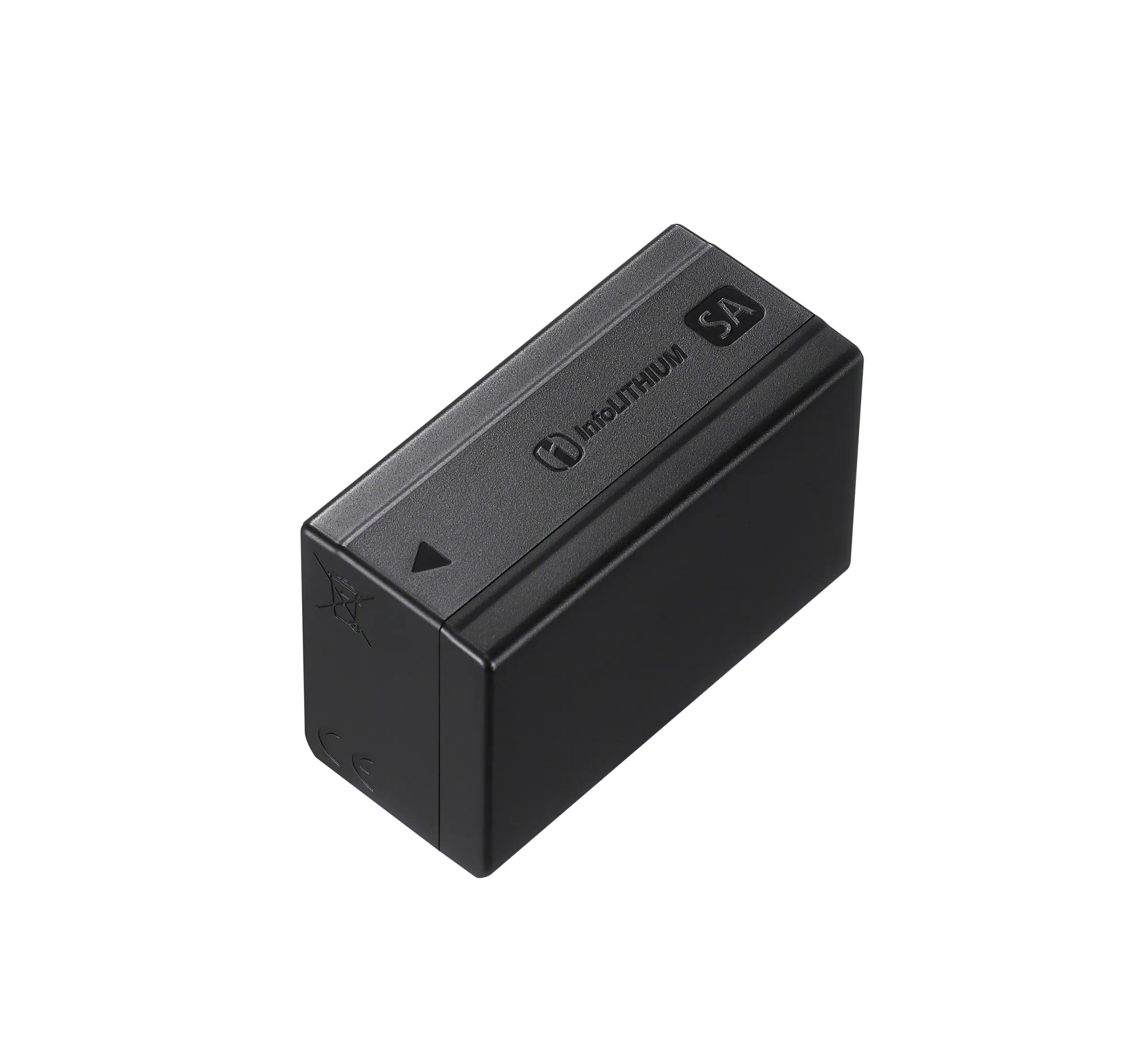
Here's the catch: Sony Alpha cameras have used the NP-FZ100 battery for years. If you've invested in the system, you probably own several. The A7R VI introduces a new NP-SA100 battery and is not backward compatible with your existing batteries.
The new battery has a 2670mAh capacity compared to 2280mAh for the old one, a 17 percent increase. Sony rates it for up to 710 shots per charge in the A7R VI. The grip is slightly chunkier to accommodate the larger battery.
A dual charger for the new battery costs an additional $140. For existing Sony shooters, this battery change adds meaningful cost to the upgrade beyond the camera body itself.
Other Notable Features
- In-body image stabilization up to 8.5 stops
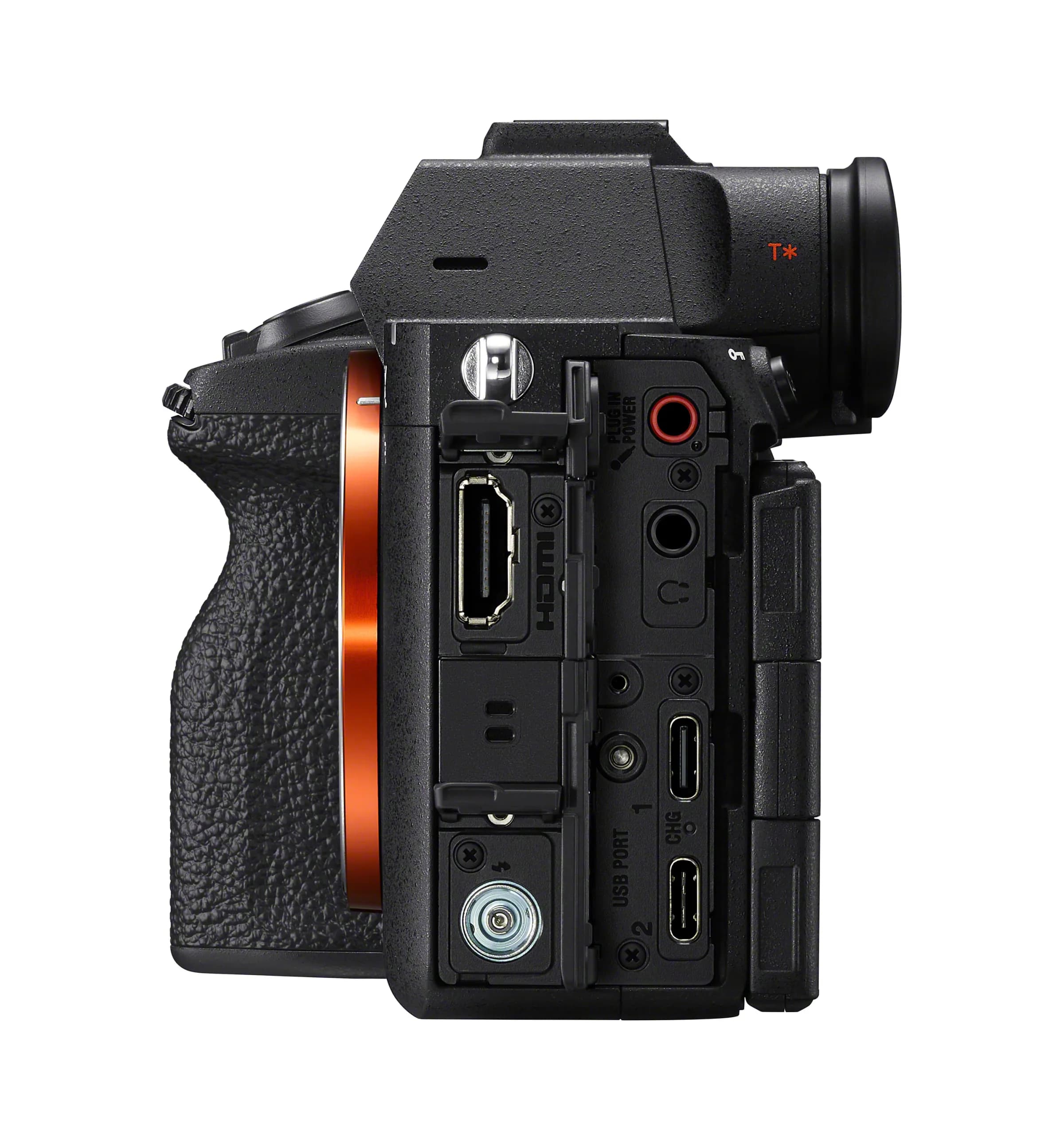
- Dual USB-C ports
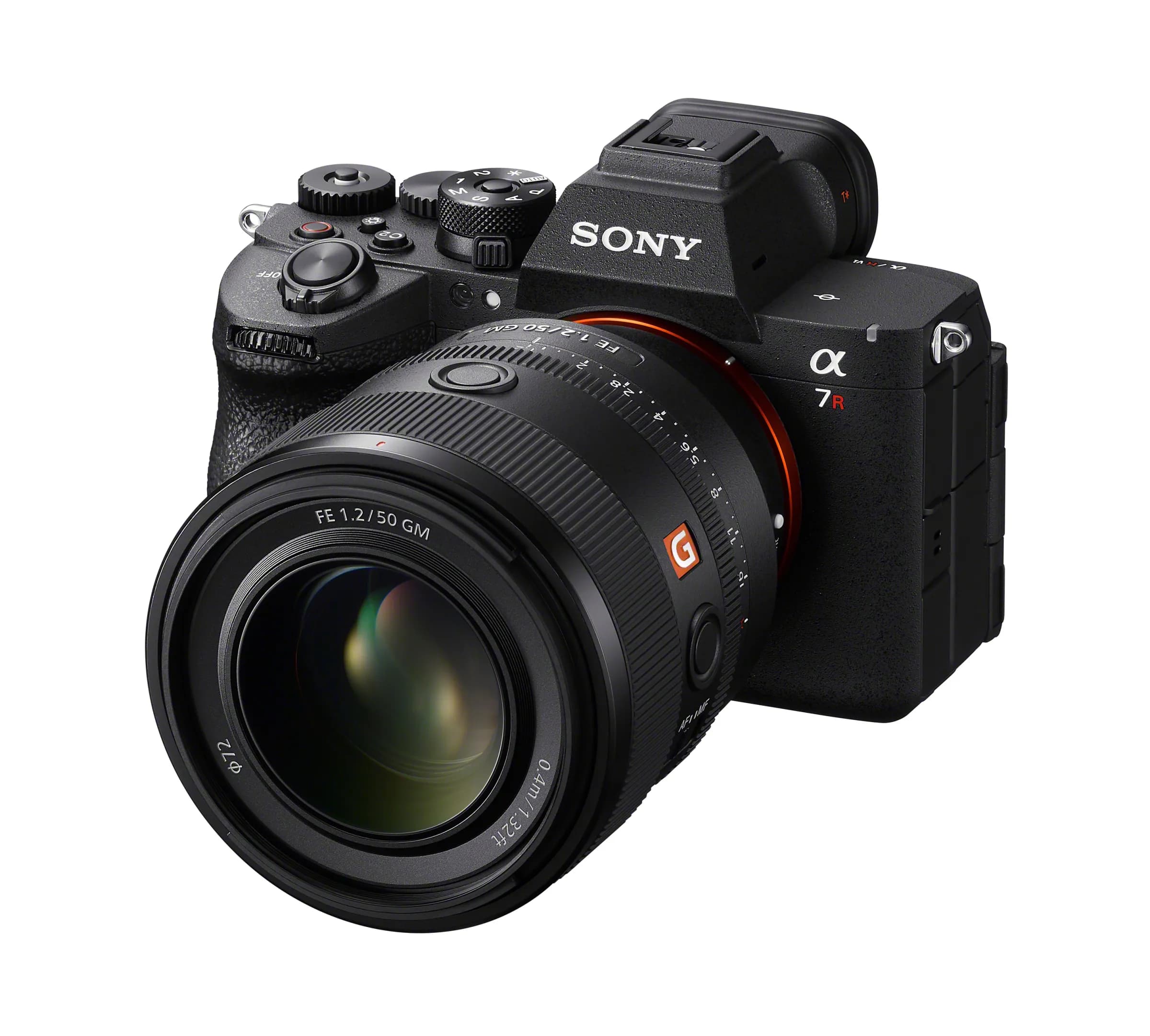
- Same external design as the A7R V and other recent Alpha bodies
Logicity's Take
Another take on evaluating premium tech with trade-offs
Frequently Asked Questions
When does the Sony A7R VI launch?
The A7R VI launches in June 2026 at $4,499.99 for the body only.
Can I use my existing Sony Alpha batteries in the A7R VI?
No. The A7R VI uses a new NP-SA100 battery and is not backward compatible with the NP-FZ100 batteries used in previous Alpha cameras.
What's the difference between the A7R VI and A7R V sensors?
Both are full-frame sensors, but the A7R VI uses a stacked architecture with 66.8MP versus 61MP. The stacked design enables much faster readout for 30fps bursts and better video performance.
Can the A7R VI record 8K video?
Yes, it records 8K at up to 30p using the full sensor width with no crop, for up to two continuous hours.
How much faster is the A7R VI burst shooting?
The A7R VI shoots at 30 frames per second with blackout-free viewing, compared to 10fps on the A7R V.
Need Help Implementing This?
Manaal Khan
Tech & Innovation Writer
Produced with AI assistance and reviewed by the Logicity editorial team. Learn more in our Editorial Policy.