Key Takeaways
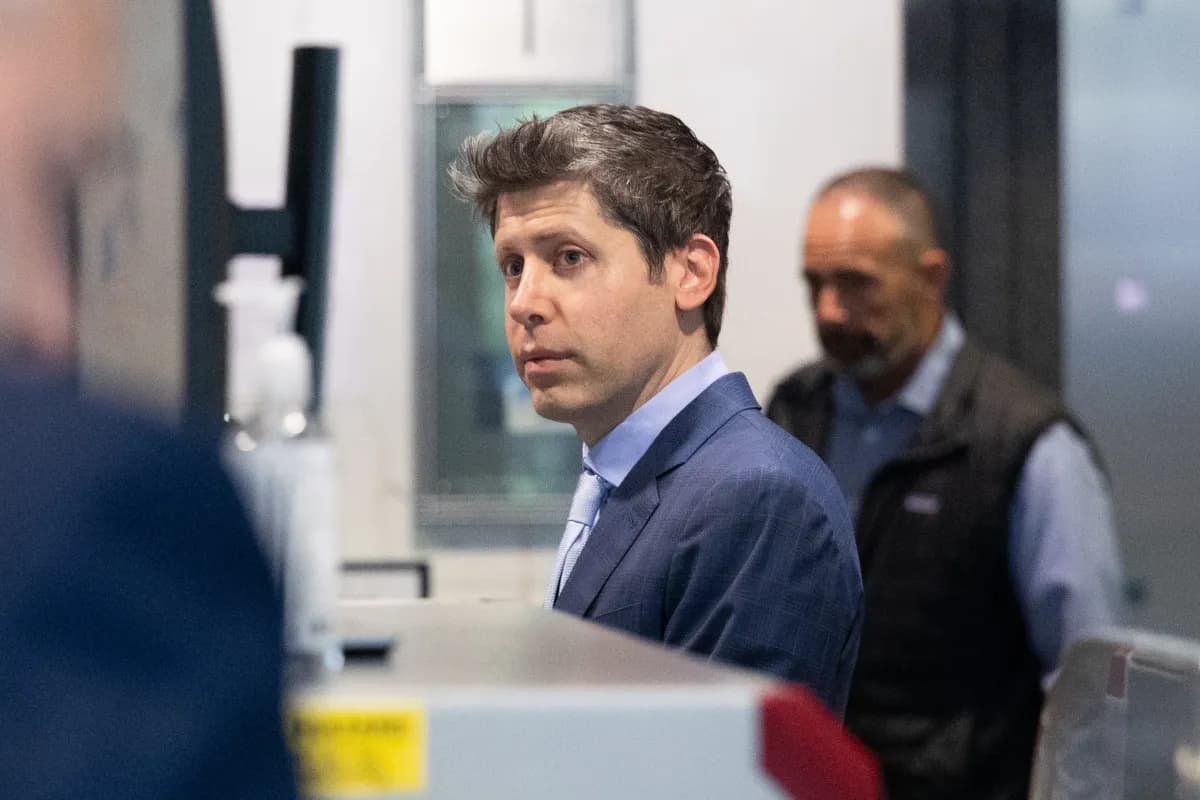
- Musk's attorney grilled Altman about not disclosing his Y Combinator stake in OpenAI during 2023 Senate testimony
- Former board members Toner and McCauley testified that Altman misled them, with McCauley citing 'a toxic culture of lying'
- OpenAI's lawyers called the questioning 'character assassination' that did little to advance Musk's actual case
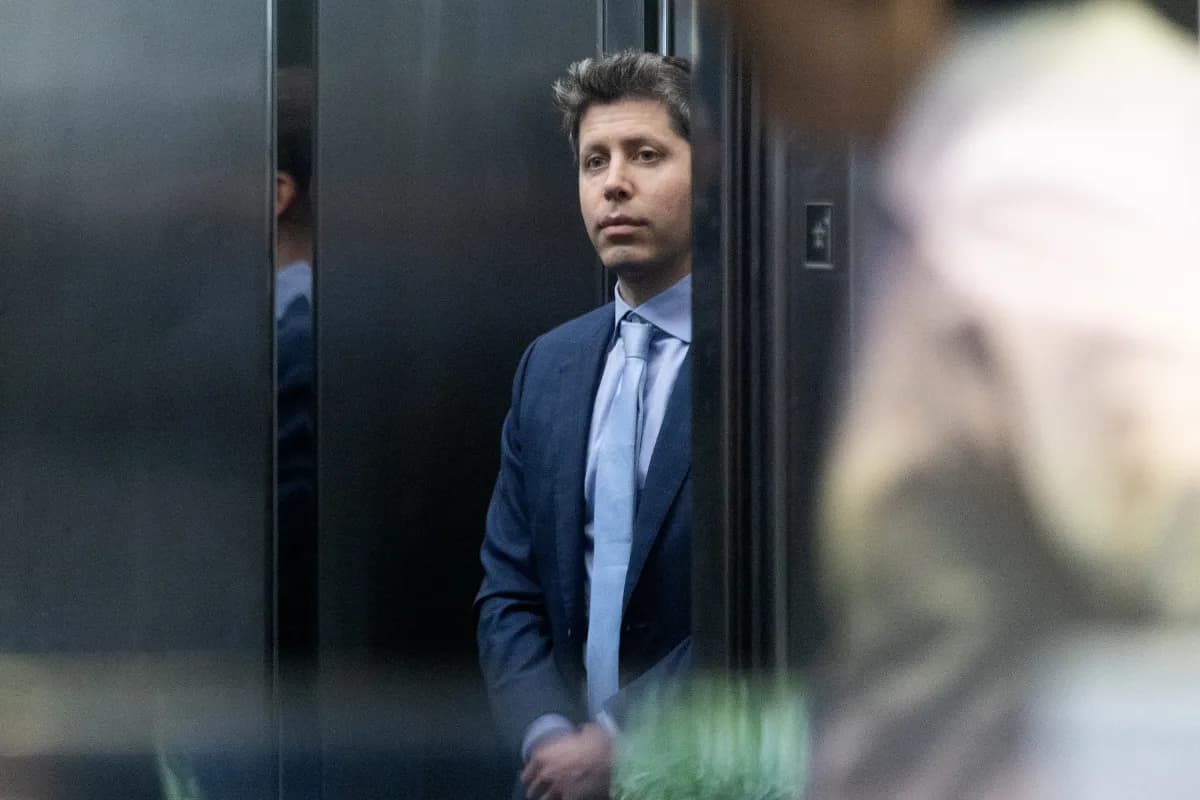
Two years ago, Sam Altman sat before Congress and told Senator John Kennedy he had no equity in OpenAI. On Tuesday, he sat in a California federal courtroom and admitted that wasn't the whole picture.
Elon Musk's legal team is trying to shut down OpenAI's conversion to a for-profit business. Their central argument: Altman cannot be trusted to control the world's most advanced AI models. Tuesday's testimony gave them ammunition.
The Y Combinator question
Steve Molo, the attorney leading Musk's effort, zeroed in on Altman's 2023 Senate appearance. When Kennedy asked about compensation, Altman said he was paid enough for health insurance and had no equity in OpenAI.
Technically true. But Altman held an LP position in a Y Combinator fund that gave him economic exposure to OpenAI. He didn't mention it.
“You didn't disclose to the United States Senate that you had an interest in OpenAI through a share in a Y Combinator fund, did you?”
— Steve Molo, Musk's attorney
Altman's defense: everyone understands what it means to be a passive owner of venture funds. "I think it is well understood of what it means to be a passive owner of many venture funds," he said.
Molo wasn't buying it. "You thought Senator Kennedy was a very sophisticated investor when he asked you that question?" he shot back.
The exchange highlights Altman's approach. He could have sidestepped Kennedy's original question. Instead, he volunteered that he had no equity. A statement that was accurate but incomplete.
A parade of accusers
Molo didn't stop at Congress. He ran through a list of people who have accused Altman of lying or misleading them: former board members Helen Toner and Tasha McCauley, Elon Musk himself, and OpenAI co-founder Ilya Sutskever.
The November 2023 board firing, which OpenAI staff now call "the blip," loomed large. The board fired Altman and president Greg Brockman for failing to be candid. Altman was reinstated days later after a staff revolt, but the accusation stuck.
McCauley testified to what she called "a toxic culture of lying" at OpenAI. Toner backed her account. Both said Altman had misled them during their time on the board.
When asked about the board's stated reason for his firing, Altman hedged. "I do have doubts that was the full reason," he said.
Molo also referenced a recent New Yorker story that detailed concerns about Altman's honesty from multiple sources. The pattern, according to Musk's team: a CEO who repeatedly shades the truth when it suits him.
OpenAI's response
OpenAI's attorneys called the questioning what it was: character assassination. They argued that Molo's approach did little to advance Musk's actual legal claims about the company's nonprofit-to-profit conversion.
But the damage may already be done. Judge Yvonne Gonzalez Rogers and the jury are weighing Altman's credibility as they examine the events at the heart of this case. In a lawsuit about whether OpenAI broke its original mission, the CEO's trustworthiness matters.
What's actually at stake
Musk wants to block OpenAI's conversion to a for-profit structure. He co-founded the company in 2015 as a nonprofit dedicated to developing AI safely for humanity's benefit. He left in 2018. Now he argues the company abandoned that mission.
The credibility attacks serve a purpose beyond courtroom drama. If the jury believes Altman has a pattern of misleading people, they may be more inclined to believe he misled Musk about OpenAI's direction.
For Altman, Tuesday was a preview of a longer fight. Even if OpenAI wins this case, the testimony is public. The quotes are on the record. Former board members called his leadership a "toxic culture of lying" under oath.
That's hard to walk back.
Logicity's Take
Frequently Asked Questions
Why is Elon Musk suing OpenAI?
Musk wants to block OpenAI's conversion from a nonprofit to a for-profit company. He argues this violates the original mission he helped establish when co-founding the company in 2015.
What did Sam Altman say to Congress in 2023?
Altman told Senator Kennedy he had no equity in OpenAI and was paid only enough for health insurance. He did not mention his economic exposure through a Y Combinator fund stake.
Why was Altman fired by OpenAI's board in 2023?
The board said Altman failed to be candid with them. Former board members Toner and McCauley testified that he misled them, with McCauley describing 'a toxic culture of lying.'
Who is the judge in the Musk vs OpenAI lawsuit?
Judge Yvonne Gonzalez Rogers is presiding over the case in California federal court.
How OpenAI's main competitor is positioning itself differently
Need Help Implementing This?
Source: TechCrunch / Tim Fernholz
Manaal Khan
Tech & Innovation Writer
Produced with AI assistance and reviewed by the Logicity editorial team. Learn more in our Editorial Policy.