Key Takeaways
- Samsung offers polished hardware and software across all price points, making it the safest Android recommendation
- One UI's bloatware, ads, and UI choices drive some power users to alternatives like OnePlus or Pixel
- The 'best phone' depends on whether you value reliability or customization and clean software
The Safest Recommendation in Android
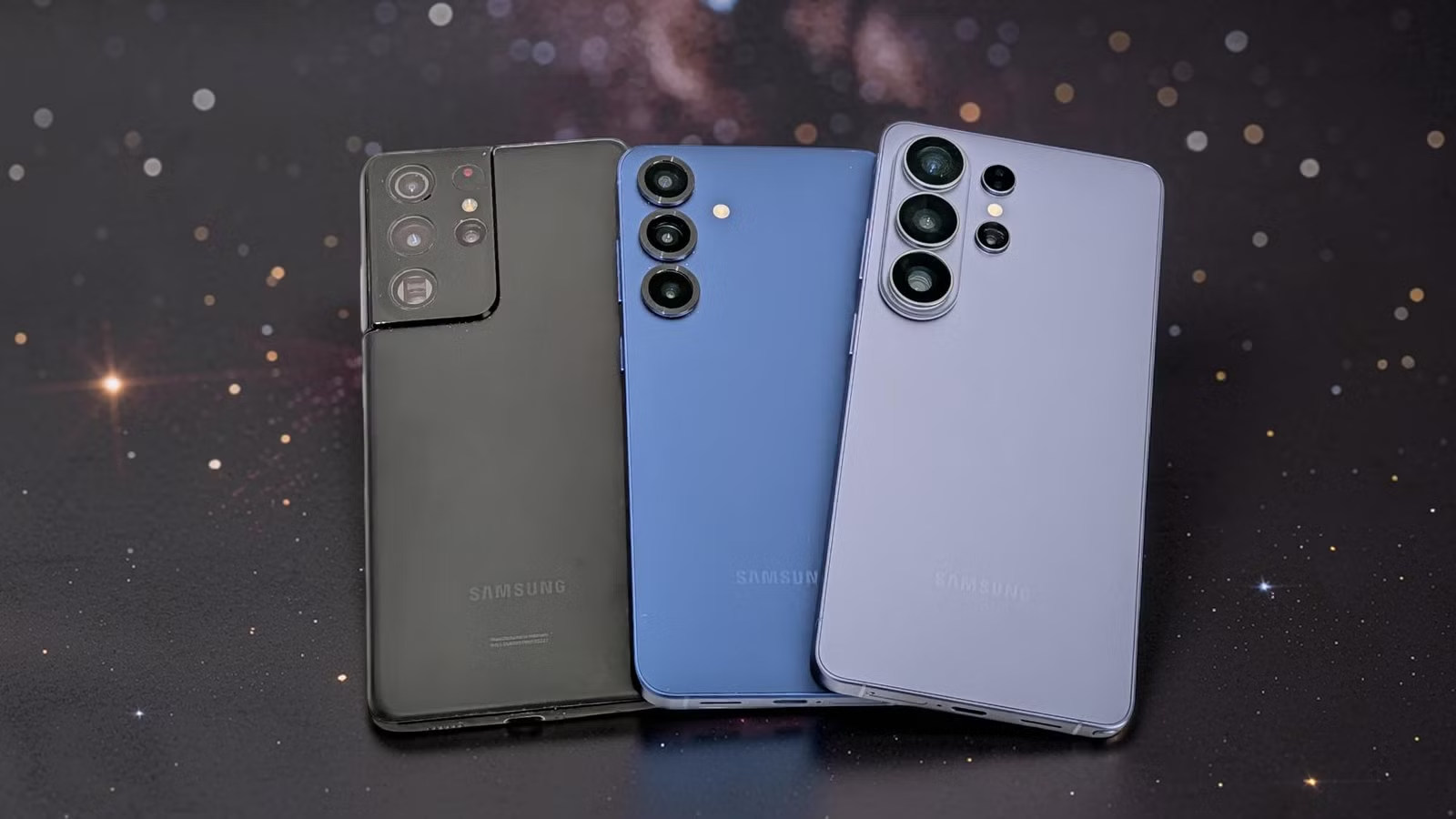
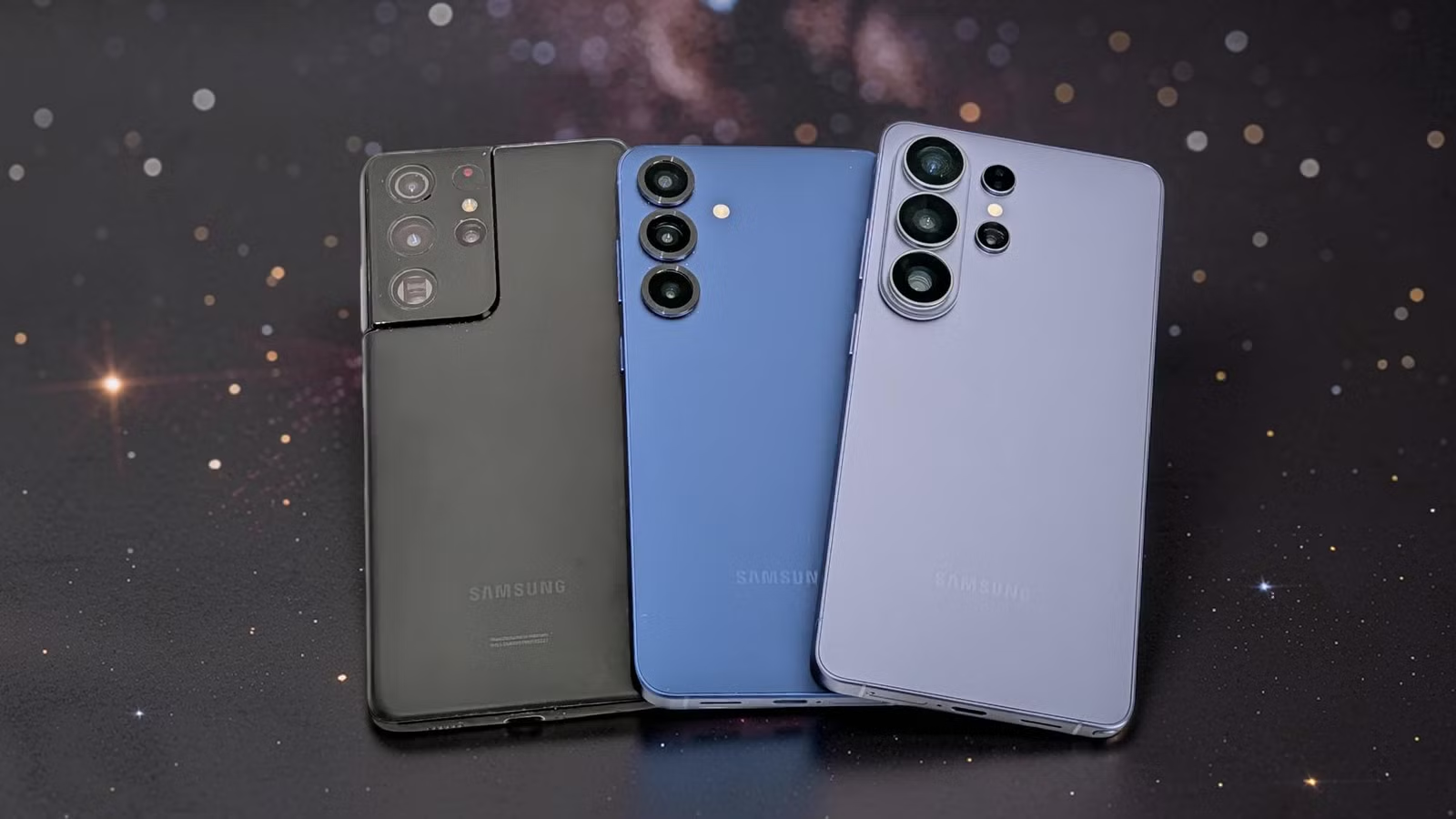
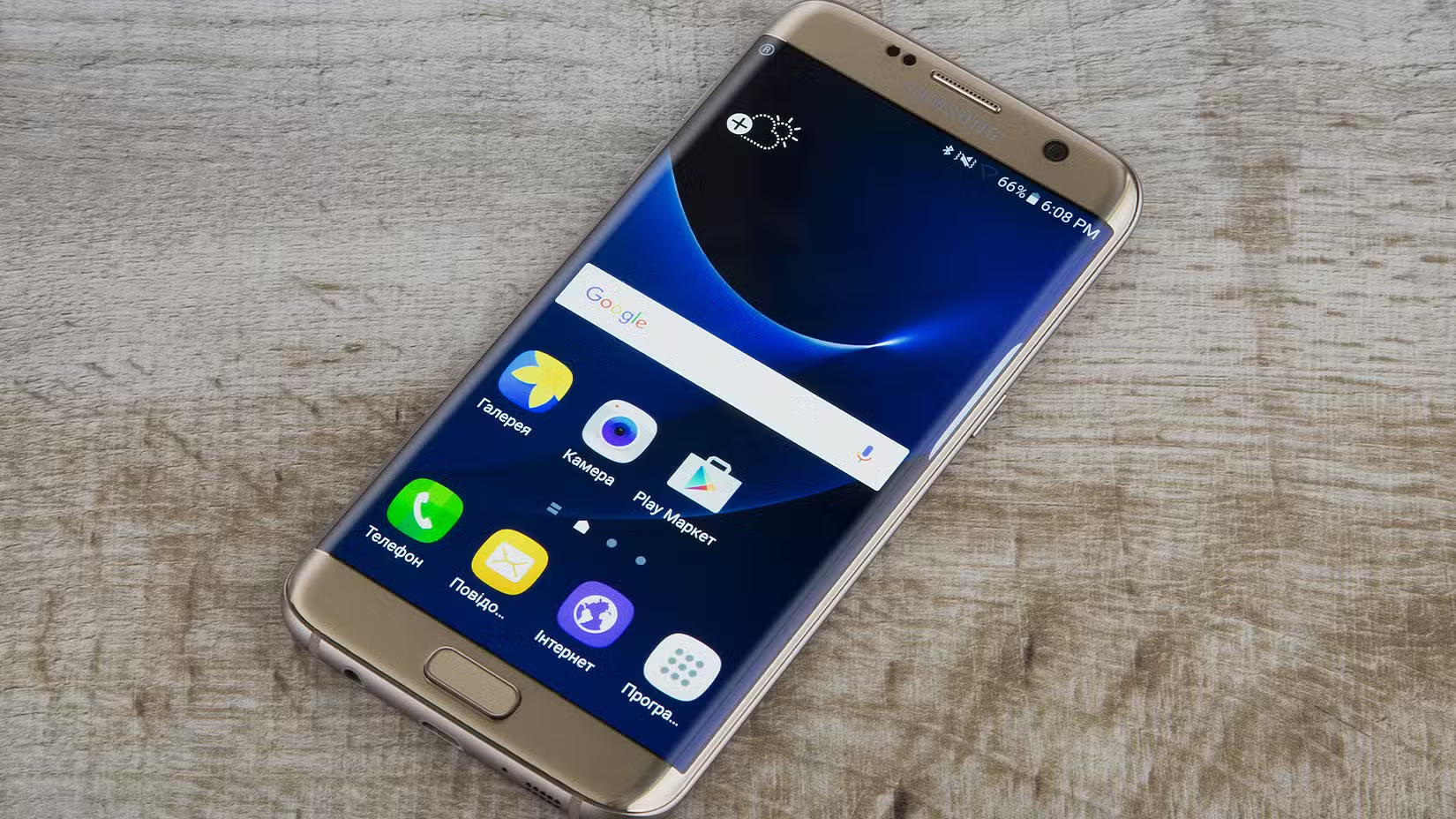
Samsung dominates the Android market for good reason. The company covers every price point. Budget buyers can grab an A-series device. Flagship seekers have the Galaxy S26. Foldable enthusiasts get the Z Fold 7. Each tier delivers a consistent experience: polished One UI software, high refresh rate AMOLED displays, capable Exynos or Snapdragon processors, and cameras with strong post-processing.
Even Samsung's cheaper phones don't feel bad to use. That's rare. Most budget Android devices cut corners somewhere obvious. Samsung spreads its compromises thin enough that casual users won't notice them.
This consistency makes Samsung the easy answer when someone asks 'what phone should I buy?' You can tell them to get the best Samsung they can afford and know they'll be fine. The displays are excellent. The cameras take good photos. Software updates arrive for several years. Nothing about the experience will actively frustrate a typical user.
So Why Not Own One?
Here's the paradox. Despite recommending Samsung phones constantly, some power users haven't owned one in nearly a decade. The hardware isn't the problem. Samsung builds excellent devices. The software is.
One UI works well for most people. But it also includes pre-installed apps you can't remove, occasional ads in system apps, and UI choices that don't appeal to everyone. Samsung adds layers on top of Android that some users find unnecessary. If you want a clean, minimal experience, you'll fight against One UI's defaults.
This isn't a dealbreaker for most buyers. The average person doesn't care about bloatware they can ignore. They care about camera quality and whether their apps run smoothly. Samsung delivers both.
The Alternative Approach
Power users who reject Samsung often land on two alternatives: Google's Pixel phones or OnePlus devices. Pixels offer the cleanest Android experience with guaranteed fast updates. OnePlus provides flagship specs with OxygenOS, which historically stayed closer to stock Android than One UI.
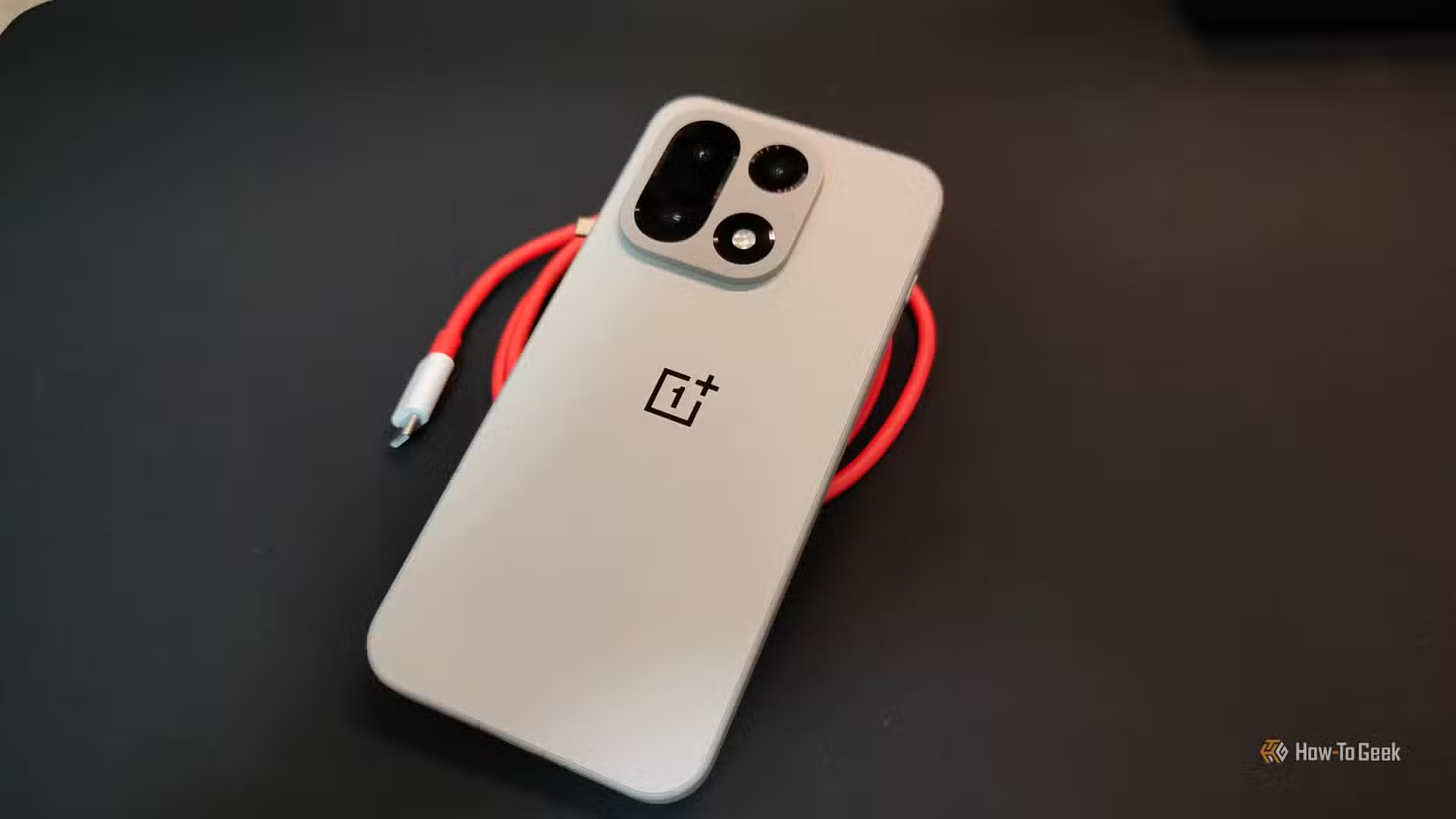
Neither alternative matches Samsung's breadth. Google's lineup is narrow. OnePlus doesn't compete in foldables or budget segments the way Samsung does. But for users who prioritize software experience over hardware variety, these trade-offs work.
What This Means for Your Next Phone
The right phone depends on what you value. If you want hardware reliability, long software support, and excellent displays without thinking too hard, Samsung wins. If you want minimal bloatware, faster updates, and a cleaner interface, Pixel or OnePlus might suit you better.
Most people fall into the first category. They don't tinker with their phones. They don't care about launcher customization. They want a device that works well and takes good photos. Samsung serves this audience better than anyone.
The minority who obsess over software experience will keep buying alternatives. Both groups are making reasonable choices for their priorities.
Logicity's Take
For readers who value cross-platform consistency
Frequently Asked Questions
Is Samsung the best Android phone brand?
Samsung offers the most consistent quality across price points. Whether you buy a $200 A-series or a $1,800 Z Fold, the core experience remains polished. This breadth makes Samsung the safest recommendation for most buyers.
What's wrong with Samsung's One UI?
One UI includes pre-installed apps, occasional ads in system apps, and UI choices some users dislike. It works well for most people but frustrates users who prefer minimal, stock Android experiences.
What are the best alternatives to Samsung phones?
Google Pixel phones offer the cleanest Android experience with fast updates. OnePlus devices provide flagship specs with lighter software. Neither matches Samsung's hardware variety, but both appeal to users who prioritize software experience.
Should I buy a Samsung phone in 2026?
For most people, yes. Samsung's Galaxy S26 and A-series devices offer excellent displays, cameras, and software support. Only consider alternatives if you specifically want stock Android or minimal bloatware.
Need Help Implementing This?
Source: How-To Geek
Latest Rumors: New Foldable Models and Hardware Upgrades
The new article provides specific rumors about the upcoming Galaxy Z Fold Wide, detailing its unique aspect ratio, 50MP camera array, and 4,800mAh battery. Additionally, it reveals leaked hardware specifications for the Galaxy Z Fold8 and Z Flip8, including significant camera sensor upgrades and increased battery capacities.
Manaal Khan
Tech & Innovation Writer
Produced with AI assistance and reviewed by the Logicity editorial team. Learn more in our Editorial Policy.