Key Takeaways
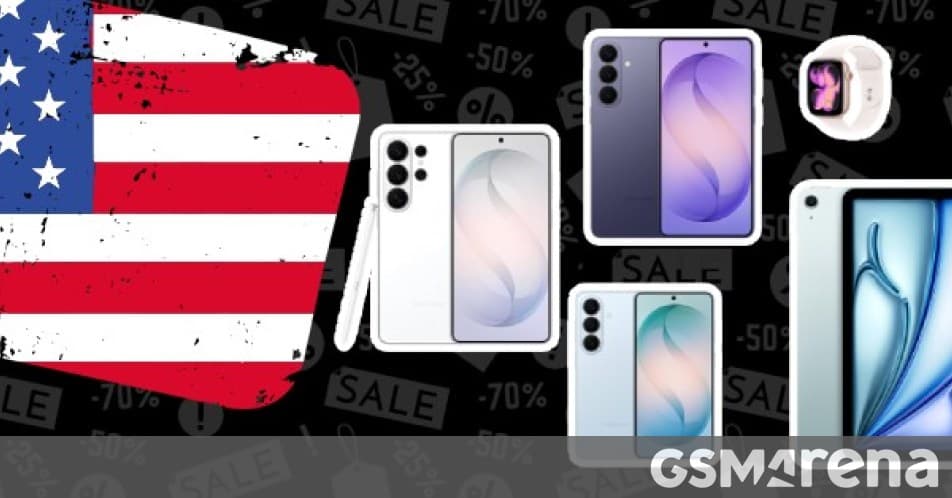
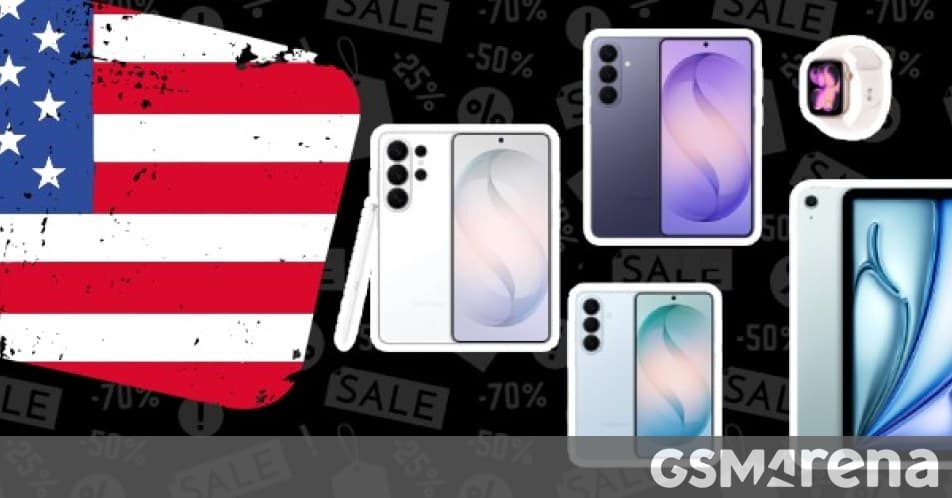
- Samsung Galaxy S26 Ultra remains the most popular model, now available below launch price
- iPad Air 11-inch with M3 chip is $200 off, making it cheaper than the newer M4 model
- Google Pixel 10 Pro XL is $300 off, creating a direct competitor to the S26 Ultra
Samsung Galaxy S26 Series Settles Into Post-Launch Pricing
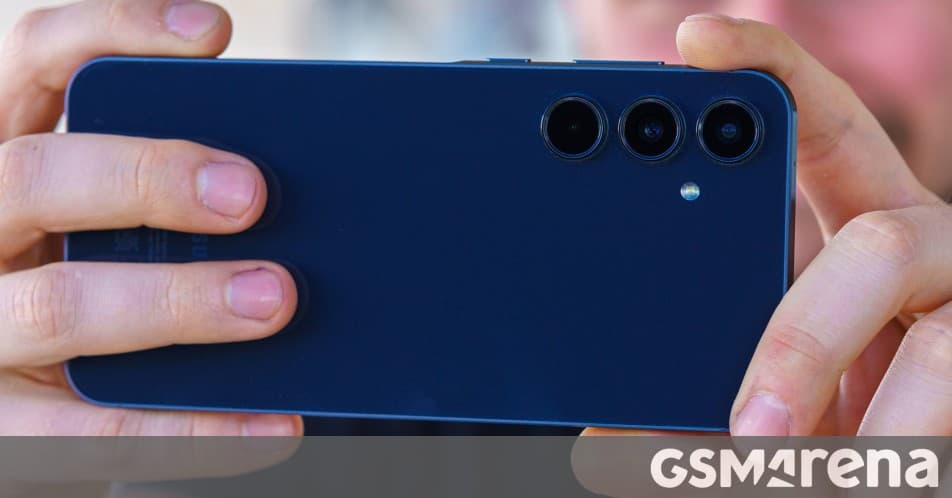
The Samsung Galaxy S26 series launched with strong pre-orders in late March. Prices held steady for weeks. Now, all three models have dropped to what looks like their new baseline.
The Galaxy S26 Ultra leads sales. Two features drive demand: the Privacy Display, which is exclusive to the Ultra, and the inherent advantages of Samsung's top-tier model. The Ultra competes directly with the iPhone 17 Pro Max and Pixel 10 Pro XL.
The Galaxy S26+ almost did not exist. Samsung reportedly considered abandoning the Plus tier to chase the super-thin phone trend. It reversed course. The S26+ now offers improved battery life without increasing capacity, though wired charging actually slowed down. It still maxes out at 45W.
The standard Galaxy S26 got more meaningful upgrades than the Plus. A slightly larger battery extends runtime. Charging is slightly faster. Base storage jumps to 256GB. These changes make the S26 a bigger leap over the S25 than the S26+ is over the S25+.
The 6.3-Inch Flagship Battle
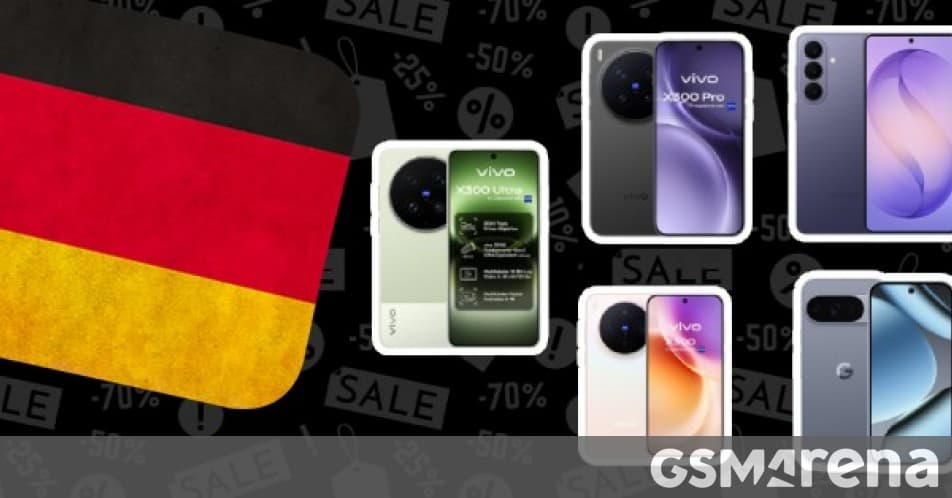
The Galaxy S26 sits in a three-way fight for 6.3-inch smartphone supremacy in the US market. Its competitors: the Pixel 10 Pro and iPhone 17 Pro. No deals exist on the Pixel 10 Pro right now. The larger Pixel 10 Pro XL, however, is $300 off.
That discount puts the Pixel 10 Pro XL in direct competition with the Galaxy S26 Ultra. Both target buyers who want the largest screen and best camera their platform offers.
iPad Air M3 Drops to $200 Off
Apple refreshed the iPad Air line with M4 chips earlier this year. That pushed last year's M3 models into discount territory. The iPad Air 11-inch with M3 is now $200 off.
The newer M4 model adds 4GB more RAM, which matters if you run many apps simultaneously. For most users, that extra performance rarely shows on a 60Hz display running iPadOS. The M3 version handles typical tablet tasks without breaking a sweat.
The iPad Air 13-inch carries a $170 discount, but only the 512GB configuration is available. Both discounted models include Wi-Fi and Cellular connectivity, so you can add an eSIM for on-the-go data.
MacBook Neo: A Cheaper Alternative?
The new MacBook Neo costs less than the iPad Air 11-inch. If you need a keyboard, this might be the smarter buy. A Magic Keyboard for the iPad Air runs over $200.
The Neo uses an Apple A18 Pro chip, slower than the M3. But it runs macOS, which handles desktop apps and can also run iPadOS software. For school work, office tasks, and basic productivity, the Neo has enough power.
Apple Watch Series 11 Pricing Quirk
Current discounts on the Apple Watch Series 11 create an unusual situation: the 42mm and 46mm models now cost the same. Both GPS-only and GPS + Cellular versions are available at the reduced prices.
If you were considering the smaller watch to save money, grab the 46mm instead. You get a larger display and longer battery life at no extra cost.
| Device | Discount | Key Detail |
|---|---|---|
| Samsung Galaxy S26 Ultra | Below launch price | Privacy Display, most popular model |
| Google Pixel 10 Pro XL | $300 off | Direct S26 Ultra competitor |
| iPad Air 11-inch (M3) | $200 off | Last year's chip, still capable |
| iPad Air 13-inch (M3) | $170 off | 512GB only, includes cellular |
| Apple Watch Series 11 | 42mm = 46mm price | GPS and Cellular models |
Which Deals Actually Matter
The Pixel 10 Pro XL at $300 off stands out. That is a significant cut on a current-generation flagship. If you want a large Android phone with Google's software and camera processing, this is the time to buy.
The iPad Air M3 discount makes sense if you do not need the M4's extra RAM. Most iPad users never push their tablets hard enough to notice the difference. Save $200 and put it toward accessories.
The Galaxy S26 series discounts are modest. These phones are selling well, and Samsung has no reason to slash prices dramatically. If you want the S26 Ultra specifically for its Privacy Display, the current price is fair but not exceptional.
Pair your new Galaxy phone with Samsung's latest earbuds
Apple's next premium device could make current flagships look cheap
Logicity's Take
Frequently Asked Questions
Is the Samsung Galaxy S26 Ultra worth buying now?
Yes, if you want the Privacy Display feature exclusive to the Ultra. Current prices are below launch but not at deep discount levels. Better deals may come during summer sales events.
Should I buy the iPad Air M3 or wait for M4 discounts?
Buy the M3 now if you use your iPad for typical tasks like browsing, streaming, and light productivity. The M4's extra 4GB RAM only matters for heavy multitasking.
How does the Pixel 10 Pro XL compare to the Galaxy S26 Ultra?
Both are large flagship phones with excellent cameras. The Pixel offers cleaner software and faster updates. The Galaxy has the Privacy Display and more hardware customization options.
Is the MacBook Neo better than an iPad Air with keyboard?
For pure productivity, yes. The Neo runs macOS, handles desktop apps, and costs less than an iPad Air plus Magic Keyboard. The iPad wins for touch-first tasks and tablet flexibility.
Need Help Implementing This?
Source: GSMArena.com / Peter
Huma Shazia
Senior AI & Tech Writer
Produced with AI assistance and reviewed by the Logicity editorial team. Learn more in our Editorial Policy.