Key Takeaways
- iPhone Fold expected to start at $1,999 for 256GB, launching at Apple's September event
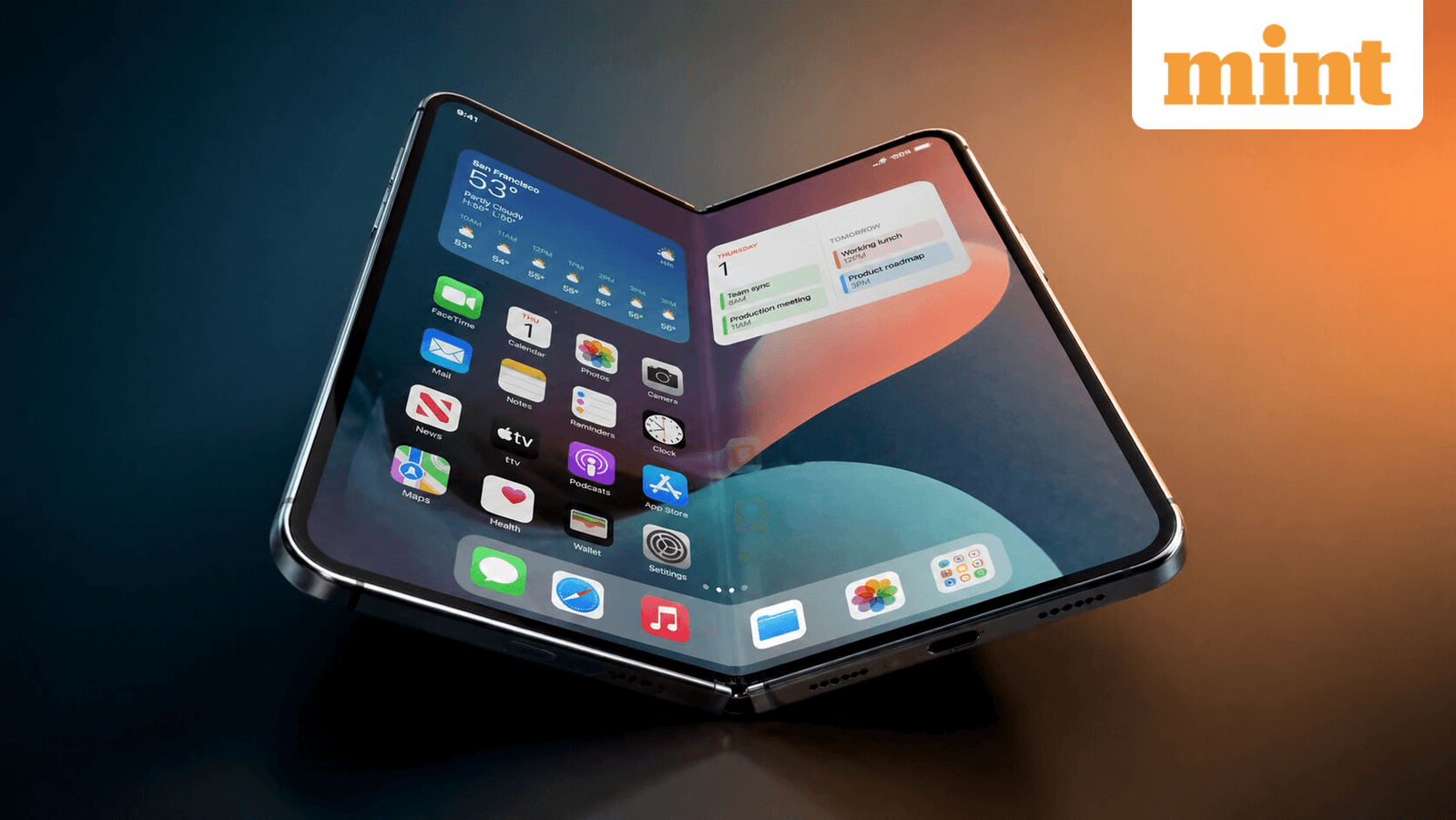
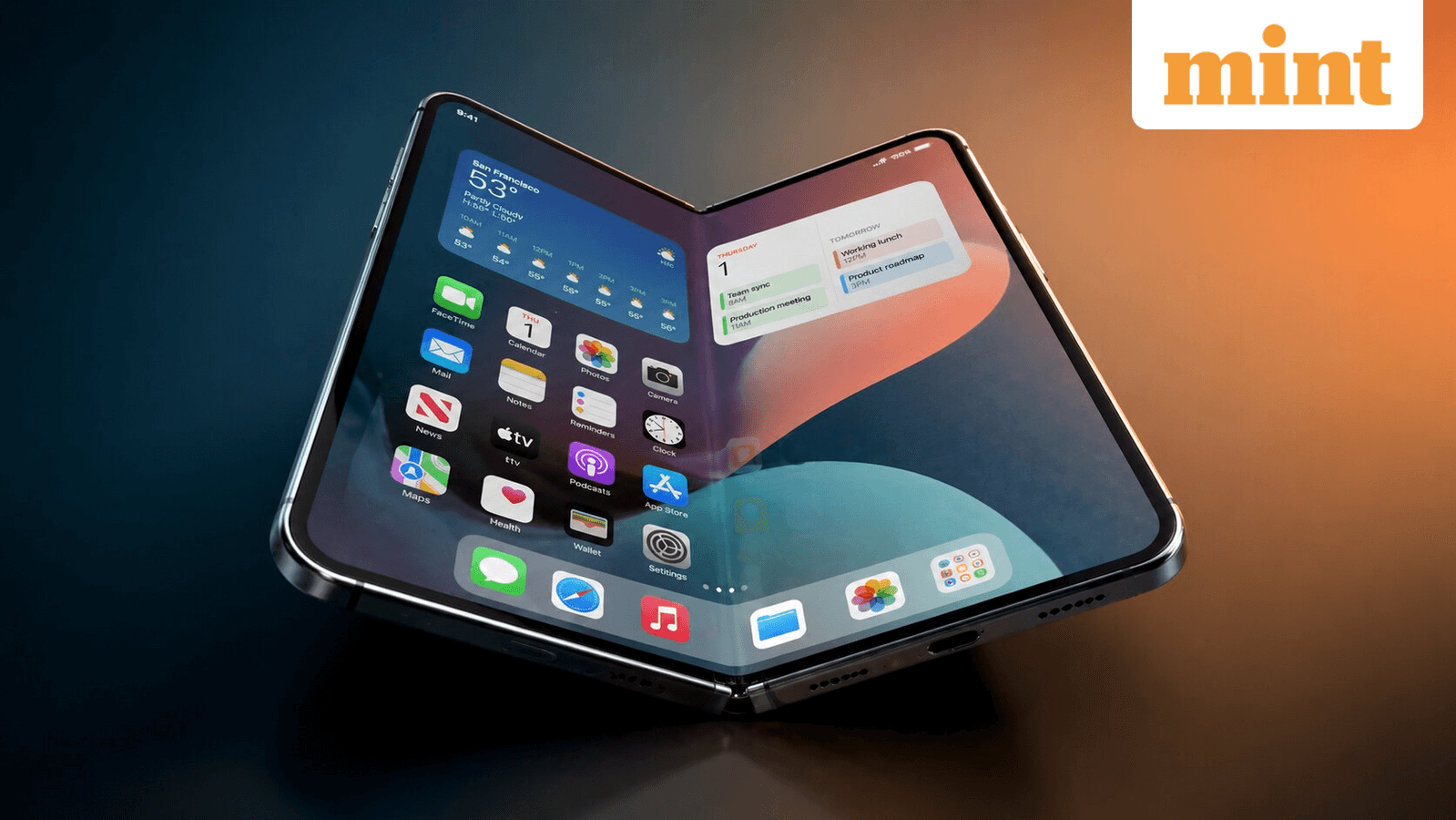
- Features 7.8-inch internal OLED display with 4:3 aspect ratio in a passport-style design
- Powered by A20 chip on 2nm process, promising 15% faster performance and 30% better efficiency
After years of watching Samsung and others dominate the foldable market, Apple is finally preparing to enter the category. The iPhone Fold is expected to launch at Apple's September event alongside the iPhone 18 Pro lineup, with a starting price around $1,999 for the base 256GB model.
The device represents Apple's attempt to do foldables differently. Rather than matching Samsung's tall, narrow Galaxy Z Fold design, Apple is reportedly pursuing a wider "passport" form factor that delivers an iPad Mini-like experience when opened.
Display and Design
The iPhone Fold will reportedly feature a 7.8-inch OLED internal display with a 4:3 aspect ratio. The outer display measures 5.5 inches. When unfolded, the device is just 4.5mm thick, a design achievement that required Apple to make some compromises elsewhere.
To achieve this thinness while maintaining durability, Apple is using a titanium and aluminum chassis for heat dissipation and structural integrity. The hinge uses what leakers describe as a "liquid metal" design combined with ultra-thin glass and optically clear adhesive to minimize the visible crease.
“Apple is pursuing a 'crease-free' design regardless of cost, aiming to redefine the durability standards for the entire category.”
— Mark Gurman, Bloomberg Technology Reporter
Color options appear more conservative than recent iPhone Pro models. Expect silver grey, black, and white variants rather than the flashier options Apple has been testing on standard iPhone Pro devices.
Performance and Connectivity
The iPhone Fold will run on Apple's upcoming A20 chip, built on TSMC's 2nm manufacturing process. This makes it the most efficient processor in any foldable phone. Leaks suggest up to 15% faster performance and 30% better power efficiency compared to the current A19 Pro in the iPhone 17 Pro Max.
Apple is pairing the A20 with 12GB of RAM, matching the expected iPhone 18 Pro lineup. This RAM boost targets Apple Intelligence features, which require substantial memory for on-device AI processing.
Two notable changes affect connectivity. First, the iPhone Fold will reportedly be eSIM-only worldwide, following the path Apple started with iPhone 14 in the US. Second, Apple is ditching Qualcomm modems for its own C2 modem, which supports mmWave 5G and Wi-Fi 7.
Camera System
The camera setup includes a 48MP main sensor and 48MP ultra-wide lens on the back. There's a front-facing punch-hole camera on the outer display and a 24MP under-display camera on the inner screen. Despite having four cameras total, the iPhone Fold reportedly lacks a telephoto lens. This is likely a thickness constraint.
Face ID Is Out, Touch ID Returns
In a surprising reversal, Apple is reportedly replacing Face ID with Touch ID integrated into the power button. This mirrors the approach Apple uses on iPads. The reason is simple: Face ID hardware adds thickness that conflicts with Apple's aggressive 4.5mm target.
This decision has sparked debate. Reddit's r/apple community has been arguing over whether sacrificing Face ID for thinness makes sense. Hardware engineers on Hacker News have also expressed skepticism about the liquid metal hinge's long-term durability, though most acknowledge Apple's track record on build quality.
Pricing and Market Impact
The iPhone Fold will start around $1,999 for the base 256GB model. Some configurations could exceed $2,400. This positions it as Apple's highest-tier iPhone, potentially launching a new "iPhone Ultra" product category above the Pro Max.
“The real game-changer for the category comes at year-end when Apple enters the foldable space... thanks to an expected average price point of $2,400.”
— Nabila Popal, Research Director at IDC
IDC projects Apple could capture 34% of the global foldable market value in its first year. That's a significant chunk of a category Samsung has dominated. Apple's brand power and ecosystem lock-in give it an advantage that Chinese competitors like Huawei and Xiaomi can't match in Western markets.
Software: iOS 27 Debut
The iPhone Fold will ship with iOS 27, making it one of the first devices to run Apple's new user interface. The software will need to handle the transition between folded and unfolded states smoothly. Apple has years of iPad multitasking experience to draw on, which should help.
Logicity's Take
Frequently Asked Questions
When will the iPhone Fold be released?
Apple is expected to announce the iPhone Fold at its September 2025 event alongside the iPhone 18 Pro lineup. The exact date hasn't been confirmed.
How much will the iPhone Fold cost?
The base 256GB model is expected to start around $1,999. Higher storage configurations could reach $2,400 or more.
Will the iPhone Fold have Face ID?
No. Reports indicate Apple is replacing Face ID with Touch ID integrated into the power button, similar to current iPads. This allows for a thinner design.
What size is the iPhone Fold screen?
The internal display is 7.8 inches with a 4:3 aspect ratio. The outer display is 5.5 inches. Both are OLED panels.
Does the iPhone Fold have a SIM card slot?
No. The iPhone Fold is expected to be eSIM-only in all markets, following the trend Apple started with iPhone 14 in the United States.
If you're invested in Apple's ecosystem, these CarPlay alternatives are worth exploring.
Need Help Implementing This?
Source: mint / Aman Gupta
Huma Shazia
Senior AI & Tech Writer
Produced with AI assistance and reviewed by the Logicity editorial team. Learn more in our Editorial Policy.