Key Takeaways
- DeepSeek V4-Pro has 1.6 trillion parameters and costs $3.48 per million output tokens, compared to OpenAI's $30 and Anthropic's $25
- V4 is the first major frontier model optimized for Huawei Ascend chips, bypassing U.S. export restrictions on Nvidia hardware
- The U.S. State Department sent diplomatic cables warning allies about alleged IP theft by DeepSeek, Moonshot AI, and MiniMax
What DeepSeek V4 Brings to the Table
DeepSeek on Friday released a preview of its V4 large language model. The Hangzhou-based startup calls it their most powerful release to date. The numbers are striking: 1.6 trillion parameters and a 1 million token context window.
The model comes in two variants. V4-Pro is the flagship at $3.48 per million output tokens. V4-Flash is a smaller 284 billion parameter version at $0.28 per million tokens. For context, OpenAI charges $30 per million output tokens for GPT-5.4. Anthropic charges $25 for Claude Opus 4.6.
DeepSeek acknowledges V4 "falls marginally short" of closed-source models from OpenAI and Anthropic by roughly three to six months of development. But it outperforms every open-source competitor in agentic coding and reasoning benchmarks.
Huawei Chips Replace Nvidia Hardware
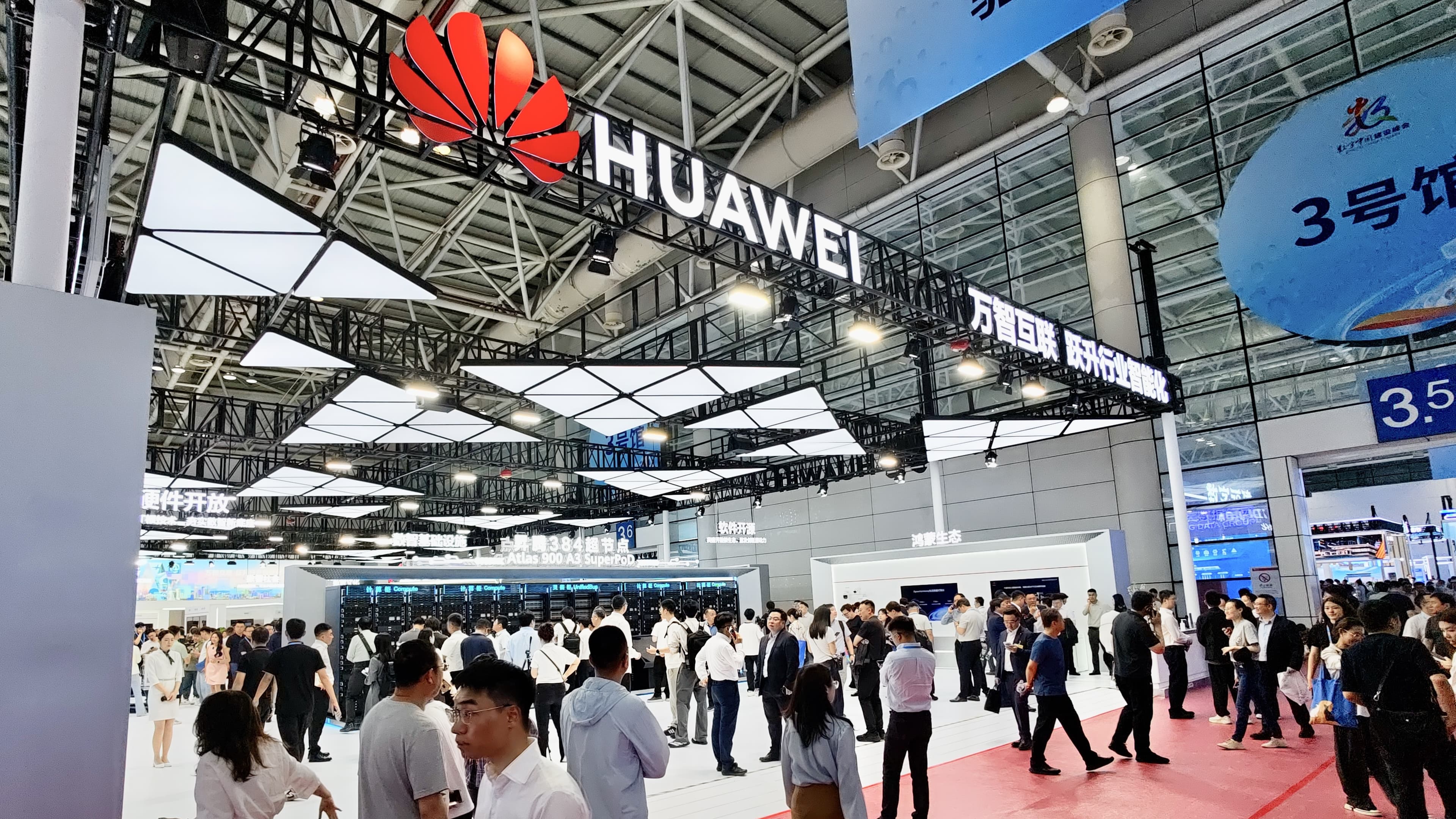
This is the most significant technical detail. V4 is the first major frontier release optimized for Huawei's Ascend AI processors rather than Nvidia hardware.
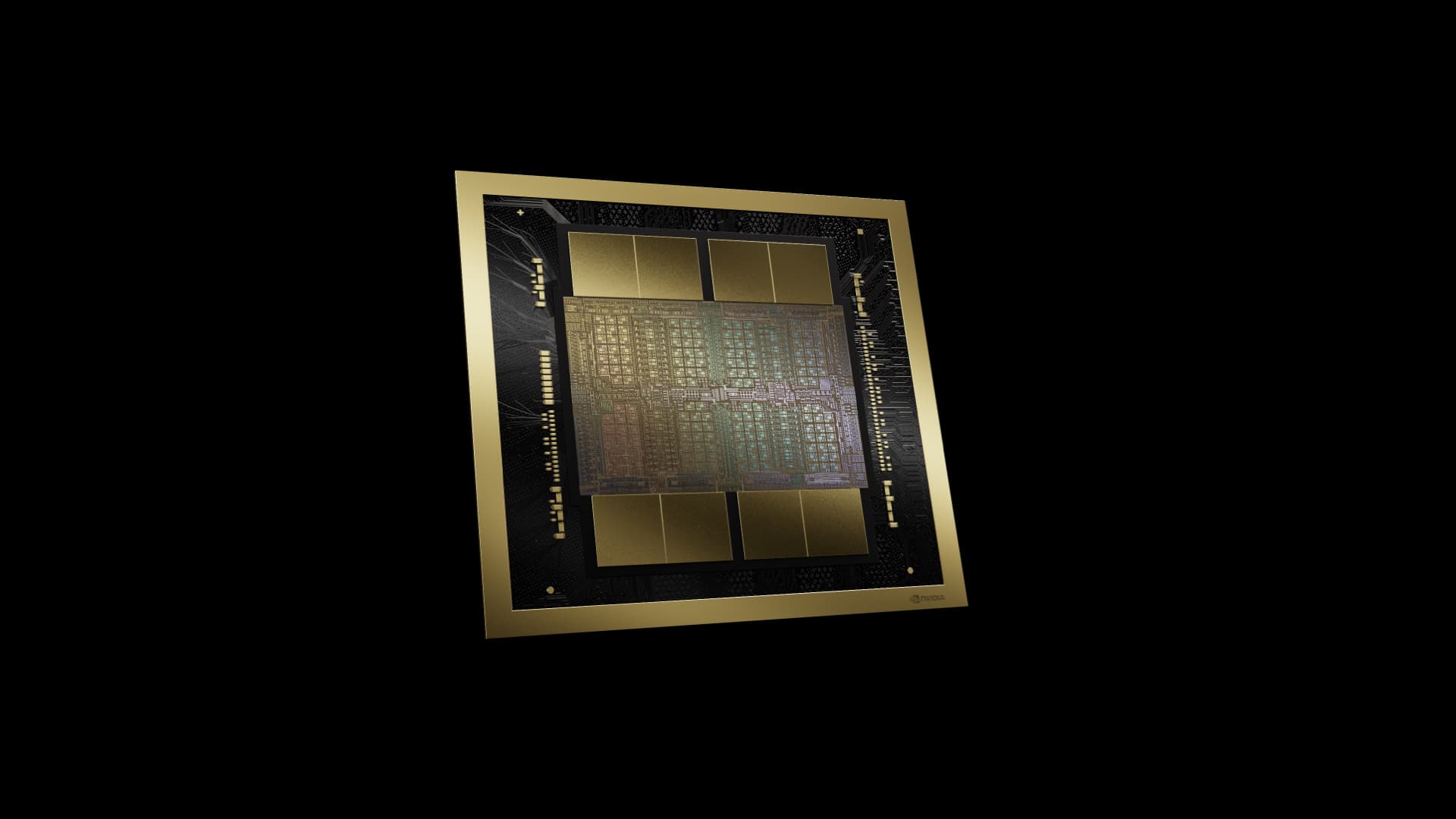
DeepSeek trained its earlier V3 model on 2,048 Nvidia H800 GPUs. The company has faced multiple investigations over whether it acquired restricted Nvidia hardware through intermediaries in Singapore. V4 sidesteps that supply chain entirely by training on domestic Ascend chips.
Huawei confirmed day-zero compatibility across its full Ascend SuperNode product line, including its latest 950 series processors. DeepSeek said V4-Pro pricing could fall further once Huawei scales up Ascend 950 production in the second half of this year.
“If DeepSeek optimizes successfully on Huawei chips, it's a horrible outcome for the U.S. tech stack.”
— Jensen Huang, CEO of Nvidia (via Dwarkesh Podcast)
U.S. Diplomatic Offensive
V4 arrived on the same day Reuters reported that the U.S. State Department had sent a diplomatic cable to embassies worldwide. The cable instructed staff to warn foreign governments about alleged IP theft by DeepSeek and other Chinese AI firms.
The diplomatic cable instructed embassy staff to speak to their foreign counterparts about "concerns over adversaries' extraction and distillation" of U.S. models. It named DeepSeek alongside Moonshot AI and MiniMax.
Two days earlier, the White House Office of Science and Technology Policy published a memo. It accused Chinese entities of running "deliberate, industrial-scale campaigns" to distill American frontier AI systems.
The Distillation Accusations
These accusations build on claims Anthropic made in February. The company said DeepSeek, Moonshot, and MiniMax had used 24,000 fraudulent accounts to make 16 million exchanges with its Claude model. OpenAI has also accused DeepSeek of distilling its models.
Distillation refers to extracting the reasoning patterns from a large model by querying it millions of times, then using those outputs to train a smaller, cheaper model. It is a legal gray area when done without permission.
China's foreign ministry called the accusations baseless. But the timing of V4's release, on the same day as the diplomatic cable, has intensified the controversy.
What This Means for AI Hardware
The successful optimization of a frontier model on Huawei chips represents a turning point. U.S. export controls on Nvidia's most advanced chips were designed to slow Chinese AI development. DeepSeek's V4 suggests those controls may be losing their effectiveness.
If Huawei can scale Ascend 950 production as planned, Chinese AI firms will have a domestic alternative to restricted American silicon. This would fundamentally change the leverage the U.S. holds in the AI competition.


Logicity's Take
How major IT firms are adapting to AI disruption
Context on AI model pricing and access
Pricing Comparison
| Model | Parameters | Price per Million Output Tokens |
|---|---|---|
| DeepSeek V4-Pro | 1.6 trillion | $3.48 |
| DeepSeek V4-Flash | 284 billion | $0.28 |
| OpenAI GPT-5.4 | Not disclosed | $30.00 |
| Anthropic Claude Opus 4.6 | Not disclosed | $25.00 |
Frequently Asked Questions
What is DeepSeek V4?
DeepSeek V4 is a large language model with 1.6 trillion parameters and a 1 million token context window. It comes in two variants: V4-Pro (flagship) and V4-Flash (smaller, cheaper).
Why is V4 running on Huawei chips significant?
V4 is the first major frontier AI model optimized for Huawei Ascend processors rather than Nvidia hardware. This bypasses U.S. export restrictions designed to limit Chinese AI development.
What are the IP theft allegations against DeepSeek?
The U.S. government alleges that DeepSeek and other Chinese AI firms used fraudulent accounts to query American AI models millions of times, then used those outputs to train their own systems through a process called distillation.
How does DeepSeek V4 pricing compare to ChatGPT?
DeepSeek V4-Pro costs $3.48 per million output tokens. OpenAI GPT-5.4 costs $30 per million output tokens. That is roughly 90% cheaper for DeepSeek.
Does DeepSeek V4 perform as well as GPT-5?
DeepSeek acknowledges V4 falls "marginally short" of closed-source models like GPT-5.4 and Claude Opus by three to six months of development. However, it outperforms all open-source alternatives.
Need Help Implementing This?
Source: Latest from Tom's Hardware
Manaal Khan
Tech & Innovation Writer
Produced with AI assistance and reviewed by the Logicity editorial team. Learn more in our Editorial Policy.