Key Takeaways
- The Galaxy A37 won GSMArena's selfie video blind test despite costing under €300
- The Galaxy S26 Ultra finished last, with many readers calling it the worst of the five phones
- Samsung's mature Exynos 1480 chipset may explain the A37's advantage over newer processors
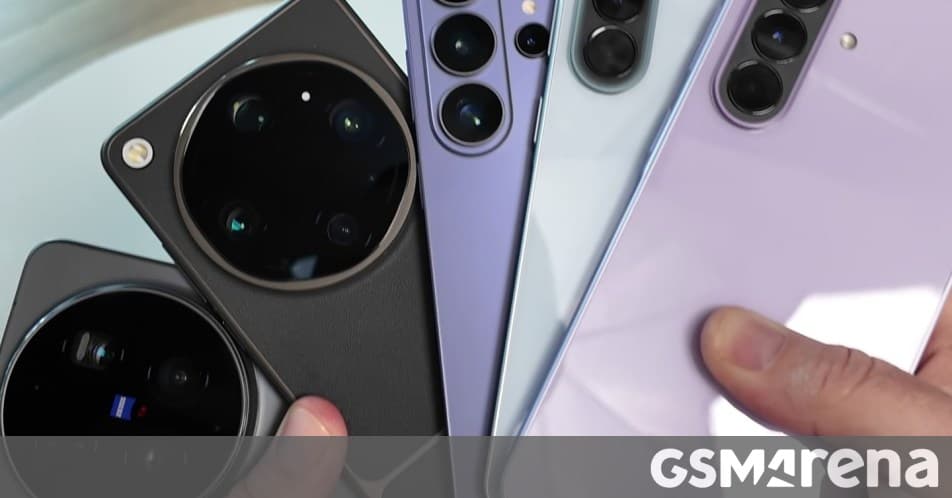
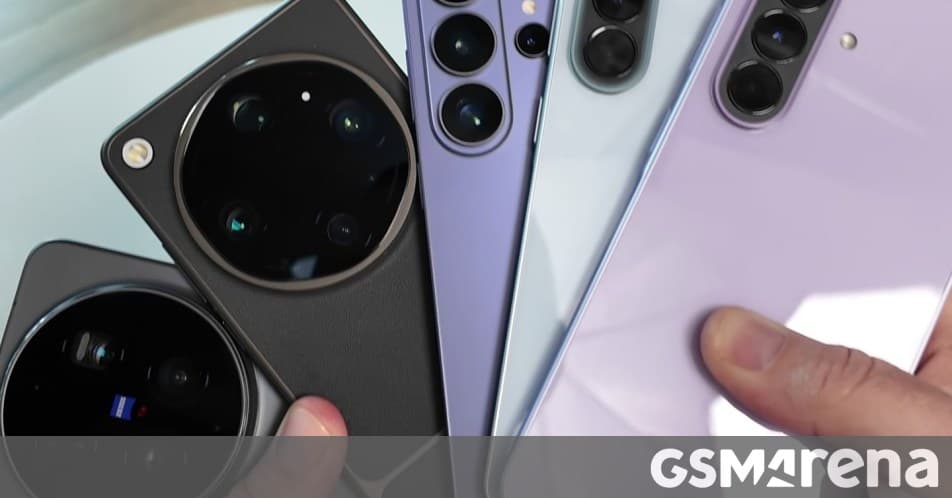
GSMArena ran a blind test asking readers to vote on selfie video quality across five phones. The results are in, and they're surprising: Samsung's budget Galaxy A37 won by a wide margin, beating three flagship phones that cost several times more.
The test collected votes across GSMArena's TikTok, Instagram, YouTube, and homepage poll. Readers didn't know which phone produced which video until after voting.
The winner and loser both come from Samsung, highlighting how price doesn't guarantee performance in smartphone video.
A €300 Phone Beats the Flagships
The Galaxy A37, with a street price under €300, took first place. GSMArena noted it "received the most votes in its favor by a wide margin, scoring a victory over three Ultra-class flagships."
The A37's hardware is modest by flagship standards: a 12MP selfie camera with a 1/3.2" sensor and the Exynos 1480 chipset. Yet readers consistently preferred its 4K selfie video output.
GSMArena called it a "flagship killer" moment for the Galaxy A series, noting: "The term 'flagship killer' has never been applied to a Galaxy A-series phone. Yet, when it comes to 4K selfie video taking, the Galaxy A37 clearly has what it takes to take on even the big boys."
Full Rankings
- Samsung Galaxy A37 (Exynos 1480, 12MP camera)
- Samsung Galaxy A57 (Exynos 1680, same 12MP camera)
- Oppo Find X9 Ultra (Snapdragon 8 Elite Gen 5, 50MP camera)
- Vivo X300 Ultra (Snapdragon 8 Elite Gen 5, 50MP camera)
- Samsung Galaxy S26 Ultra
The Galaxy A57, which shares the same front camera as the A37 but runs the newer Exynos 1680 chipset, took second place. This supports GSMArena's theory about chipset maturity.
Why Older Silicon Might Win
GSMArena offered a hypothesis for the A37's victory: processing optimization. The Exynos 1480 first appeared in the Galaxy A55 in 2024. The A37 is the fourth phone to use this chip.
"Samsung has had since then to polish the image processing," GSMArena wrote. "Meanwhile, the Exynos 1680 is brand new."
The same pattern appeared with the Snapdragon 8 Elite Gen 5 phones. Both the Oppo Find X9 Ultra and Vivo X300 Ultra pack 50MP selfie cameras with larger sensors than the A37. But their newer chipsets apparently haven't had their image processing "dialed in yet."
The Galaxy S26 Ultra's Embarrassing Finish
The Galaxy S26 Ultra finished last. GSMArena reported it "received barely any votes in its favor, but a lot of people singled out its video as being the worst of the five phones."
This result is particularly awkward for Samsung. The company's flagship phone lost to its own budget model in the category of selfie video quality. The S26 Ultra costs roughly three to four times what the A37 costs.
GSMArena noted the irony: "This should have been an easy win. Team Samsung clearly knows how to fine-tune selfie video quality."
Mixed Reactions to Flagship Processing
The Oppo Find X9 Ultra's third-place finish came with a caveat. GSMArena described its video processing as "a love-it-or-hate-it affair." Some readers voted for it; others specifically voted against it.
The Vivo X300 Ultra fared worse. Despite nearly identical hardware to the Oppo, its selfie videos "got more 'hate it' than 'love it' votes."
Related smartphone camera feature now available across devices
What This Means for Phone Buyers
Spec sheets don't tell the full story. A 50MP sensor with a larger size should outperform a 12MP sensor with a smaller one. A €1,000+ flagship should beat a sub-€300 budget phone. Neither happened here.
Software processing and chipset optimization matter more than raw hardware in computational photography. Samsung's A-series team apparently spent more time refining their video pipeline than the flagship team did.
For buyers who prioritize selfie video quality, this test suggests looking beyond price and specs. Blind tests like this one reveal what marketing materials cannot.
Logicity's Take
Frequently Asked Questions
How much does the Samsung Galaxy A37 cost?
The Galaxy A37 has a street price under €300, making it roughly three to four times cheaper than flagship alternatives.
Why did the Galaxy A37 beat more expensive phones?
GSMArena suggests the Exynos 1480 chipset has been refined over multiple phone generations since 2024, resulting in better-tuned image processing than newer chips.
What camera does the Galaxy A37 have for selfies?
The A37 uses a 12MP front-facing camera with a 1/3.2" sensor, modest specs compared to the 50MP cameras in competing flagships.
How was the blind test conducted?
GSMArena collected votes across TikTok, Instagram, YouTube, and their homepage poll. Readers voted without knowing which phone produced each video.
Did the Galaxy S26 Ultra perform well?
No. The S26 Ultra finished last in the test, with many readers specifically calling out its video as the worst of the five phones.
Need Help Implementing This?
Source: GSMArena.com / GSMArena team
Huma Shazia
Senior AI & Tech Writer
Produced with AI assistance and reviewed by the Logicity editorial team. Learn more in our Editorial Policy.