Key Takeaways
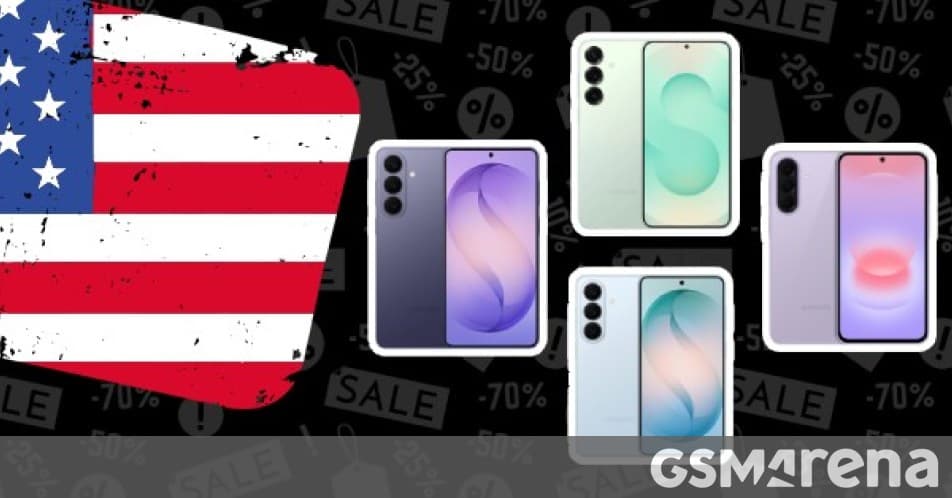
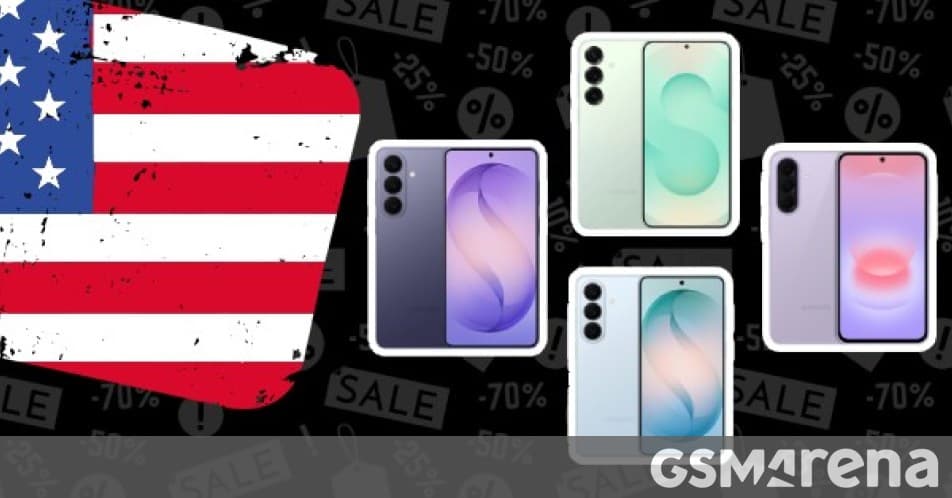
- Galaxy S26+ (256GB) is $890 on Amazon, a $200+ discount under three months post-launch
- Last year's Galaxy S25+ at $700 offers similar specs, making the upgrade decision tricky
- Motorola Razr 2026 trio opens pre-orders with May 21 shipping, but upgrades are modest
Galaxy S26+ at $890: Is It Worth the Jump?
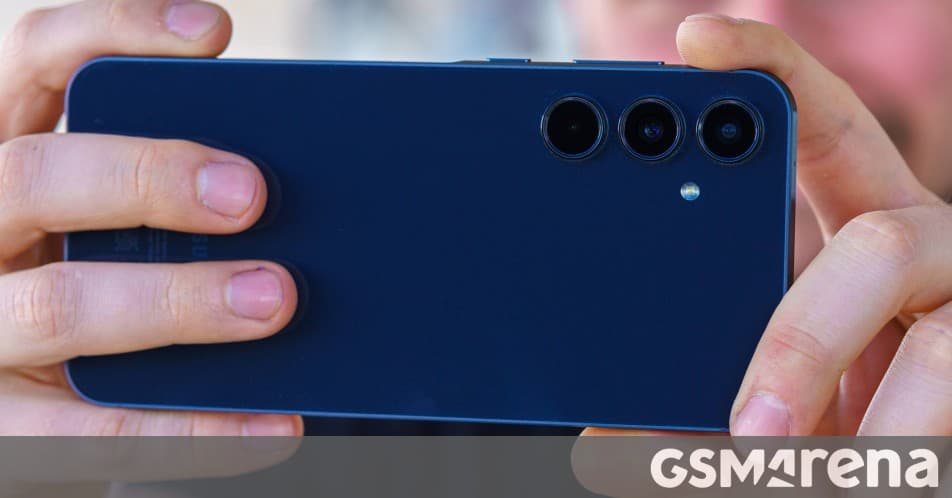
The Samsung Galaxy S26+ (256GB) is currently $890 on Amazon. That's $200+ off the launch price for a phone that hit shelves less than three months ago. For Samsung flagship buyers, that's a solid early discount.
But here's the catch: the S26+ doesn't bring dramatic upgrades over its predecessor. You get the Snapdragon 8 Elite Gen 5 chipset and faster wireless charging (20W vs. 15W on the S25+). No magnetic charging support, though. Several flagship features remain absent: no high-resolution telephoto sensor, no 10-bit display colors, no IP69 rating.
The S26+ does outperform in battery life, scoring 16 hours 25 minutes on active use tests compared to the S25+'s 14 hours 26 minutes. The speakers are improved. Camera upgrades exist, but they're incremental.
The S25+ Alternative at $700
Last year's Galaxy S25+ sits at $700 for the 256GB model. That's $190 less than the discounted S26+. The gap widens slightly at 512GB storage tiers.
For most users, the S25+ delivers a largely similar experience. Same display quality (minus the 10-bit colors neither has). Same camera array philosophy. Same build quality. The chipset performance difference exists, but unless you're pushing intensive tasks or gaming, you probably won't notice it daily.
| Feature | Galaxy S26+ | Galaxy S25+ |
|---|---|---|
| Price (256GB) | $890 (on sale) | $700 |
| Chipset | Snapdragon 8 Elite Gen 5 | Snapdragon 8 Elite |
| Wireless Charging | 20W | 15W |
| Battery Life (Active Use) | 16h 25m | 14h 26m |
| Price Gap | — | $190 savings |
Standard S26: Small Phone, Small Savings
Two reasons exist to buy the vanilla Galaxy S26. First, you want the compact option, and a 6.3-inch display is still the smallest in the S lineup. Second, you want the cheapest Galaxy S flagship.
That second reason barely holds up. Only $65 separates the 512GB S26 from the 512GB S26+. At that price gap, the Plus model's larger display and battery make more sense for most buyers.
S26 Ultra: Premium Price, Premium Features
The Galaxy S26 Ultra received most of this generation's meaningful upgrades, including Samsung's new Privacy Display feature. The $200 discount applies here too, which matters when you're dealing with one of the priciest phones on the US market.
Even discounted, it's a significant investment. Whether the Privacy Display and camera improvements justify the premium over the S26+ depends on your specific needs.
Galaxy A37: Budget Option Gets Cheaper
The Galaxy A37 continues its post-launch price decline. The base 6GB RAM / 128GB storage model is now $75 off. Last week it was $50 off. The trend is moving in buyers' favor.
One caveat: the 8GB RAM / 256GB storage version hasn't budged much. That's the configuration worth waiting for. Extra RAM and storage will matter over the phone's projected six-year lifespan. Compromising now means frustration later.
See how the A37 performs against pricier competition
Motorola Razr 2026: Pre-Orders Open, Ships May 21
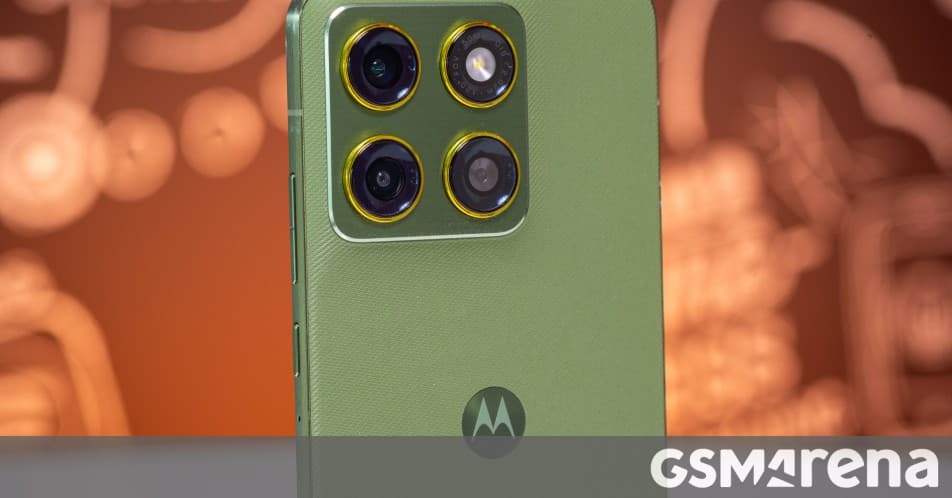
Motorola's Razr 2026 trio is now available for pre-order with shipping starting Thursday, May 21. The lineup includes the Razr Ultra 2026, Razr+ 2026, and the standard Razr 2026.
The upgrades across the board are modest. The Razr Ultra 2026 keeps the same Snapdragon 8 Elite chipset from last year. Battery bumps to 5,000mAh (up 300mAh), and peak brightness hits 5,000 nits (up 500 nits). Incremental stuff.
The Razr+ 2026 occupies an odd position. It's a minor improvement over the Razr+ 2024, a phone from two years ago. You get a larger 4,500mAh battery (vs. 4,000mAh) and a new 50MP ultra-wide camera replacing the older 2x/47mm telephoto. Whether an ultra-wide is more useful than a telephoto depends entirely on how you shoot.
Logicity's Take
Which Deal Makes Sense?
For Samsung buyers: the S25+ at $700 represents the best value unless battery life is critical to you. The S26+ discount is nice, but not transformative enough to justify the extra $190.
For foldable buyers: pre-ordering the Razr 2026 makes sense only if you're coming from a much older device. Razr 2025 or even 2024 owners should skip this cycle.
For budget buyers: wait for the Galaxy A37's 8/256GB configuration to drop. The base model's storage will feel cramped within two years.
Frequently Asked Questions
How much is the Galaxy S26+ on sale for?
The Galaxy S26+ (256GB) is currently $890 on Amazon, representing a $200+ discount from its launch price less than three months ago.
Should I buy the Galaxy S26+ or S25+?
The S25+ at $700 offers a similar experience for $190 less. The S26+ has better battery life (16h 25m vs. 14h 26m) and faster wireless charging, but most users won't notice the chipset difference.
When does the Motorola Razr 2026 ship?
The Motorola Razr 2026 series ships starting May 21. Pre-orders are available now.
What's new in the Motorola Razr Ultra 2026?
The Razr Ultra 2026 has a larger 5,000mAh battery (up 300mAh), brighter 5,000-nit display (up 500 nits), but keeps the same Snapdragon 8 Elite chipset from 2025.
Is the Galaxy A37 worth buying right now?
The base 6GB/128GB model is $75 off, but the 8GB/256GB version hasn't dropped much. Wait for a deal on the higher-spec model for better long-term value.
Need Help Implementing This?
Source: GSMArena.com / Peter
Manaal Khan
Tech & Innovation Writer
Produced with AI assistance and reviewed by the Logicity editorial team. Learn more in our Editorial Policy.