Key Takeaways
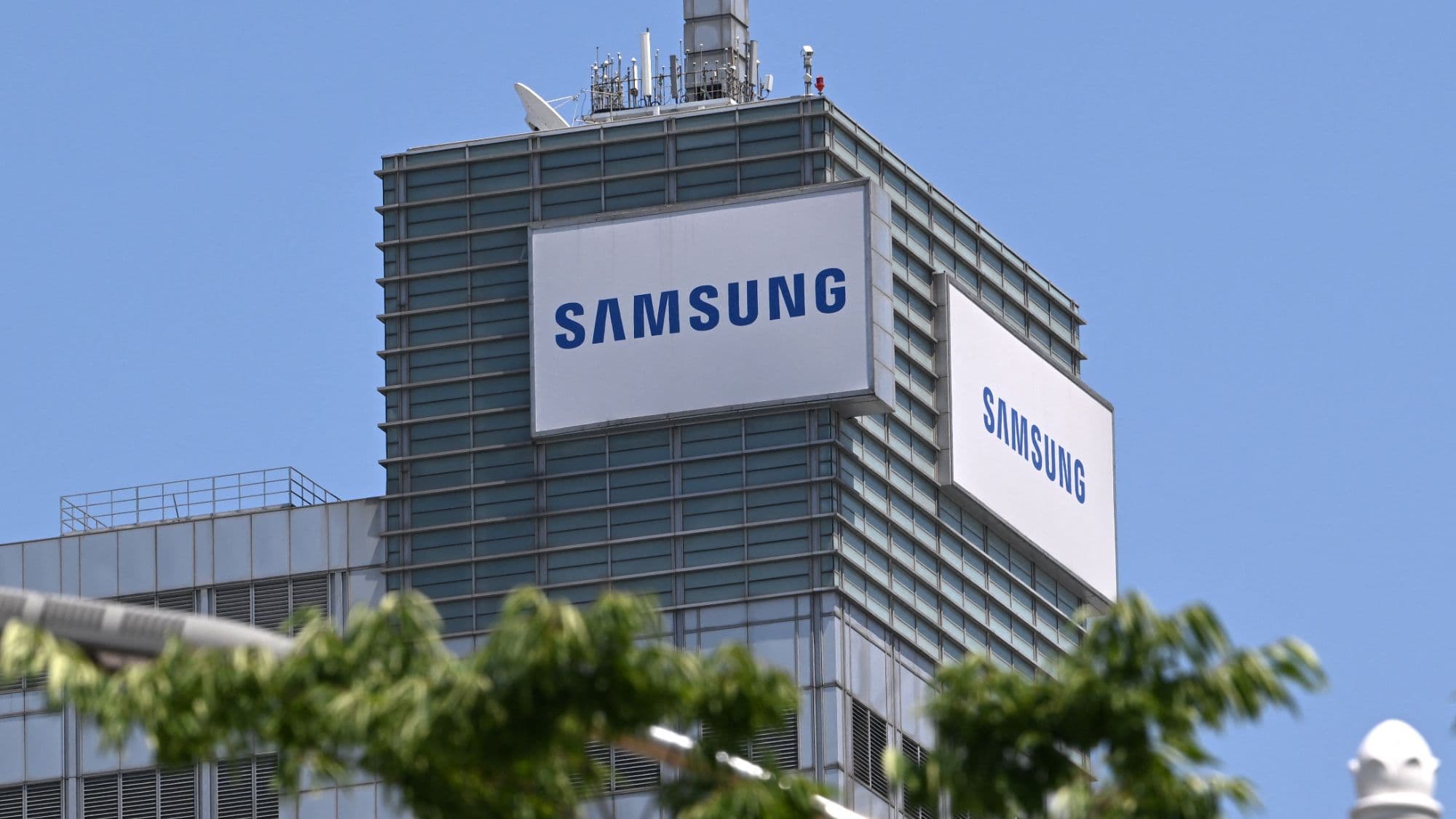
- 74% of Samsung's largest union approved the deal, which allocates 10.5% of semiconductor operating profit as stock-based bonuses
- Memory division workers may receive up to $400,000 while smartphone and appliance staff get just $4,000
- Work slowdowns have spread to Samsung's foundry and TSP divisions, potentially affecting HBM4 production for Nvidia
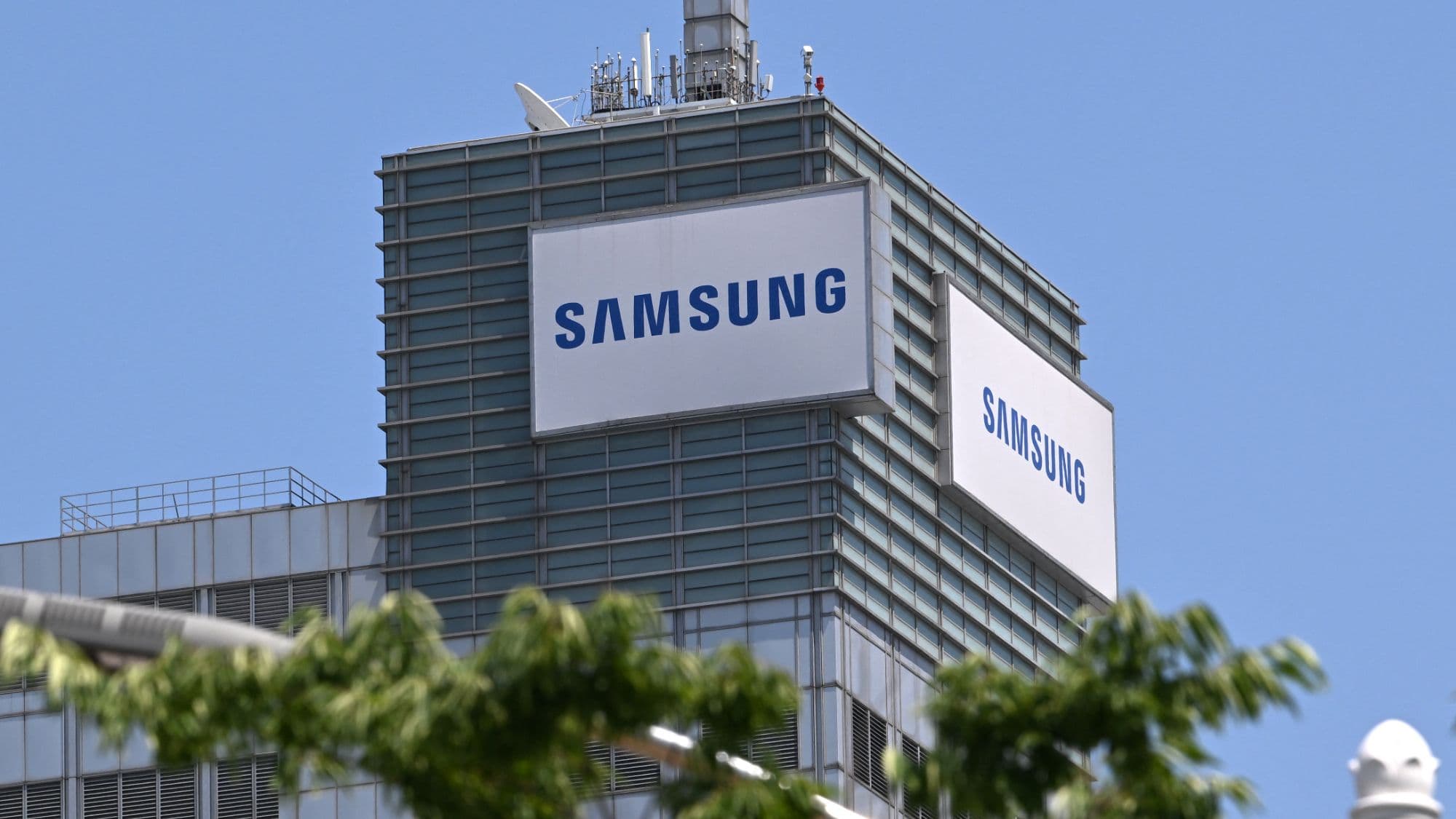
Samsung Electronics' largest union has ratified a compensation deal that will pay semiconductor workers an average bonus of roughly $340,000. About 74% of the union's members voted in favor of the agreement, which was reached last week just 90 minutes before an 18-day general strike was set to begin at the world's largest memory chipmaker.
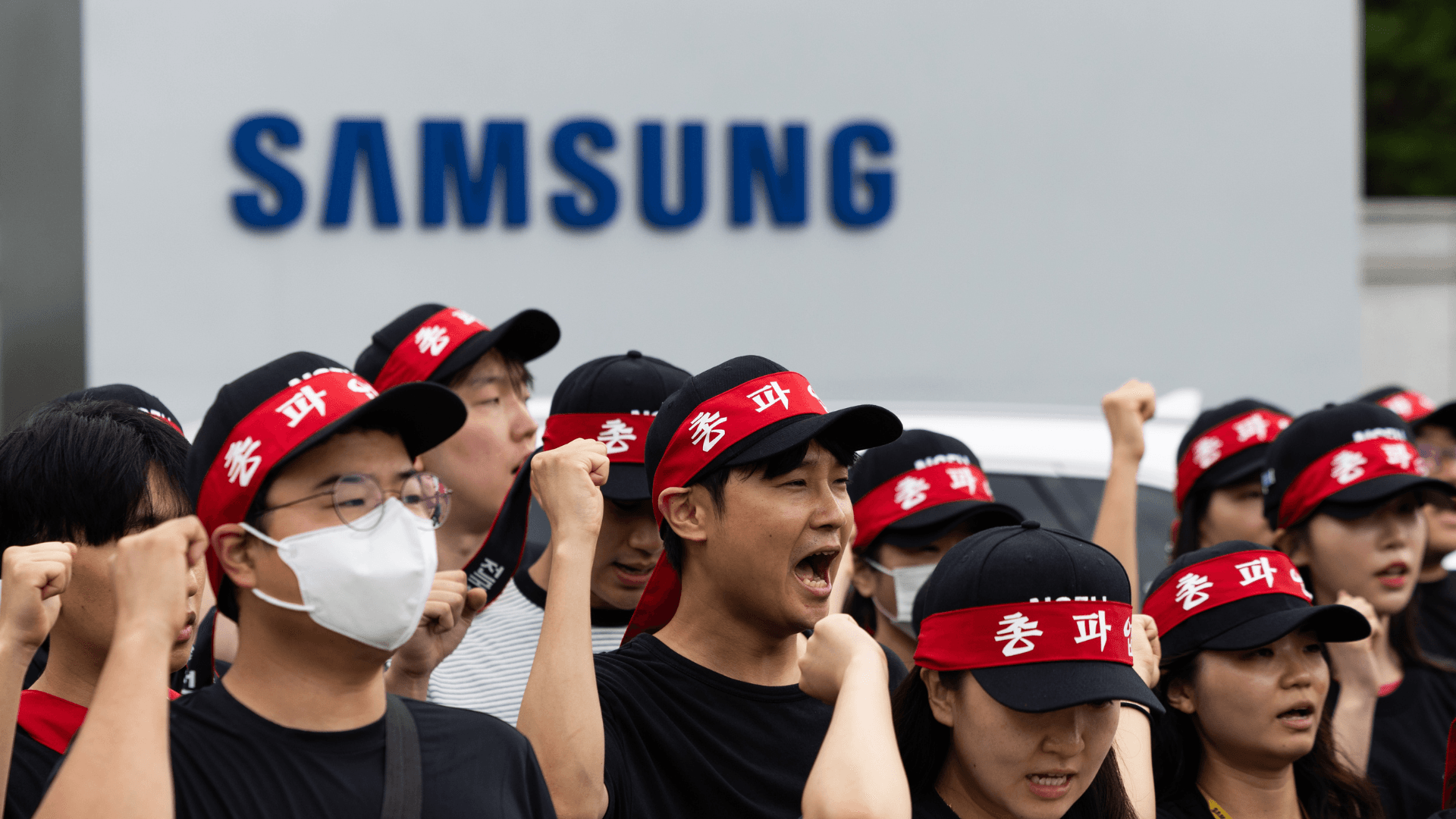
The deal ends months of escalating labor unrest that saw more than 40,000 workers rally in April, causing night-shift fab output to fall by 58%. But while the strike threat is over, the resentment it exposed is spreading through the company in new ways.
The Deal Structure
The agreement allocates 10.5% of Samsung's semiconductor division operating profit as stock-based bonuses, with an additional 1.5% in cash. Workers also receive a 6.2% average wage increase. The program runs for 10 years, contingent on the division hitting annual operating profit targets.
Based on Bloomberg's projections of Samsung's 2026 operating profit at approximately 330 trillion won, the total bonus pool for the company's 78,000 semiconductor employees could reach roughly 40 trillion won ($26.6 billion).
But the payouts vary dramatically by division. Some memory division employees stand to receive 600 million won ($400,000), while staff in Samsung's smartphone, TV, and appliance divisions are looking at payouts of just 6 million won ($4,000). That 100-to-1 gap has created serious internal friction.
Resentment Spreads to Foundry Operations
Only about 21% of Samsung's smaller union, which represents mostly non-chip staff, approved the agreement. That resentment has led to work slowdowns spreading to Samsung's foundry and TSP (Test & Package) divisions. Meetings are being canceled and decision-making on major projects has reportedly reached a standstill.
TSP handles the back-end packaging and testing essential to producing high-bandwidth memory. Disruptions there could complicate Samsung's HBM4 production ramp for Nvidia's next-gen Rubin AI accelerators.
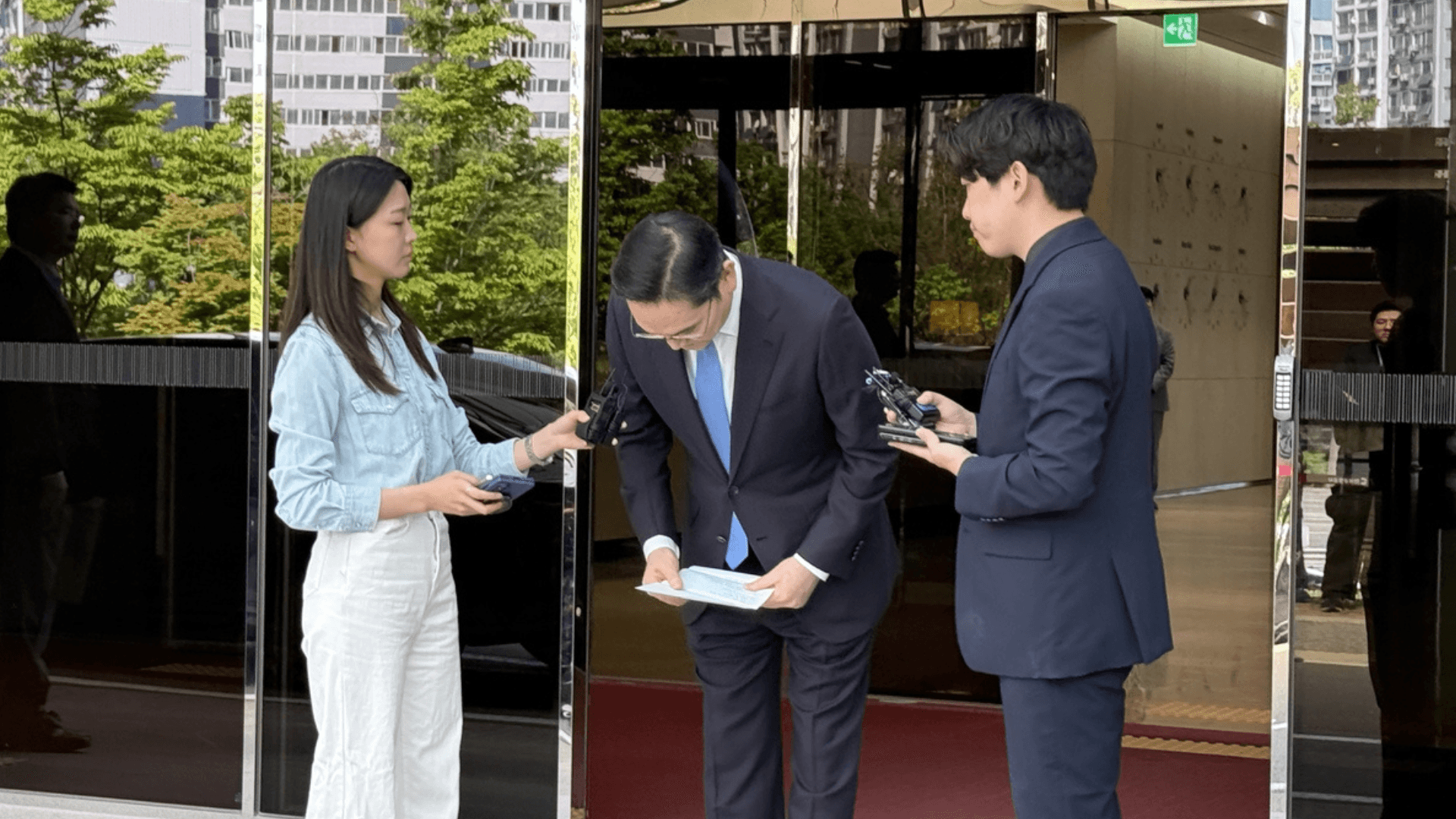
“I understand that the recent wage negotiation process and its outcome have left many of you feeling alienated, deprived, and perhaps disappointed or hurt by the company. I will personally oversee and examine what needs to change in each business unit, where we need to focus more boldly, and what is most urgently needed on the front lines.”
— TM Roh, Samsung DX Division Head
Context: The AI Chip Boom's Labor Effect
Workers had compared their compensation unfavorably to rival SK hynix, which offered more generous bonuses last year. The union's negotiating leverage grew directly from the AI-driven demand surge that has made semiconductor talent scarce and valuable.
The vote came on a milestone day for the memory sector. SK hynix and Micron both crossed the $1 trillion market cap mark early Wednesday, joining Samsung, which breached the same threshold last month. Samsung shares surged 8% in Seoul following the ratification announcement, signaling investor relief that the strike was averted.
Related coverage of the memory sector's historic market cap milestones
What Comes Next
Samsung's challenge now is keeping its semiconductor operations stable while addressing the internal divisions the deal has exposed. The foundry slowdowns are particularly concerning given the company's ongoing efforts to catch up to TSMC in advanced chip manufacturing.
The 10-year profit-sharing structure ties worker compensation directly to division performance. That incentivizes semiconductor staff to maintain output, but does nothing for the smartphone and appliance divisions whose employees feel left behind.

Logicity's Take
Frequently Asked Questions
How much are Samsung chip workers getting as bonuses?
Samsung semiconductor workers will receive an average bonus of $340,000, with top memory division employees potentially receiving up to $400,000. The deal allocates 10.5% of semiconductor operating profit as stock-based bonuses plus 1.5% in cash.
Why are Samsung employees still upset after the bonus deal?
Non-chip employees in Samsung's smartphone, TV, and appliance divisions are receiving bonuses of just $4,000, creating a 100-to-1 gap with their semiconductor colleagues. Only 21% of the smaller union representing these workers approved the agreement.
How does this affect Samsung's chip production?
While the strike was averted, work slowdowns have spread to Samsung's foundry and TSP divisions. This could complicate HBM4 production for Nvidia's next-gen Rubin AI accelerators, as TSP handles the packaging and testing essential to high-bandwidth memory.
How long does Samsung's profit-sharing deal last?
The agreement runs for 10 years, contingent on Samsung's semiconductor division hitting annual operating profit targets. The deal also includes a 6.2% average wage increase.
Need Help Implementing This?
Source: Latest from Tom's Hardware
Manaal Khan
Tech & Innovation Writer
Produced with AI assistance and reviewed by the Logicity editorial team. Learn more in our Editorial Policy.