Key Takeaways
- All three major memory makers hit $1 trillion market caps in May 2026
- Global DRAM revenue reached $97 billion in Q1 2026, up 260% year-over-year
- China's CXMT grew from 3% to 8% market share in 2025
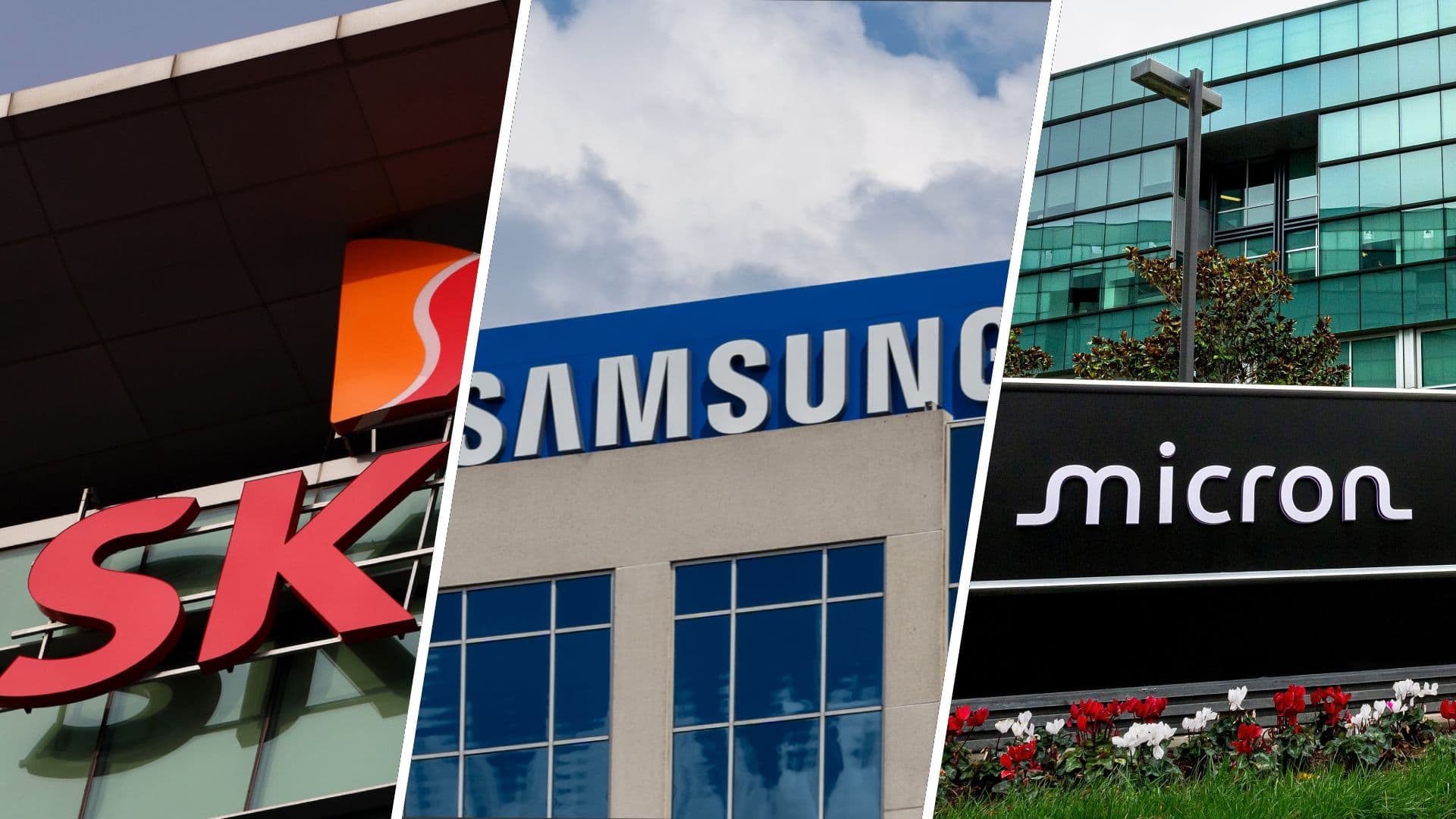
The memory industry just had its biggest month in history. Samsung hit a $1 trillion market cap on May 6. Micron followed on May 26. SK Hynix joined them a day later. For the first time, all three major DRAM manufacturers sit in the trillion-dollar club simultaneously.
Global DRAM revenue reached $97 billion in Q1 2026, according to Counterpoint Research. That is a 260% increase from the same quarter last year. The industry is now within striking distance of $100 billion in quarterly revenue, a figure that seemed unlikely just two years ago.
AI Is Eating the Memory Market
The numbers tell a simple story: AI data centers need memory, and they need it now. High Bandwidth Memory (HBM), the specialized chips required for training large language models, has become the single most valuable product in the semiconductor industry. Demand far exceeds supply.
“The surge in HBM demand for AI infrastructure is transforming memory from a commodity cycle into a structural necessity.”
— Senior Analyst, Counterpoint Research
This shift explains why memory makers are posting record profits while consumer RAM prices stay elevated. The same companies that sell DDR5 modules to PC builders also supply HBM to Nvidia and AMD. When enterprise customers pay premium prices for AI memory, consumer products get deprioritized.
Market Share Shifts Among the Big Three
Samsung has extended its lead. The company held 36% of the DRAM market in Q4 2025. It now commands 38%. SK Hynix dropped from 32% to 29% during the same period. Micron held steady at 22%.
The surprise player is CXMT, a Chinese memory manufacturer. The company's market share jumped from 3% at the start of 2025 to 8% now. That is a 700% year-over-year growth rate. CXMT memory has reportedly appeared in Corsair DDR5 modules sold in China, signaling its move into mainstream markets.
Whether Chinese memory will offer Western consumers a cheaper alternative remains unclear. Early market research suggests prices will stay comparable to established brands, at least in the near term.
Another 50% Price Increase Expected
Memory prices are not coming down soon. Industry analysts expect another 50% price increase in the coming quarter. For Samsung, SK Hynix, and Micron, this means continued revenue growth. For PC builders and gamers, it means continued pain at checkout.
The irony is stark. Memory manufacturers post record profits and trillion-dollar valuations while their end consumers pay shortage-level prices for products that, from a manufacturing standpoint, are not in shortage. The supply exists. It is just going somewhere else.
Risks on the Horizon
The boom is not guaranteed to last. Samsung recently avoided a planned factory strike, but industrial action remains a threat across the semiconductor industry, including at TSMC. Geopolitical tensions continue to affect materials and supply chains. And the AI investment cycle that created this demand could cool if the much-discussed AI bubble eventually deflates.
For now, though, the trajectory points upward. The memory industry has transformed from a cyclical commodity business into something closer to essential infrastructure. As long as AI training and inference require exponentially more memory, the Big Three will keep posting numbers that make their shareholders very happy.
Component costs affecting consumer electronics pricing
Logicity's Take
Frequently Asked Questions
Why are RAM prices still high if there is no shortage?
Memory manufacturers are prioritizing high-margin AI and enterprise products over consumer RAM. The supply exists but gets allocated to more profitable customers.
What is HBM and why does it matter?
High Bandwidth Memory is a specialized type of RAM required for AI training and data center applications. Its explosive demand is driving the entire memory industry's revenue growth.
Will Chinese memory make RAM cheaper for Western buyers?
Probably not soon. CXMT is growing rapidly but early indications suggest its products will be priced comparably to established brands in Western markets.
When will memory prices drop?
Analysts expect another 50% price increase in the near term. Price drops would require either reduced AI demand or significant capacity expansion, neither of which appears imminent.
Need Help Implementing This?
Source: PCGamer latest
Manaal Khan
Tech & Innovation Writer
Produced with AI assistance and reviewed by the Logicity editorial team. Learn more in our Editorial Policy.