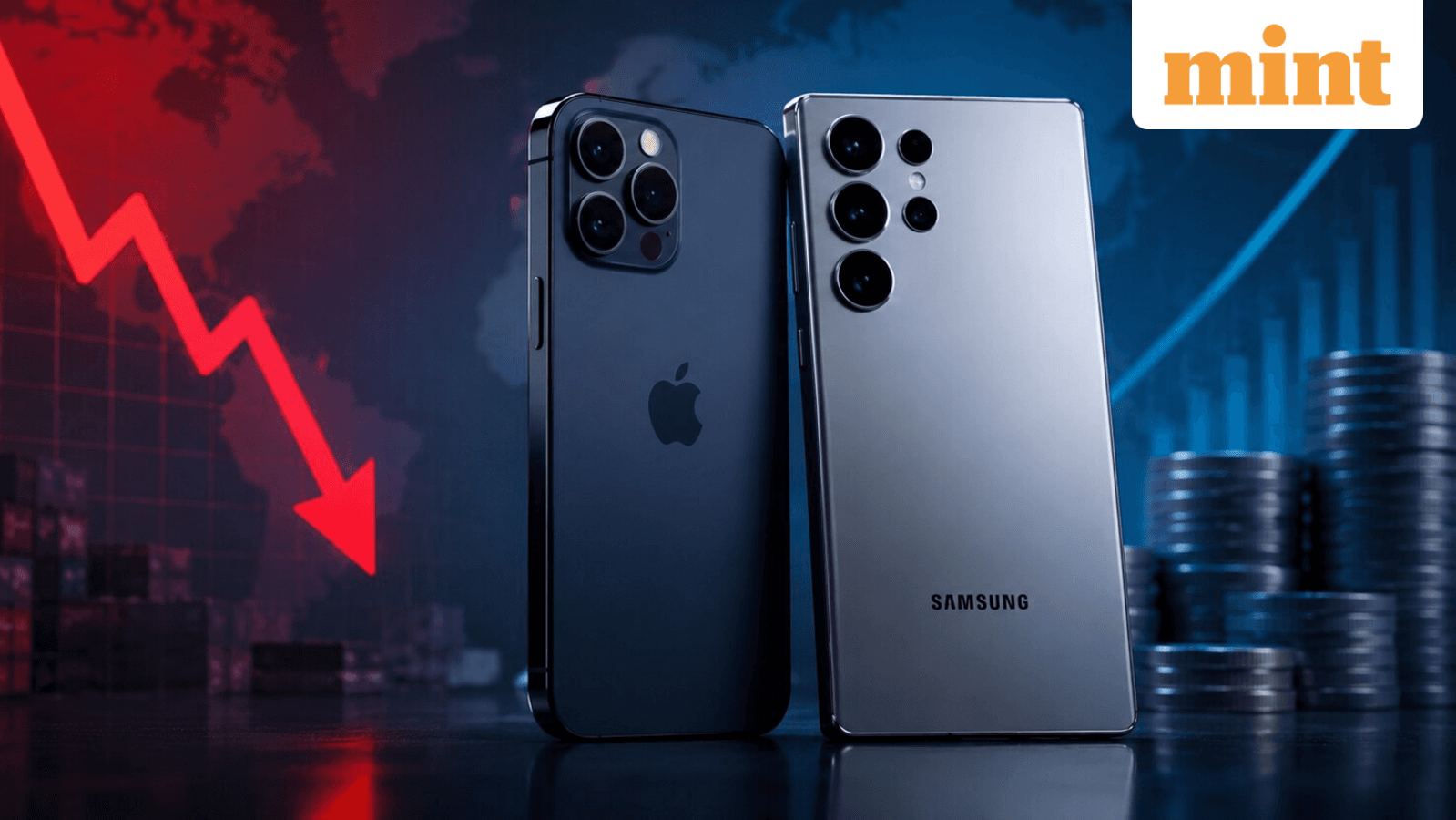
Key Takeaways
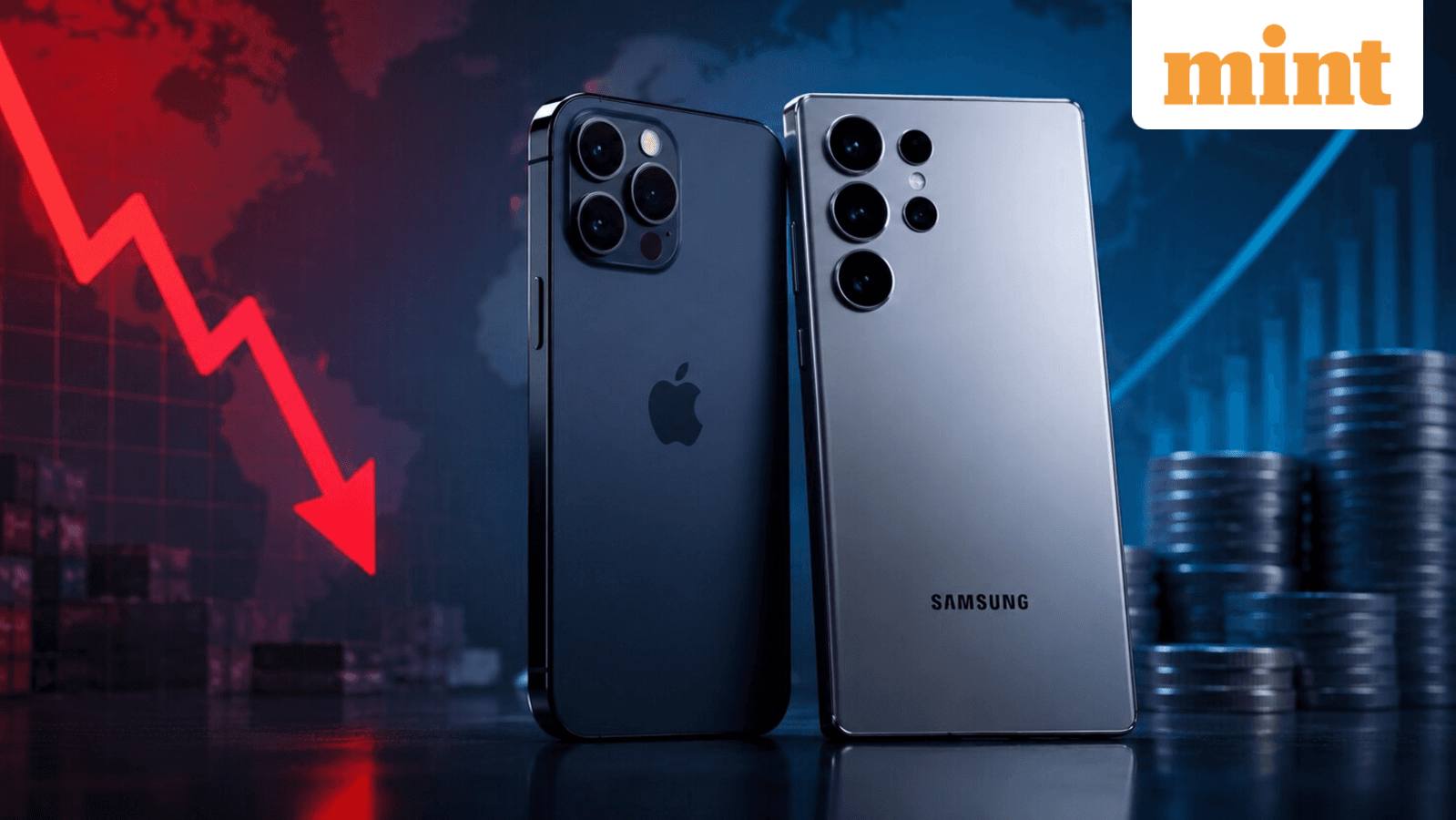
- Global smartphone shipments will fall 13.9% to 1.09 billion units in 2026, the worst annual decline ever recorded
- Average selling prices will hit a record $550, up $100 from 2025, as manufacturers abandon ultra-cheap devices
- Apple's iOS share will reach 22%, its highest ever, while Android shipments drop 20% year-over-year
The Numbers Behind the Collapse
The smartphone industry is heading toward its worst year on record. IDC's latest forecast predicts global shipments will fall 13.9% to 1.09 billion units in 2026. That would mark the steepest annual decline in smartphone history.
The average selling price of a smartphone will hit $550, roughly $100 higher than last year. That price jump reflects a fundamental shift in the market. Manufacturers can no longer afford to build and sell cheap phones.
“The deepening memory shortage crisis remains the dominant force behind the record 14% drop this year, but it is no longer the only one. The US-Iran war has added a fresh layer of cost pressure for smartphone OEMs, driven by rising oil prices and transportation costs.”
— Nabila Popal, IDC
Why Budget Phones Are Dying
Memory chip shortages remain the primary driver behind the slowdown. AI infrastructure is consuming vast quantities of the same memory silicon that smartphones need. Manufacturers face a simple choice: build fewer phones or raise prices. Most are doing both.
The U.S.-Iran conflict has compounded the problem. Higher oil prices translate directly into higher transportation and logistics costs. Combined with component shortages, these pressures are squeezing profit margins on budget devices to zero or below.
IDC's report is blunt: the era of ultra-cheap smartphones is over. The sub-$200 segment is shrinking fastest, and the sub-$100 category has become permanently uneconomical.
Emerging Markets Take the Biggest Hit
The collapse of budget phones will devastate regions that depend on them. Middle East and Africa shipments are expected to drop 23%. Central and Eastern Europe face a 19% decline. Asia Pacific markets, excluding Japan and China, will see shipments fall 14%.
- Middle East and Africa: 23% decline
- Central and Eastern Europe: 19% decline
- Asia Pacific (ex-Japan, China): 14% decline
These regions historically relied on sub-$200 devices to drive smartphone adoption. With that segment shrinking, millions of potential first-time buyers may be priced out of the market entirely.
How Samsung is managing its workforce amid the memory chip crunch
Winners: Apple and Samsung
Not everyone loses in a shrinking market. Apple has secured the memory supply it needs, and iPhone 17 demand is reportedly strong across developed markets. iOS will capture 22% of global share in 2026, its highest annual percentage ever.
“2026 will be a defining year for Apple. In a year when the broader smartphone market will record its steepest decline in history, iOS will deliver its highest annual share ever, at 22%.”
— Francisco Jeronimo, IDC
Samsung is also positioned to gain. Despite Android shipments falling 20% year-over-year, Samsung's stronger premium and mid-range lineup should help it capture share from struggling competitors. Smaller Android brands focused on budget devices face the biggest challenges over the next 18 months.
Foldables: A Rare Bright Spot
Foldable smartphones are expected to remain one of the few growth categories in 2026. As the market shifts toward premium devices, foldables become relatively more attractive. They already command high prices, so manufacturers can absorb component cost increases more easily than with budget devices.
What Happens to Budget Buyers?
Online communities are already debating the implications. On Reddit's r/gadgets, users express frustration that entry-level devices are becoming luxury items. Some argue that refurbished and second-hand markets will surge to fill the gap.
On Hacker News, the discussion focuses on whether the memory shortage is temporary or permanent. If AI continues consuming an outsized share of memory production, cheap smartphones may never return.
Logicity's Take
The 18-Month Outlook
IDC warns that smaller Android brands face an existential threat. Higher memory and NAND costs will continue squeezing margins through 2027. Brands without the scale to negotiate favorable component contracts or the brand strength to command premium prices may not survive.
The market concentration this implies is significant. Fewer competitors means less price pressure at the high end. Consumers may face a future where smartphones cost more but choices are fewer.
Frequently Asked Questions
Why are smartphone shipments declining in 2026?
Memory chip shortages are the primary cause. AI infrastructure is consuming memory silicon that would otherwise go to smartphones. The U.S.-Iran conflict has added higher oil and transportation costs.
How much will smartphones cost in 2026?
The average selling price will hit a record $550, up from approximately $450 in 2025. Budget devices under $200 are becoming increasingly rare.
Which phone brands will benefit from the market decline?
Apple and Samsung are positioned to gain market share. Apple has secured memory supply and will reach 22% global share. Samsung's premium lineup insulates it from budget-segment collapse.
Which regions are most affected by the smartphone decline?
Emerging markets face the steepest drops. Middle East and Africa will see 23% declines, Central and Eastern Europe 19%, and Asia Pacific (excluding Japan and China) 14%.
Are foldable phones affected by the market decline?
No. Foldables are one of the rare growth categories in 2026. Their premium pricing makes them more resilient to component cost increases.
Need Help Implementing This?
Source: mint / Aman Gupta
Huma Shazia
Senior AI & Tech Writer
Produced with AI assistance and reviewed by the Logicity editorial team. Learn more in our Editorial Policy.