Key Takeaways
- Artemis III launches in 2027 as an Earth-orbit test flight, not a lunar landing mission
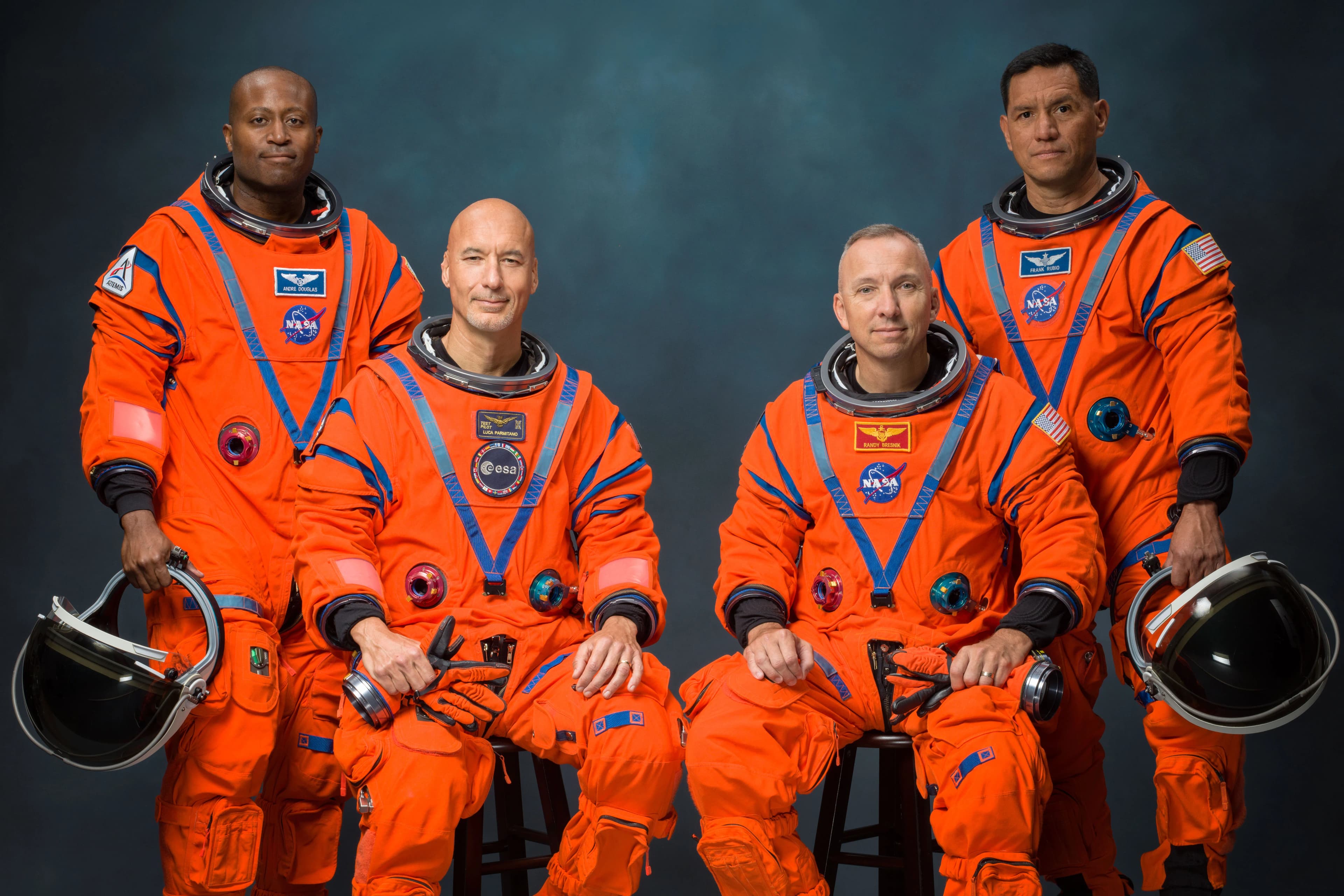
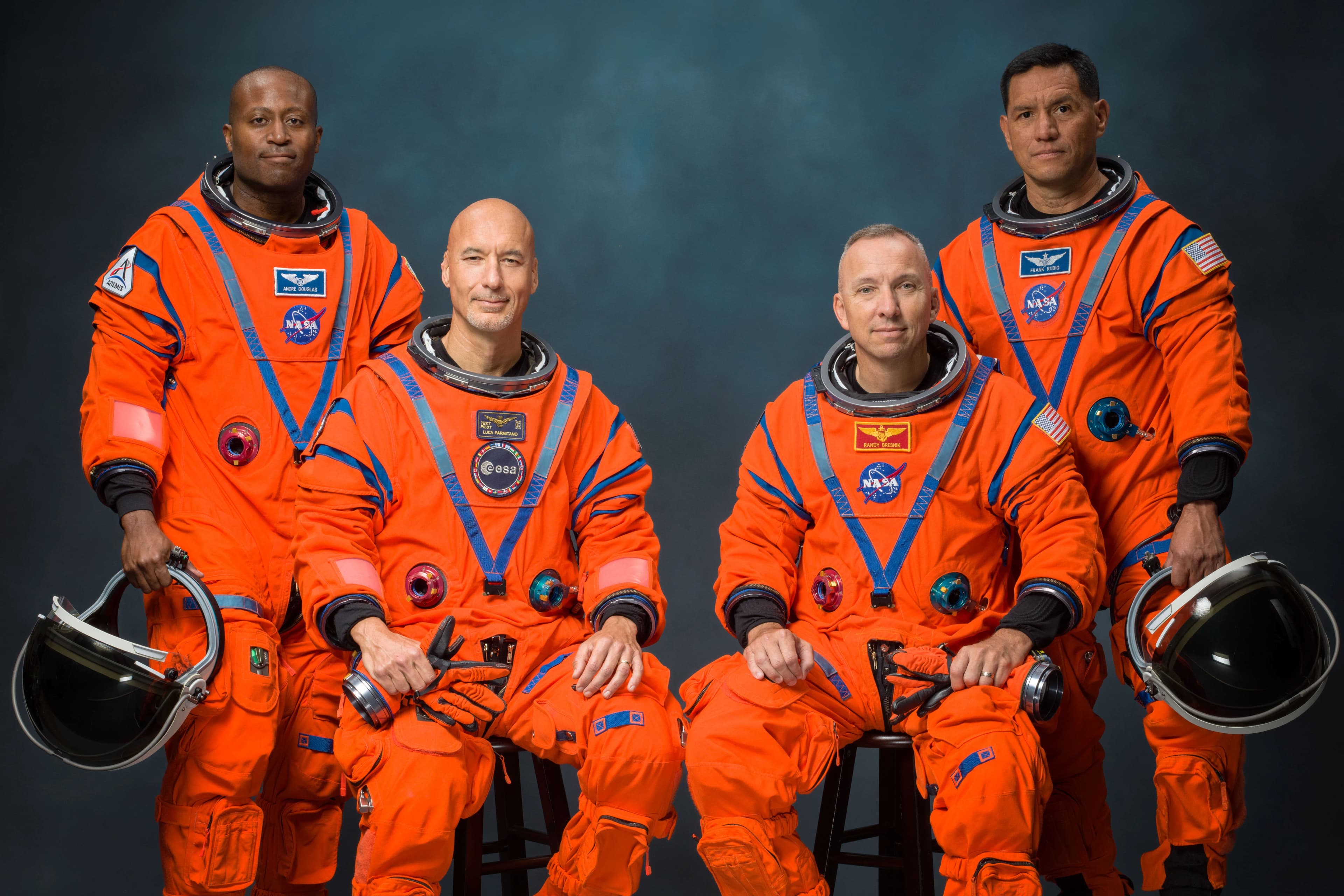
- Four astronauts selected: Randy Bresnik (commander), Luca Parmitano (pilot), Andre Douglas and Frank Rubio (mission specialists)
- The mission tests docking with SpaceX and Blue Origin lunar landers before Artemis IV attempts the actual Moon landing in 2028
NASA named the four astronauts who will fly the Artemis III mission in 2027. The crew will test critical docking systems with commercial lunar landers in Earth orbit, a step the agency says is essential before attempting a crewed Moon landing.
The announcement marks a significant shift for Artemis III. Originally planned as a lunar landing mission, it has been restructured into an Earth-orbit test flight. The actual return to the Moon's surface now falls to Artemis IV, scheduled for 2028.
The Crew
Randy Bresnik, a veteran NASA astronaut, will command the mission. ESA astronaut Luca Parmitano serves as pilot, making this an international crew. Andre Douglas and Frank Rubio round out the team as mission specialists.
Rubio brings hard-won experience. He spent 371 days aboard the International Space Station, the longest single spaceflight by a U.S. astronaut. That record came unplanned, after a Soyuz coolant leak stranded him in orbit for months beyond his scheduled return.
NASA also named Bob Hines as a backup crew member. Training begins immediately on Orion spacecraft systems and the commercial landers being developed by SpaceX and Blue Origin.
What Artemis III Will Actually Do
The SLS rocket will launch Orion and its crew from Kennedy Space Center into low Earth orbit. After system checks, the spacecraft will demonstrate rendezvous and docking with test versions of one or both commercial lunar landers.
NASA describes the mission as "carefully choreographed," involving multiple launches of heavy-lift rockets. The agency will test integrated equipment between Orion and the landers, including propulsion systems, software, and communications interfaces.
“This mission is the bridge we need to build before we can safely plant our boots back on the lunar surface. We are testing the systems that will ultimately take us to stay.”
— Randy Bresnik, Artemis III Commander
NASA Administrator Jared Isaacman framed the mission as building on Artemis II's achievements. "Artemis III will demonstrate the power of American innovation and international collaboration while we test complex rendezvous and docking operations," Isaacman said.
Why the Mission Changed
The restructuring reflects a risk-reduction strategy. By testing docking systems in Earth orbit first, NASA can identify and fix problems before committing to a lunar landing. The approach adds time but reduces the chance of a high-profile failure on a Moon mission.
Both SpaceX's Starship HLS and Blue Origin's Blue Moon lander are still in development. An orbital test gives both companies more time while generating real data about how their systems work with Orion.
Mixed Reactions
Online discussion is split. Many space enthusiasts welcomed Rubio's return to flight after his grueling extended mission. Others expressed frustration at what they called "goalpost shifting," noting that Artemis III was originally supposed to land humans on the Moon.
The timeline has slipped repeatedly since NASA first announced Artemis. A 2024 lunar landing target became 2025, then 2026, then 2027 for the now-restructured orbital test. The actual landing is now penciled in for 2028.
Logicity's Take
Frequently Asked Questions
When is Artemis III launching?
NASA targets 2027 for Artemis III, which is now an Earth-orbit test mission rather than a lunar landing.
Who are the Artemis III astronauts?
Randy Bresnik (commander), Luca Parmitano (pilot), Andre Douglas (mission specialist), and Frank Rubio (mission specialist). Bob Hines is the backup crew member.
Will Artemis III land on the Moon?
No. The mission was restructured to test docking with commercial lunar landers in Earth orbit. Artemis IV, planned for 2028, is now the first crewed lunar landing mission.
What companies are building the lunar landers?
SpaceX and Blue Origin are developing commercial human landing systems. Artemis III will test docking with one or both in Earth orbit.
How long did Frank Rubio spend in space?
Rubio spent 371 days on the International Space Station, a U.S. record for the longest single spaceflight.
Need Help Implementing This?
Source: NASA
Additional Crew and Mission Details
The new article introduces the appointment of NASA astronaut Bob Hines as a backup crew member, which was not mentioned in the original report. Additionally, it provides specific details regarding the launch site (Kennedy Space Center) and elaborates on the technical scope of the mission, specifically the multi-launch campaign and the crew's immediate role in assisting the development of the commercial lander test versions.
Manaal Khan
Tech & Innovation Writer
Produced with AI assistance and reviewed by the Logicity editorial team. Learn more in our Editorial Policy.