Key Takeaways
- Jessica Meir captured rare snake-like auroras from a SpaceX Dragon capsule during an ISS emergency shelter-in-place
- The Crew-12 astronauts sheltered while cosmonauts attempted to fix an ongoing air leak in the Russian Zvezda module
- The aurora display was caused by recent solar activity, creating unusually vivid and dynamic light patterns
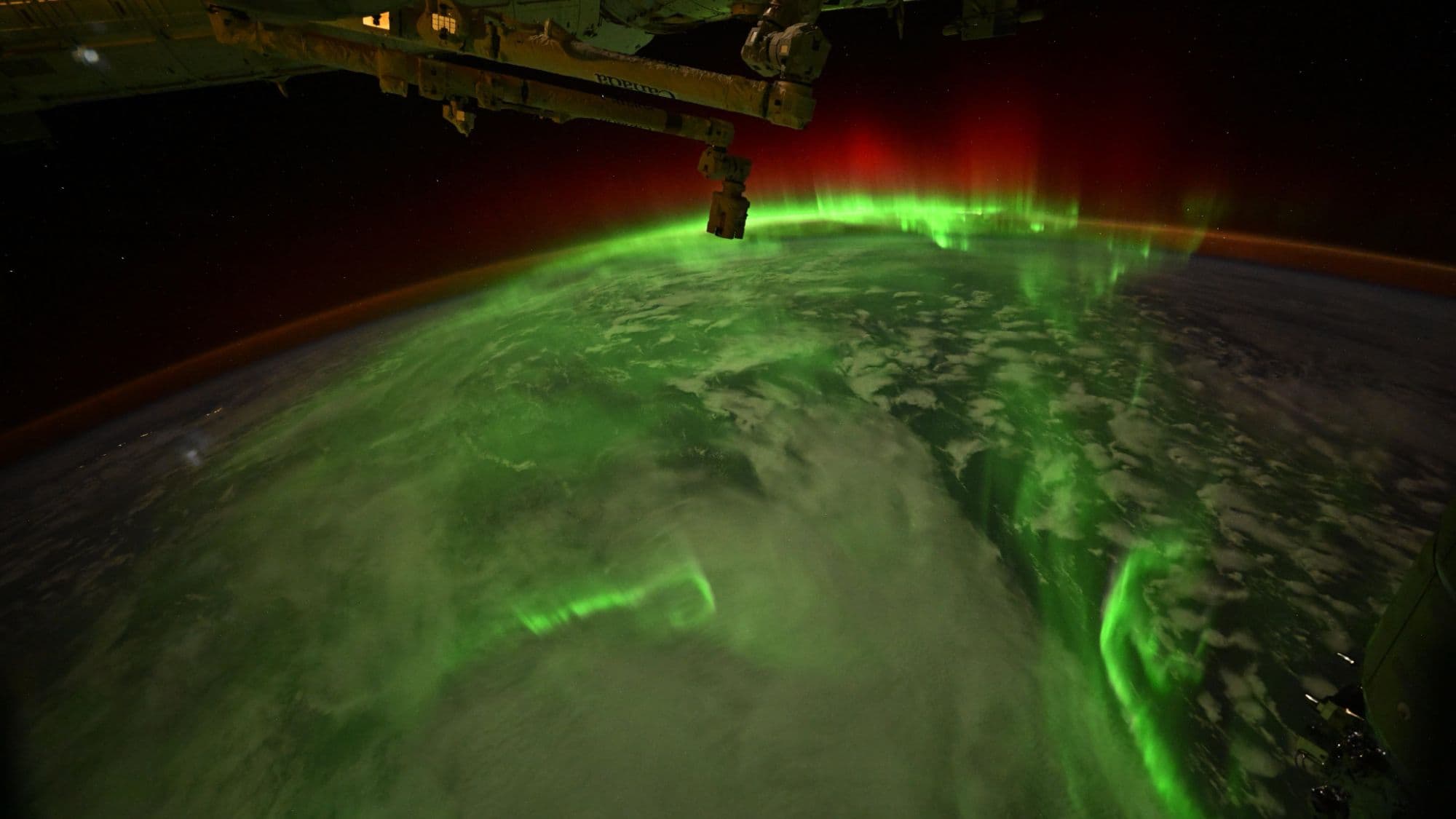
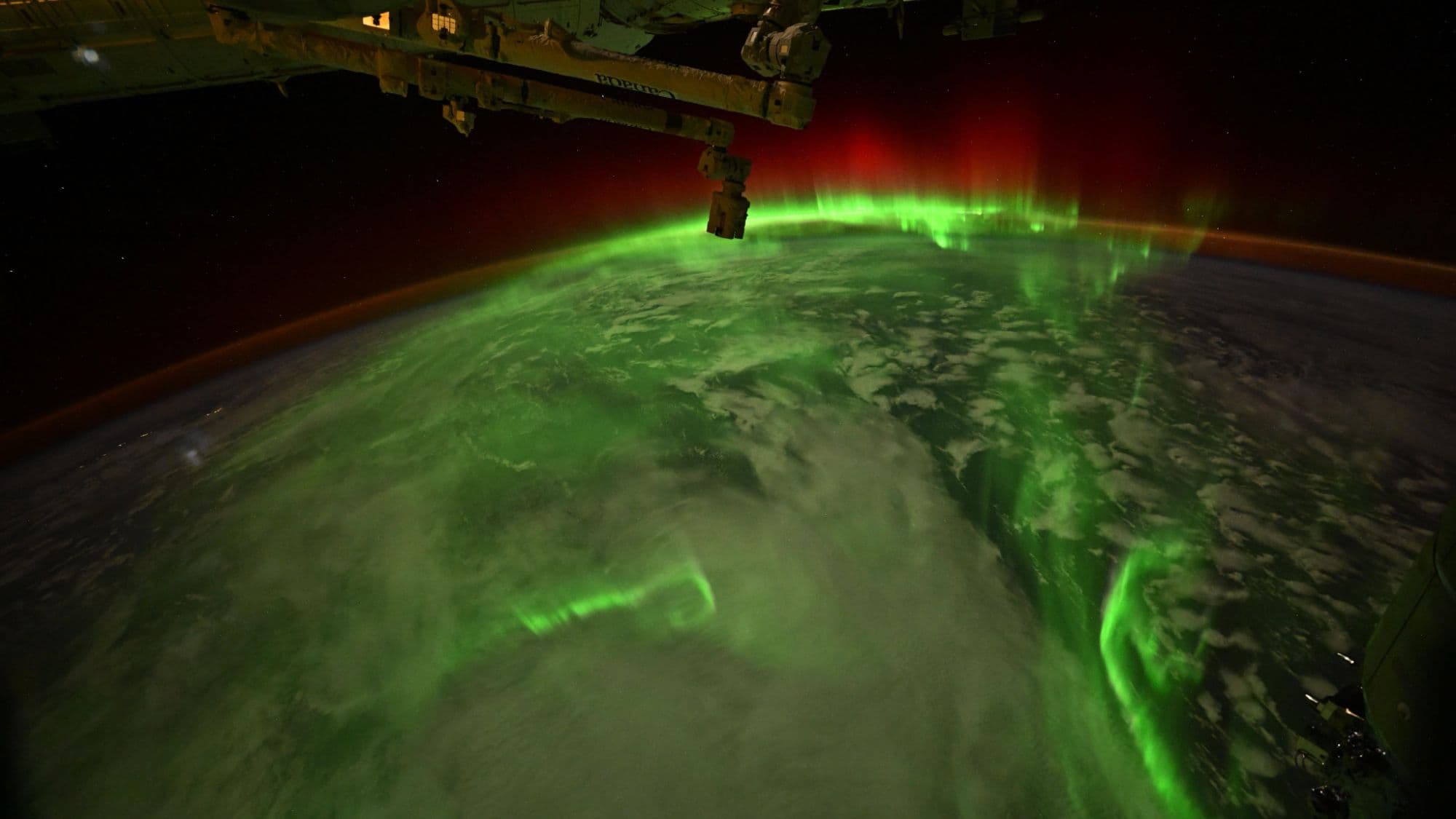
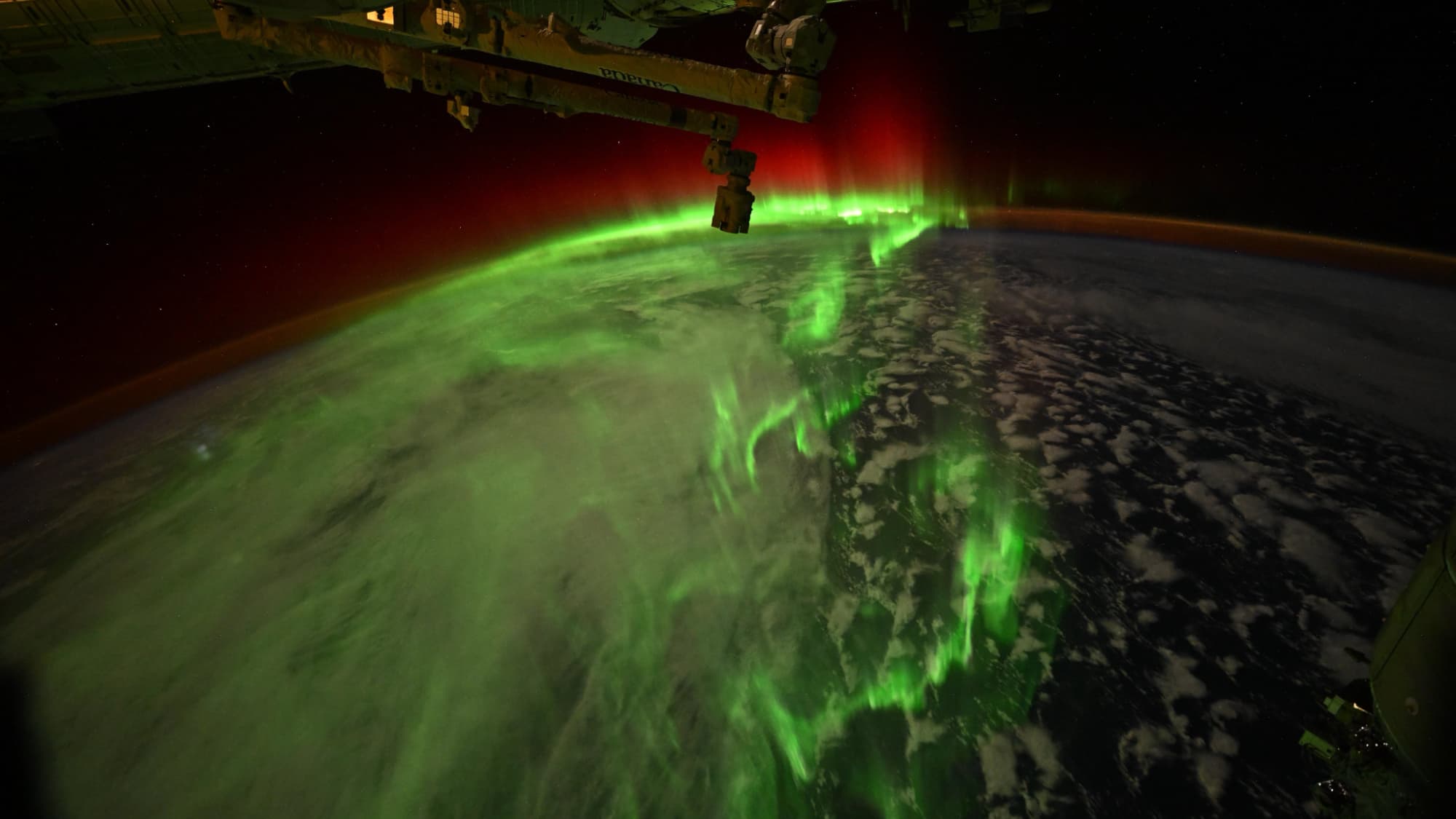
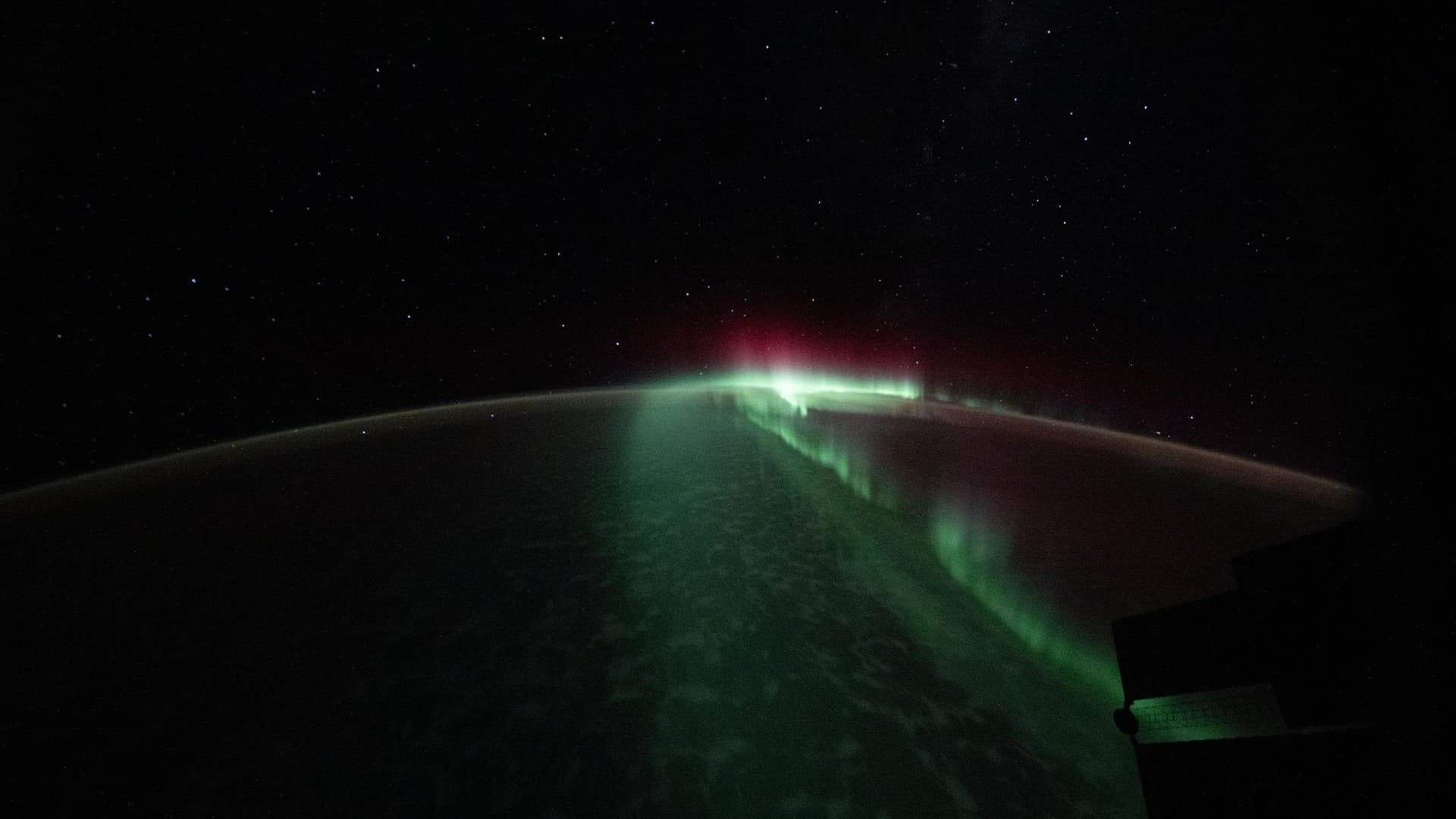
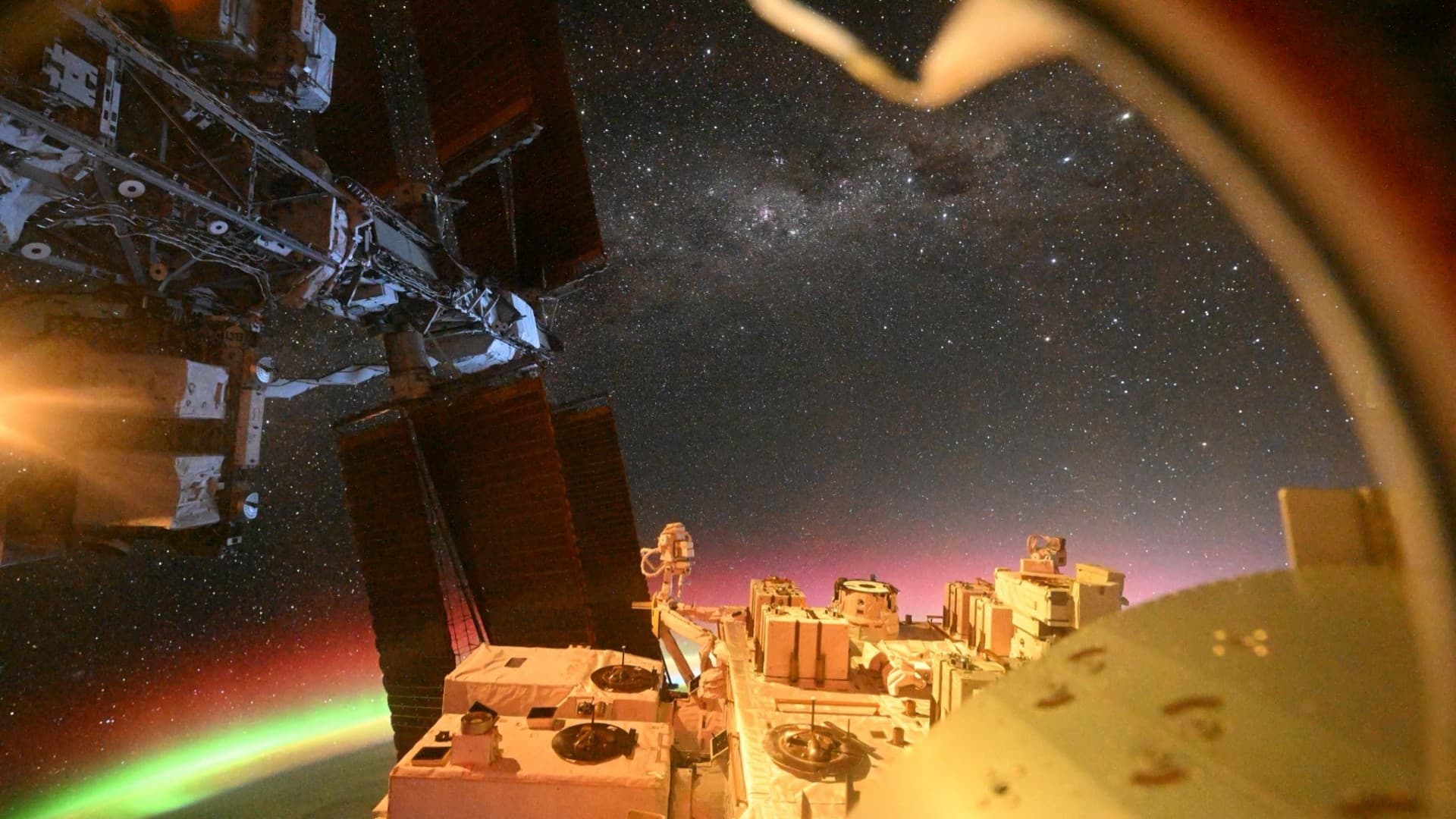
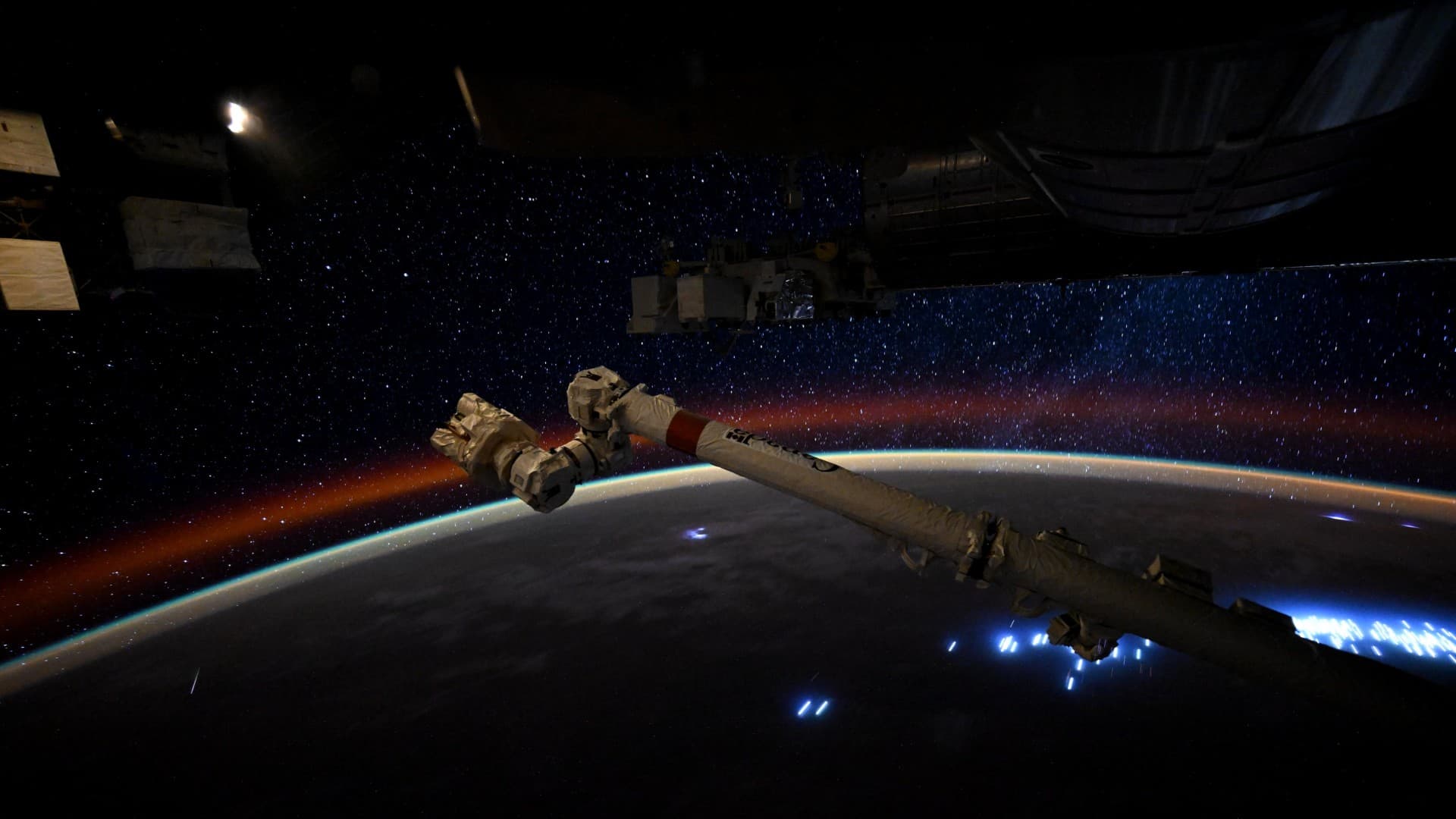
NASA astronaut Jessica Meir turned a tense situation into a moment of wonder on June 6, 2026. While sheltering in a SpaceX Dragon capsule during an emergency air leak repair on the International Space Station, she captured images of snake-like auroras dancing over Earth.
The photos and video show brilliant green and red lights weaving across the southern hemisphere. Unlike typical aurora displays that appear as curtains or bands, these lights moved in serpentine patterns directly beneath the station.
“As opposed to the previous aurora I've seen, this one danced and snaked its way directly below us, putting on quite a show.”
— Jessica Meir, NASA Astronaut
Why the Crew Was Sheltering
On Friday, June 5, the four Crew-12 astronauts received orders to take shelter in the SpaceX Crew Dragon that had carried them to the station. This was not a drill. Cosmonauts Sergey Kud-Sverchkov and Sergei Mikaev were conducting a spacewalk to address an escalating air leak in the Russian segment of the ISS.
The leak originates from cracks in the PrK transfer tunnel, which connects to the Russian Zvezda service module. This has been a persistent problem that Russia's space agency Roscosmos has managed through periodic repairs. But recently, the leak worsened enough to warrant extra precautions.
NASA spokesperson Bethany Stevens said the crew sheltered "out of an abundance of caution" while the cosmonauts worked outside the station. The Dragon capsule serves as a lifeboat, capable of detaching and returning the crew to Earth if conditions become unsafe.
What Made This Aurora Special
Auroras occur when charged particles from the sun collide with gases in Earth's atmosphere. Recent solar activity had sent a burst of these particles toward Earth, creating conditions for an unusually vibrant display.
Meir noted that this aurora behaved differently from others she had witnessed in orbit. Rather than forming the typical curtain-like shapes, the lights twisted and moved in snake-like patterns. She shared both still images and a timelapse video showing the lights in motion.
"There is a lot going on right now on the @Space_Station, but fortunately we are all safe and witnessed a spectacular southern aurora show yesterday thanks to a recent solar event," Meir wrote on X.
The Ongoing ISS Leak Problem
The Russian segment of the ISS has struggled with air leaks for years. The cracks in the PrK transfer tunnel have been a known issue, requiring repeated patches and repairs. While the station maintains enough atmosphere to compensate for minor losses, the recent escalation prompted more serious intervention.
The ISS was losing about 2 pounds of air daily from the affected module before the repair attempt. This rate, while manageable in the short term, represented a significant degradation that needed addressing.
The spacewalk repair was one of several attempts to slow or stop the leak. Whether this fix holds remains to be seen, but the crew emerged from their shelter safely after the cosmonauts completed their work.
A Surreal Contrast
The images sparked discussion online about the strange juxtaposition of the moment. On Reddit's r/space and r/ISS communities, users debated the severity of the Russian segment's aging infrastructure while marveling at the beauty Meir captured.
Many commenters called the situation "surreal." The crew was following emergency protocols, confined to their return vehicle, unable to know if they might need to evacuate. And yet, outside their windows, one of nature's most spectacular displays was unfolding.
Meir's decision to document the auroras turned a stressful wait into a record of something extraordinary. Her images remind us that space exploration involves both risk and wonder, often at the same time.


Logicity's Take
Frequently Asked Questions
Why did the ISS astronauts shelter in the SpaceX Dragon?
The Crew-12 astronauts sheltered as a precaution while cosmonauts conducted a spacewalk to repair an air leak in the Russian Zvezda module. The Dragon serves as an escape vehicle if conditions become unsafe.
What caused the snake-like auroras?
Recent solar activity sent charged particles toward Earth, creating unusually vivid and dynamic aurora displays. The particles interact with atmospheric gases, producing the characteristic green and red lights.
How serious is the ISS air leak?
The leak in the PrK transfer tunnel has been an ongoing issue, with the station losing about 2 pounds of air daily from the affected module. While manageable short-term, it requires periodic repairs.
Can you see auroras from the ISS?
Yes. The ISS orbits at about 400 kilometers altitude, which places it at or near the altitude where auroras form. Astronauts often photograph auroras from above, looking down at the glowing lights over Earth's surface.
More on SpaceX's expanding space infrastructure ambitions
Need Help Implementing This?
Source: Latest from Space.com
Huma Shazia
Senior AI & Tech Writer
Produced with AI assistance and reviewed by the Logicity editorial team. Learn more in our Editorial Policy.