Key Takeaways
- The new moon occurs at 4:01 p.m. EDT on May 16, 2026, creating dark skies ideal for stargazing
- Venus and Jupiter are visible in the western sky at sunset, while Saturn and Mars appear before dawn in the east
- The constellation Leo is prominently visible in the southwestern sky after sunset
Dark Skies Return on May 16
The May new moon arrives on May 16, 2026 at 4:01 p.m. EDT (2001 GMT). This means the nights surrounding that date will be exceptionally dark, with no moonlight washing out faint celestial objects.
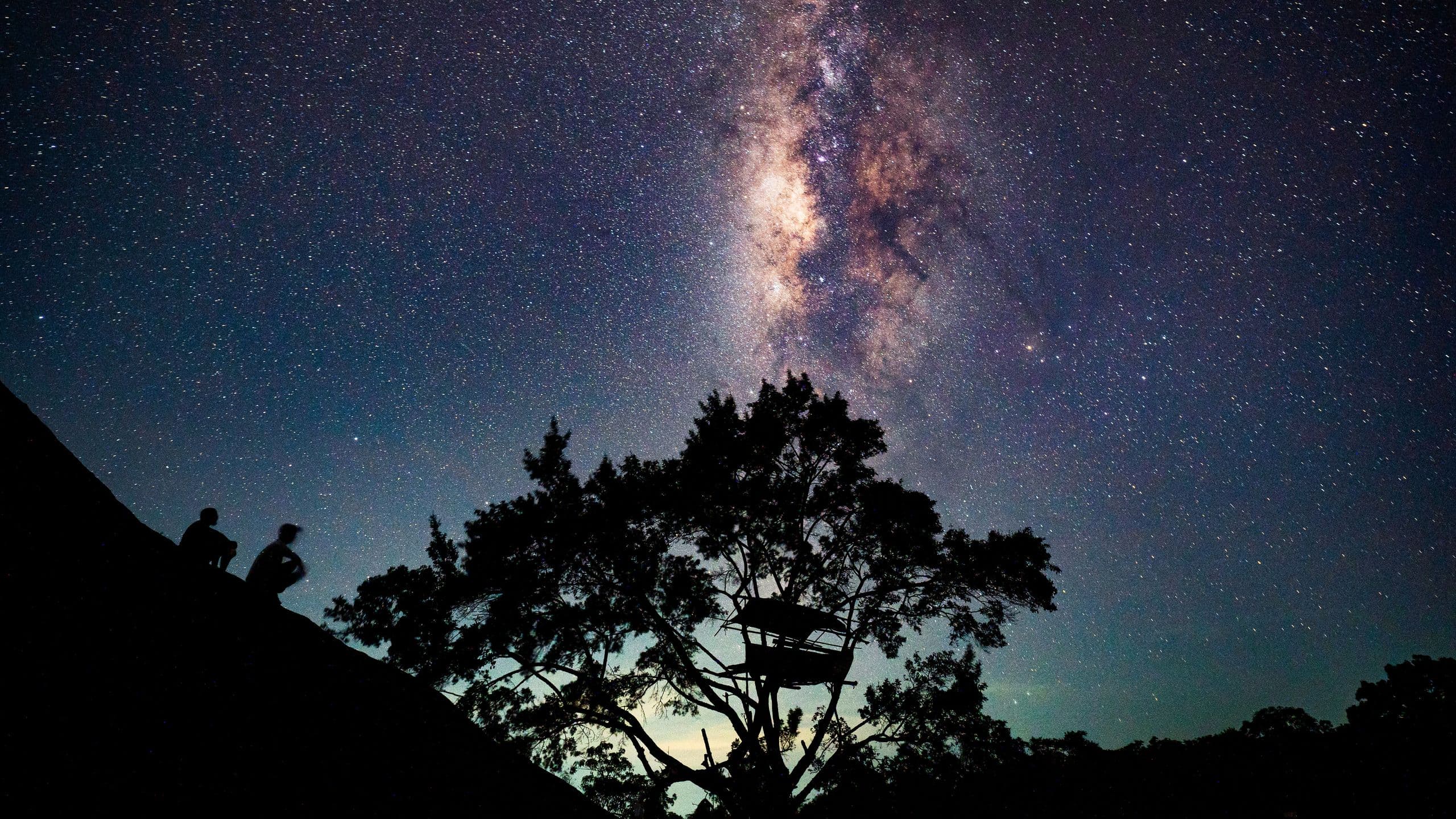
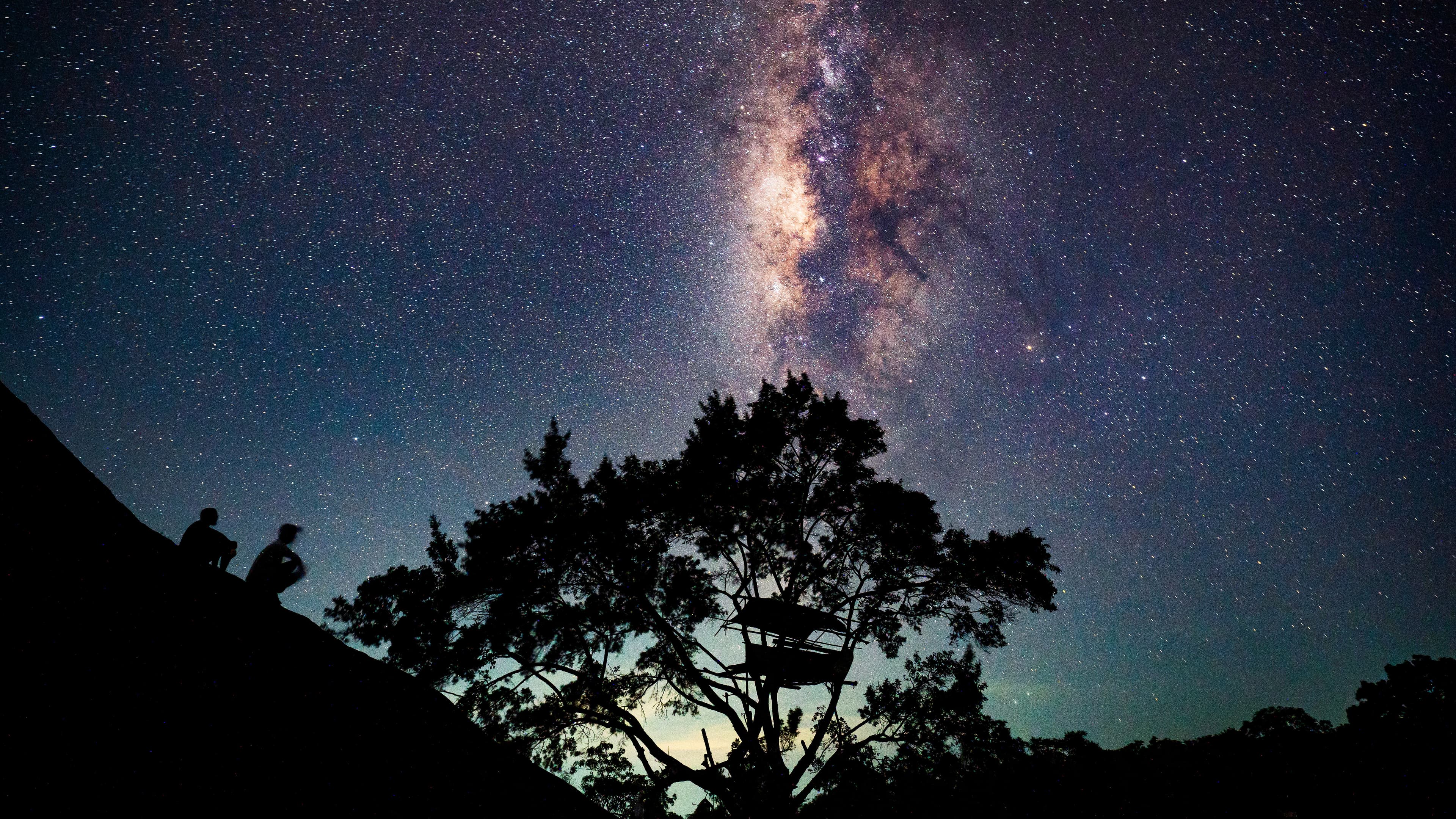
For anyone interested in astronomy, these moonless nights are prime time. The Milky Way stretches across the sky in full glory. Faint nebulas and distant galaxies become visible to patient observers. Even casual stargazers will notice more stars than usual.
Evening Planets: Venus and Jupiter
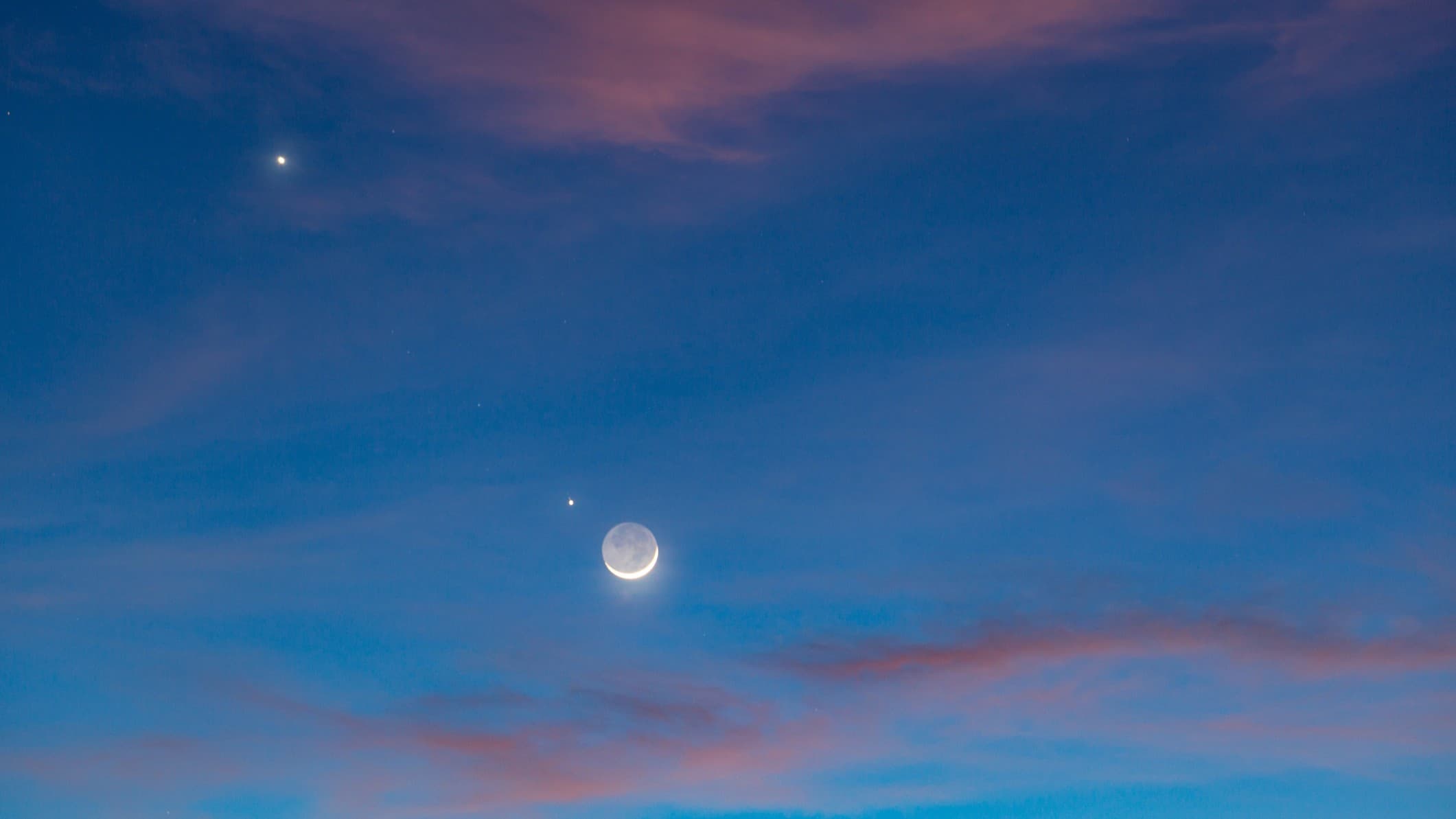
Look west at sunset to spot Venus shining as a bright evening star. It sits about 20 degrees above the horizon, roughly the width of two clenched fists held at arm's length.
Jupiter glows another 20 degrees to the upper left of Venus. Above both planets, the twin stars Castor and Pollux mark the constellation Gemini.

A pair of 10x50 binoculars turns Jupiter into a mini solar system. You can spot its four largest moons: Io, Europa, Ganymede, and Callisto. These are the Galilean Moons, named for Galileo Galilei who discovered them over 400 years ago. They appear as tiny star-like points arranged in a line around the gas giant.
Morning Planets: Saturn and Mars
Early risers get a different show. Saturn shines above the eastern horizon in the hour before dawn. Mars rises to its lower left, chased by the golden light of the coming sun.
Both planets will sit less than 20 degrees above the horizon at sunrise. Find a spot with an unobstructed view to the east. Trees, buildings, or hills will block your view of this planetary duo before they disappear in the sun's glare.
The Constellation Leo: A Lion in the Sky
May's dark skies make it easy to trace the spring constellations. The most striking is Leo, the great lion. It dominates the southwestern sky after sunset.
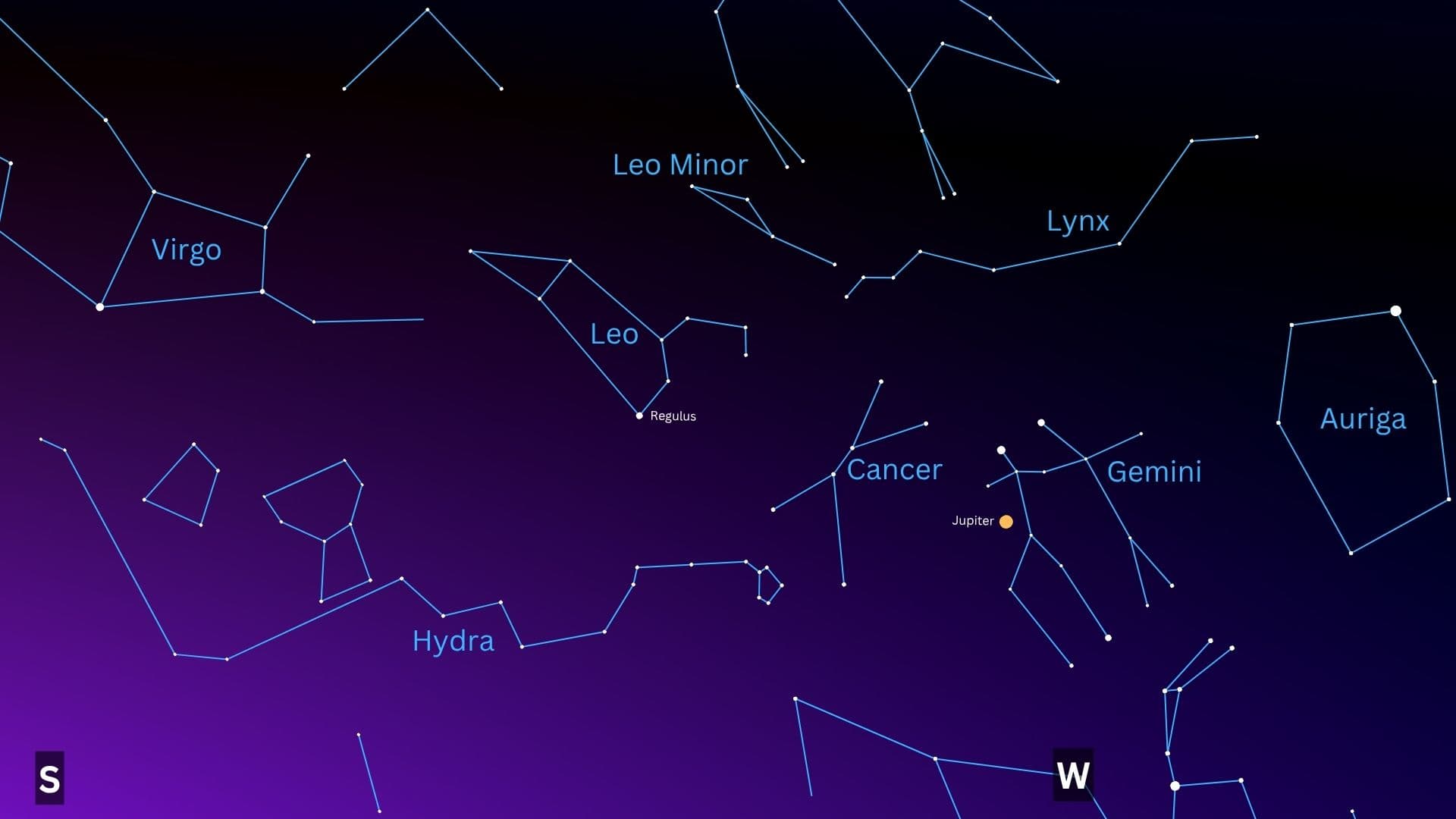
Look for a sickle-shaped pattern of stars that represents the lion's mane and chest. The bright star Regulus marks the lowest point of this curve. The second-century Greek philosopher Ptolemy catalogued Leo almost 2,000 years ago. He saw in it the Nemean Lion from the legend of Heracles. Slaying this beast was the first of the hero's 12 labors.
Viewing the Milky Way
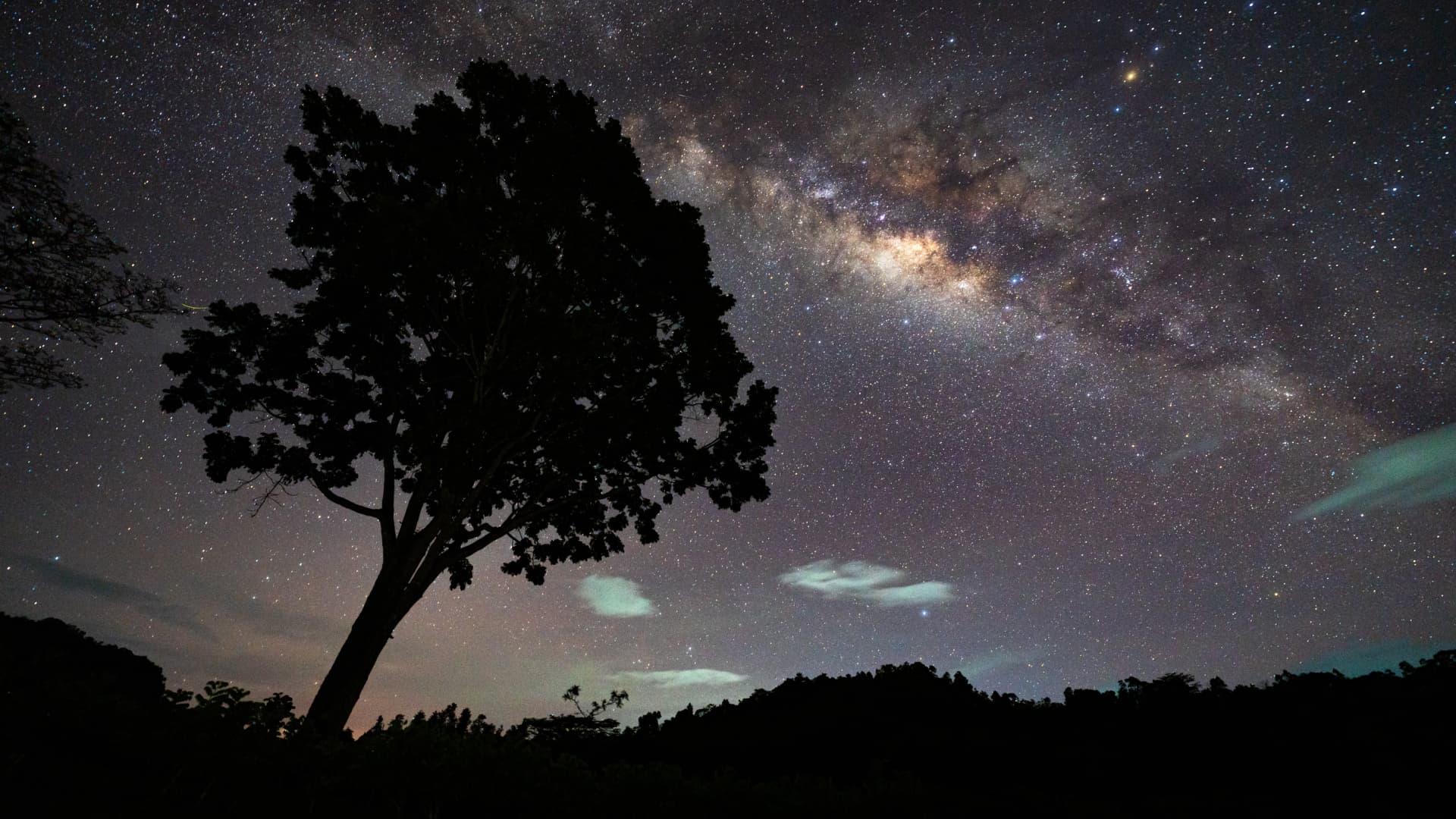
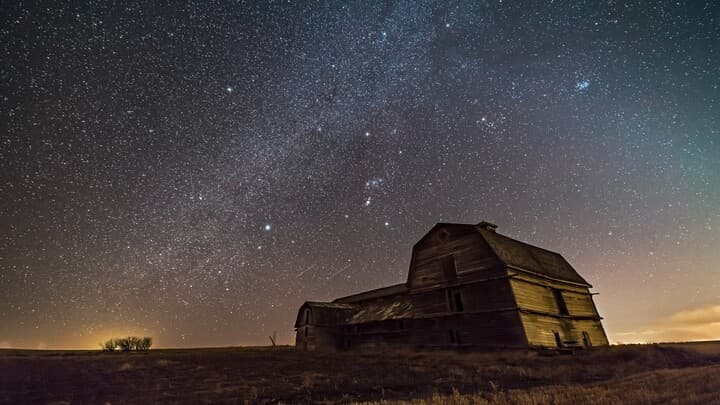
The new moon period is your best chance to see the Milky Way's glowing band. From a dark location away from city lights, it stretches overhead as a river of stars. Late May nights place the galactic core, the brightest part of the Milky Way, in good viewing position after midnight.
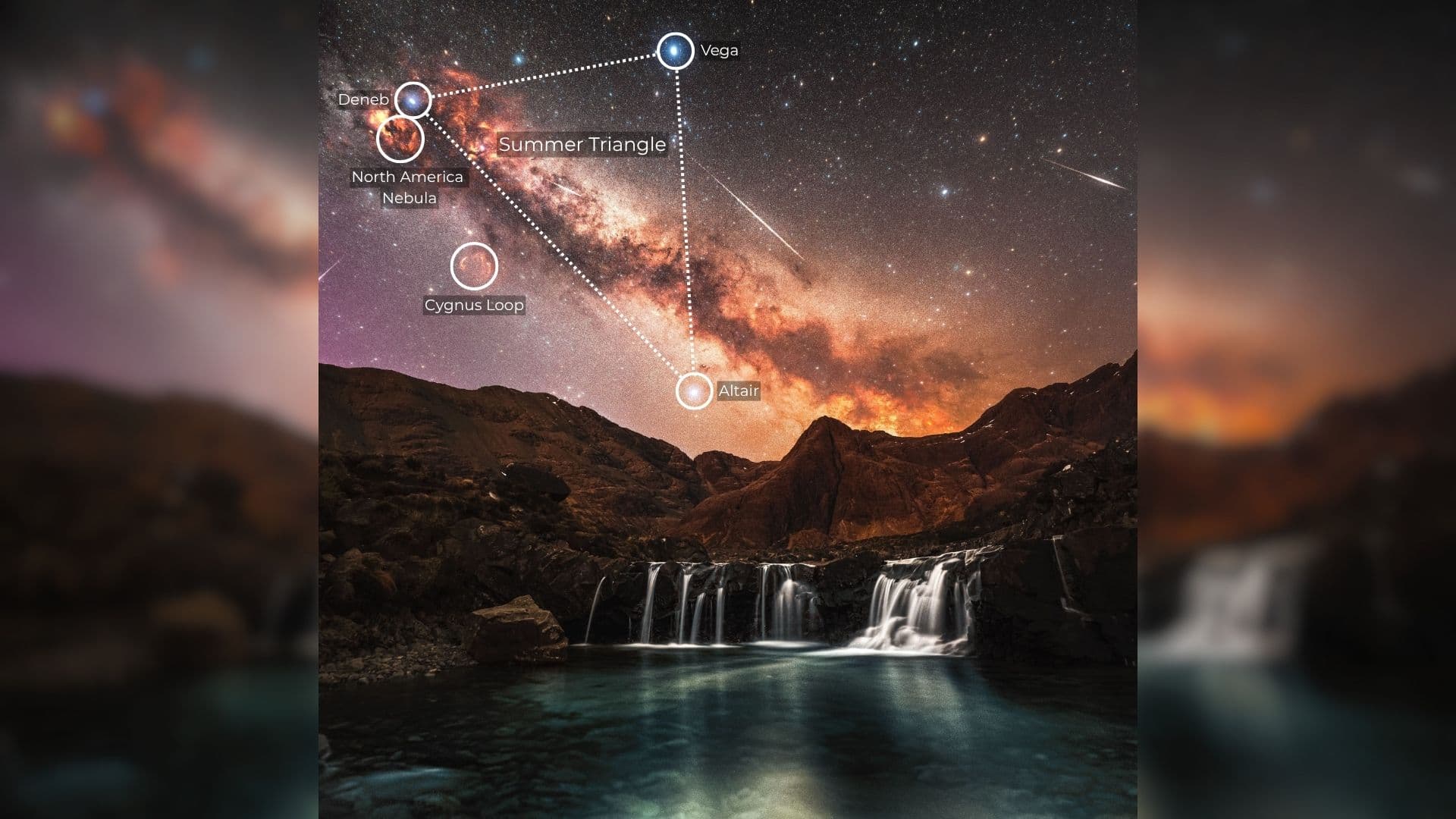
Light pollution is the biggest enemy of Milky Way observation. Even a small town's glow can wash it out. Drive 30 minutes from urban areas if possible. Your eyes need about 20 minutes to fully adapt to darkness, so be patient.
Logicity's Take
What You Need to Get Started
- A dark location away from streetlights and city glow
- Clear skies with no cloud cover
- Warm clothing, as May nights can still be cool
- A red flashlight to preserve night vision
- Binoculars for closer views of Jupiter's moons
You don't need a telescope to enjoy this viewing window. Your eyes alone can take in the Milky Way, the planets, and Leo. Binoculars add detail to Jupiter and let you scan star clusters. Give yourself at least an hour outside to let your eyes fully adapt and to watch the sky slowly rotate as Earth turns.
Frequently Asked Questions
What time is the new moon in May 2026?
The new moon phase occurs at 4:01 p.m. EDT (2001 GMT) on May 16, 2026.
Which planets are visible during the May 2026 new moon?
Venus and Jupiter are visible in the western sky at sunset. Saturn and Mars appear above the eastern horizon in the hour before dawn.
How can I see Jupiter's moons without a telescope?
A pair of 10x50 binoculars will reveal Jupiter's four largest moons, Io, Europa, Ganymede, and Callisto, as tiny points of light near the planet.
What constellation is best to look for in May?
Leo the lion is prominent in the southwestern sky after sunset. Look for a sickle-shaped pattern of stars with the bright star Regulus at its base.
Do I need special equipment to see the Milky Way?
No equipment is needed. Find a dark location away from city lights, let your eyes adjust for 20 minutes, and look up. The Milky Way appears as a glowing band stretching across the sky.
Need Help Implementing This?
Source: Latest from Space.com
Huma Shazia
Senior AI & Tech Writer
Produced with AI assistance and reviewed by the Logicity editorial team. Learn more in our Editorial Policy.