Key Takeaways
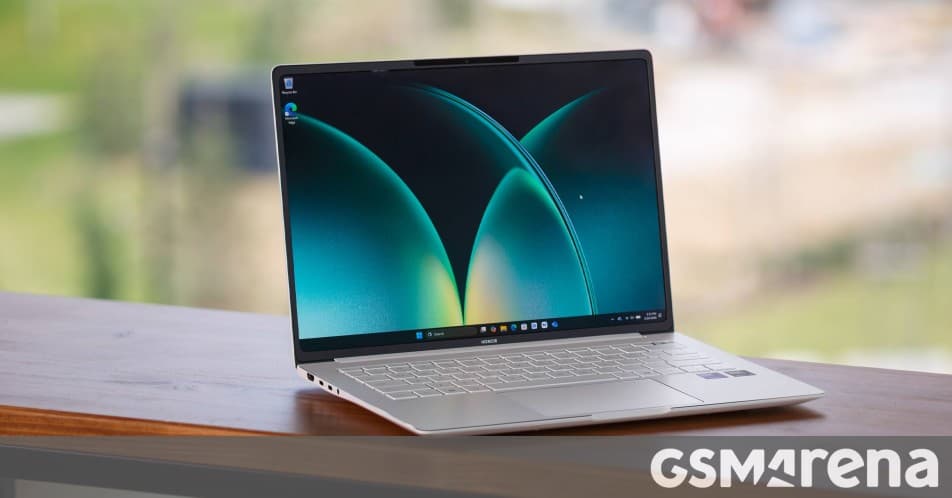
- 14.6-inch 3K OLED touchscreen with 120Hz refresh rate and 3:2 aspect ratio
- Intel Core Ultra 5 338H with 32GB RAM and 1TB storage in the review unit
- Currently available only in China, France, and the Middle East
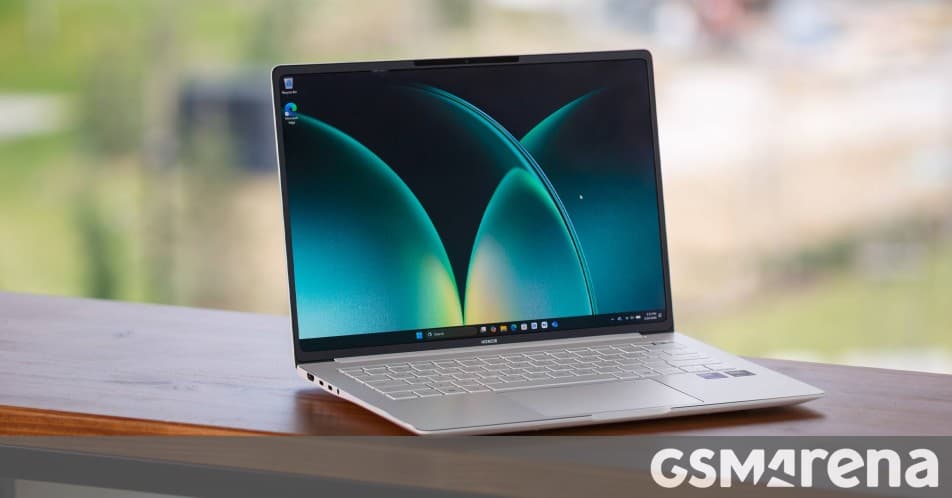
Honor's MagicBook Pro line has built a reputation for putting high-end displays in lightweight chassis. The 2026 Pro model continues that tradition with a 14.6-inch 3K OLED touchscreen, Intel's latest Core Ultra processors, and a design that undercuts the MacBook Pro on weight.
The problem? Finding one to buy. Honor has limited the 2026 MagicBook Pro 14 to China, France, and the Middle East at launch. No word yet on broader availability.
Specifications at a Glance
The review unit GSMArena tested came with an Intel Core Ultra 5 338H processor, 32GB of RAM, and 1TB of storage. Other configurations include the Core Ultra 5 336H or the higher-end Ultra X9 388H, with RAM options at 24GB or 32GB. All models ship with 1TB storage.
The display is a 14.6-inch OLED panel running at 3120x2080 pixels. That's a 3:2 aspect ratio, the same productivity-focused shape Honor has used in previous generations. Refresh rate maxes out at 120Hz, and the screen supports touch input.
Power comes from a 92Wh battery. The whole package weighs 1.39kg, which is lighter than both the 14-inch MacBook Pro and 15-inch MacBook Air (both around 1.5kg).
Design: Familiar but Refined
Honor kept the same design language from the previous MagicBook Pro and Art models. The all-metal unibody construction features a vine-leaf edge on the bottom deck. It's wider at the back where the ports sit and slims toward the front.
The review unit came in White with what Honor calls a Pearlescent Electrophoresis Process. It's a satin, glossy finish with a pearlescent quality. Starry Grey is also available.
One trade-off compared to the Art models: weight. The MagicBook Art weighs just over 1kg. The Pro model adds nearly 400 grams despite looking almost identical. It's a noticeable difference in hand.
Port Selection: Good, With Some Quirks
Honor packed in a solid port selection, though the layout has some limitations.
On the left side: HDMI 2.1, one USB-C 3.2 (10Gbps), one Thunderbolt 4 USB-C 4.0 (40Gbps), and a 3.5mm headphone jack. Both USB-C ports support DisplayPort and Power Delivery.
On the right side: two USB-A 3.2 Gen 1 ports (5Gbps).
The asymmetric layout means you can only charge from the left side. There's no USB-C on the right, no USB-A on the left. Also worth noting: no Thunderbolt 5, though that's unlikely to affect most users.
✅ Pros
- • 3K OLED display with 120Hz refresh rate and 3:2 aspect ratio
- • Lighter than comparable MacBook Pro and Air models
- • Strong port selection including Thunderbolt 4 and HDMI 2.1
- • 92Wh battery in a 1.39kg chassis
- • All configurations include 1TB storage
❌ Cons
- • Only available in China, France, and the Middle East
- • No USB-C on right side limits charging flexibility
- • Nearly 400g heavier than the MagicBook Art despite similar design
- • No Thunderbolt 5 support
The Availability Problem
Honor has excellent hardware here. The display specs match or beat competitors. The port selection handles most workflows. The weight undercuts Apple's equivalent machines.
But none of that matters if you can't buy one. For readers in India, the US, UK, or most of Europe, the MagicBook Pro 14 (2026) isn't an option right now. Honor hasn't announced expansion plans.
Logicity's Take
Who Should Watch This Space
If you're in a region where the MagicBook Pro 14 (2026) is available, it's worth serious consideration. The 3:2 OLED display alone sets it apart from most Windows ultraportables. The weight advantage over MacBook Pro makes it attractive for frequent travelers.
For everyone else, this is one to track. Honor's hardware execution has been solid. The question is whether distribution ever catches up.
More on 2026 device launches and pricing
Frequently Asked Questions
What display does the Honor MagicBook Pro 14 (2026) have?
A 14.6-inch OLED touchscreen at 3120x2080 resolution with a 3:2 aspect ratio and 120Hz refresh rate.
What processors are available in the MagicBook Pro 14 (2026)?
Intel Core Ultra 5 336H, Core Ultra 5 338H, or the higher-end Ultra X9 388H, with 24GB or 32GB RAM options.
Where can you buy the Honor MagicBook Pro 14 (2026)?
Currently only in China, France, and the Middle East. No broader availability has been announced.
How heavy is the MagicBook Pro 14 (2026)?
1.39kg, which is lighter than the 14-inch MacBook Pro (around 1.5kg) but heavier than the MagicBook Art (just over 1kg).
Does the MagicBook Pro 14 (2026) support Thunderbolt 5?
No. It has Thunderbolt 4 (40Gbps) but not the newer Thunderbolt 5 standard.
Need Help Implementing This?
Source: GSMArena.com / Ivan
Huma Shazia
Senior AI & Tech Writer
Produced with AI assistance and reviewed by the Logicity editorial team. Learn more in our Editorial Policy.