Key Takeaways

- Google is in talks with SpaceX and other companies about launching orbital data centers equipped with AI chips
- Current launch costs of $2,700-$7,000 per kilogram remain far above Google's target of $200/kg for economic viability
- SpaceX has filed with the FCC to launch up to one million satellites for data centers
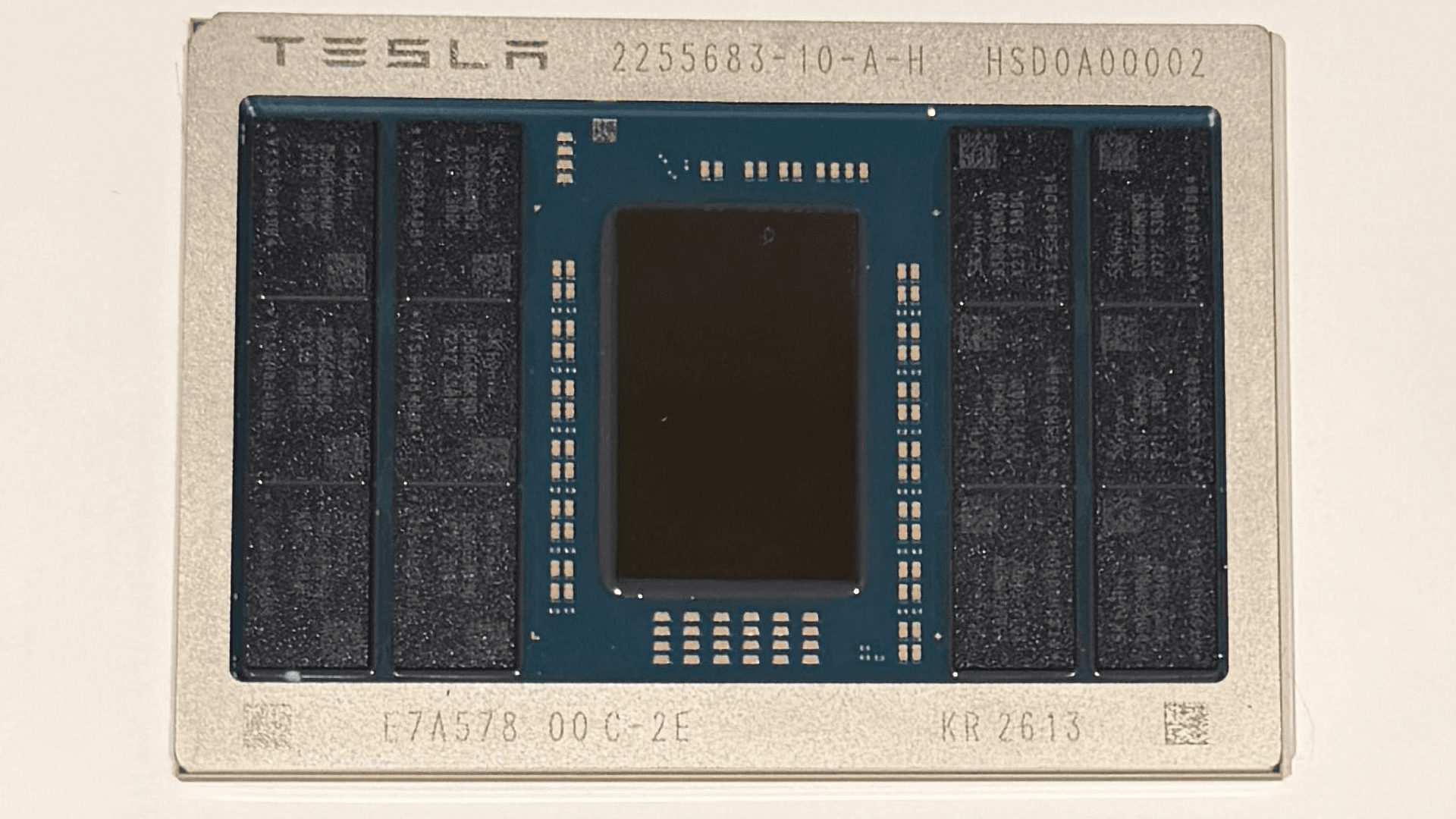
Google is negotiating with SpaceX to make orbital data centers a reality, according to a Wall Street Journal report. The talks center on launching satellites loaded with Google's Tensor Processing Units into space, where continuous solar power could offset the challenges of cooling server hardware in orbit.
The discussions appear connected to Google's Project Suncatcher initiative, which the company revealed in November 2024. That project aims to deploy TPU-equipped satellites starting in 2027.
Neither company has commented on the negotiations. But SpaceX's dominance in commercial launches makes it the clear frontrunner among the vendors Google is reportedly considering.
The Economics Problem
Space data centers have long been dismissed as impractical, primarily because of launch costs. Even OpenAI CEO Sam Altman has called the concept a fever dream.
The numbers explain the skepticism. SpaceX's theoretical launch cost sits around $2,700 per kilogram. For customers, that works out to roughly $3,400/kg in a best-case scenario with a fully packed rocket. SpaceX's February 2026 price list shows $7,000/kg as the standard rideshare rate.
Google's own calculations peg financial equilibrium at $200 per kilogram. That's more than an order of magnitude below current pricing.
Why the Math Might Change
The gap between current costs and Google's target looks vast. But SpaceX's reusable rocket program keeps pushing costs down.
A Falcon 9 rocket recently completed its 34th launch. Some analysts project that five to six reuses of the same vehicle would cover its production cost entirely. After that threshold, the primary expenses would be fuel, refurbishment, and operations rather than building new hardware.
SpaceX clearly sees a future in orbital computing. The company filed an application with the FCC in January to launch up to one million satellites for data centers. It also struck a partnership with Anthropic that could include multiple gigawatts of orbital AI compute capacity.
IPO Implications
A Google partnership would add momentum to SpaceX's impending initial public offering. The IPO is expected to be the largest in history, with projections ranging from $1.5 to $1.7 trillion.
Landing a client like Google would validate SpaceX's vision for orbital infrastructure beyond Starlink internet service. It would demonstrate that the company's launch cost reductions are opening markets previously considered economically impossible.
Compare AI capabilities across platforms as compute infrastructure evolves
Why Space Appeals for AI Workloads
The theoretical advantages of orbital data centers revolve around power and cooling. Satellites in orbit have constant access to solar energy, eliminating the grid constraints that limit terrestrial AI infrastructure.
Cooling presents a mixed picture. Space offers no atmosphere to conduct heat away from servers. But radiative cooling in the vacuum of space can work if designed correctly. The tradeoff between always-on solar power and novel cooling requirements drives much of the engineering challenge.
Data centers on Earth face increasing pressure from power grid limitations and water usage for cooling. Several hyperscalers have struggled to secure enough electricity for planned AI expansions. Orbital infrastructure would sidestep those terrestrial bottlenecks entirely.

Logicity's Take
Space tech startups are increasingly attracting venture funding
Frequently Asked Questions
Why does Google want to put data centers in space?
Orbital data centers offer continuous solar power and avoid terrestrial constraints like grid capacity limits and water usage for cooling. These factors increasingly limit AI infrastructure expansion on Earth.
How much does it cost to launch payload into orbit?
SpaceX charges around $7,000 per kilogram at standard rideshare rates. The company's internal costs are estimated at $2,700/kg. Google needs costs to drop to roughly $200/kg for space data centers to make economic sense.
When will Google launch orbital data centers?
Google's Project Suncatcher aims to deploy TPU-equipped satellites starting in 2027, according to information revealed in November 2024.
How big is SpaceX's planned IPO?
SpaceX's initial public offering is projected to reach $1.5 to $1.7 trillion, making it potentially the largest IPO in history.
Is SpaceX working with other AI companies on space data centers?
Yes. SpaceX has a partnership with Anthropic that could include multiple gigawatts of orbital AI compute capacity. The company also filed with the FCC to launch up to one million satellites for data centers.
Need Help Implementing This?
Source: Latest from Tom's Hardware
Manaal Khan
Tech & Innovation Writer
Produced with AI assistance and reviewed by the Logicity editorial team. Learn more in our Editorial Policy.