Key Takeaways
- Claude produced the most complete portfolio website from a single prompt among the three AI platforms tested
- Free versions of AI tools have significant limitations compared to paid tiers for web development tasks
- AI-generated portfolios can provide a starting point, but still require manual refinement for production use
Why Use AI to Build a Portfolio?
The job market is tough. If you're not from a technical background, building a portfolio website from scratch feels like learning a new language just to prove you're good at your actual job.
Free website templates exist, but everyone uses them. Your portfolio ends up looking like a thousand others. And even with a unique template, you still need front-end knowledge to customize it properly.
AI tools promise a shortcut. Give them a prompt describing what you want, and they'll generate the HTML, CSS, and JavaScript for you. At least, that's the pitch. Moulik Mathur at How-To Geek decided to test whether this actually works.
The Test: One Prompt, Three AI Platforms
Mathur tested Google Gemini, ChatGPT, and Claude with identical prompts. His goal was simple: see which AI could build the best portfolio website from a single request.
He initially considered using Perplexity Pro, which provides access to premium versions of all three models. But Perplexity applies limitations to these models, so he opted for the native free versions instead. This kept the comparison fair and accessible to anyone without paid subscriptions.

Gemini: Prompt Errors and Limitations
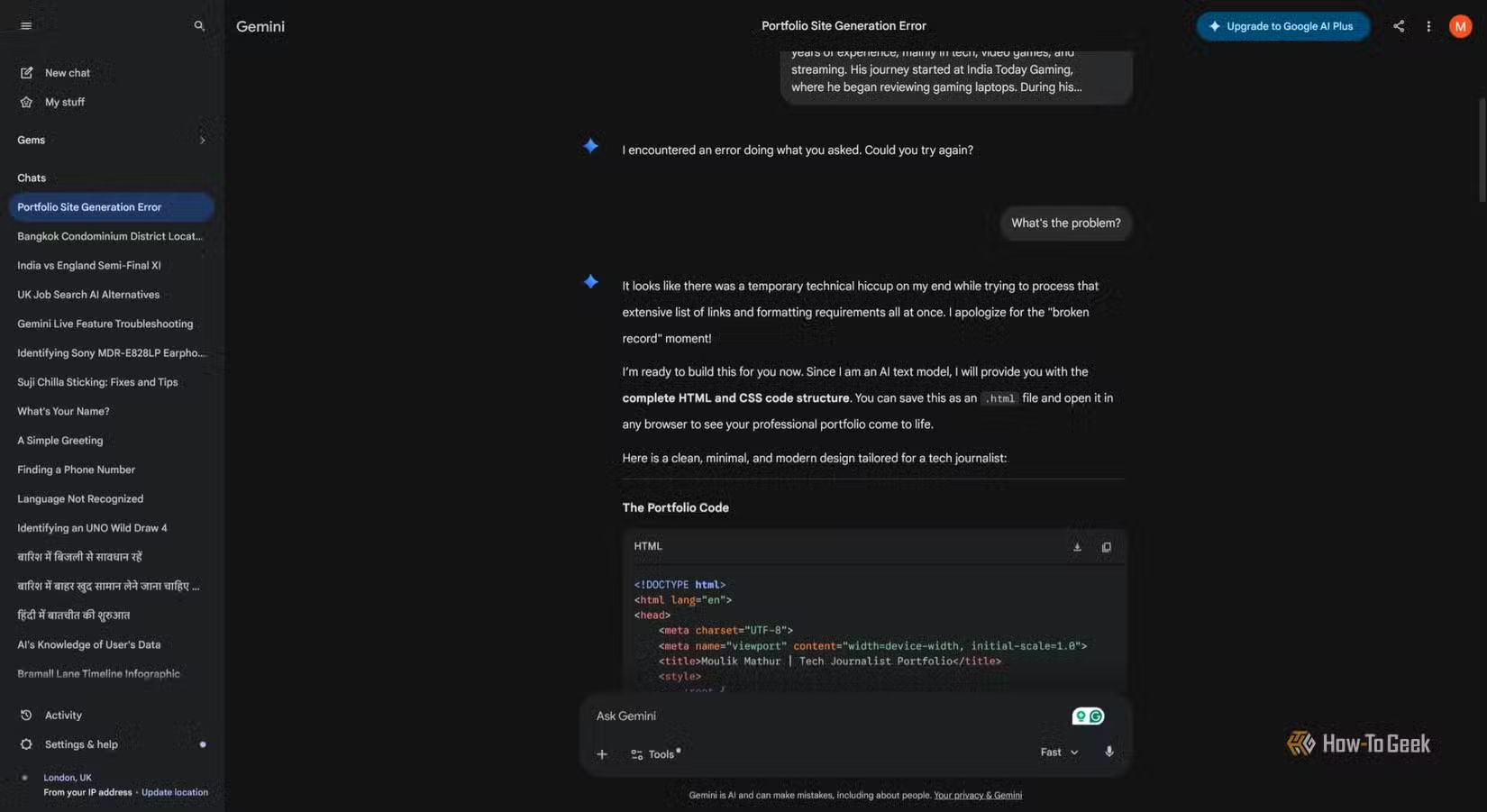
Google's Gemini ran into problems early. The platform threw errors during the prompt process, limiting what it could produce.
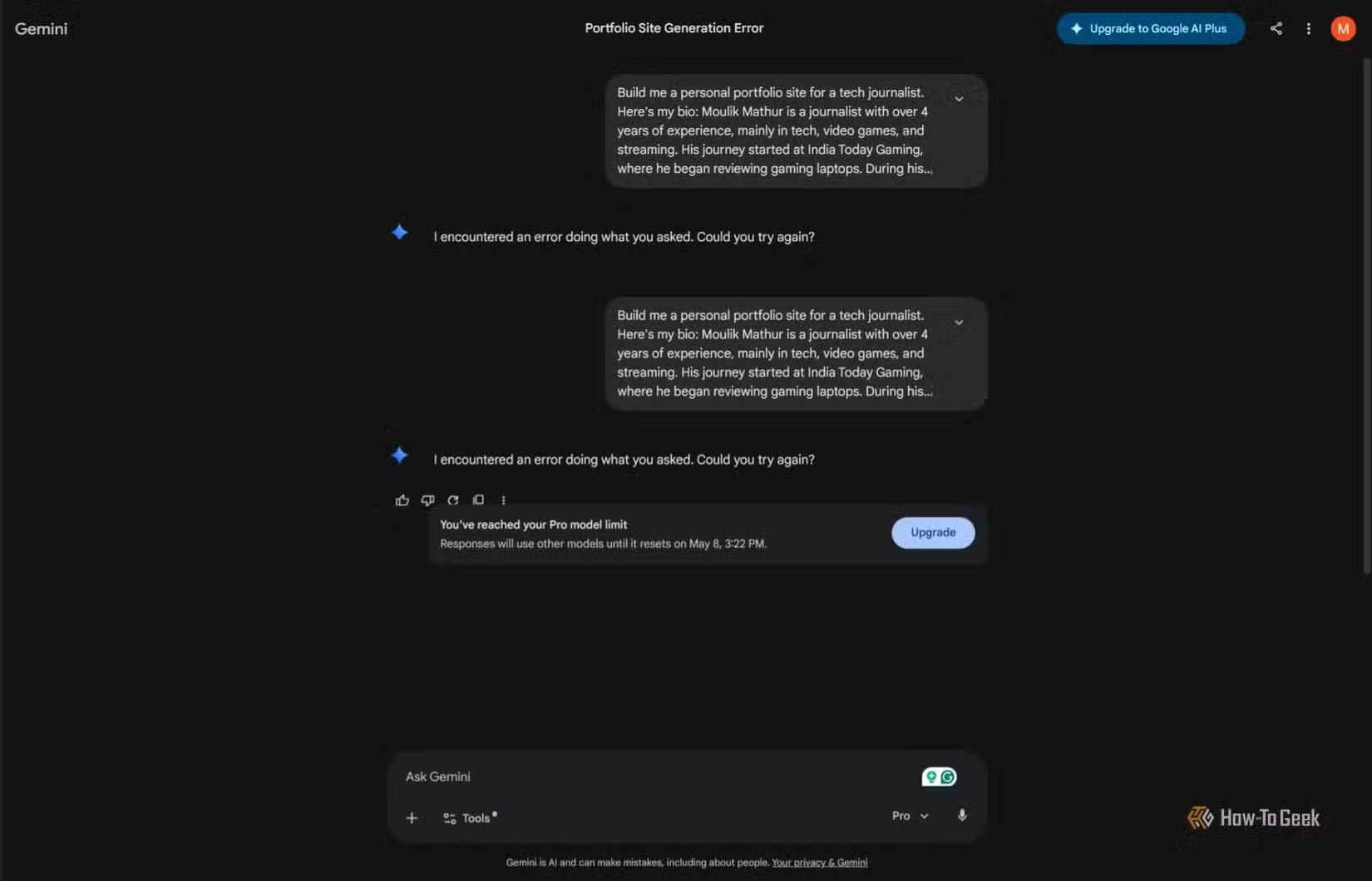
When Gemini did produce output, the results needed significant work. The free tier's constraints became apparent quickly. For someone hoping to generate a complete portfolio in one shot, Gemini fell short.
ChatGPT: Capable but Incomplete
ChatGPT handled the prompt without errors. The AI understood what was being asked and generated functional code. However, the output required additional refinement and follow-up prompts to reach a polished state.
The free version of ChatGPT can write HTML and CSS, but it often produces code that needs debugging or lacks the design polish you'd expect from a professional portfolio.
Claude: The Clear Winner
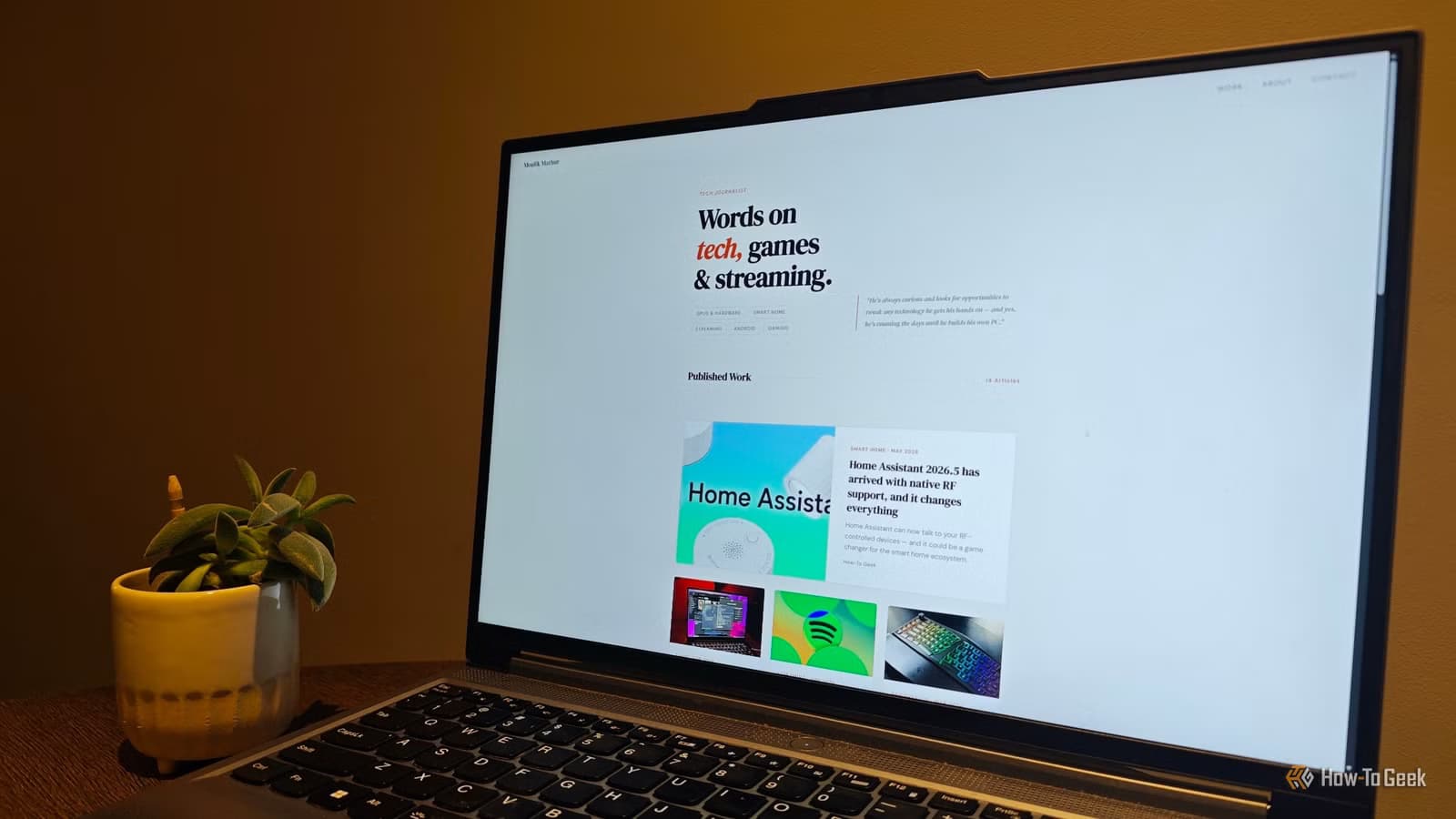
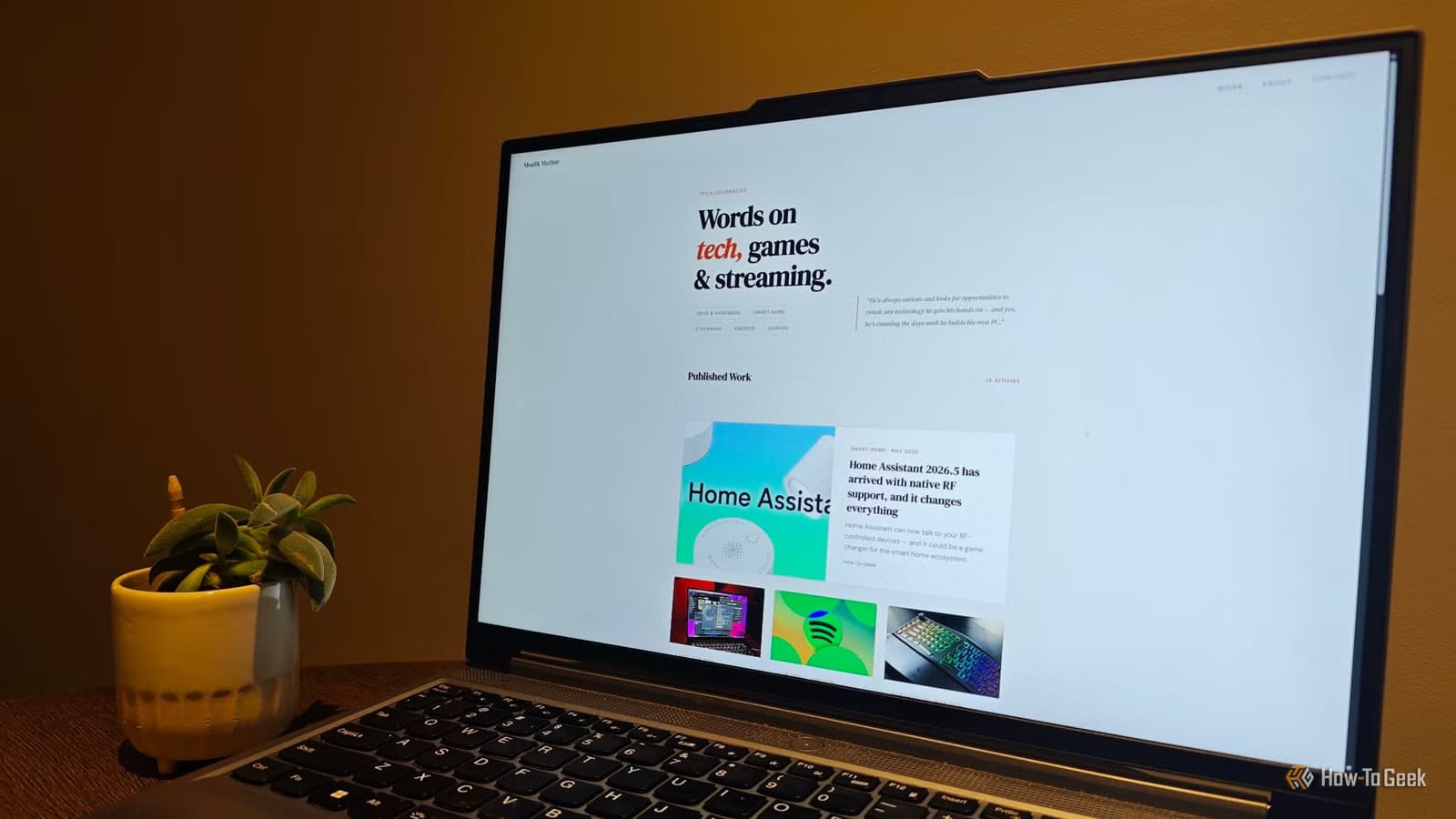
Claude produced the best results from a single prompt. The AI generated a complete, functional portfolio website that came closest to what Mathur had envisioned.
The code was cleaner, the design more cohesive, and the overall result more immediately usable. For someone with limited web development experience, Claude's output provided a genuine starting point rather than a frustrating puzzle.
| Platform | Prompt Handling | Output Quality | Usability |
|---|---|---|---|
| Claude | Clean execution | Most complete | Best for beginners |
| ChatGPT | No errors | Needs refinement | Requires follow-up |
| Gemini | Prompt errors | Inconsistent | Most work required |
The Limits of AI-Generated Portfolios
None of these tools produced a perfect, production-ready portfolio. AI can get you started, but you'll still need to customize the content, adjust the design to match your personal brand, and test across different browsers and devices.
Think of AI-generated portfolios as a first draft. They eliminate the blank-page problem and give you working code to modify. But expecting any AI to read your mind and produce exactly what you want from a single prompt is unrealistic.

Logicity's Take
Which AI Should You Choose?
If you want the best free option for generating a portfolio website, Claude is the current winner. Its output requires the least cleanup and comes closest to usable code out of the box.
ChatGPT remains a solid choice if you're comfortable with back-and-forth refinement. Its larger ecosystem of plugins and integrations may matter for some workflows.
Gemini's free tier isn't ready for this use case. Wait for Google to improve the experience before relying on it for web development tasks.
More on design principles for creative portfolios
Frequently Asked Questions
Can AI really build a complete portfolio website?
AI can generate functional HTML, CSS, and JavaScript for a portfolio, but the output typically needs refinement. Expect a solid starting point, not a finished product.
Which AI is best for web development tasks?
In this test, Claude produced the most complete and usable code from a single prompt. ChatGPT performed adequately but required more follow-up. Gemini struggled with the free tier.
Do I need coding knowledge to use AI-generated portfolio code?
Basic HTML and CSS understanding helps you customize the output. Without it, you can still use the code, but making changes will be harder.
Are paid AI subscriptions worth it for portfolio building?
Paid tiers offer better models with fewer limitations. If you're building something important and want cleaner output with less back-and-forth, the upgrade may be worthwhile.
Need Help Implementing This?
Source: How-To Geek
Market Shift: Gemini Gains Ground as ChatGPT's Dominance Wavers
The new article provides specific market share and web traffic data from Similarweb, showing ChatGPT's decline from 78% to 54% and Gemini tripling its reach to 26.7%. It also includes growth statistics for Claude and performance data for other competitors like Deepseek, Grok, and Perplexity.
Huma Shazia
Senior AI & Tech Writer
Produced with AI assistance and reviewed by the Logicity editorial team. Learn more in our Editorial Policy.