Key Takeaways
- The new telephoto camera uses a 1/1.56-inch sensor that's four times larger than the Mark 7's telephoto sensor
- Sony abandons continuous optical zoom in favor of a fixed 70mm telephoto lens with 48MP resolution
- The Snapdragon 8 Elite Gen 5 chip promises 20% better CPU performance and up to 20% lower power consumption
A New Direction for the Telephoto Camera
Sony has taken a different path with the Xperia 1 VIII's telephoto camera. The previous four generations (Mark 7, 6, 5, and 4) featured continuous optical zoom similar to point-and-shoot cameras. That's gone now.
The new model locks its telephoto at a fixed 70mm focal length, which translates to 2.9x magnification from the 24mm main lens. For higher zoom levels, the phone relies on the new 48MP sensor's resolution. The sensor measures 1/1.56 inches, four times larger than what the Mark 7 packed into its telephoto module.
There's a tradeoff here. The new telephoto has an f/2.8 aperture, which should handle low light reasonably well. But the Mark 7's variable zoom offered f/2.3 at 3.5x magnification, only narrowing to f/3.5 at its maximum 7.1x reach. Sony is betting that the larger sensor compensates for the slightly narrower aperture.
The Rest of the Camera System
Sony kept the other cameras unchanged from the Mark 7. The main shooter is a 48MP sensor measuring 1/1.35 inches behind a 24mm f/1.9 lens with optical image stabilization. The ultra-wide uses another 48MP sensor (1/1.56 inches) paired with a 16mm f/2.0 lens. Up front, there's a 12MP selfie camera with a 1/2.9-inch sensor and 24mm f/2.0 lens.
RAW multi-frame processing runs across all cameras. Sony says this extends dynamic range and reduces noise in dim lighting. The company claims it helps avoid clipped highlights and crushed shadows, two common problems in smartphone photography.
An AI Camera Assistant feature uses the Snapdragon chip's neural processing unit to analyze scenes. It looks at subjects, lighting, weather conditions, and other factors to suggest settings like color tones and lens effects. You can accept its recommendations with a single tap or ignore them entirely.
Snapdragon 8 Elite Gen 5 Under the Hood
The Xperia 1 VIII upgrades from last year's Snapdragon 8 Elite to the new Gen 5 variant. Qualcomm's numbers suggest a 20% improvement in CPU performance, 23% faster graphics, and up to 20% reduction in power consumption.
The base configuration comes with 12GB of RAM and 256GB of storage. Higher-tier options push RAM to 16GB and storage to 1TB. And yes, there's still a microSD slot for expansion. That's a rare feature these days, even on mid-range phones.
Enthusiast Features Sony Refuses to Drop
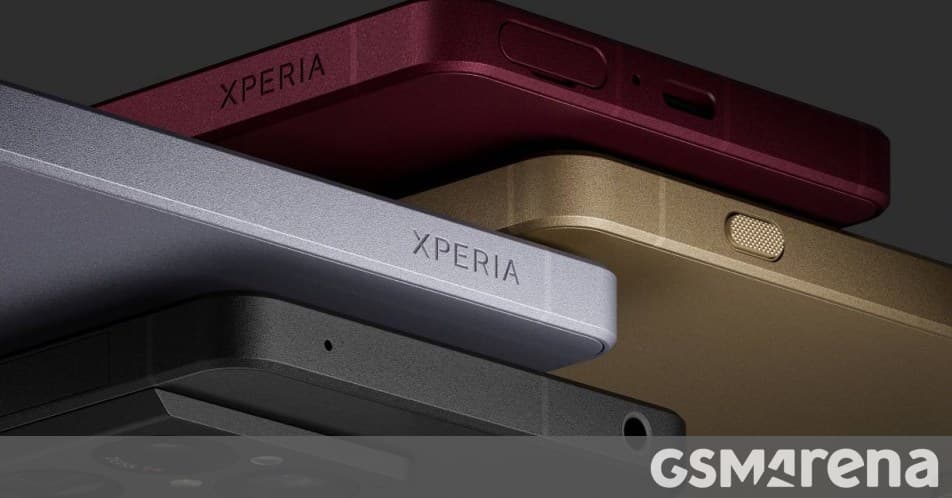
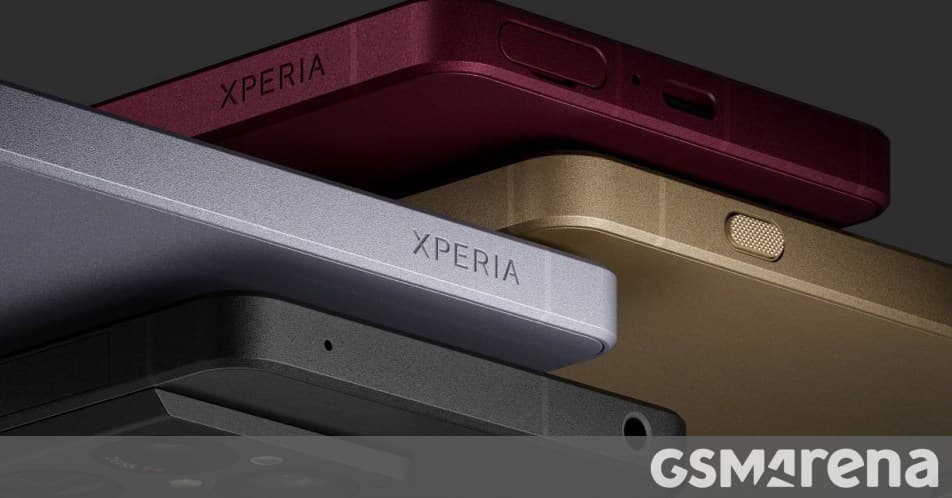
The 3.5mm headphone jack remains. Sony's Walkman heritage shows here. Wired audio means lossless playback with zero latency, and you never have to charge your headphones. The phone also has symmetrical stereo speakers that Sony says produce deeper bass, higher highs, and a wider soundstage than previous models.
- 3.5mm headphone jack for lossless audio
- MicroSD card slot for expandable storage
- Two-stage shutter button for camera control
- Flat display with no cutouts (camera sits in the upper bezel)
The screen is a 6.5-inch LTPO panel with up to 120Hz refresh rate. Resolution sits at 1080p+. The 5,000mAh battery carries over from the previous generation. Neither changed from the Mark 7.
What This Means for the Xperia Line
The camera redesign is the real story here. Sony's continuous optical zoom was a genuine differentiator in a market where most phones rely on fixed focal lengths and digital cropping. Walking that back in favor of a larger sensor and higher resolution is a significant shift in philosophy.
Whether the trade works out depends on real-world testing. A 4x larger sensor captures more light and more detail. But losing that smooth zoom range, especially at longer focal lengths, may frustrate photographers who relied on it.
Logicity's Take
✅ Pros
- • Telephoto sensor 4x larger than predecessor for better low-light performance
- • Latest Snapdragon 8 Elite Gen 5 with meaningful performance and efficiency gains
- • Keeps headphone jack, microSD slot, and hardware shutter button
- • RAW multi-frame processing across all cameras
❌ Cons
- • Loses continuous optical zoom that defined previous four generations
- • Same 1080p+ screen resolution, no bump to higher pixel density
- • Battery capacity unchanged at 5,000mAh
- • Fixed 70mm telephoto limits flexibility compared to variable zoom
Frequently Asked Questions
Does the Sony Xperia 1 VIII have optical zoom?
The Xperia 1 VIII has a fixed 70mm telephoto lens (2.9x magnification). It does not have continuous optical zoom like the Mark 7, 6, 5, and 4 models. Higher zoom levels use the 48MP sensor's resolution.
Does the Sony Xperia 1 VIII have a headphone jack?
Yes. The Xperia 1 VIII includes a 3.5mm headphone jack for lossless, latency-free wired audio.
What processor does the Xperia 1 VIII use?
The phone runs on Qualcomm's Snapdragon 8 Elite Gen 5, which offers 20% better CPU performance and up to 20% lower power consumption compared to last year's 8 Elite chip.
Can you expand storage on the Sony Xperia 1 VIII?
Yes. The phone has a microSD card slot for expandable storage, in addition to internal storage options up to 1TB.
How big is the Xperia 1 VIII telephoto sensor?
The telephoto camera uses a 1/1.56-inch 48MP sensor, which is four times larger than the telephoto sensor in the Xperia 1 VII.
Need Help Implementing This?
Source: GSMArena.com / Peter
Manaal Khan
Tech & Innovation Writer
Produced with AI assistance and reviewed by the Logicity editorial team. Learn more in our Editorial Policy.