Key Takeaways
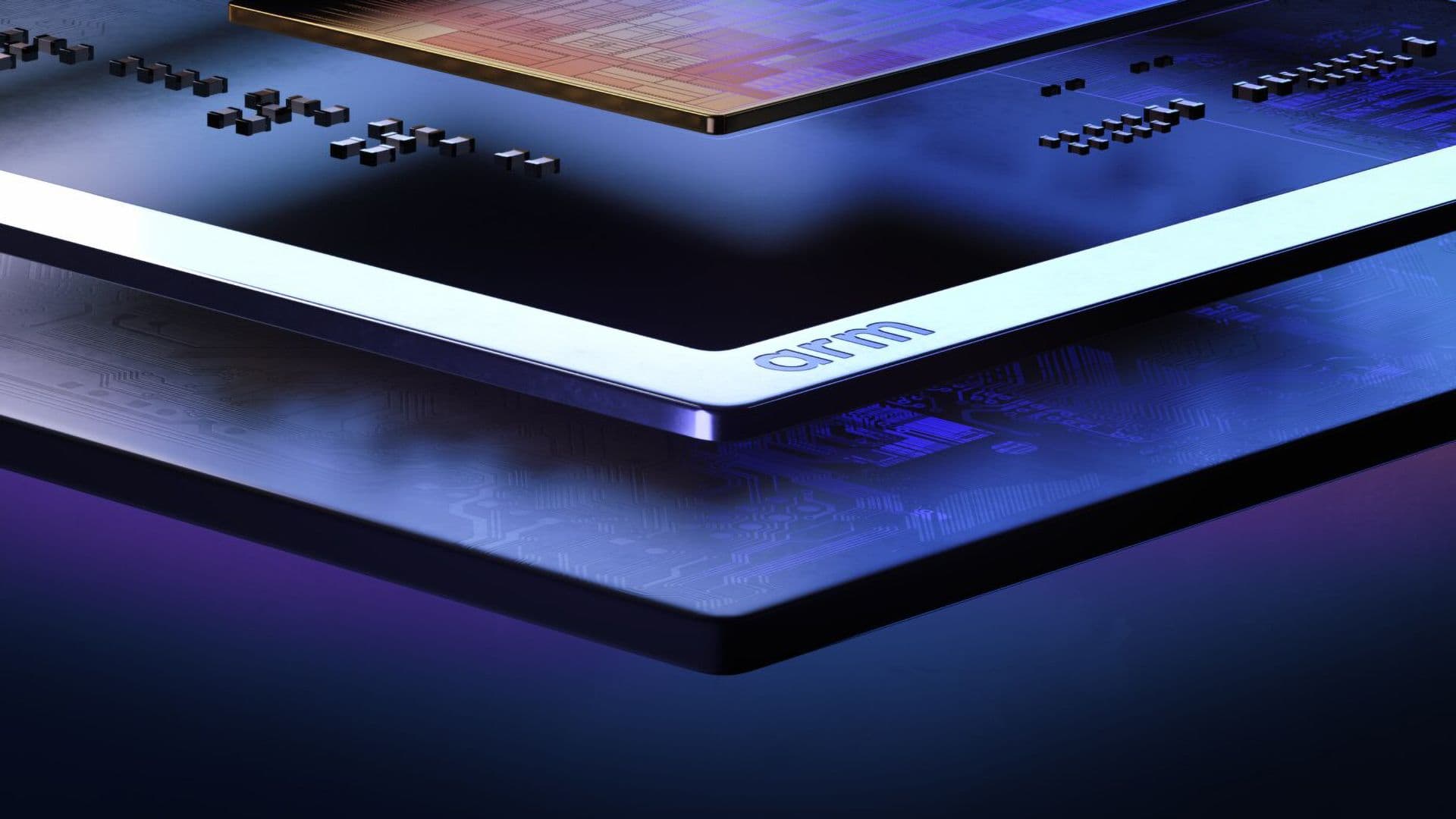
- The FTC is investigating whether Arm is restricting architecture access to favor its own chip manufacturing
- The probe follows Arm's March 2026 launch of its first AGI CPU, shifting from a licensing-only model
- Qualcomm's global antitrust campaign against Arm appears to be gaining traction with regulators
The Investigation
The U.S. Federal Trade Commission has opened an antitrust investigation into Arm Holdings, according to Bloomberg. Regulators want to know if the company is trying to monopolize the Arm architecture by giving customers lower-quality chip designs or denying them licenses altogether.
The timing is no coincidence. Arm launched its own AGI CPU aimed at data centers in March 2026. This marked a major shift for a company that previously focused on licensing chip designs to others rather than building silicon itself.
For companies like Qualcomm, Apple, and MediaTek, Arm was always a neutral supplier. Now it's a potential competitor. That changes the dynamic considerably.
The Qualcomm Lawsuit That Started It All
Arm's legal troubles trace back to its lawsuit against Qualcomm. When Qualcomm acquired the startup Nuvia in 2022, it gained access to Nuvia's Arm licenses. Arm argued that Qualcomm couldn't simply inherit those licenses and needed to negotiate new ones.
Arm lost that case. Qualcomm retained the right to use the Oryon cores it acquired from Nuvia.
But the lawsuit broke something that couldn't be repaired in court: the relationship between the two companies. Qualcomm responded by launching a global antitrust campaign against Arm. The chipmaker approached the European Commission, the U.S. FTC, and Korea's Fair Trade Commission with claims that Arm was abusing its dominant market position.
The Korean Fair Trade Commission raided Arm's Seoul office in November 2025. Now the FTC appears to be taking Qualcomm's complaints seriously as well.
Why This Matters for the Chip Industry
Arm's architecture dominates mobile computing. Apple, Qualcomm, Samsung, and MediaTek all depend on Arm licenses for their smartphone chips. The architecture is also making inroads against x86 in laptops and desktops, thanks to Apple Silicon and Qualcomm's Snapdragon X-series processors.
Some analysts predict Arm will eventually dominate AI servers, with over 90% of custom processors expected to use the architecture by 2029. That projection makes the company's move into manufacturing its own chips particularly concerning for licensees.
Arm's AGI CPU targets data centers, not consumer devices. So it hasn't directly challenged Apple's M-series chips or Qualcomm's Snapdragon lineup. Not yet, anyway. But the precedent worries customers who now see Arm as both supplier and competitor.
The Core Question
The FTC's investigation will center on a straightforward question: Is Arm using its control over a crucial architecture to give itself an unfair advantage?
If Arm offers better designs to its own chip division than to paying licensees, that's a problem. If it delays license renewals or imposes restrictive terms on competitors, that's a problem too. The investigation will examine whether any of this is actually happening.
Arm's business model worked because it was neutral. Chip companies trusted it precisely because it didn't compete with them. By entering the chip market directly, Arm has raised questions about whether that neutrality can continue.
Logicity's Take
For more on how companies are reducing dependence on dominant platform providers
Frequently Asked Questions
What is the FTC investigating Arm for?
The FTC is examining whether Arm is restricting access to its chip architecture to favor its own manufacturing business over licensees like Qualcomm and others.
Why did Arm launch its own AGI CPU?
Arm launched an AGI CPU for data centers in March 2026, expanding beyond its traditional licensing business into direct chip manufacturing for the AI server market.
How did the Qualcomm lawsuit relate to this investigation?
Arm sued Qualcomm over Nuvia's licenses and lost. Qualcomm responded by launching a global antitrust campaign, reaching out to regulators in the U.S., Europe, and Korea.
What happens if Arm is found to have violated antitrust laws?
Potential remedies could include requirements to offer fair licensing terms to all customers, structural changes to separate licensing from manufacturing, or financial penalties.
Which companies use Arm architecture?
Apple, Qualcomm, Samsung, MediaTek, and most mobile device chipmakers rely on Arm licenses. The architecture is also expanding into laptops, desktops, and data center servers.
Need Help Implementing This?
Source: Latest from Tom's Hardware
Manaal Khan
Tech & Innovation Writer
Produced with AI assistance and reviewed by the Logicity editorial team. Learn more in our Editorial Policy.