Key Takeaways

- Q1 2026 shipments reached 33 million units, up 2% year-over-year, but analysts expect a 12% full-year decline
- Average selling price hit a record €580 as sub-€200 phones dropped to just 25% of shipments
- Honor grew 60% year-over-year, emerging as the fastest-growing brand in the region
A Deceptive Start to the Year
Europe's smartphone market shipped 33 million units in Q1 2026, a 2% increase compared to the same period last year. That's the good news. The bad news: Omdia analysts expect the market to contract 12% for the full year, with most of the damage hitting in the second half.
The Q1 gains may not reflect genuine consumer appetite. Retailers appear to have frontloaded inventory to hedge against worsening supply chain conditions, creating an artificial bump that will cannibalize sales later in the year.
Samsung Reclaims the Top Spot
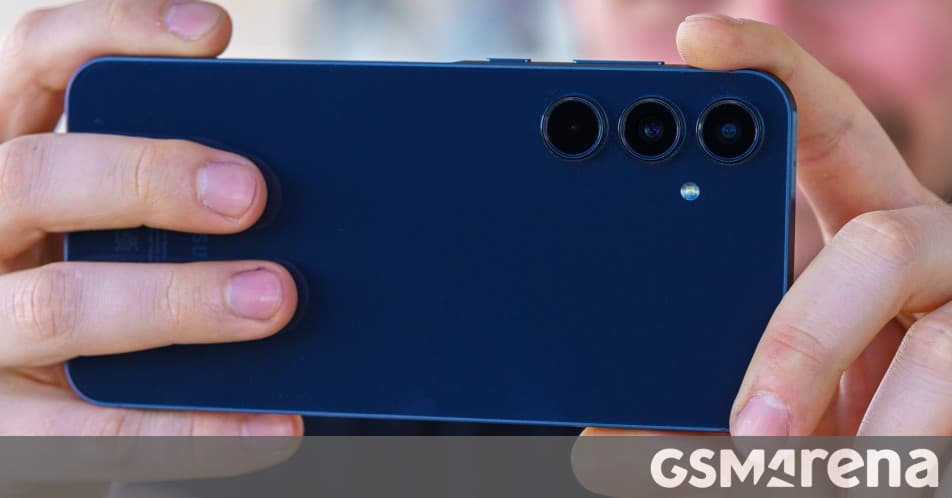
Samsung shipped 12.6 million smartphones in Q1, a 3% increase that returned it to the number one position in Europe. The performance came despite delayed launches of the Galaxy S26 series and mid-range A57 and A37 models. The Galaxy A16 4G picked up the slack, proving popular among price-conscious buyers.
Apple fell to second place, a predictable result given its Q4-heavy launch cycle. Still, the company shipped 8.8 million iPhones, up 8.8% year-over-year. Strong demand for the iPhone 17 lineup, combined with solid mid-range sales from the iPhone 15 and 16e, drove the gains.
Samsung's labor dynamics affect its ability to meet smartphone component demand
Xiaomi Stumbles, Honor Surges
Xiaomi had a rough quarter, with shipments dropping 15% to 4.5 million units. The company's flagship Xiaomi 17 and 17 Ultra saw record demand according to Omdia, but that wasn't enough to offset broader weakness in its portfolio.
The real story is Honor. The brand grew 60% year-over-year and now nearly matches Oppo's 1.3 million unit shipments. Oppo itself grew 9%, with gains concentrated in France, Romania, and Poland. But Honor's trajectory suggests a new challenger is emerging in European markets.
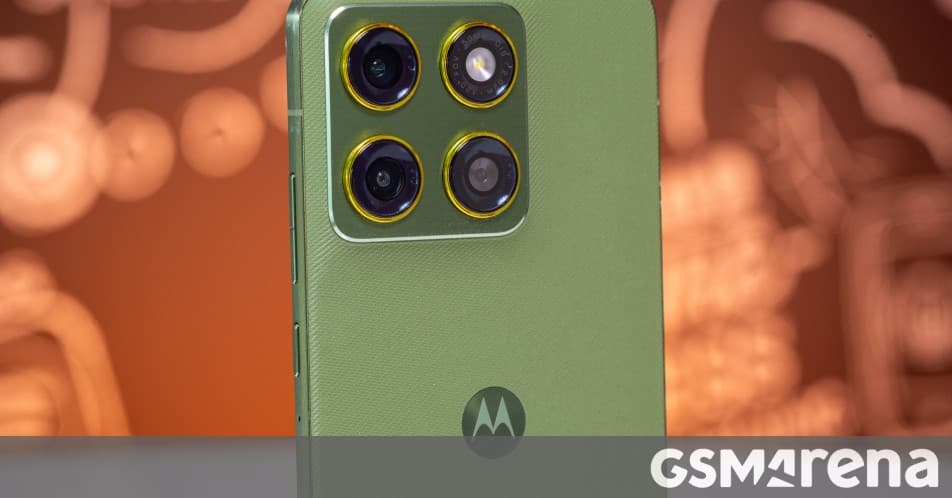
Motorola continues its quiet resurgence, shipping 1.9 million units for a 17% increase. Growth in Spain and Portugal drove the gains.
The Budget Phone Problem
“The average-selling-price of smartphones in Europe surged to a record-high level of €580 in 1Q26. This was largely caused by lower availability of devices costing less than €200, which made up an all-time low of just 25% of shipments.”
— Runar Bjorhovde, Principal Analyst at Omdia
That 25% figure is alarming. Budget phones have historically served as the entry point for first-time smartphone buyers and the fallback option for cost-conscious consumers. With fewer affordable devices available, the barrier to entry has never been higher.
Online communities are already reacting. Discussions on Reddit's r/gadgets show users planning to hold onto current phones for three or more years rather than pay the inflated prices. On HackerNews, commenters debate whether the supply constraints are genuine or an intentional move by manufacturers to maintain high margins.
Global context for the budget phone availability crisis affecting Europe
What's Driving the Pessimism
Omdia's 12% full-year decline forecast stems from several converging factors. Component shortages, particularly in LPDDR4X memory, continue to constrain production. Economic headwinds in the second half of 2026 are expected to squeeze consumer spending further.
The Q1 inventory loading effect makes the math worse. Retailers who stocked up early will need to sell through that inventory before placing new orders. That means Q3 and Q4 shipments will face pressure from both demand-side weakness and channel saturation.
Memory market dynamics directly affect smartphone component availability and pricing
Brand-by-Brand Q1 Breakdown
- Samsung: 12.6 million units (+3%), back at #1 despite delayed Galaxy S26 launch
- Apple: 8.8 million units (+8.8%), strong iPhone 17 demand offset by seasonal timing
- Xiaomi: 4.5 million units (-15%), flagship gains couldn't offset portfolio weakness
- Motorola: 1.9 million units (+17%), growth driven by Spain and Portugal
- Oppo: 1.3 million units (+9%), expanding in France, Romania, and Poland
- Honor: Nearly matching Oppo (+60%), fastest-growing brand in the region
Logicity's Take
Frequently Asked Questions
Why did Europe's smartphone market grow 2% in Q1 2026?
The growth came from retailer inventory frontloading ahead of expected supply chain disruptions, not from genuine consumer demand increases.
Which smartphone brand grew fastest in Europe in Q1 2026?
Honor grew 60% year-over-year, making it the fastest-growing brand in the European market.
Why are smartphone prices so high in Europe?
The average selling price hit €580 because devices under €200 now represent only 25% of shipments, an all-time low driven by component shortages.
How much will Europe's smartphone market decline in 2026?
Omdia forecasts a 12% decline for the full year, with most of the drop concentrated in the second half.
Did Samsung or Apple lead European smartphone shipments in Q1 2026?
Samsung reclaimed the top position with 12.6 million units shipped, while Apple came second with 8.8 million units.
Need Help Implementing This?
Source: GSMArena.com / Peter
Manaal Khan
Tech & Innovation Writer
Produced with AI assistance and reviewed by the Logicity editorial team. Learn more in our Editorial Policy.