Key Takeaways
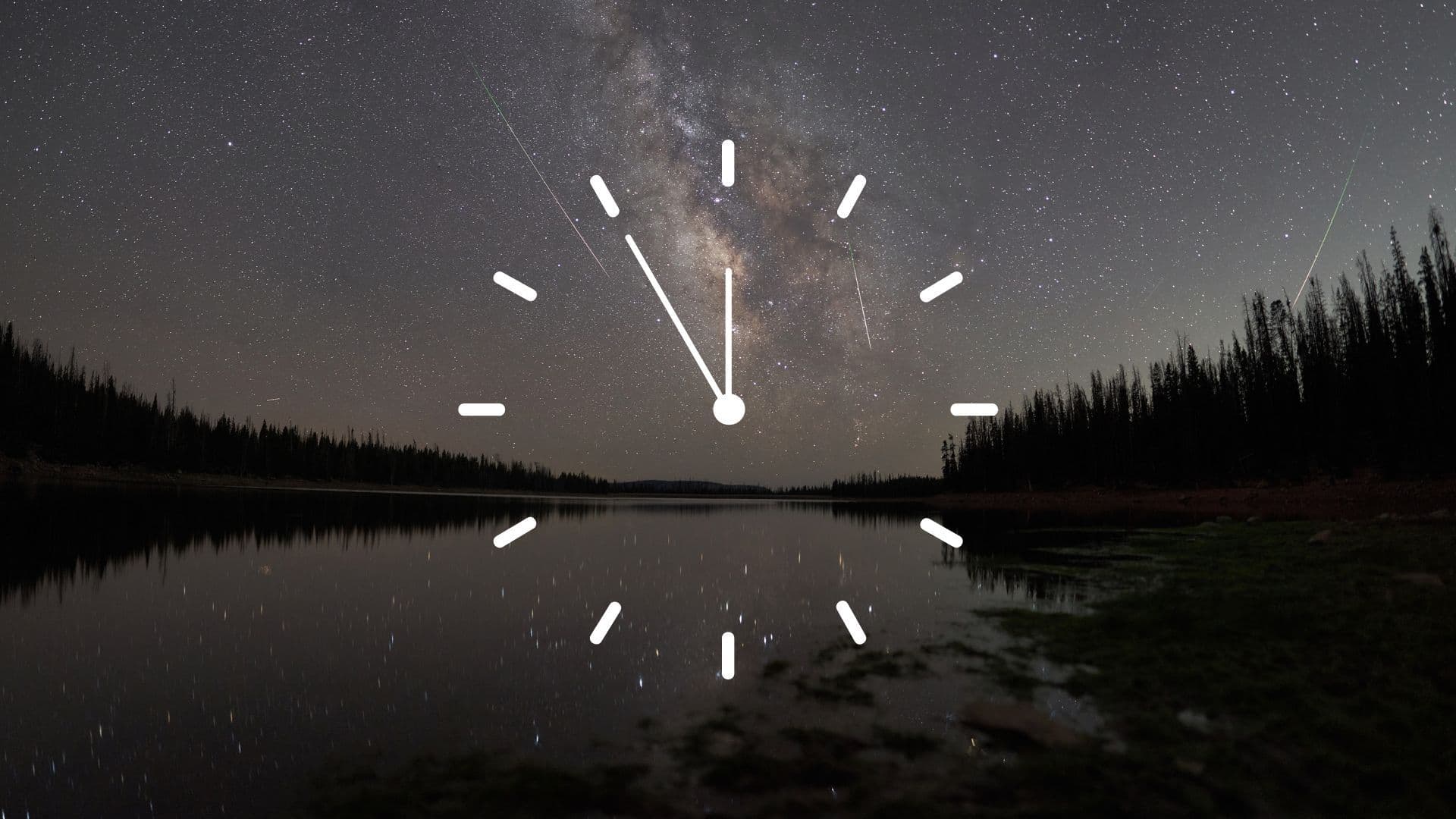
- Peak viewing is during predawn hours on May 6, 2026
- Southern hemisphere viewers may see up to 50 meteors per hour; northern viewers likely under 10
- An 84%-lit moon will wash out fainter meteors during peak hours
Earth is about to pass through the debris trail of Halley's Comet, producing the annual Eta Aquarid meteor shower. The 2026 edition peaks overnight on May 5-6, but a nearly full moon will steal some of the show.
The Eta Aquarids are active from April 19 to May 28, 2026. Your best chance to catch shooting stars comes during the predawn hours of May 6, when the shower's radiant point in the constellation Aquarius climbs highest in the sky.
How Many Meteors Will You See?
Location matters. Viewers in the southern hemisphere tropics have the advantage, with up to 50 meteors per hour possible under ideal conditions, according to the American Meteor Society. Northern hemisphere observers face tougher odds, with estimates of 10-30 meteors per hour in theory.
In practice, expect fewer. The real problem is the moon.
The Moon Problem
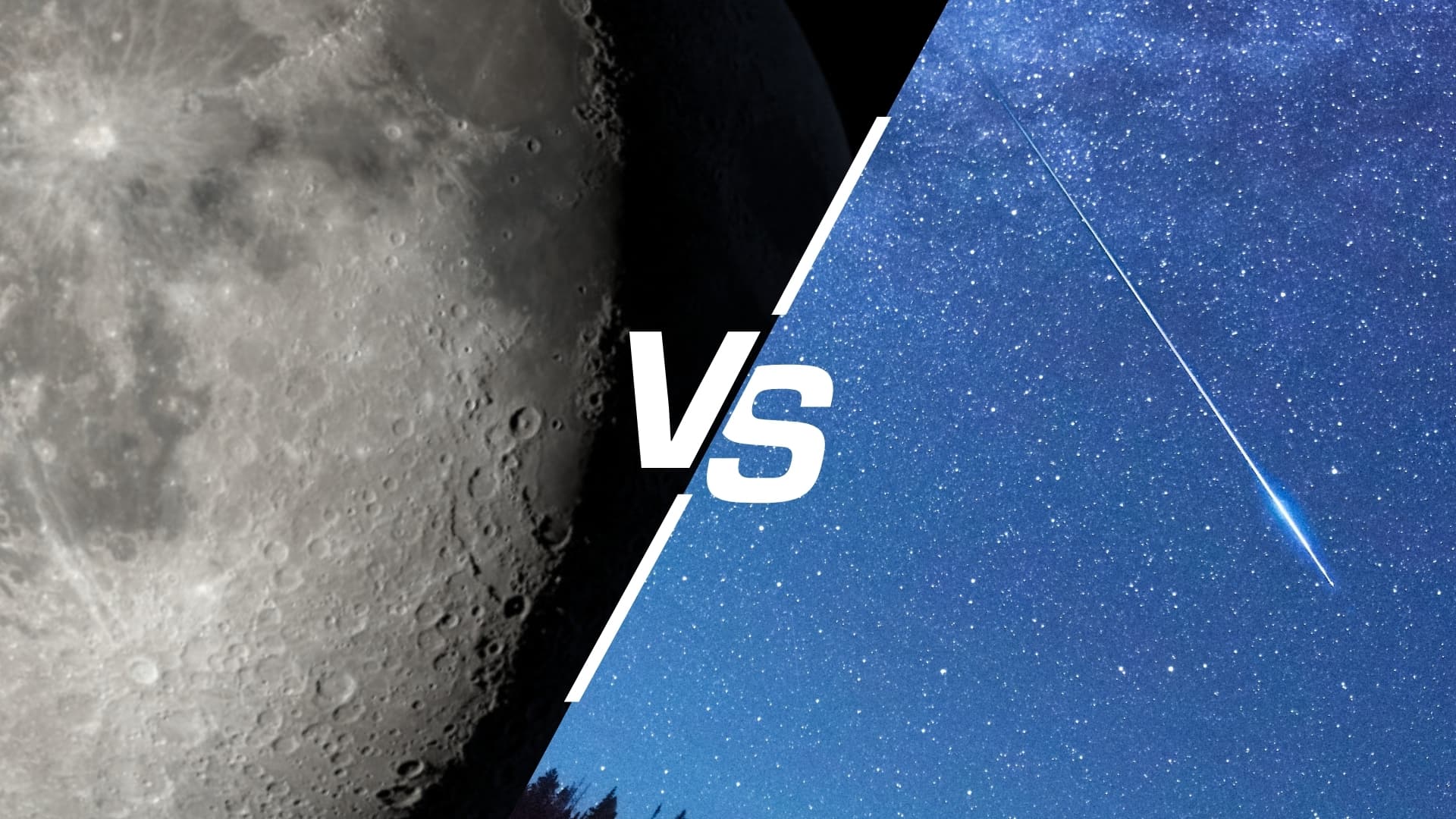
An 84%-lit waning gibbous moon rises above the southeastern horizon shortly after midnight on May 5-6. That brightness will flood the sky and hide dimmer meteors from view. Northern hemisphere watchers may end up seeing fewer than 10 meteors per hour because of the lunar glare.
This is frustrating but unavoidable. The shower's broad peak means you could try watching on adjacent nights when the moon is slightly dimmer, though meteor rates will also be lower.
Where to Look in the Sky
Start by finding the shower's radiant in the constellation Aquarius. For U.S. stargazers, it rises above the eastern horizon to the left of the moon roughly three hours after midnight. A smartphone astronomy app like Stellarium or SkySafari 7 Pro can help you locate it despite the lunar glare.
Once you've found the radiant, look about 40 degrees away from it. That's roughly the width of four clenched fists held at arm's length. This is where Eta Aquarid meteors appear most impressive, often leaving persistent glowing trains in their wakes.
Photographing the Shower
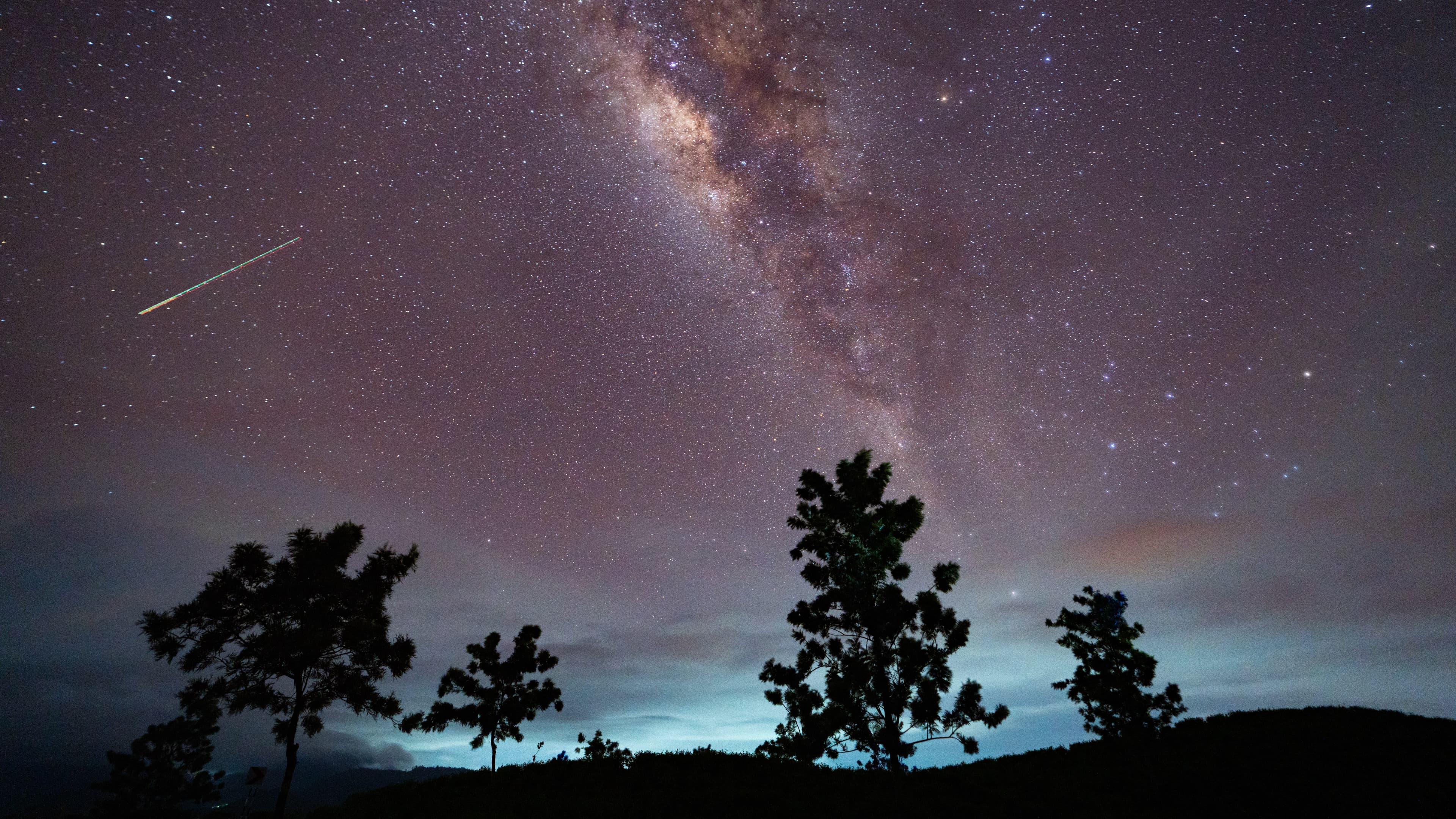
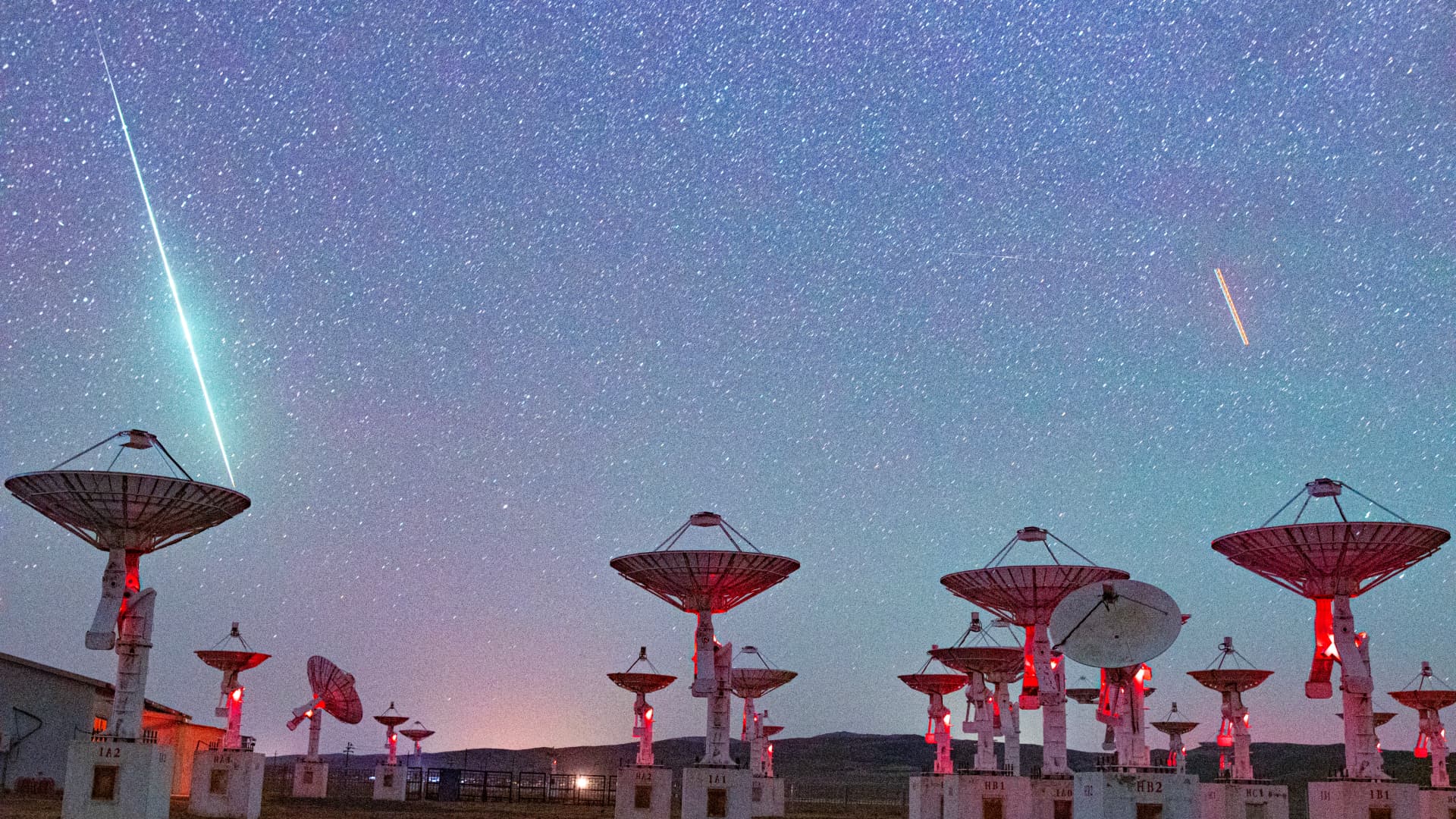
Shooting stars can be captured on camera with the right setup. A wide-angle lens, a sturdy tripod, and long exposures are essential. The challenge this year is the moonlight, which will brighten your images and make faint meteor trails harder to capture.

For beginners, the Canon EOS R7 is a solid choice for astrophotography. Its APS-C sensor handles low-light conditions well, and the price point makes it accessible for hobbyists who want to try their hand at shooting stars.
What Makes the Eta Aquarids Special
This shower comes from debris shed by Halley's Comet, one of the most famous objects in our solar system. Halley's last passed near Earth in 1986 and won't return until 2061. But we get two chances each year to see its legacy: the Eta Aquarids in May and the Orionids in October.
Eta Aquarid meteors are fast, entering Earth's atmosphere at about 66 kilometers per second. That speed produces the bright, persistent trains the shower is known for.

Logicity's Take
More on space developments planned for 2026
Camera tips for capturing difficult subjects like meteors
Frequently Asked Questions
What time should I watch the Eta Aquarid meteor shower in 2026?
The predawn hours of May 6, 2026 offer the best viewing window. The shower's radiant point reaches its highest altitude before sunrise.
How many Eta Aquarid meteors will I see per hour?
Southern hemisphere viewers may see up to 50 per hour. Northern hemisphere viewers will likely see fewer than 10 due to moonlight interference and lower radiant altitude.
Why is the moon a problem for the 2026 Eta Aquarids?
The moon will be 84% illuminated during the peak, rising around midnight and flooding the sky with light that drowns out fainter meteors.
What constellation do Eta Aquarid meteors come from?
The radiant is in Aquarius, rising above the eastern horizon roughly three hours after midnight for U.S. viewers.
What comet causes the Eta Aquarid meteor shower?
The shower comes from debris left by Halley's Comet. Earth passes through this debris trail every May.
Need Help Implementing This?
Source: Latest from Space.com
Manaal Khan
Tech & Innovation Writer
Produced with AI assistance and reviewed by the Logicity editorial team. Learn more in our Editorial Policy.