Key Takeaways
- DARPA's RSGS mission will launch this summer to service satellites 22,236 miles above Earth
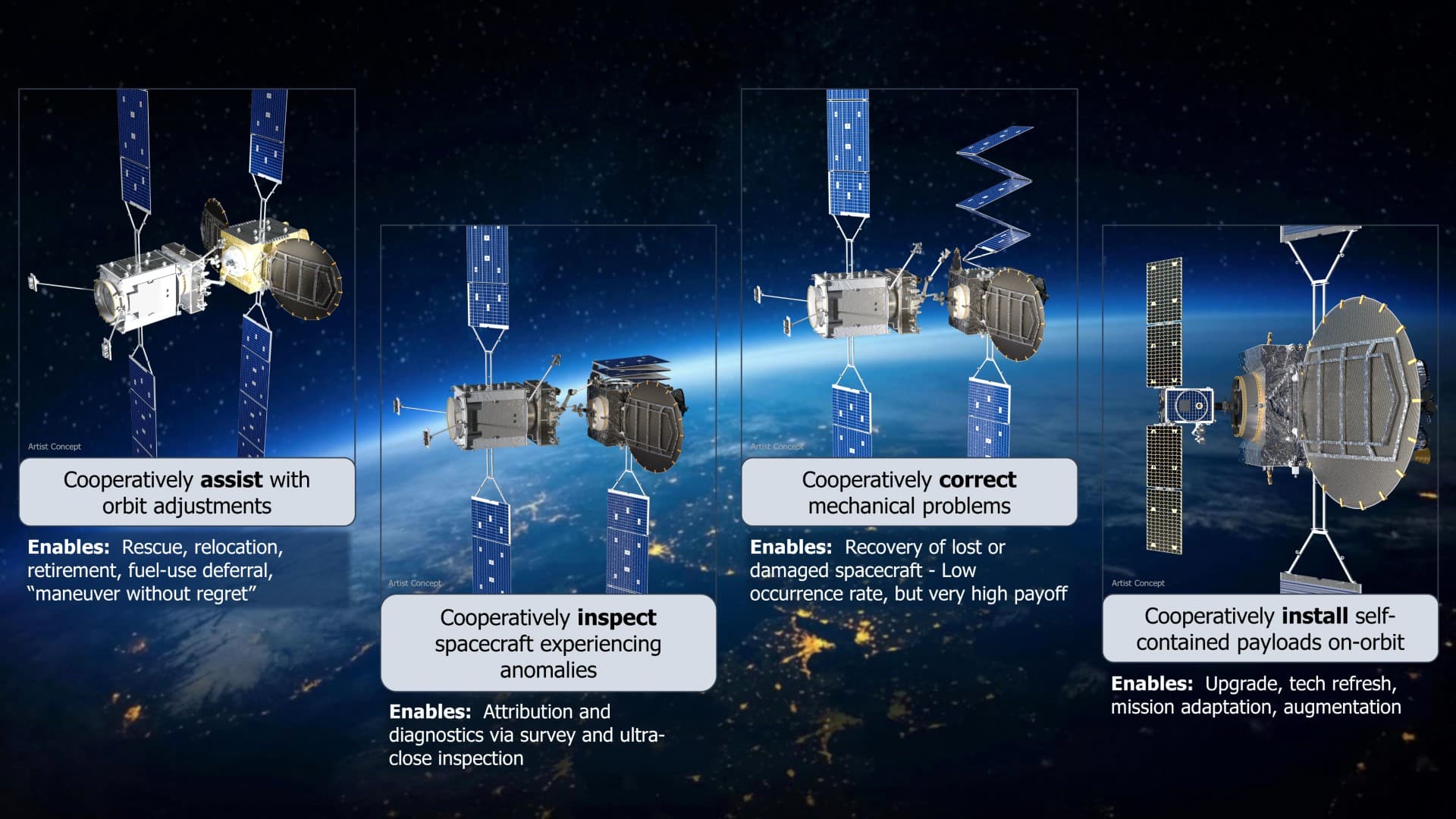
- The robotic spacecraft can inspect, refuel, upgrade, and relocate aging satellites in geosynchronous orbit
- After a 10-month transit, operations begin in 2027, potentially extending satellite lifespans by years
What DARPA Built
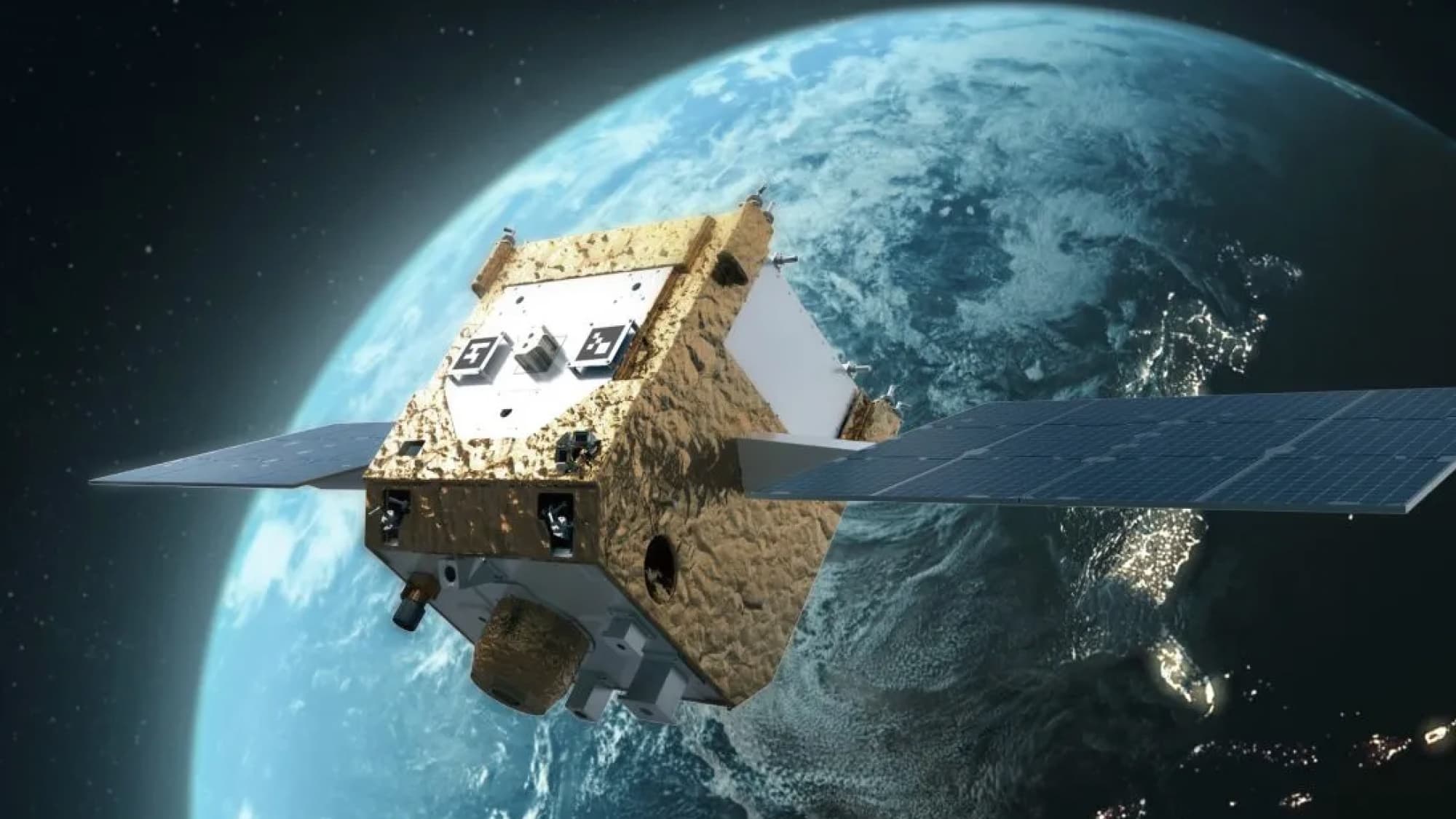
DARPA's Robotic Servicing of Geosynchronous Satellites (RSGS) mission is set to launch this summer, the agency announced on May 20. The spacecraft carries what DARPA calls a "highly dexterous robotic servicing suite" capable of performing on-orbit upgrades, inspections, anomaly resolution, and satellite relocation.
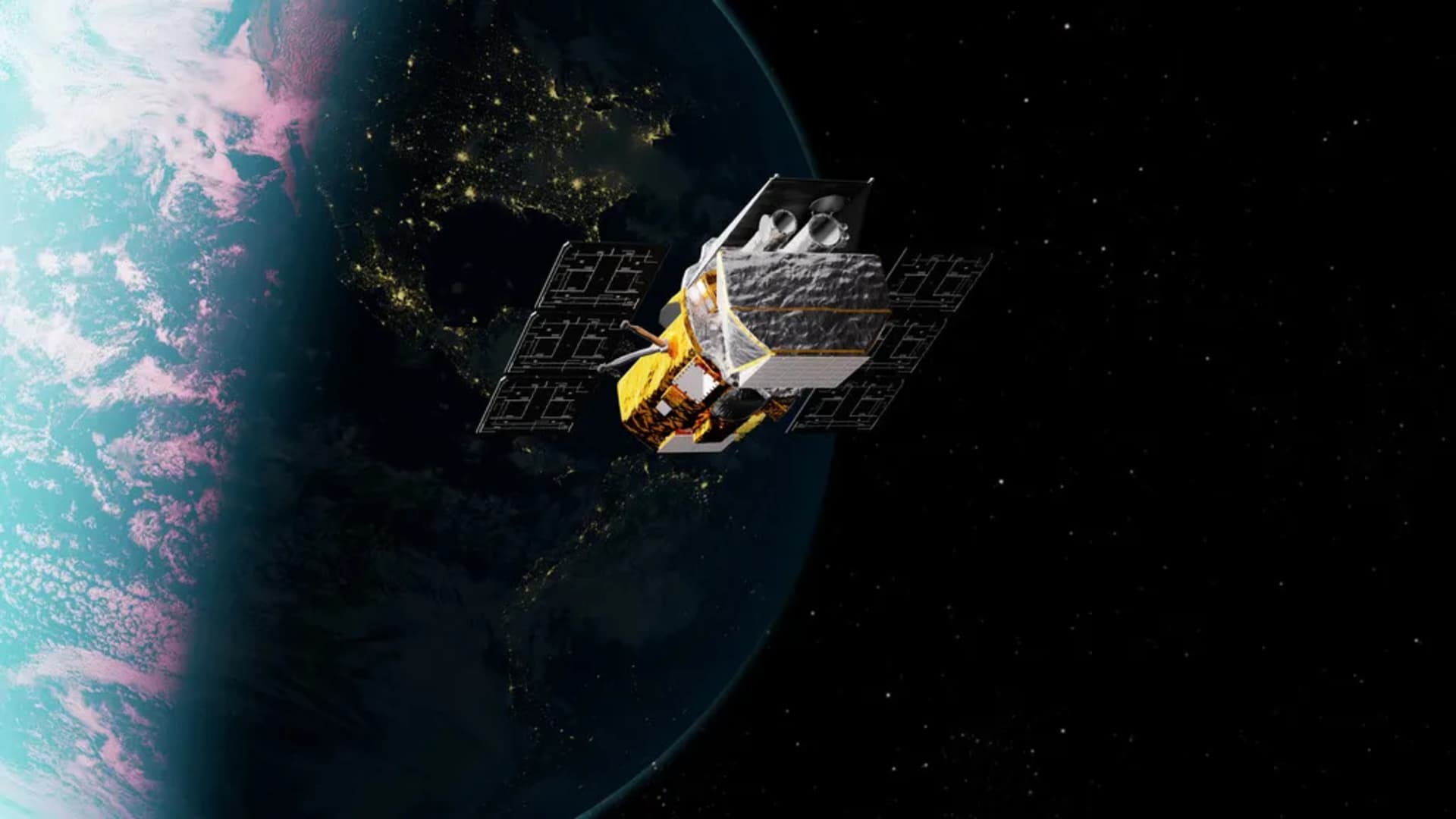
The target: geosynchronous orbit, roughly 22,236 miles above Earth. That's about 90 times higher than the International Space Station. Satellites at this altitude orbit at the same speed Earth rotates, letting them maintain a constant view of one patch of the planet. This makes GEO ideal for telecommunications, weather monitoring, and defense surveillance.
The problem: when these satellites run out of fuel, they become expensive debris. The only option has been to push them out of the way so a replacement can take their spot. With space junk rising and collision risks increasing, DARPA wants to change that equation.
“The RSGS program will transform satellites from disposable assets into maintainable infrastructure.”
— DARPA Official Statement
Why It Took So Long
RSGS was first announced in 2017. It should have launched years ago.
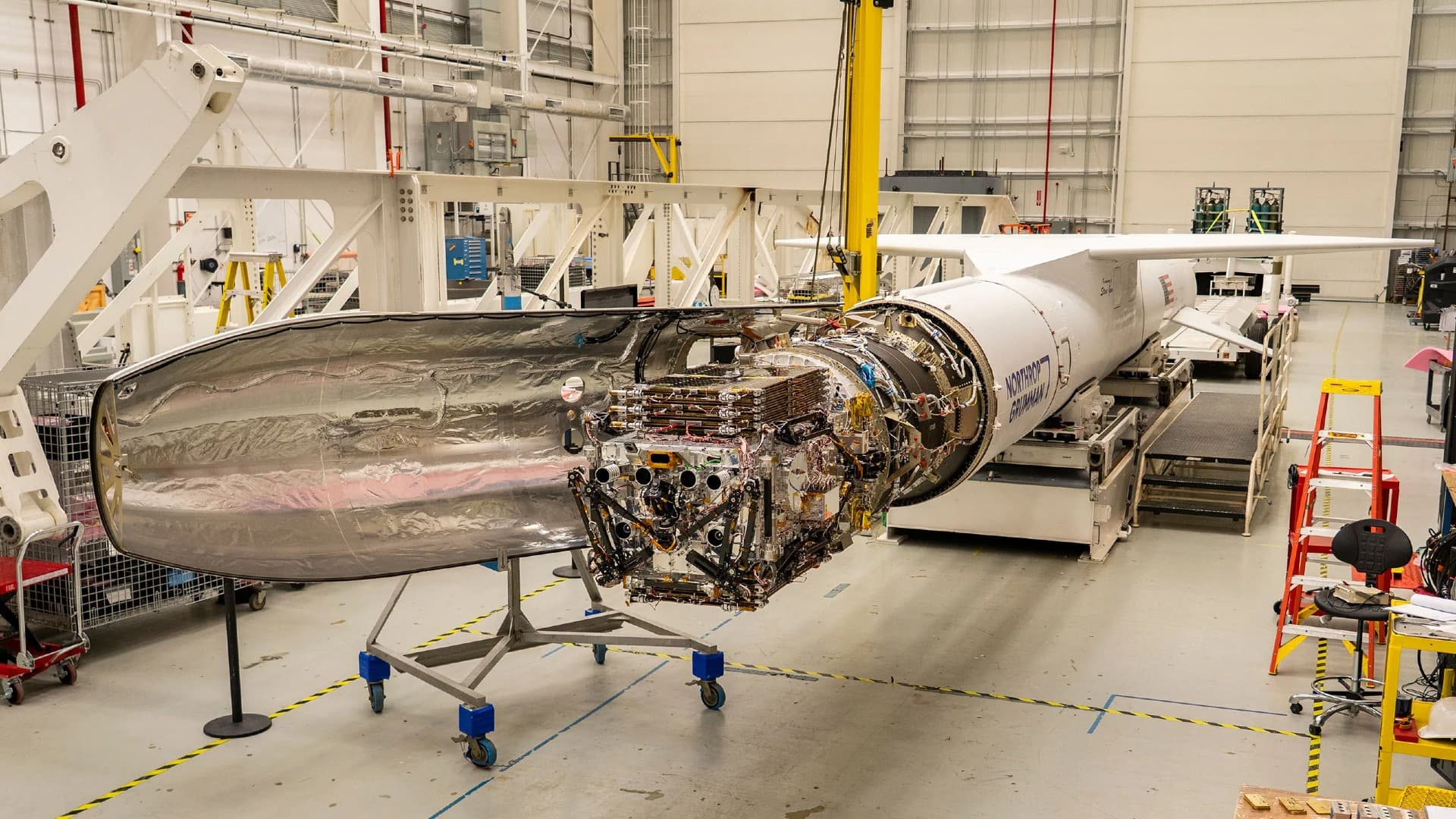
The original contractor, then known as Maxar Technologies, left the project in 2019. Then the pandemic disrupted supply chains across the aerospace industry. SpaceLogistics, a Northrop Grumman subsidiary, took over as prime contractor but faced its own challenges integrating the DARPA payload onto their spacecraft.
Now, nearly eight years after the initial announcement, DARPA says the mission is ready. Assuming an on-time launch this summer, RSGS will spend 10 months traveling to geosynchronous orbit using electric propulsion before beginning operations in 2027.
How the Robot Works
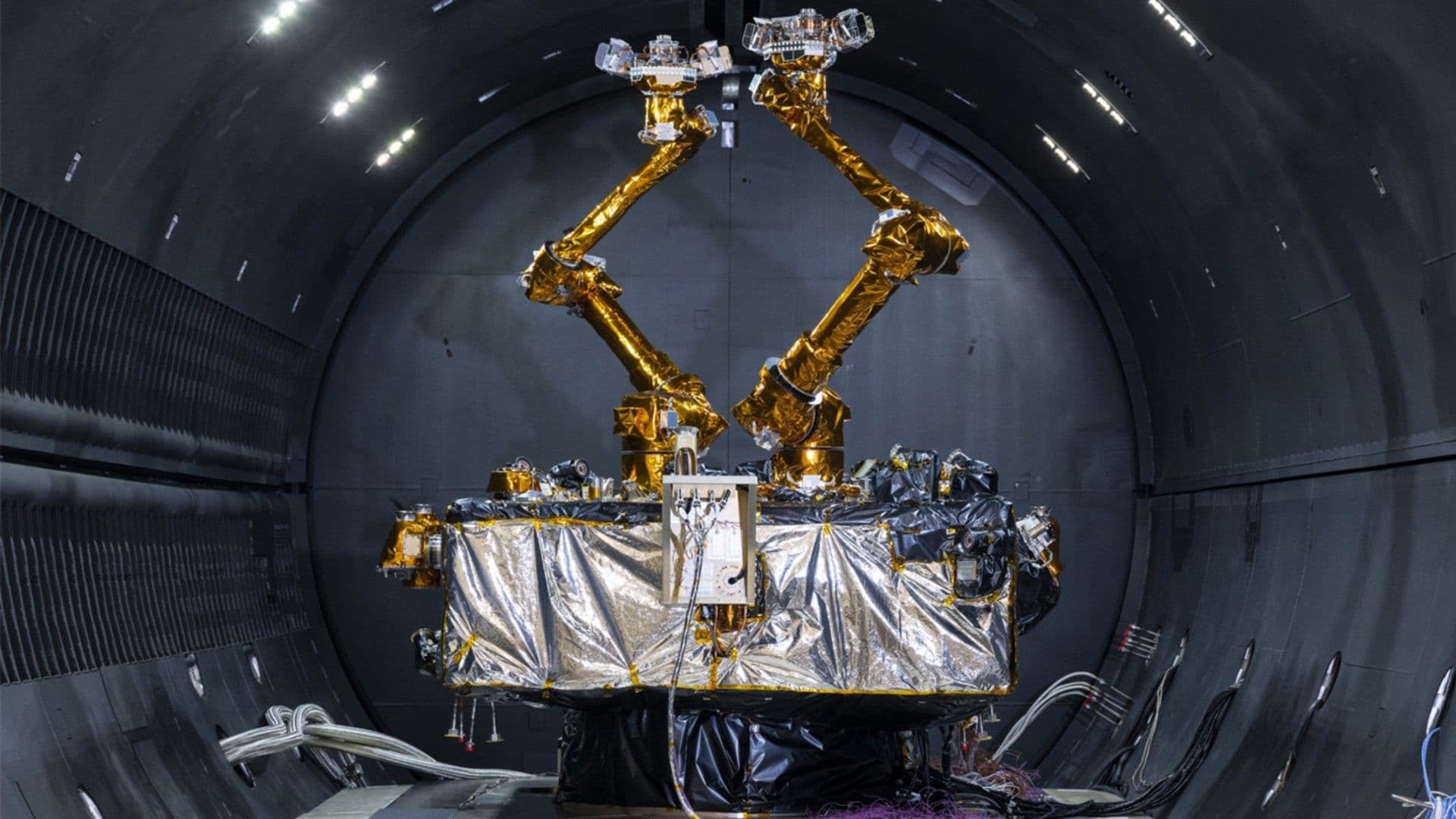
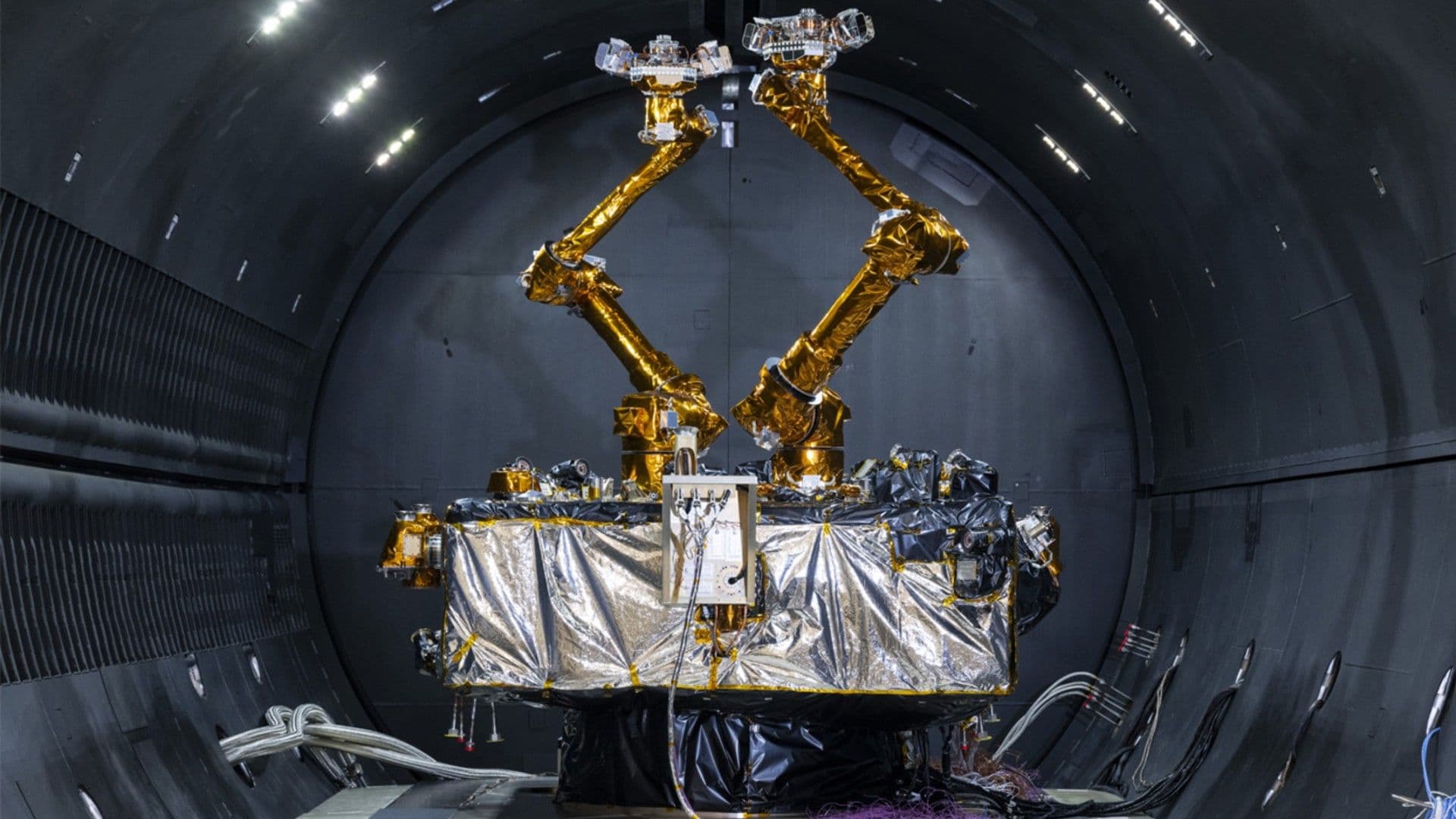
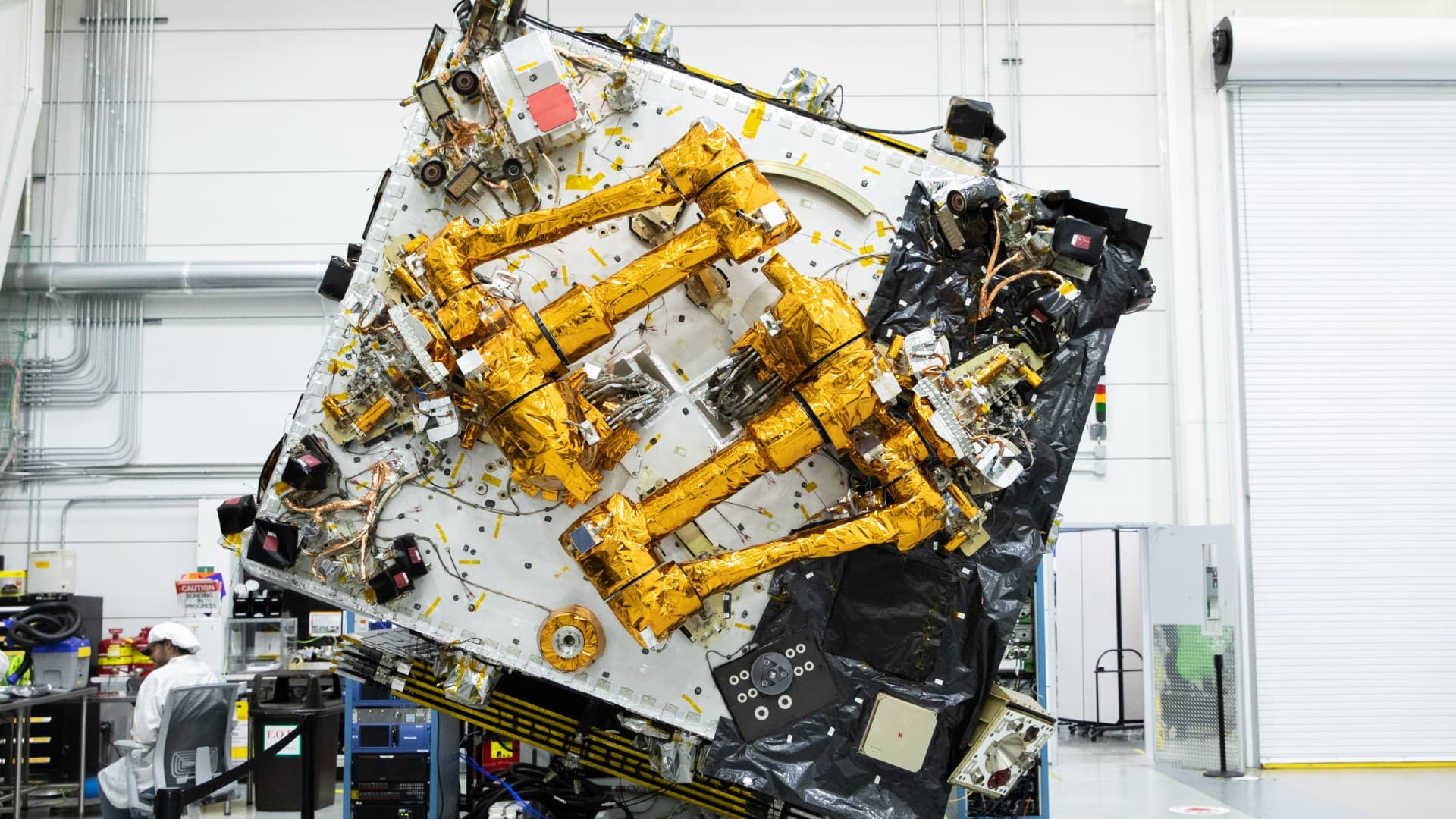
The RSGS payload features two robotic arms capable of sub-centimeter precision. These arms can perform delicate mechanical tasks that would be impossible for astronauts to attempt at such extreme distances. Human repair missions have only reached low Earth orbit, a tiny fraction of the distance to GEO.
The spacecraft can attach what the program calls "jet packs," or Mission Extension Pods, to aging satellites. These pods provide additional fuel and propulsion, extending operational life by several years. For a satellite that cost hundreds of millions to build and launch, a few extra years of service represents enormous value.
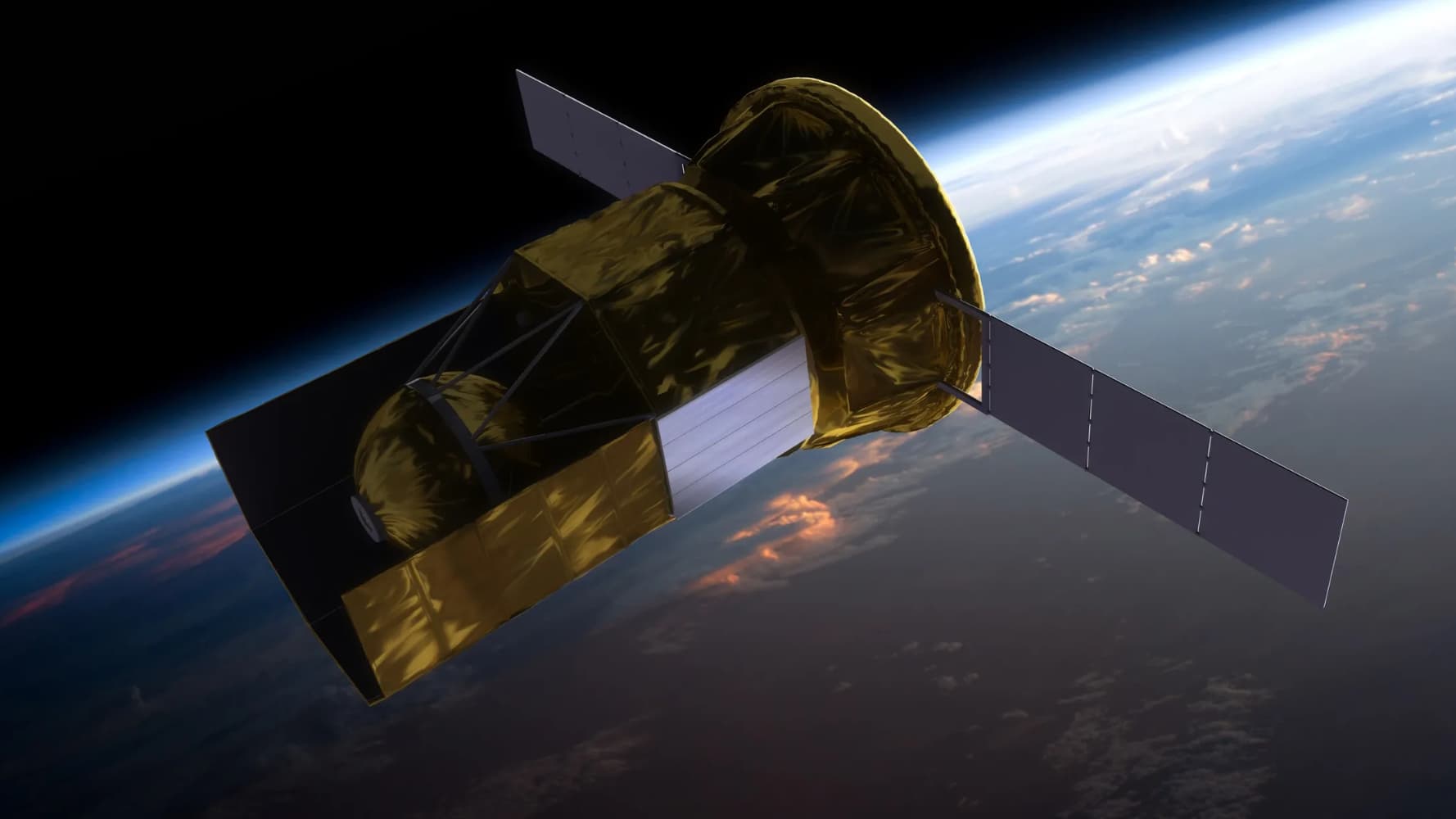
Northrop Grumman's animation shows the Mission Robotic Vehicle approaching a target satellite, using its arms to grapple and inspect the spacecraft before attaching an extension pod. The entire operation happens autonomously, with the robot making real-time adjustments based on what it finds.
Who's Involved
RSGS is a DARPA program, but it's not working alone. NASA and the U.S. Naval Research Laboratory are partners on the mission. SpaceLogistics, the Northrop Grumman subsidiary, is the prime contractor responsible for the spacecraft that will carry the DARPA payload.
The payload itself underwent testing at the Naval Research Laboratory's Naval Center for Space Technology in Washington, D.C. In October 2024, the RSGS hardware was photographed inside a cryogenic thermal vacuum chamber, simulating the extreme conditions of space.
What This Changes
Satellites in geosynchronous orbit are among the most valuable space assets. A single communications satellite can serve millions of customers. Weather satellites at GEO provide the imagery you see on evening news forecasts. Defense satellites monitor threats across entire continents.
Until now, all of these have been effectively disposable. When fuel runs low, operators have two choices: push the satellite into a "graveyard orbit" or let it become an uncontrolled hazard. Either way, the asset is lost.
If RSGS works, that changes. A satellite designed for 15 years of operation might get five more. Spacecraft that develop minor mechanical issues could be diagnosed and fixed rather than abandoned. The economics of the entire GEO satellite industry could shift.
- On-orbit refueling extends satellite operational life
- Robotic inspection can diagnose anomalies remotely
- Relocation services let operators reposition assets as needs change
- Upgrades could add new capabilities to existing hardware
The Technical Challenges
Servicing satellites in GEO is harder than it sounds. These spacecraft weren't designed to be grabbed by robots. They spin. They have delicate solar panels and antennas. A single wrong move could destroy the very asset you're trying to save.
Discussion in space-focused communities has highlighted the difficulty of capturing "non-cooperative" satellites. A spacecraft that's tumbling or has lost attitude control presents a different challenge than one holding steady for servicing. RSGS will need to handle both scenarios.
There's also the question of fuel compatibility. Different satellites use different propellants. The robotic servicer needs to work with hardware it has never touched before, built by different manufacturers to different specifications.

Logicity's Take
What Comes Next
A summer 2026 launch means a 10-month transit using electric propulsion. Operations should begin in early 2027. DARPA hasn't announced which satellites will be the first customers, but both government and commercial operators have assets in GEO that could benefit.
Success with RSGS could spawn an entire industry. If one robot can service satellites, why not many? SpaceLogistics already offers commercial satellite life extension services. A proven DARPA technology could accelerate that market significantly.
Frequently Asked Questions
What is DARPA's RSGS mission?
RSGS (Robotic Servicing of Geosynchronous Satellites) is a DARPA program that will launch a robotic spacecraft capable of refueling, inspecting, repairing, and relocating satellites in geosynchronous orbit, roughly 22,236 miles above Earth.
When will RSGS launch?
DARPA announced the mission is ready to launch as soon as summer 2026, with operations beginning in 2027 after a 10-month transit to geosynchronous orbit.
Why was RSGS delayed?
The program faced multiple setbacks including the original contractor Maxar Technologies leaving in 2019, pandemic-related supply chain disruptions, and integration challenges with the new prime contractor SpaceLogistics.
How does satellite refueling work in space?
The RSGS spacecraft uses two robotic arms with sub-centimeter precision to attach Mission Extension Pods to aging satellites. These pods provide additional fuel and propulsion to extend operational life by several years.
Who is building the RSGS spacecraft?
SpaceLogistics, a Northrop Grumman subsidiary, is the prime contractor. DARPA developed the robotic payload with support from NASA and the U.S. Naval Research Laboratory.
Need Help Implementing This?
Source: Latest from Space.com
Huma Shazia
Senior AI & Tech Writer
Produced with AI assistance and reviewed by the Logicity editorial team. Learn more in our Editorial Policy.