Key Takeaways
- ASIC-based AI servers will reach 27.8% market share in 2026, with 44.6% year-over-year growth
- Broadcom holds a $73 billion AI backlog and targets $100 billion annual AI chip revenue by 2027
- Google, OpenAI, Meta, ByteDance, and Fujitsu are confirmed Broadcom XPU customers
Nvidia still commands roughly 70% of the AI chip market. But that grip is loosening. Google, Amazon, Meta, Microsoft, and OpenAI are investing billions in custom silicon designed for their specific workloads. The shift is accelerating faster than many expected.
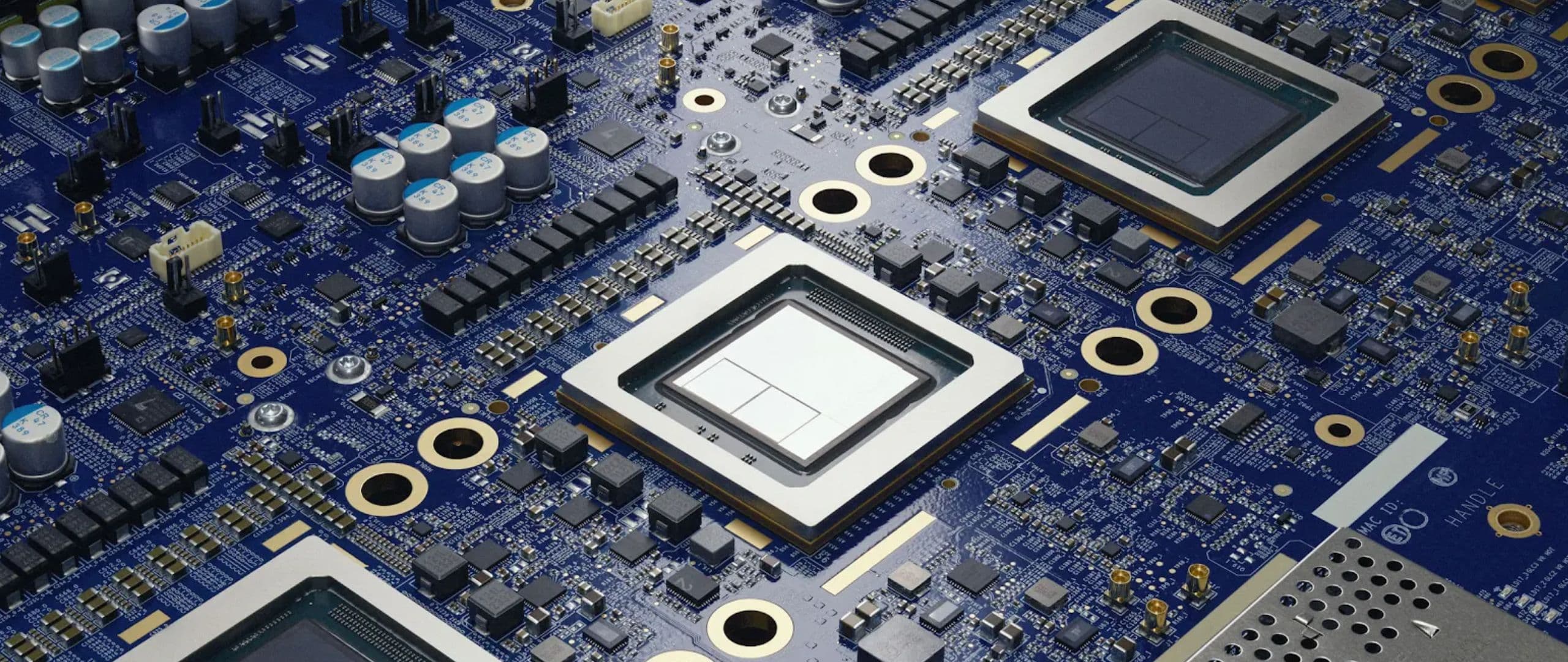
ASIC-based AI server shipments are projected to reach 27.8% of the market in 2026. That's the highest share since 2023. Custom ASIC shipments will grow 44.6% year-over-year, compared to just 16.1% growth for merchant GPUs. The hyperscalers are voting with their capital.
TSMC sits at the center of this shift. The foundry fabricates chips for all five hyperscalers and for Broadcom, the dominant custom AI chip architect. Without TSMC's advanced packaging and process nodes, none of this would be possible.
Broadcom: The $73 Billion Backlog
Broadcom has emerged as the core enabler of the AI ASIC ecosystem. The company reported $8.4 billion in AI semiconductor revenue for Q1 FY2026 (ending February 2026). That's a 106% year-over-year increase. Q2 guidance came in at $10.7 billion.
“We have line of sight to achieve AI revenue from chips in excess of $100 billion in 2027.”
— Hock Tan, CEO of Broadcom
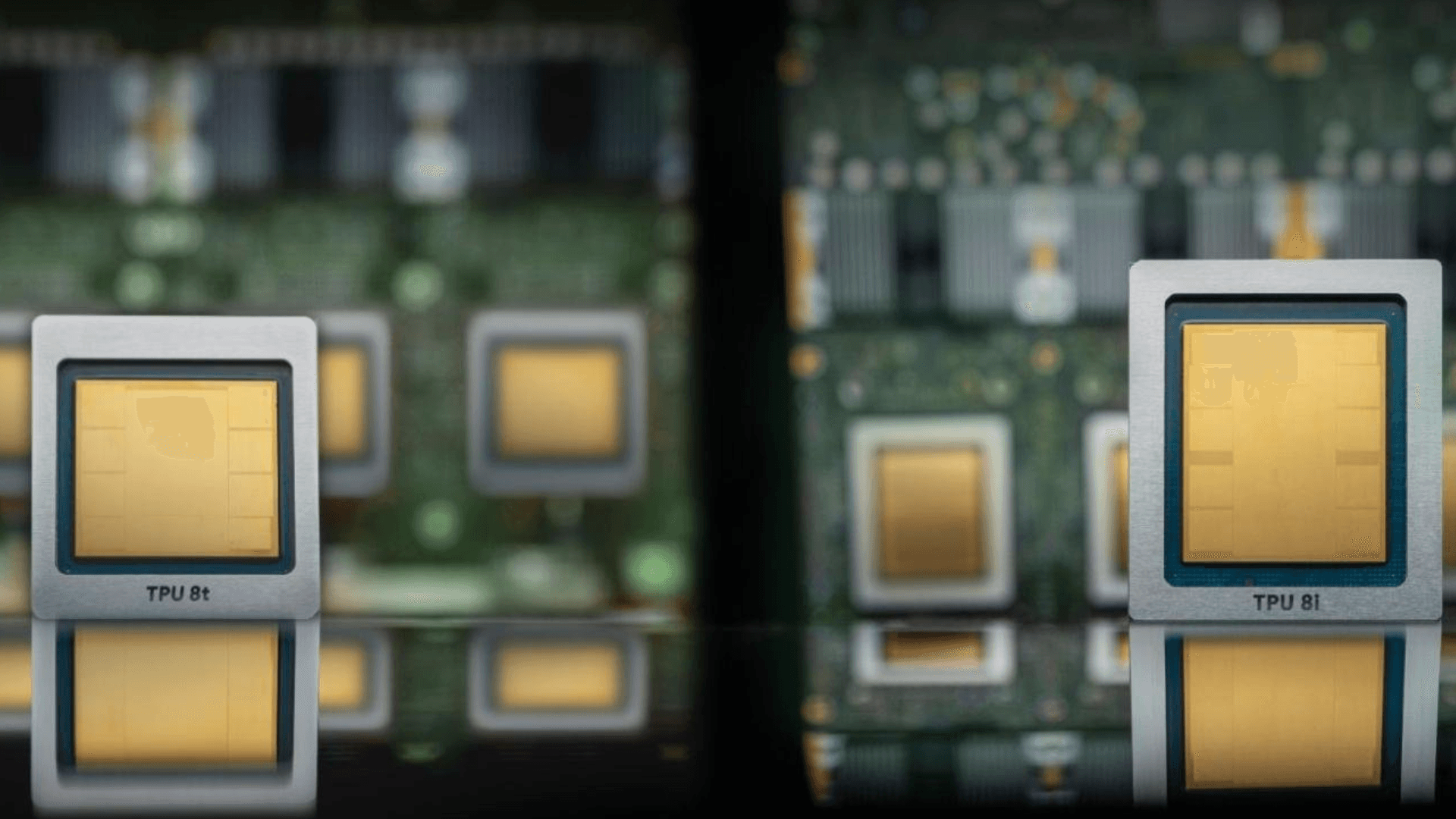
Behind that projection sits a disclosed $73 billion AI backlog. Broadcom has confirmed six major XPU customers. Google remains the longest-standing partner, with seven generations of co-designed TPUs since 2014.
OpenAI signed a multi-year collaboration in October 2025 for 10 gigawatts of custom accelerators. First deployment targets the second half of 2026 using both 3nm and 2nm designs. That deal came after OpenAI was widely reported to be behind a separate $10 billion order.
But there's a wrinkle. Broadcom semiconductor president Charlie Kawwas joked on CNBC that OpenAI "has not given me that PO yet." The identity of the mystery customer behind the $10 billion order remains officially unconfirmed.
Meta, ByteDance, and Fujitsu round out the confirmed customer list. Analysts have identified Apple and Arm/SoftBank as potential future engagements. Arm is separately developing a custom CPU for OpenAI's Broadcom-built accelerator. That contract could be worth billions to SoftBank.
The Tech: 3.5D XDSiP Platform
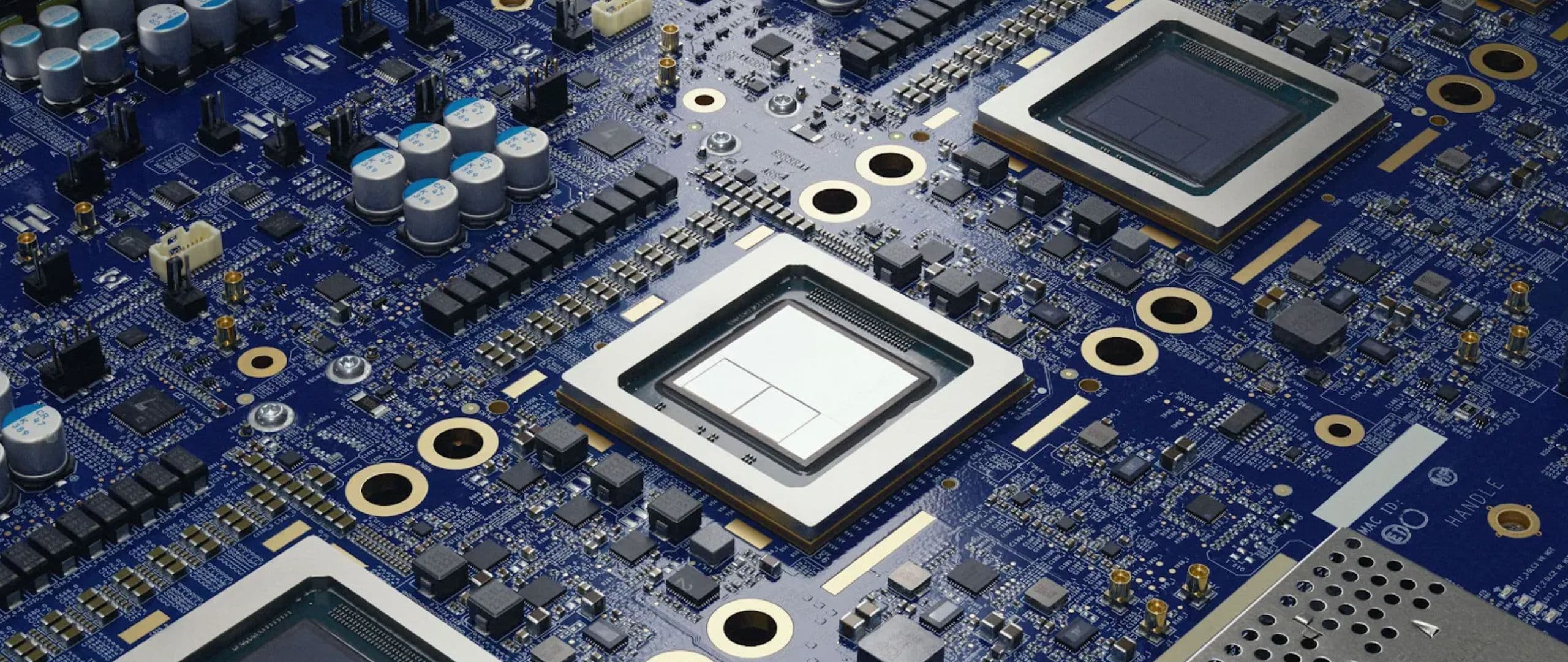
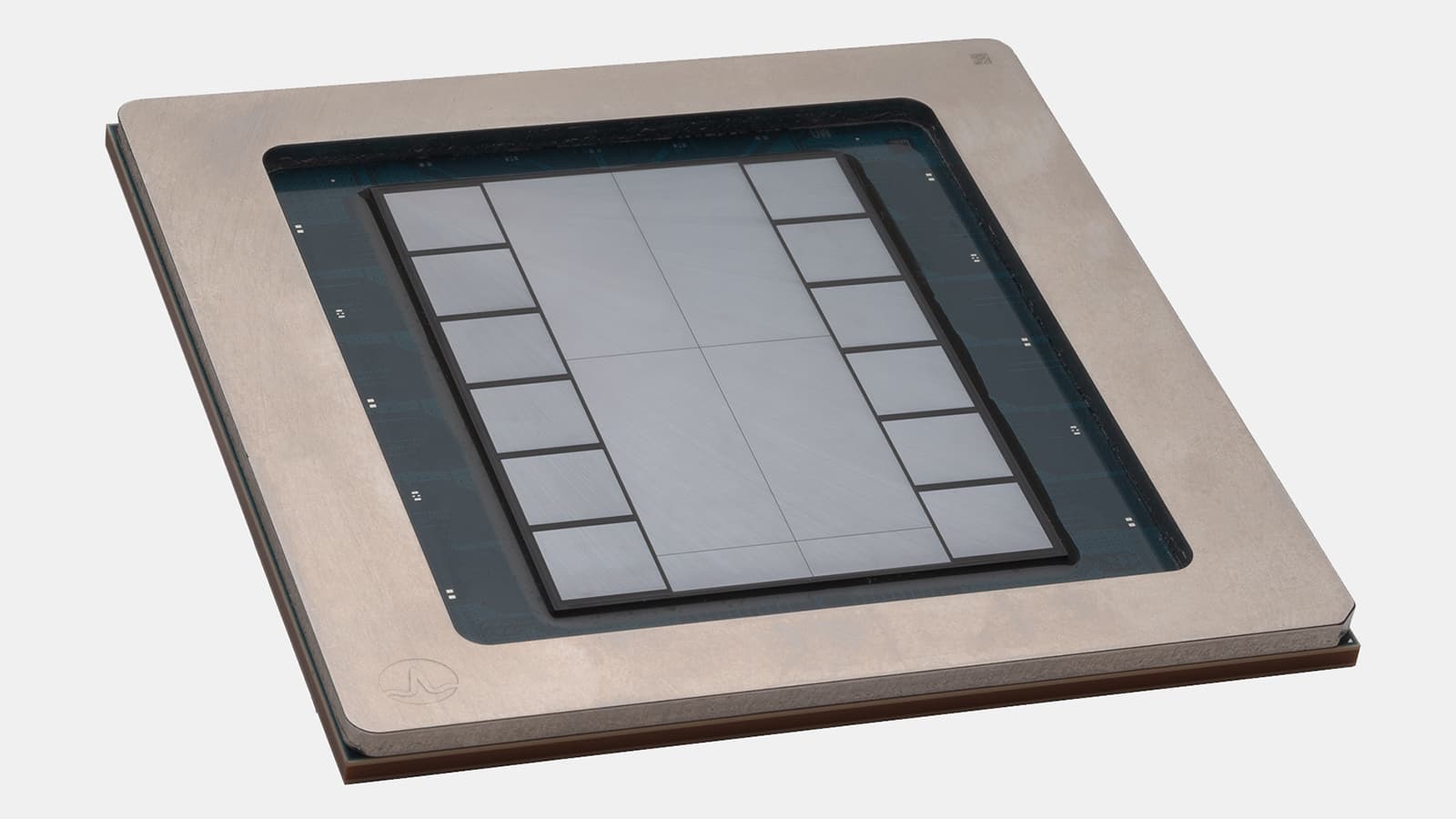
The tech behind this growth is Broadcom's 3.5D XDSiP platform. It uses face-to-face 3D stacking via TSMC's SoIC process combined with 2.5D CoWoS integration. The platform enables packages that exceed what conventional packaging can achieve.
This is advanced chip packaging taken to its limits. Stacking dies vertically while spreading them horizontally on an interposer lets Broadcom deliver the compute density and memory bandwidth that AI workloads demand.
Marvell: The Other ASIC Giant
Broadcom gets most of the headlines, but Marvell holds significant ground. The company has partnered with Amazon on Trainium and Microsoft on Maia. Marvell projects up to $11 billion in AI ASIC revenue for 2026.
Together, Broadcom and Marvell control roughly 95% of the custom AI ASIC co-design market. Everyone else is fighting for scraps.
What This Means for Nvidia
Nvidia isn't going anywhere. A 70% market share with strong GPU growth is still a dominant position. But the hyperscalers are building alternatives for their highest-volume workloads. Inference at scale, where the economics matter most, is where custom silicon makes sense.
Training on the latest frontier models will likely remain GPU territory for now. Nvidia's software ecosystem, particularly CUDA, creates switching costs that custom silicon can't easily overcome. But for running models at production scale, the math increasingly favors purpose-built chips.
Logicity's Take
The Road to 2027
If Broadcom hits its $100 billion revenue target by 2027, custom AI silicon will have moved from interesting alternative to core infrastructure. The 2nm chips scheduled for late 2026 will push performance further. And every hyperscaler success with custom silicon encourages more investment.
TSMC remains the kingmaker. Advanced packaging capacity is the bottleneck everyone is fighting over. CoWoS and SoIC capacity will determine who gets their chips and when. The foundry's expansion plans will shape the entire market.
Frequently Asked Questions
What percentage of the AI chip market does Nvidia control?
Nvidia holds approximately 70% of the AI chip market share, though this is projected to erode as hyperscalers invest in custom silicon.
How fast will custom AI ASIC shipments grow in 2026?
Custom ASIC shipments will grow 44.6% year-over-year in 2026, nearly triple the 16.1% growth rate projected for merchant GPUs.
Who are Broadcom's confirmed AI chip customers?
Broadcom has confirmed six major XPU customers: Google, OpenAI, Meta, ByteDance, Fujitsu, and one additional undisclosed partner.
What is Broadcom's AI chip revenue target?
Broadcom is targeting $100 billion in annual AI chip revenue by 2027, backed by a disclosed $73 billion AI backlog.
Who fabricates chips for the major hyperscalers?
TSMC fabricates chips for all five hyperscalers (Google, Amazon, Meta, Microsoft, OpenAI) and for Broadcom, making it the central enabler of the custom AI chip ecosystem.
Need Help Implementing This?
Source: Latest from Tom's Hardware
Manaal Khan
Tech & Innovation Writer
Produced with AI assistance and reviewed by the Logicity editorial team. Learn more in our Editorial Policy.